
Compass

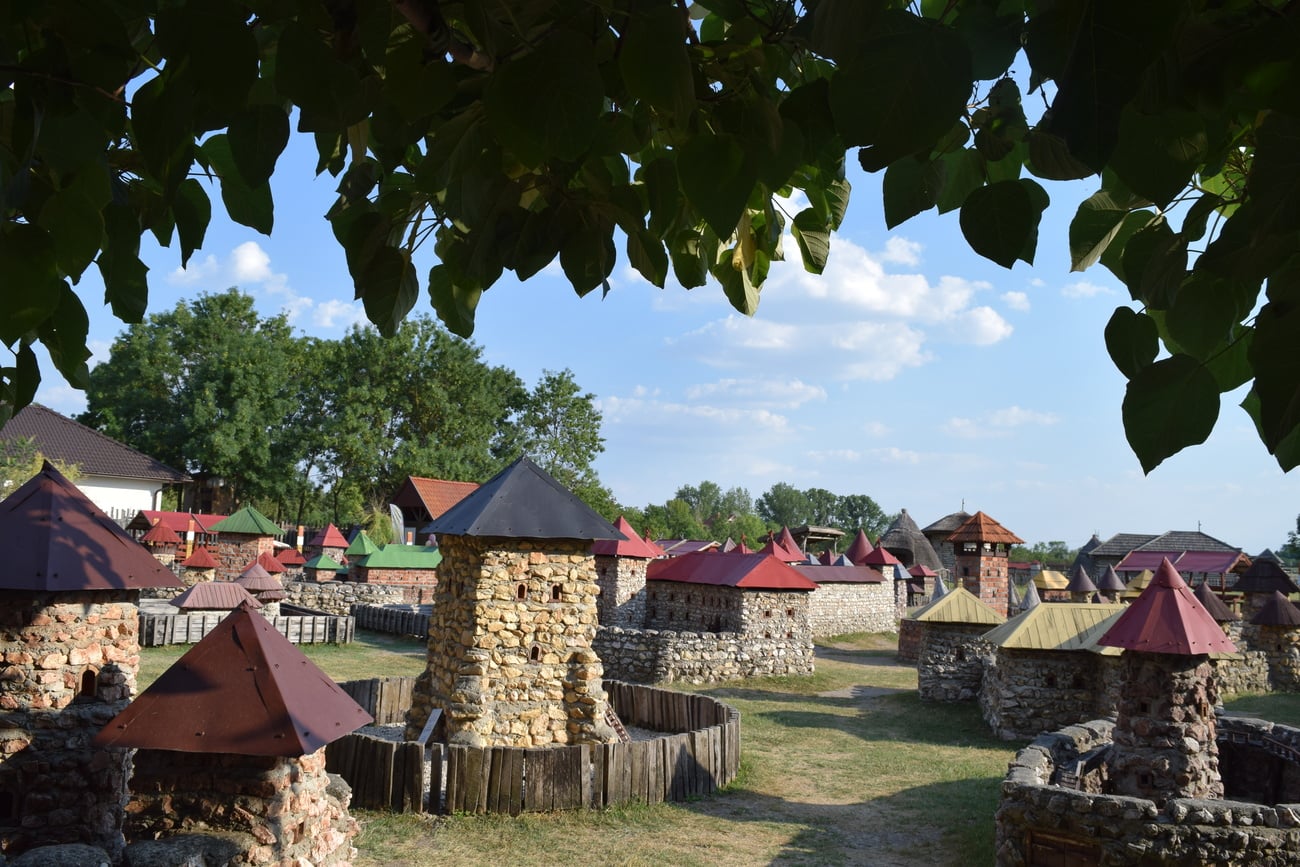
After a mysterious illness changed his life, Zoltán Alekszi turned a childhood fascination into a Guinness-record heritage mission. Some of the castles at Dinnyés Castle Park look surprisingly complete: stone walls rise around courtyards, wooden roofs cover towers and tiny stairways connect defensive structures. The strange part is that many of the originals no longer look anything like this. Some are ruins. Others have almost disappeared from the landscape. That is precisely why Zoltán Alekszi builds them. In the village of Dinnyés, near Lake Velence in central Hungary, Alekszi has spent more than a decade reconstructing medieval castles that were destroyed, abandoned or reduced to archaeological traces. He aims not to create decorative models of famous landmarks. It is to make forgotten places understandable again. “I would like to infect everyone with a love of history somehow,” he told me. Reconstructed early medieval wooden buildings form part of the [...]

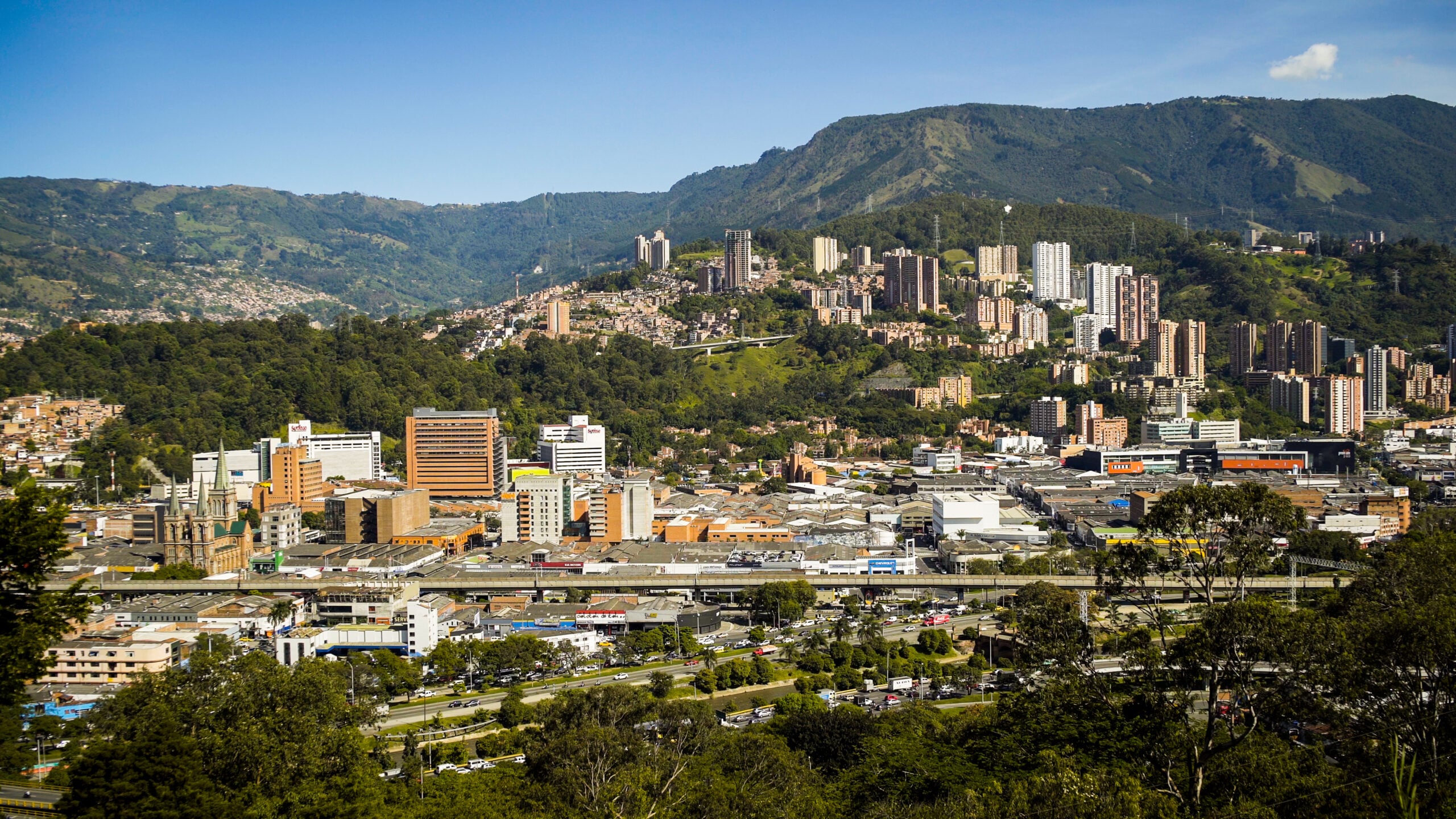
Few destinations truly meet expectations. Medellín, lauded as one of South America’s coolest cities, surely does.

Budapest's thermal baths reveal centuries of Roman, Ottoman and Hungarian history. Explore Széchenyi, Rudas and Lukács, Gellért's restoration, spa etiquette and what to know before visiting.

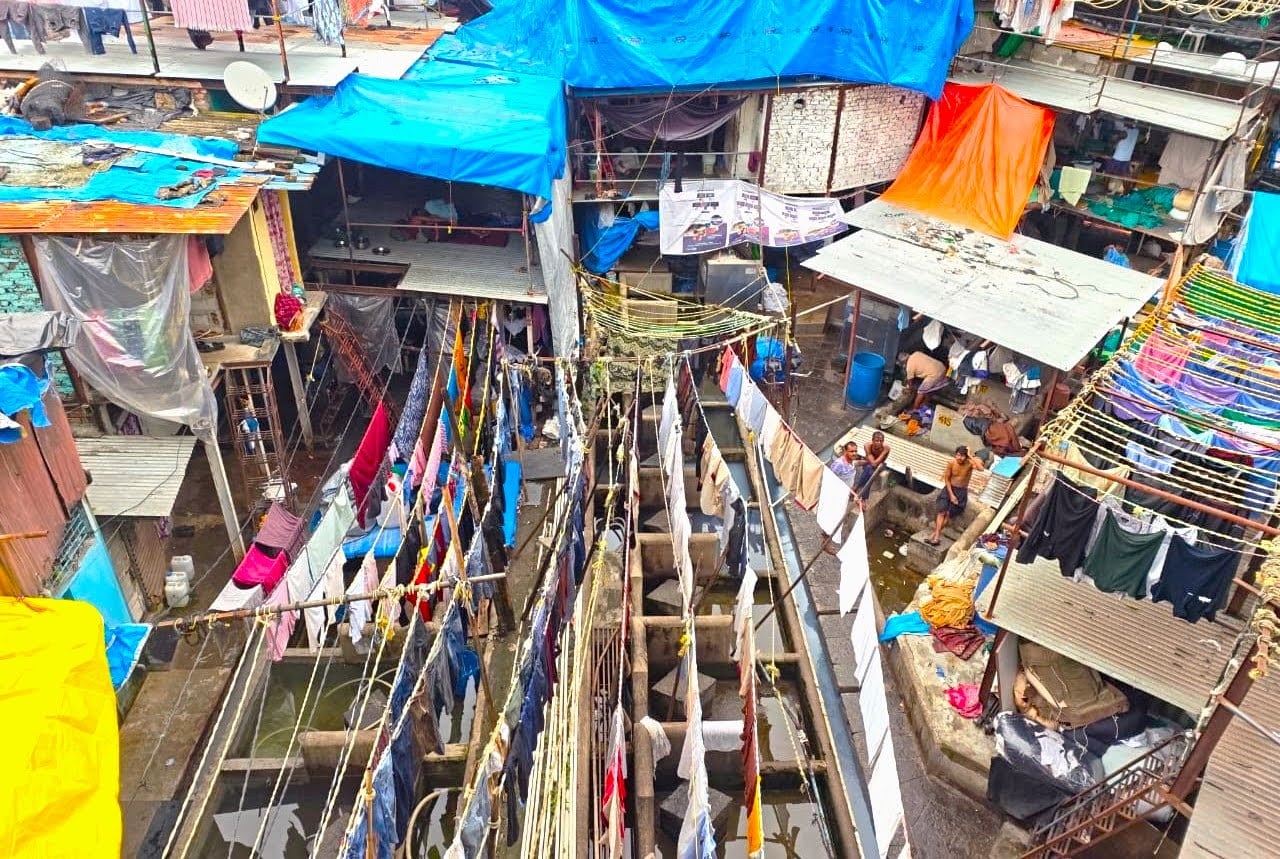
Mahalaxmi Station in Mumbai has always been a hubbub of horns, the metallic screech of trains on the rails, and the buzz of commuters and announcements crackling over the speakers. But outside the station, one sound cuts through the noise, and it doesn’t belong to the railway station.

Author Elizabeth Rusch joins World Footprints to examine the flaws in American democracy, voting rights and election reform. Discover what other democracies can teach the United States and how home exchange travel offers fresh perspectives on culture, community and political life.

From Salem and New Orleans to London, Dublin and Transylvania, these Halloween travel experiences combine spooky fun, history and culture with practical health and safety considerations.

In southern Chile, tourism and the Mapuche struggle for ancestral land rights intersect. Leijia Hanrahan examines cultural tourism in Araucanía and Biobío, the risks of treating Indigenous identity as an attraction, and how travelers can make more thoughtful choices about where their money goes.

Heading home for Thanksgiving? From TSA rules and flight delays to travel apps and airline refund rights, here's what you need to know before leaving.

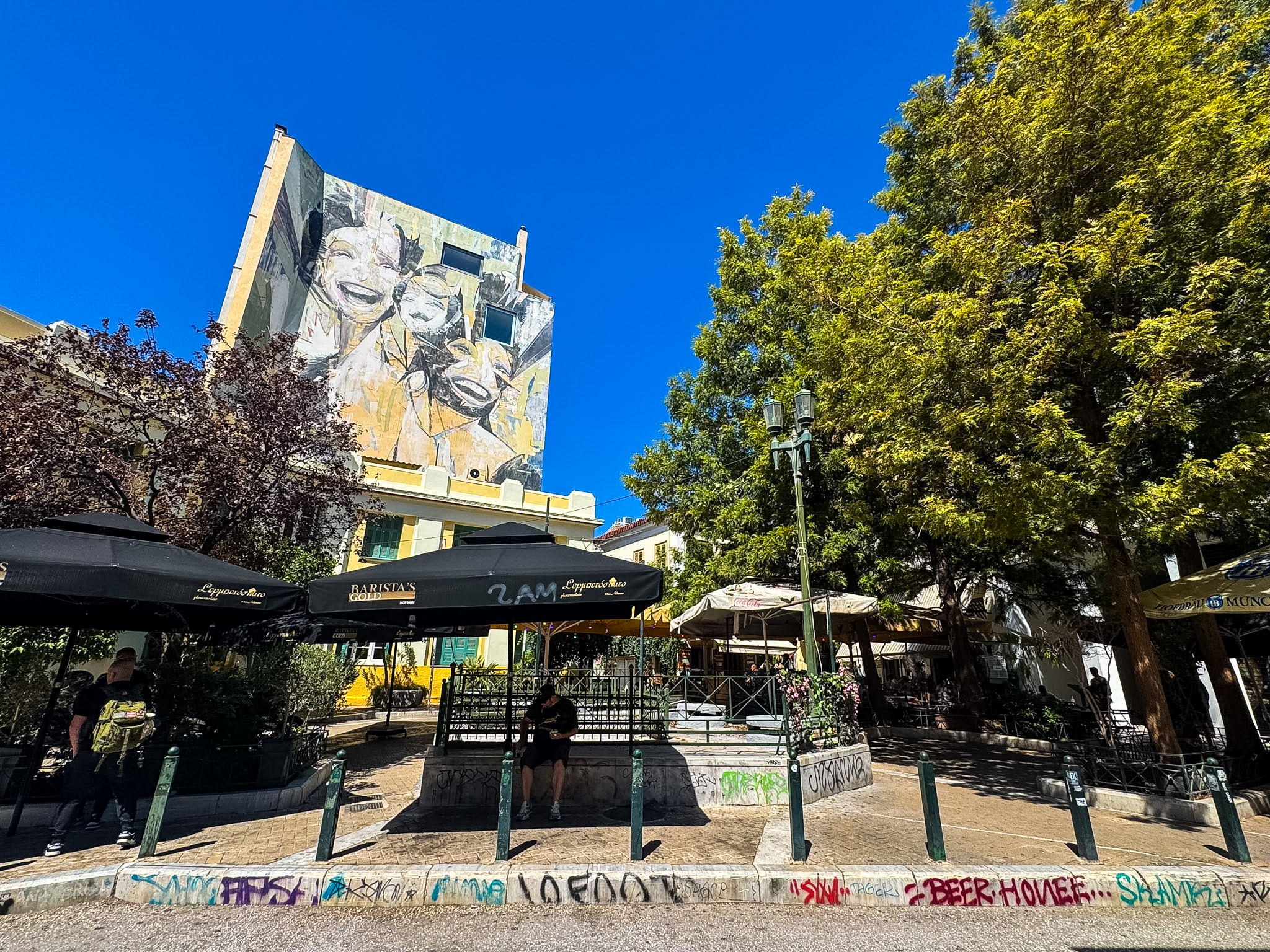
If you visit Athens, you’ll more than likely stroll through Psirri, one of the oldest districts of this City of Antiquities. The once-edgy neighborhood took its name from the Psirri family, who purchased many plots of land after moving there during the Turkish occupation from Psara, a small island in the northern Aegean Sea.

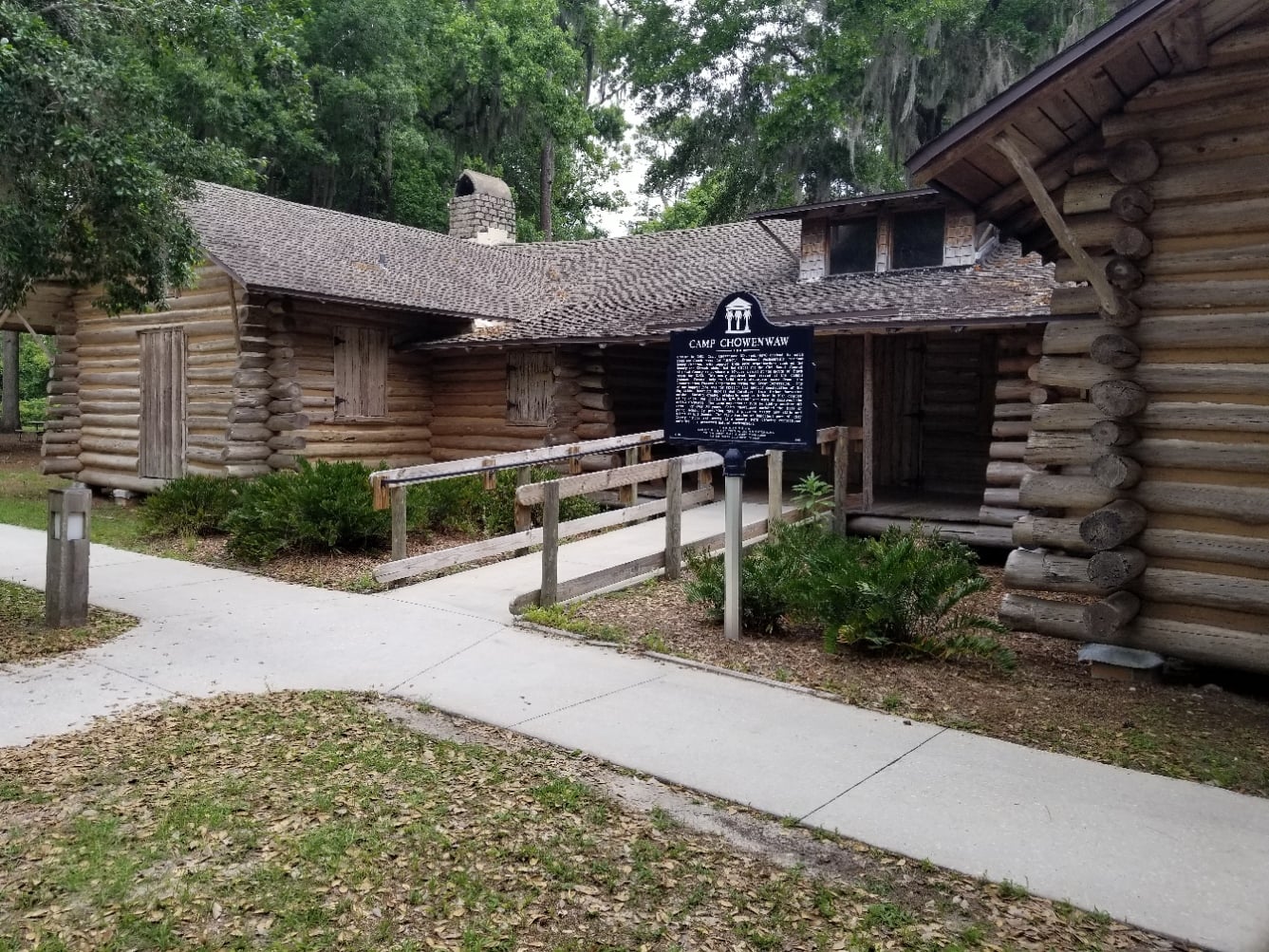
Ever wish you could return to your teen years when you discovered nature at a scout camp? Well, you can at Camp Chowenwaw County Park in Green Cove Springs, Florida. Camp Chowenwaw County Park was Florida’s first Girl Scout Camp.

World Footprints heads to WTM London 2026 as accredited media, connecting with tourism boards, DMOs, agencies and travel brands interested in U.S. exposure, destination storytelling and media partnerships.

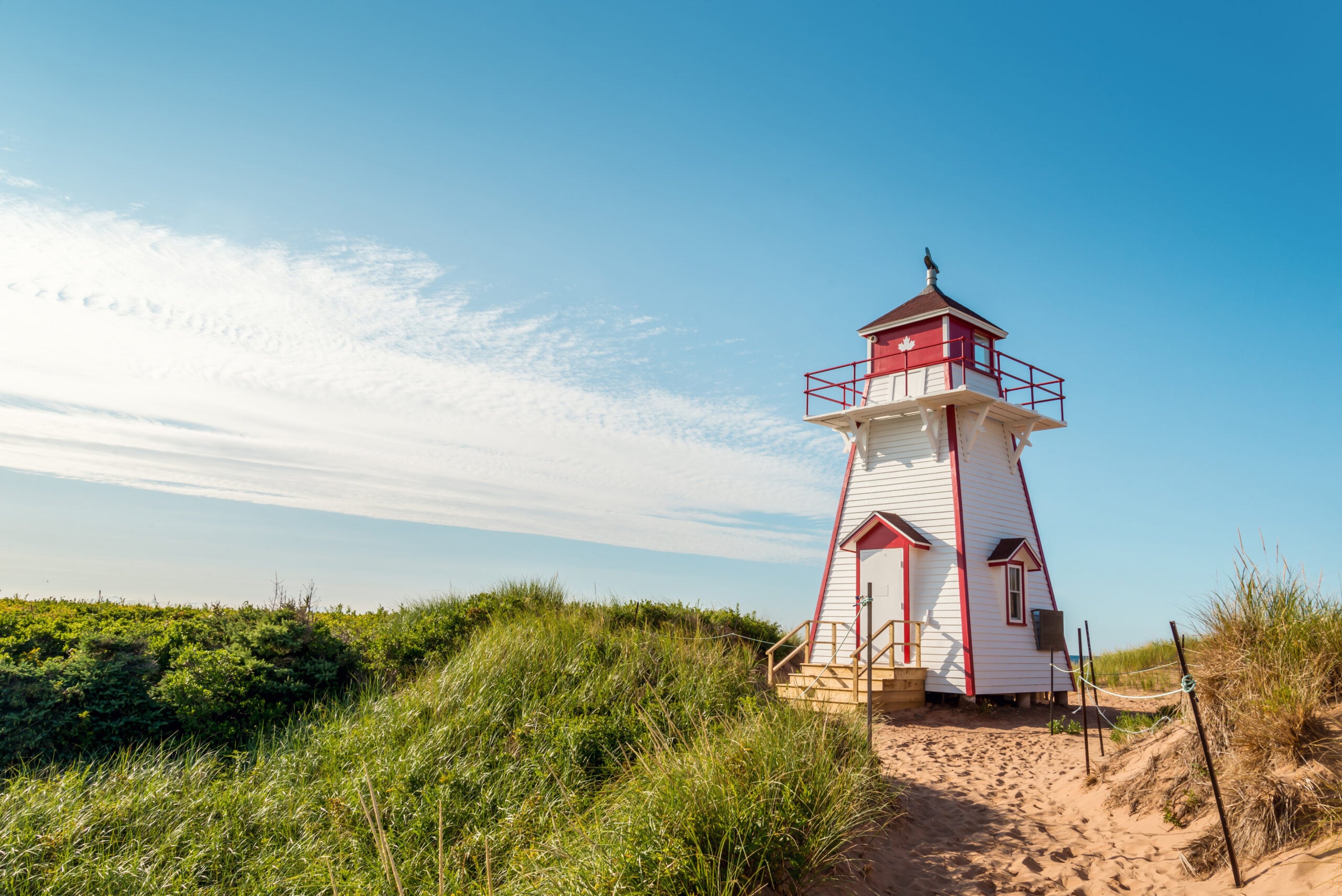
If you enjoyed reading as a child, you’ll recognize Prince Edward Island as the backdrop of Lucy Maud Montgomery’s beloved Anne of Green Gables. If you gravitate toward romances as an adult, however, you may also know the island as the dreamy setting of Carley Fortune’s This Summer Will Be Different.