
KanikaSEO

Martin Shore and Ian Neville explore the music, history and living cultural legacy behind Take Me to the River: New Orleans—and the Grammy-winning recording that followed their World Footprints conversation.

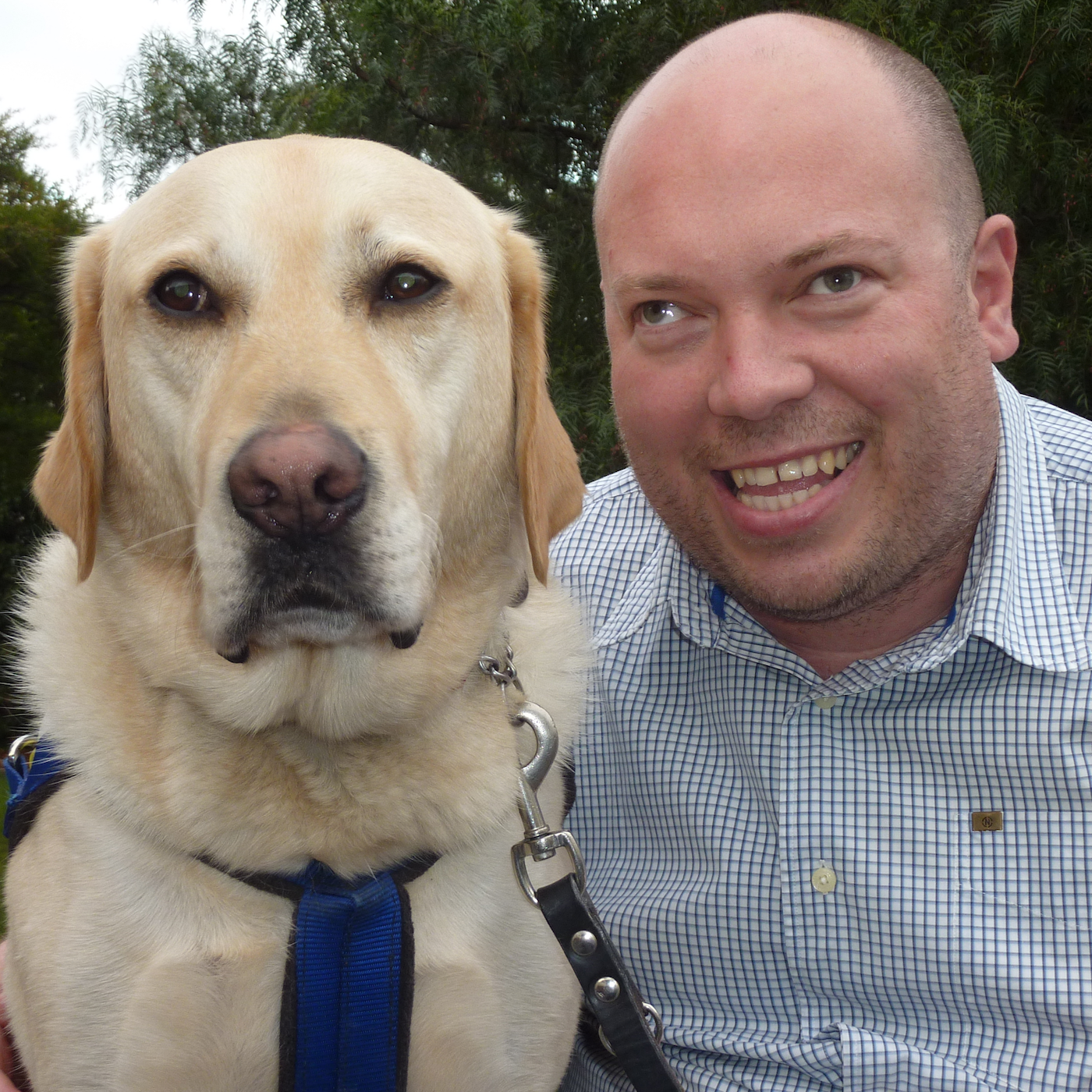
Australian blind traveler and accessibility advocate Dale Reardon shares the realities of traveling with a guide dog, encountering inaccessible technology and navigating an industry that does not always understand the diverse needs of travelers with disabilities.

In this NATJA award-winning World Footprints episode, Rick Steves joins us for a thoughtful conversation about Europe, the pandemic, social responsibility, and why travel remains one of the most powerful ways to better understand the world.

Hear about the initiative Franklin has launched to preserve and share a fuller and accurate truth about its place in American history.

Explore the history of New Orleans Second Line parades, Social Aid and Pleasure Clubs, and jazz funeral traditions. Discover the cultural roots behind the music with World Footprints podcast.

Author Elizabeth Rusch joins World Footprints to examine what American democracy looks like from abroad, where the United States falls short, and what other countries can teach us about representation, participation and reform. She also shares how travel, cultural immersion and home exchange experiences have influenced her life and writing.

Phyllis Wilson, a retired Army veteran of 37 years and President of the Military Women’s Memorial Foundation, joins us to talk about the Memorial and two important campaigns to preserve history and honor a group of female veterans.

Montana dinosaur fossils, Missouri River Country Montana, Great Plains Dinosaur Museum, Montana paleontology, Zortman Montana, Montana gold rush towns, Little Rocky Mountains history, fossil hunting Montana, gold panning Montana, Montana travel podcast

This episode of World Footprints explores how culture is experienced, preserved, and challenged through movement and art. From walking the length of Israel’s coastline to preserving Eritrean identity through visual expression, and revisiting the humanitarian themes embedded in Dr. Seuss’s illustrations, this conversation highlights how storytelling shapes our understanding of place, history, and humanity.
Explore Pittsburgh beyond its steel legacy as World Footprints visits the Heinz History Center, the historic Hill District, and the iconic Carrie Furnaces. This episode uncovers the cultural, industrial, and community stories that shaped Western Pennsylvania.
Standing beneath the live oaks at Houmas House, you feel the contradictions of Louisiana’s River Road in real time—the beauty, the wealth, and the unspoken histories that still cling to the land. Our conversation with Kevin Kelly revealed a property that isn’t just preserved, but constantly reinterpreted. And upriver, the story shifts: historian Daniel Rasmussen brings the 1811 slave revolt out of the shadows, reminding us that New Orleans’ past is shaped as much by resistance as by refinement. By the time native writer Laura Martone joins us to share the New Orleans she grew up in—the food, the quirks, the quiet corners—you begin to see the region not as a series of attractions, but as a living, layered place where memory and modern life collide.

Explore the hidden risks of voluntourism and the complex history shaping conservation in the Galápagos Islands. Intercultural educator Lena Papadopoulos and researcher Dr. Elizabeth Hennessy reveal why responsible travel requires deeper awareness, community-led action, and a clear understanding of the islands’ past.