
Travel By Design
Design your own travel experience by exploring many travel niches on this Travel by Design page.
Whether you are an adventurer or arm-chair traveler you will find stories on this page that will pique your interest and curiosity. Nearly any hobby, interest or experience can be the very essence of a travel niche and you’ll find many of them below.
Perhaps you are looking for the best LGBTQ destinations or you’re interested in different experiences, volunteer travel (voluntourism) or health and wellness opportunities there are many travel niches to experience. We have several stories that showcase a traveler’s insights and there are other stories that illuminate the outdoors and beautiful landscapes. We have stories of varied experiences from far and wide. The experiences are unique and quite interesting and come from various places across the globe. Our stories will give you a wide coverage of places from around the world.
Whatever travel experience you’re interesting in learning about or designing for your future travels you can find something here. As new travel trends evolve we will continue to add new content that addresses new travel niches.
Go through the interesting stories listed below on this Travel by Design page.

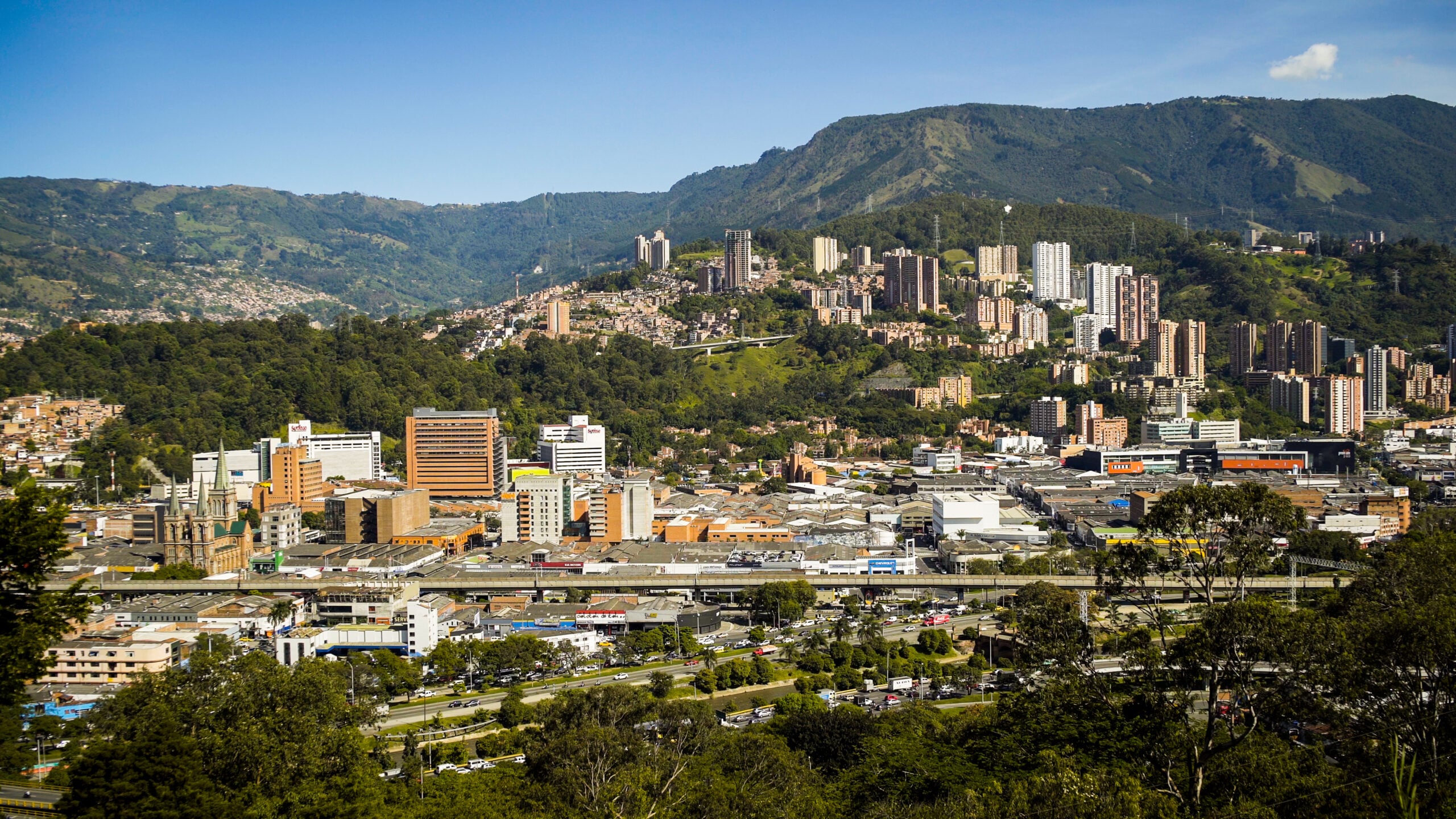
Few destinations truly meet expectations. Medellín, lauded as one of South America’s coolest cities, surely does. Storied Medellín is a sprawling metropolis nestled in a multihued mountain setting where visitors never wonder what to do. Whichever way you turn, the inviting Andes envelope you, and so do the hardy people who live among them. It offers more nook-and-cranny neighborhoods than you can imagine, all sharing Colombia’s trademark hospitality. The perfect climate here keeps temps between 60 and 80 degrees year-round. Oh yeah, and your dollars enjoy a nice range, too. Medellin's Central Park Estadio Skate Park, The "Central Park" of Medellin Photo: Bruce Northam Sometimes the action finds you when you least expect it. I kept getting lured back to El Atanasio, a multipurpose stadium, and the upbeat community around it. Located in the heart of Medellin, the vibrant “stadium” neighborhood celebrates every human emotion and sport from [...]

Budapest's thermal baths reveal centuries of Roman, Ottoman and Hungarian history. Explore Széchenyi, Rudas and Lukács, Gellért's restoration, spa etiquette and what to know before visiting.

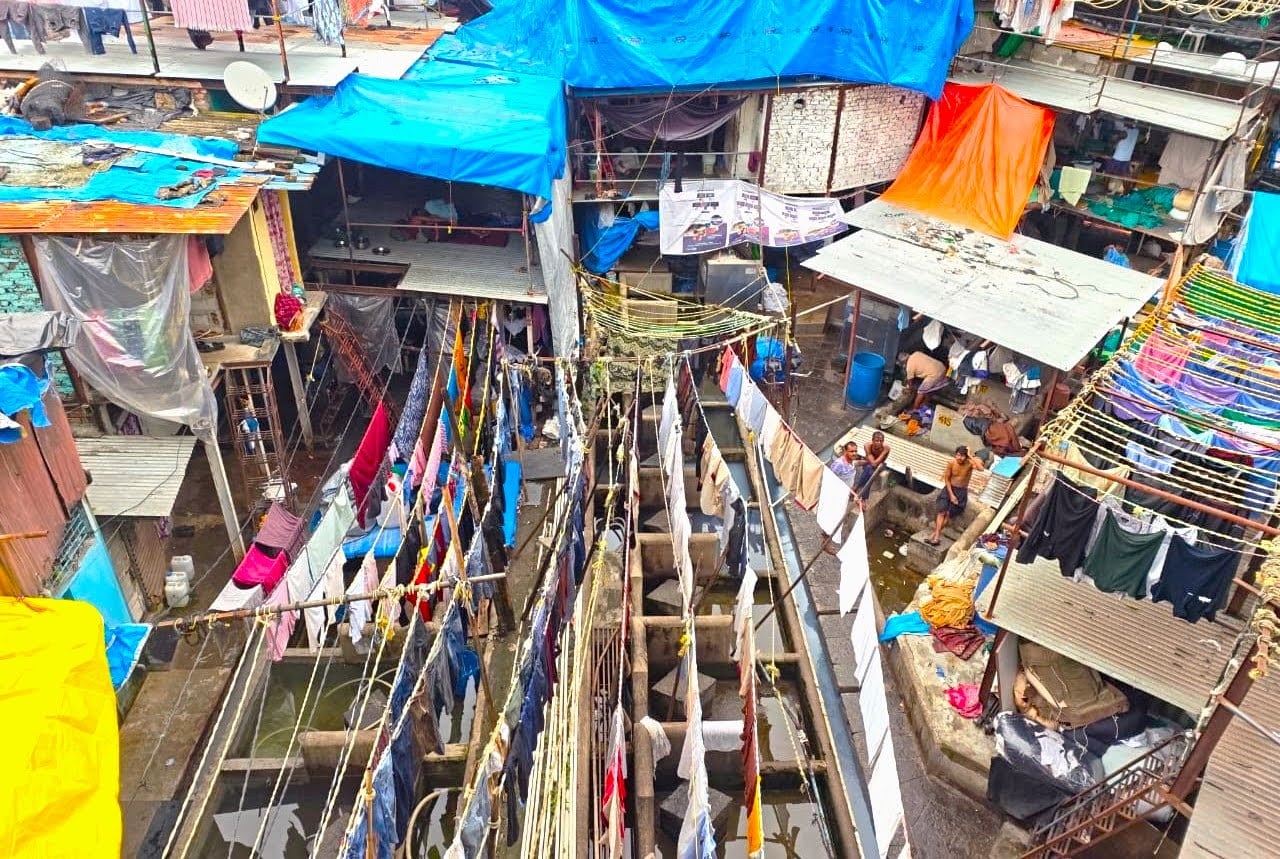
Mahalaxmi Station in Mumbai has always been a hubbub of horns, the metallic screech of trains on the rails, and the buzz of commuters and announcements crackling over the speakers. But outside the station, one sound cuts through the noise, and it doesn’t belong to the railway station.

Author Elizabeth Rusch joins World Footprints to examine the flaws in American democracy, voting rights and election reform. Discover what other democracies can teach the United States and how home exchange travel offers fresh perspectives on culture, community and political life.

From Salem and New Orleans to London, Dublin and Transylvania, these Halloween travel experiences combine spooky fun, history and culture with practical health and safety considerations.

Heading home for Thanksgiving? From TSA rules and flight delays to travel apps and airline refund rights, here's what you need to know before leaving.

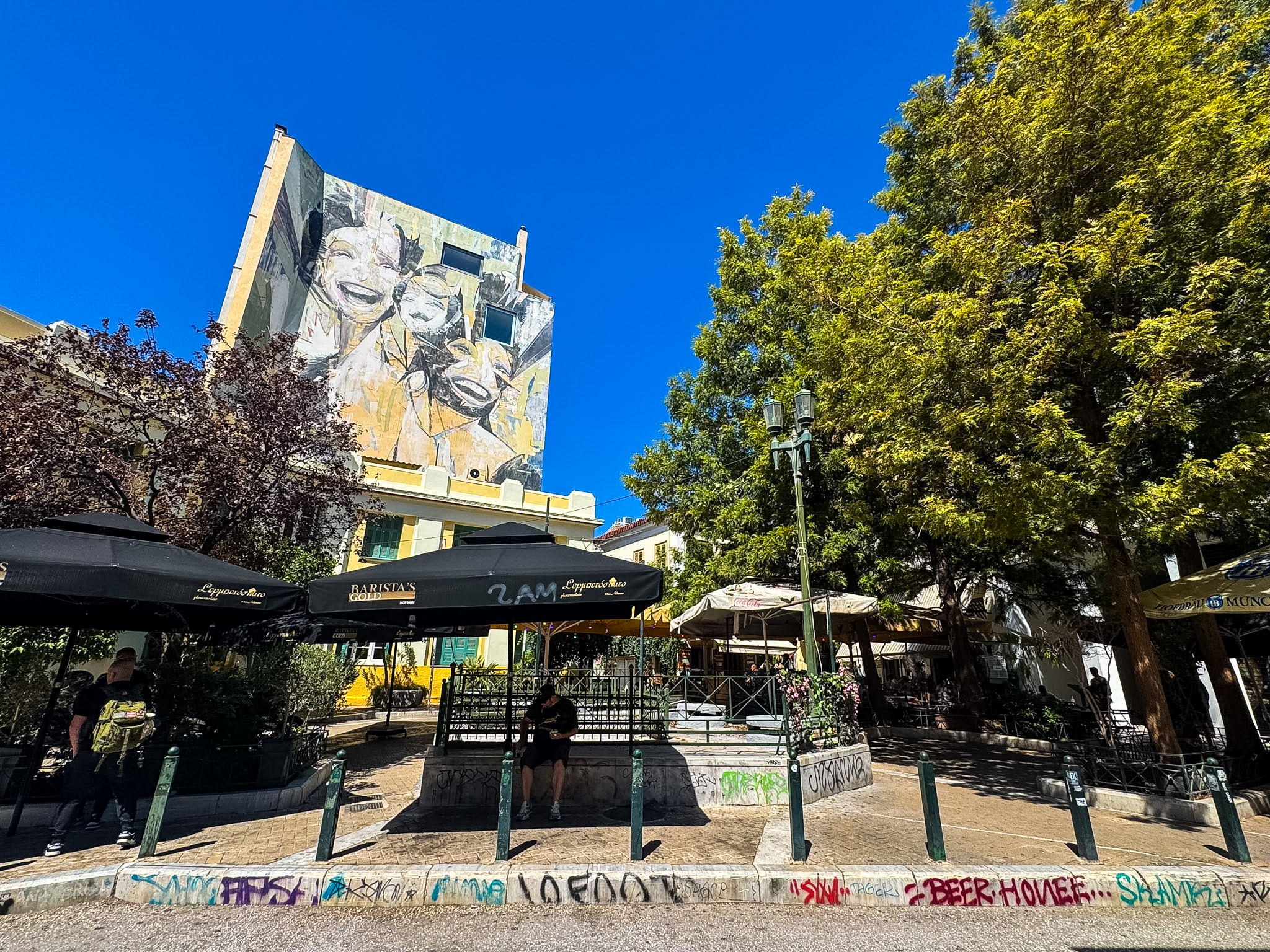
If you visit Athens, you’ll more than likely stroll through Psirri, one of the oldest districts of this City of Antiquities. The once-edgy neighborhood took its name from the Psirri family, who purchased many plots of land after moving there during the Turkish occupation from Psara, a small island in the northern Aegean Sea.

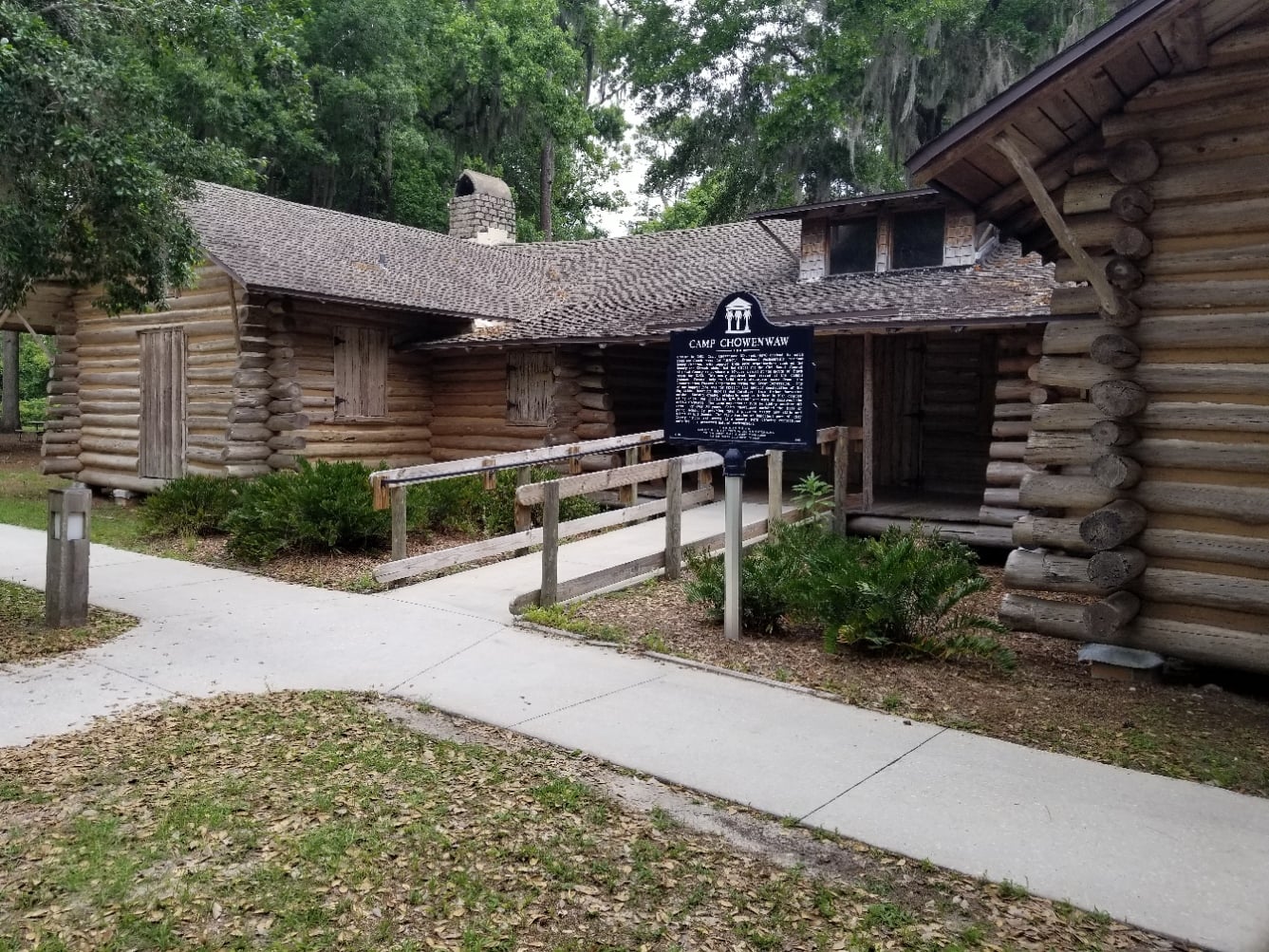
Ever wish you could return to your teen years when you discovered nature at a scout camp? Well, you can at Camp Chowenwaw County Park in Green Cove Springs, Florida. Camp Chowenwaw County Park was Florida’s first Girl Scout Camp.

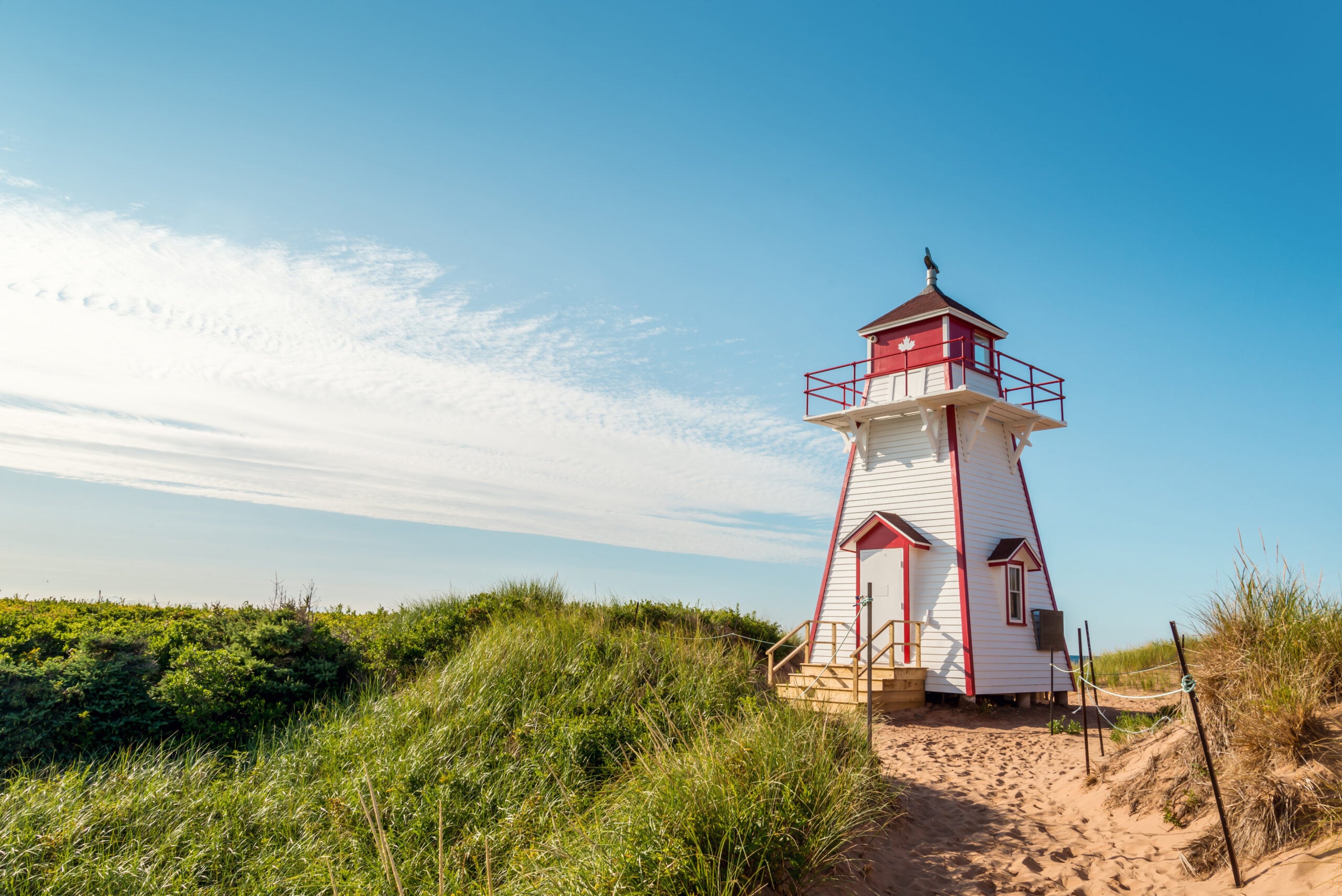
If you enjoyed reading as a child, you’ll recognize Prince Edward Island as the backdrop of Lucy Maud Montgomery’s beloved Anne of Green Gables. If you gravitate toward romances as an adult, however, you may also know the island as the dreamy setting of Carley Fortune’s This Summer Will Be Different.
As The Amazing Race celebrates 25 years, revisit our conversation with host Phil Keoghan about travel, taking chances and his No Opportunity Wasted philosophy. This World Footprints episode also features Raw Travel host Robert Rose, Dominica tourism leader Colin Piper and The Great Human Race co-host Cat Bigney.

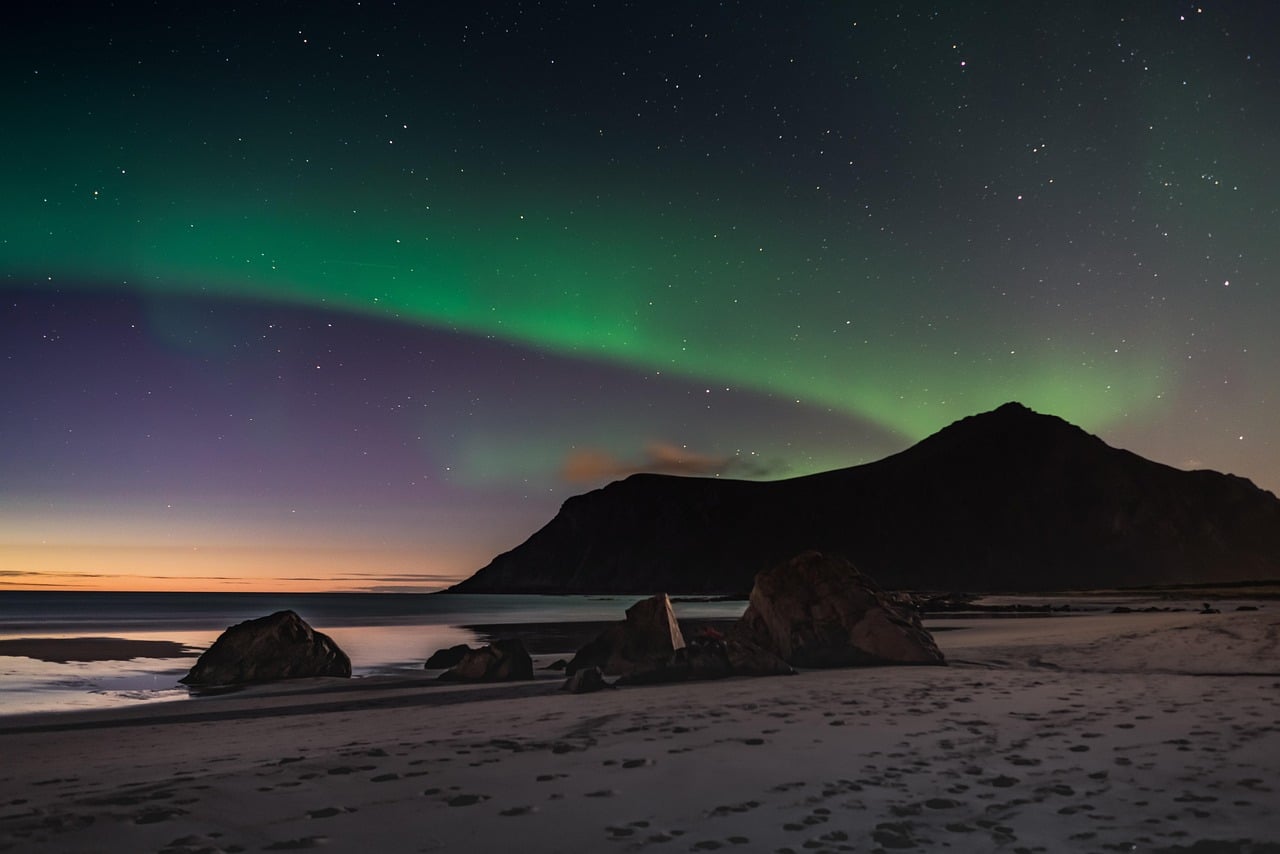
Seeing the Northern Lights in Tromsø is about far more than getting the perfect photograph. Discover the science, Sámi culture and personal experiences that make an aurora chase unforgettable.

Walk in the footsteps of Elizabeth I at the Tower of London, Westminster Abbey, Hatfield’s Old Palace, Kenilworth Castle and Bath Abbey.