
Articles

The days between Christmas and New Year’s offer a peaceful pause after the busy days of the holiday season. During this calm interlude, festive decorations still glow, emails slow down, and everything moves at a gentler pace. This is an ideal time for reflection, expressing gratitude for the past and looking forward to the new year with hope. It’s also a frequently overlooked opportunity to support our communities, as many needs persist even as the holiday excitement fades.

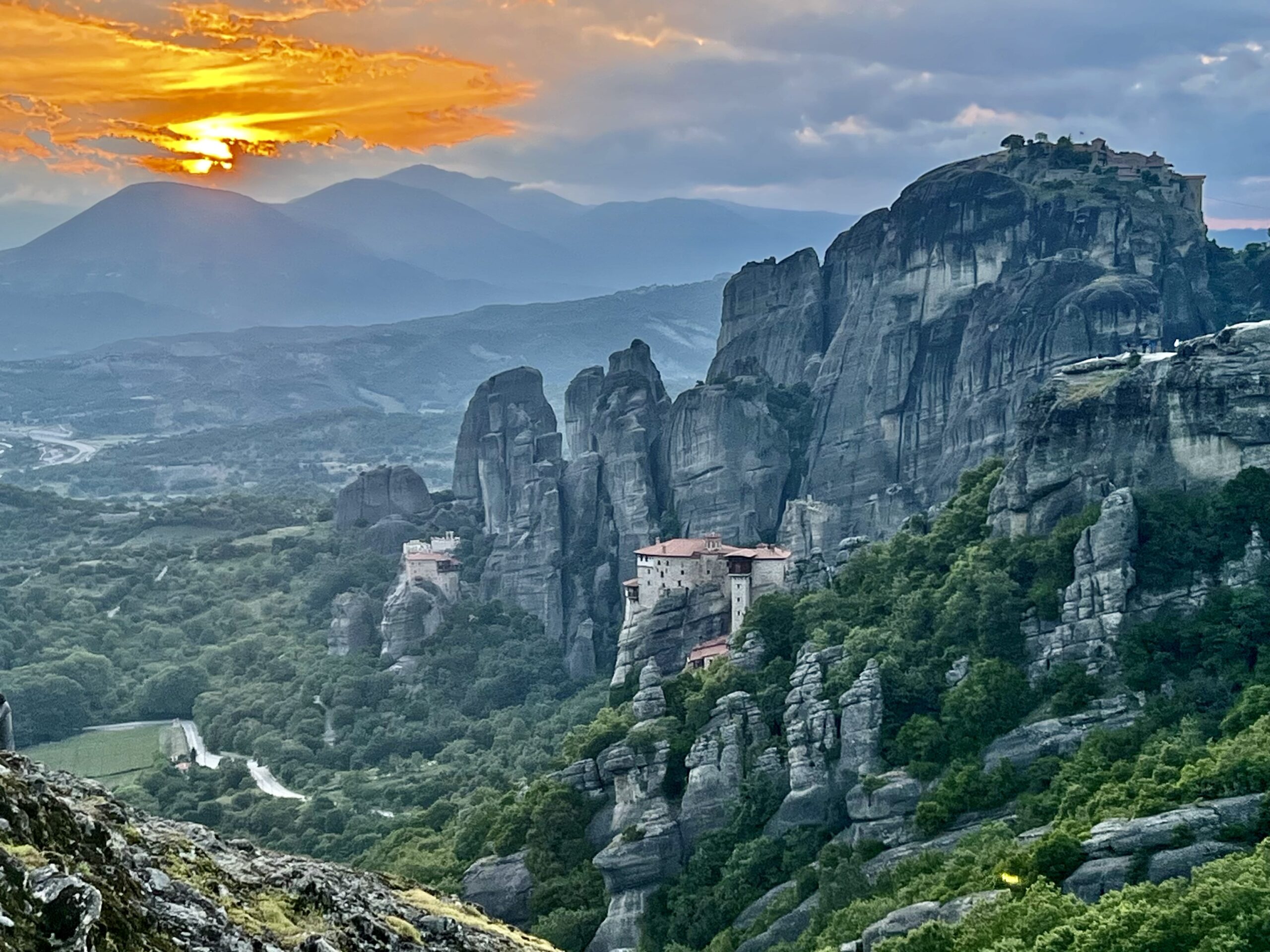
The rainbow provided cause enough for our guide to detour from the itinerary. He made a quick left-hand turn and came to a sudden stop overlooking the towering rock pillars. The doors flew open, and 20 or so passengers tumbled out to capture this magical moment. It almost felt disrespectful to take a photo without asking Mother Nature for permission.

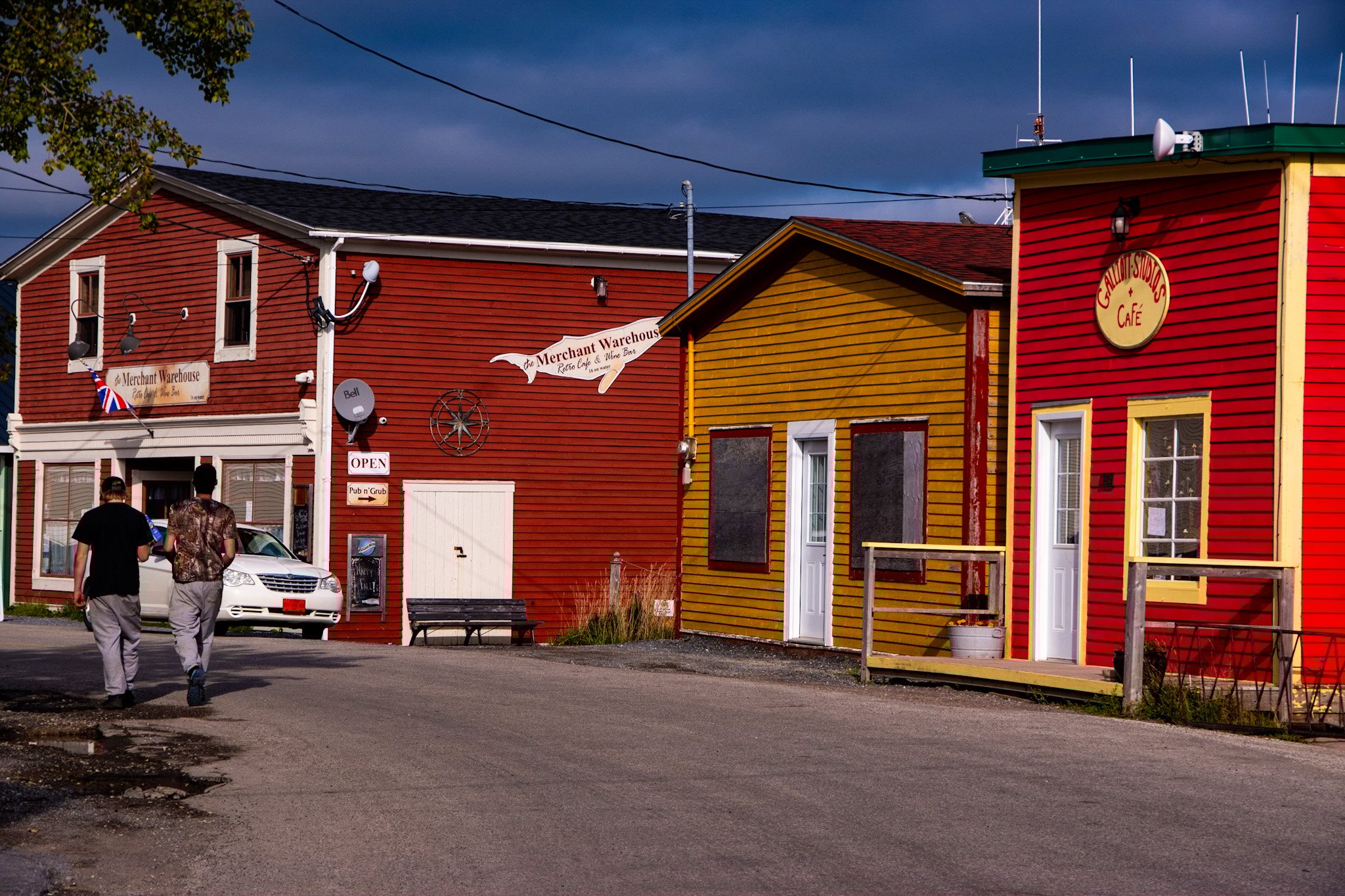
In the Canadian police drama “Hudson & Rex,” a detective and his canine partner solve crimes in and around picturesque St. John’s, capital of the province of Newfoundland and Labrador. Through six seasons (including 2024), their police work took them to all corners of Newfoundland, the world’s 16th-largest island, to adjacent Labrador, a sparsely populated fragment of the North American mainland. They even ventured to the French territory of St. Pierre et Miquélon, anchored just off the coast of Newfoundland in the Atlantic Ocean.

I love under-the-radar destinations. Schenectady, a sweet balance of history and modern multicultural flair, is a prime example of why. Upstate New York’s original “Electric City” sits only 15 miles from Albany, the state’s capital, but a world away. Settled by the Dutch in 1661, it played a crucial role in the development of early American industry and innovation, primarily in electronics and locomotion. Thomas Edison founded General Electric at Mohawk River-hugging Schenectady. It’s also where I found a surprising urban-pastoral balance of early-U.S. architecture, inviting parks, scenic bike paths, welcoming restaurants, and engaging locals.

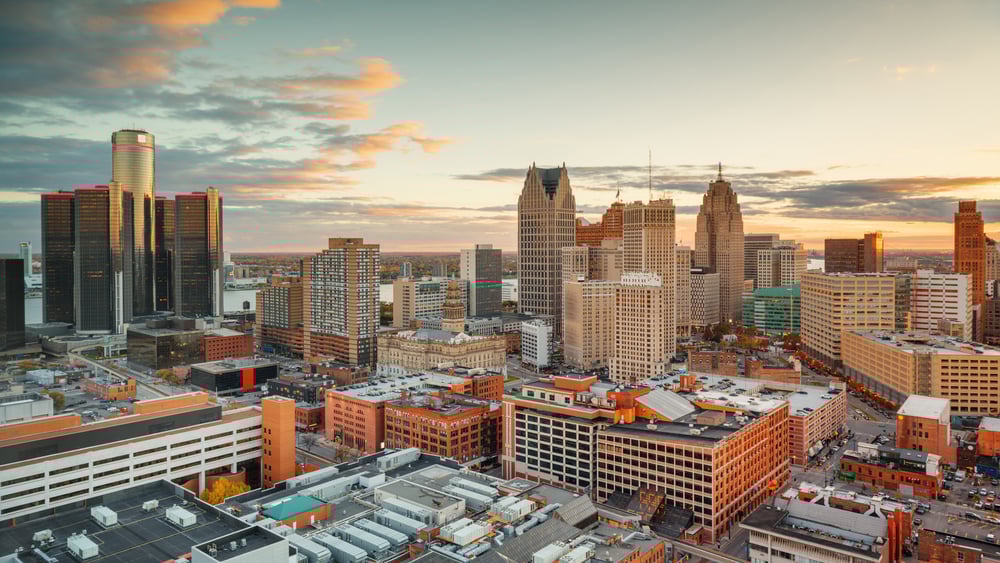
I remembered The Lip Bar from their infamous 2015 "Shark Tank" rejection—the moment Kevin O'Leary called founder Melissa Butler and her creative director "colorful cockroaches" and told them they'd never succeed. As someone who loves bright colors and wears lipstick—probably the only makeup item I've ever worn throughout my life—I'd been following the brand's journey. When I found myself in Detroit a decade later, I knew I had to visit their flagship store, especially since my favorite color is fuchsia, and I was determined to finally get their Playmate shade, which is often out of stock online.

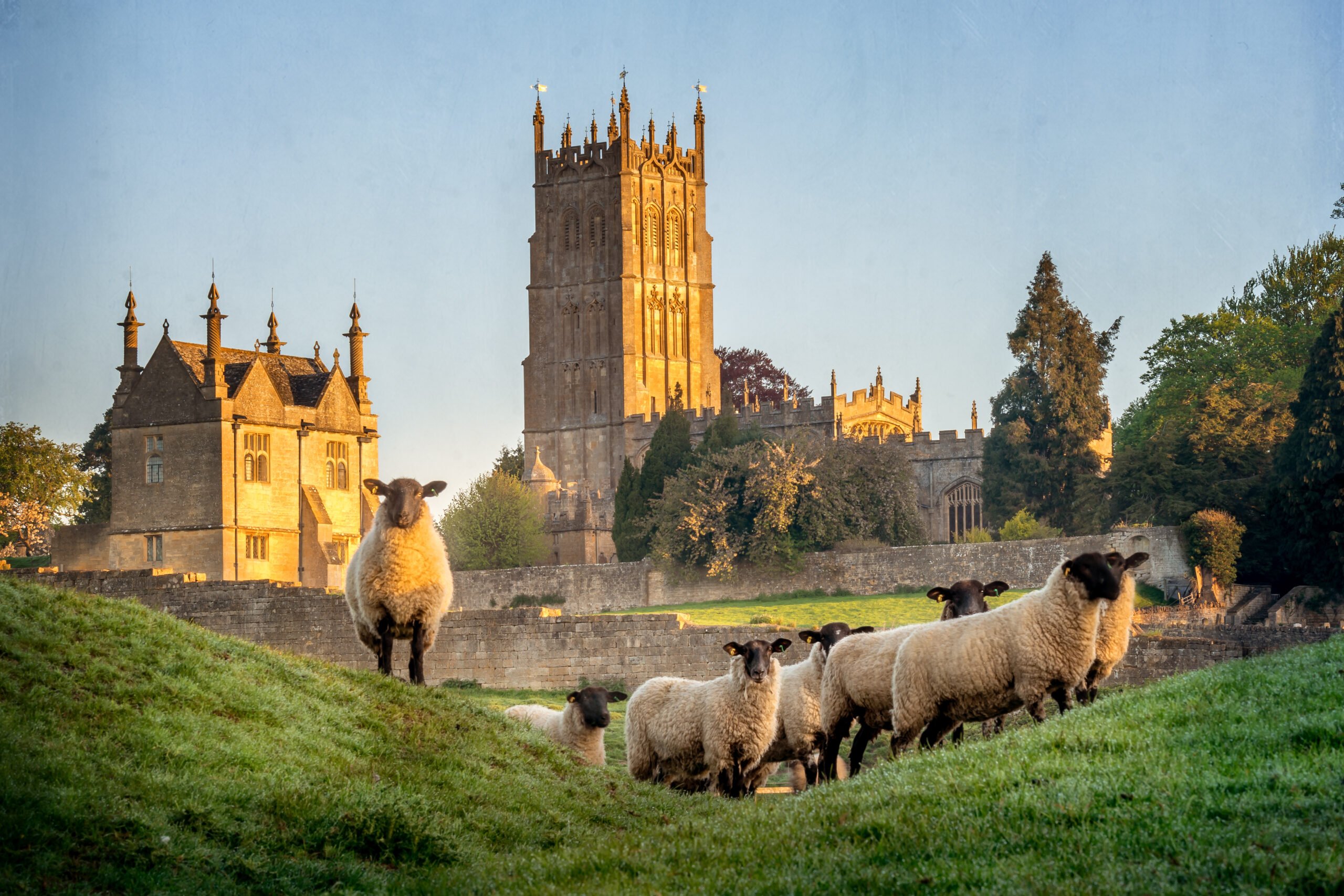
On a breezy summer morning, I embarked on a tour of the villages of the Cotswolds. Famed for its quaint half-timbered buildings, overhanging upper storeys, and narrow alleyways, the villages of the Cotswolds possess undeniable charm. Small group tour leader Ian McKenzie led us from the university town of Oxford into the inner recesses of the Cotswolds. Designated as an Area of Outstanding Natural Beauty, the Cotswolds spread across five English counties—Wiltshire, Gloucestershire, Oxfordshire, Warwickshire, and Worcestershire.
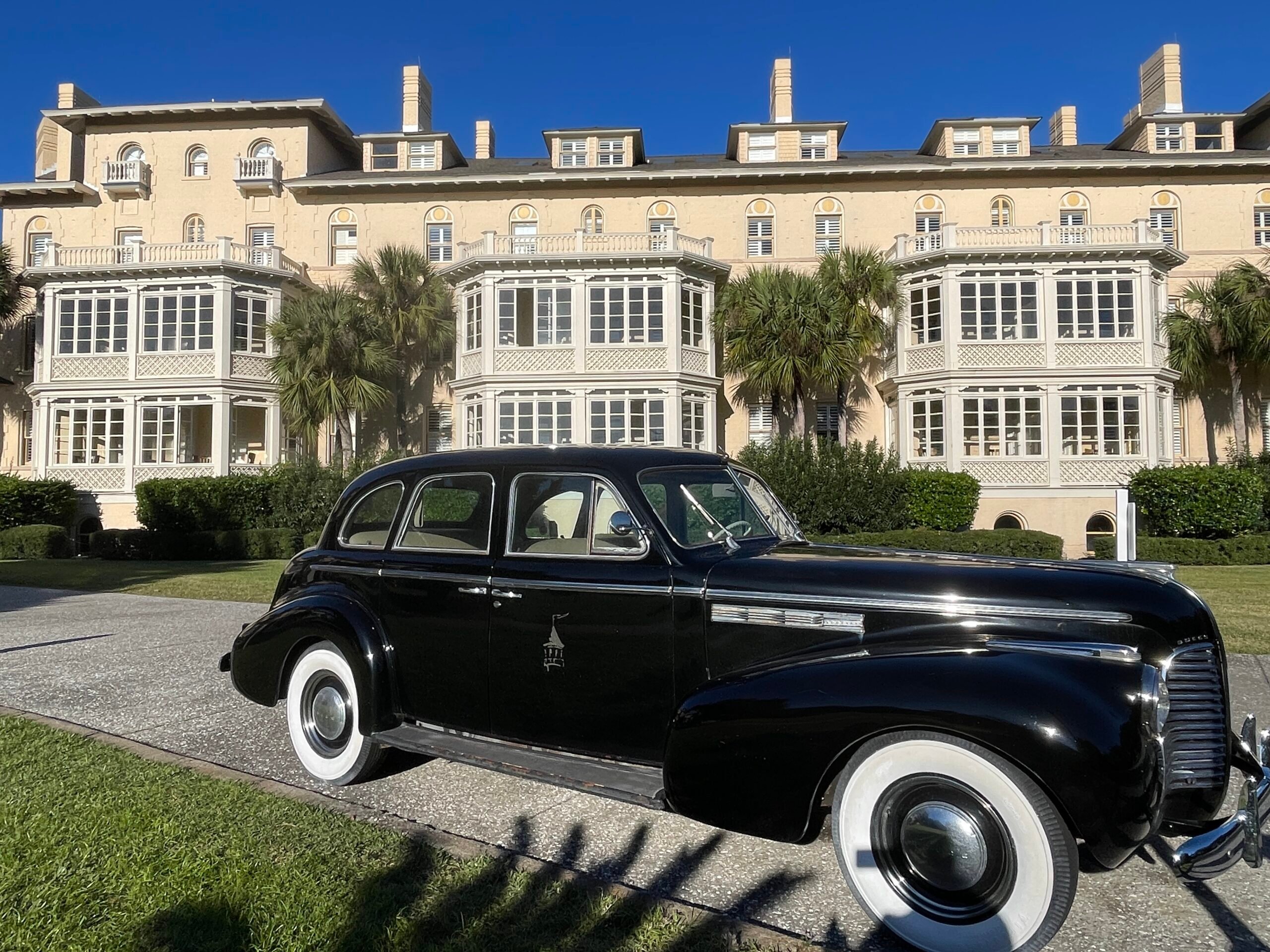
Jekyll Island doesn’t top most lists of holiday destinations, but maybe it should. Every December, the former Gilded Age retreat along Georgia’s coast transforms into a Southern-style winter escape. Live oaks are strung with lights, historic cottages are wrapped in garlands, and the old clubhouse lawn holds a towering Christmas tree. On the surface, it’s festive and charming. But what sets Jekyll Island apart isn’t just the decorations—it’s the weight of history beneath the surface.

Staying in one of Rio’s favelas requires more thought than booking a room with a view. Learn how community-led tourism works, what current safety advisories say and which questions travelers should ask before visiting.

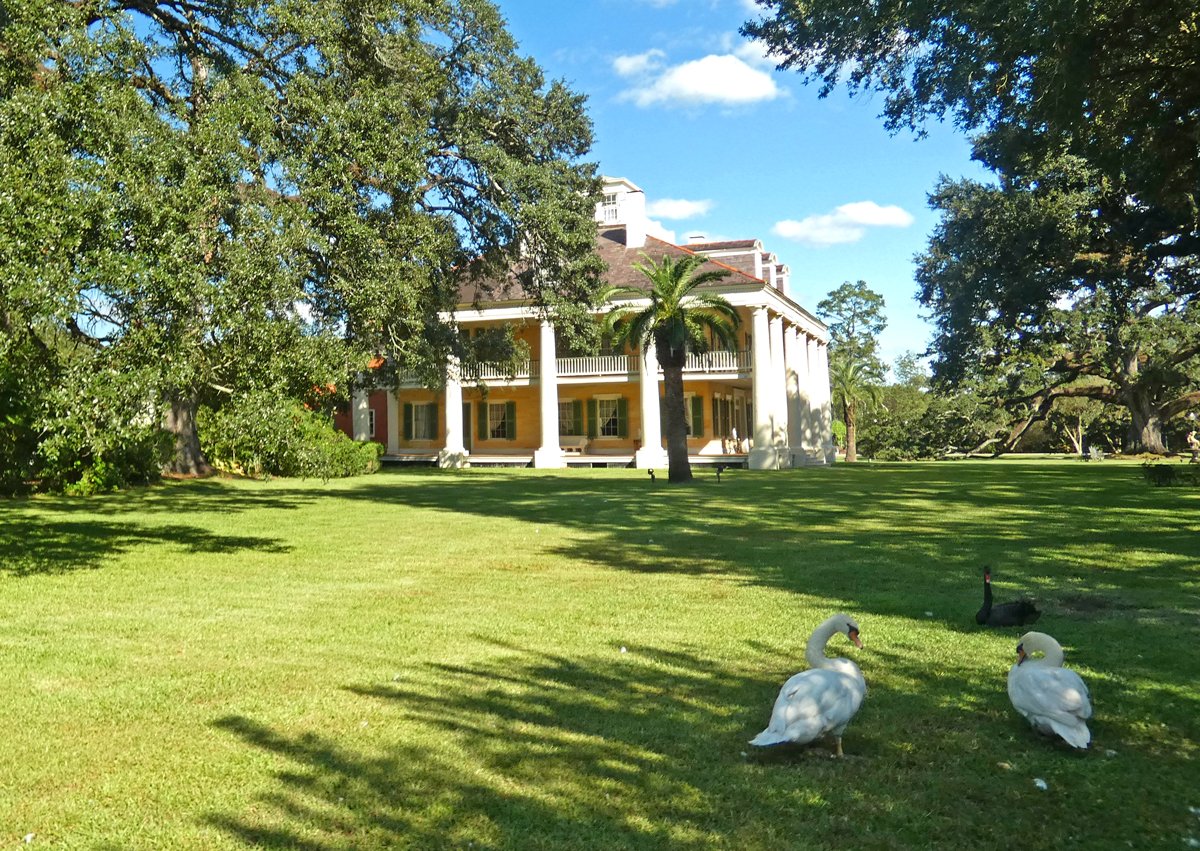
Houmas House sits gracefully along a bend of the Mississippi River, on land once inhabited by the Houmas Indians. Over thousands of years, the river shaped this area with fertile soil, transforming it into one of the South’s most productive agricultural regions. By the late 1700s, European settlers recognized the land’s potential. They began transforming it into a thriving plantation, launching an era of sugarcane farming that would become central to the property’s history.

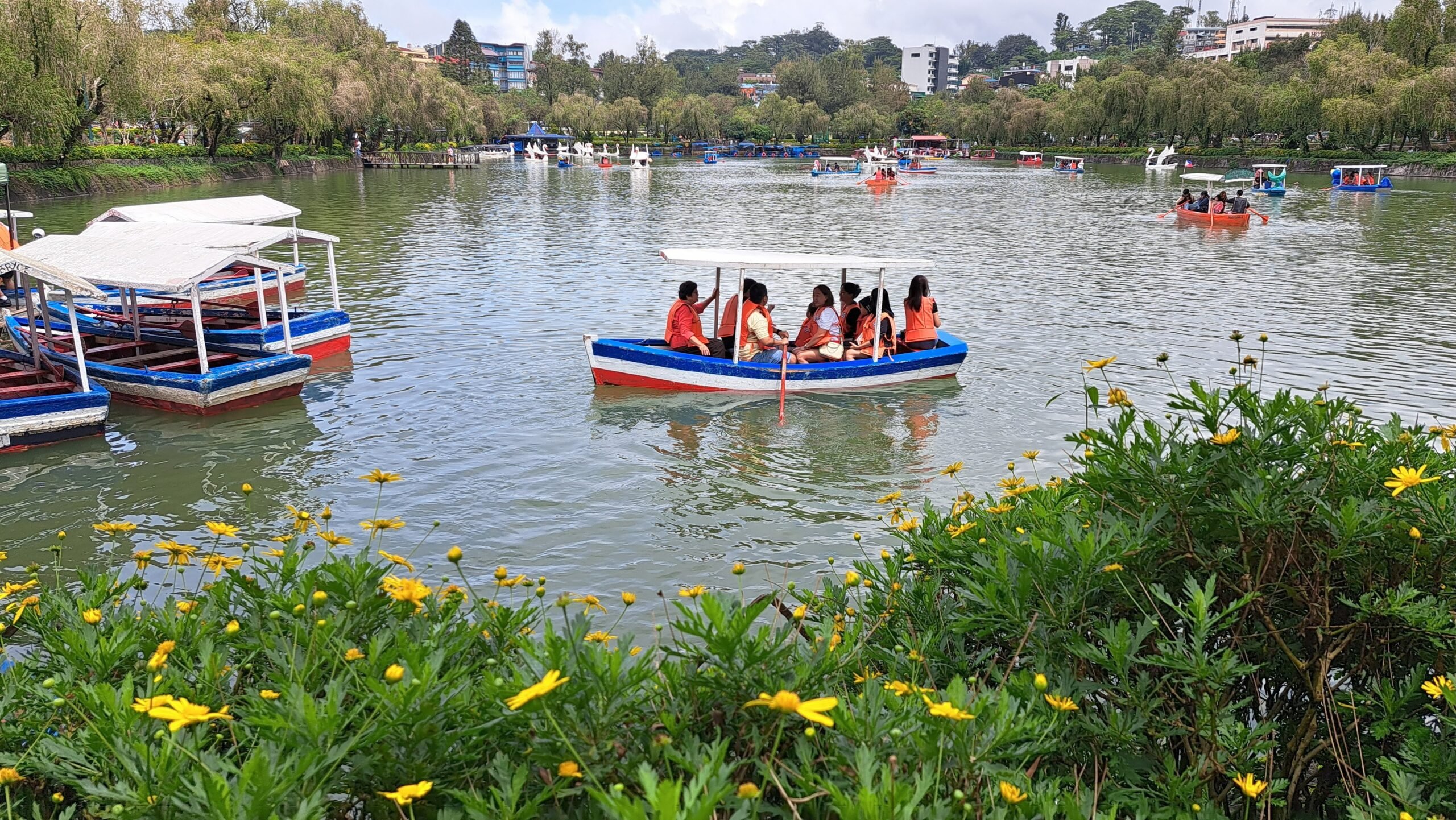
Baguio is a mountain town located on the pine-dotted plateau of the Cordillera Administrative Region in northern Luzon, Philippines. I took a weekend jaunt to Baguio from Manila. After nearly six hours northbound, the bus started ascending through the mountain loops. Outside my bus window, the sun-drenched plains reeled away into ranks of tapering pines, and the sweltering heat dissipated into cooler mountain air.