
Articles

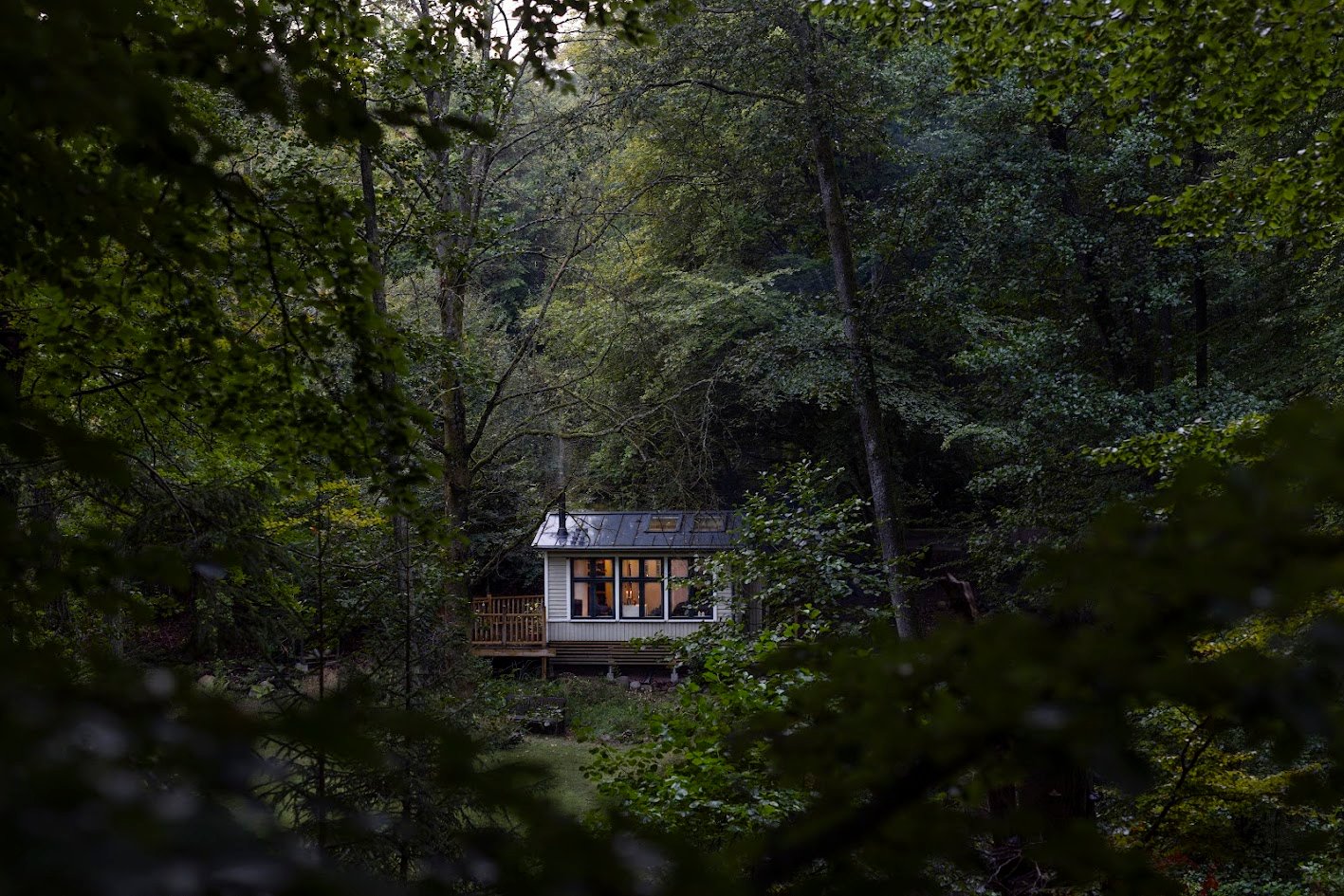
You get an invitation to stay free in a secluded forest cabin in Sweden. Ecstatic, you pack, follow the instructions, and arrive at the cabin. From the outside, it looks like any other cabin that promises a homey stay. But as you enter, you become conscious of your every move. You tiptoe carefully, doing your best to keep the floor from creaking. Every word comes out of your mouth hushed down to a whisper. In the kitchen, your coffee mug slips from your cold hand, heading straight for the floor. But you are quick enough to snatch it just in time — tragedy averted. The setting is almost like the Hollywood hit A Quiet Place, except you are not dodging a human-snatching monster. What you are dealing with is a decibel meter tucked into a secret corner of the cabin, listening to every sound you make. Just when you think [...]

The legendary Rougarou roams the wetlands of Louisiana. A normal-looking person by day but by moonlight he becomes a terrifying werewolf. The ancient legend was brought to Louisiana by the French settlers and added to by the Acadian Canadians, today known as Cajuns, who were exiled from Canada in the 1750s.

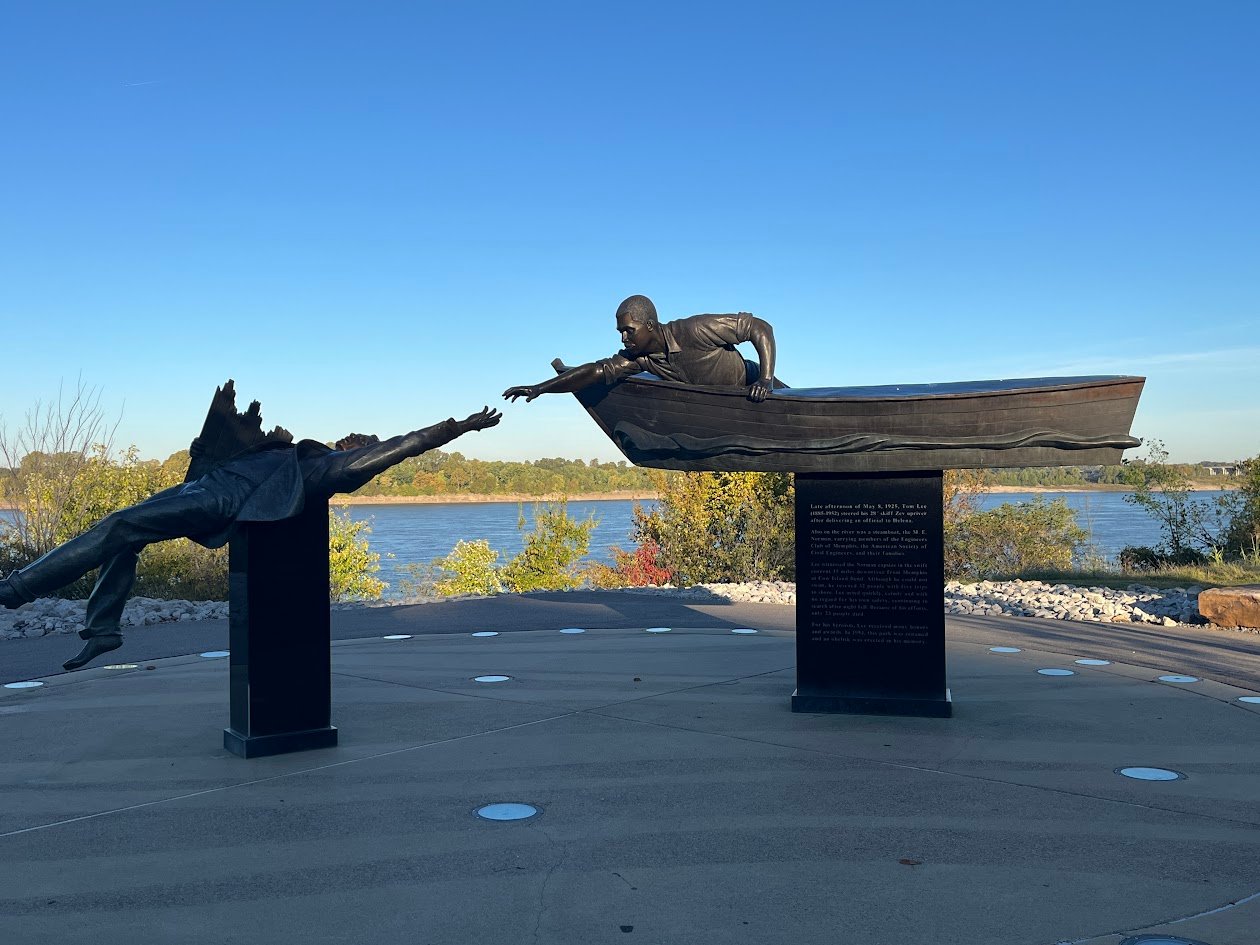
So many places in Tom Lee Park beckon me to linger. Adirondack chairs overlook the river, hammocks are nestled in the trees, and native plants are arranged in inviting gardens. Reopened in 2023 after a $61 million redesign, this large urban park in Memphis pays tribute to local Black hero Tom Lee, who rescued 32 white passengers from the Mississippi River in 1925 when their steamship capsized.

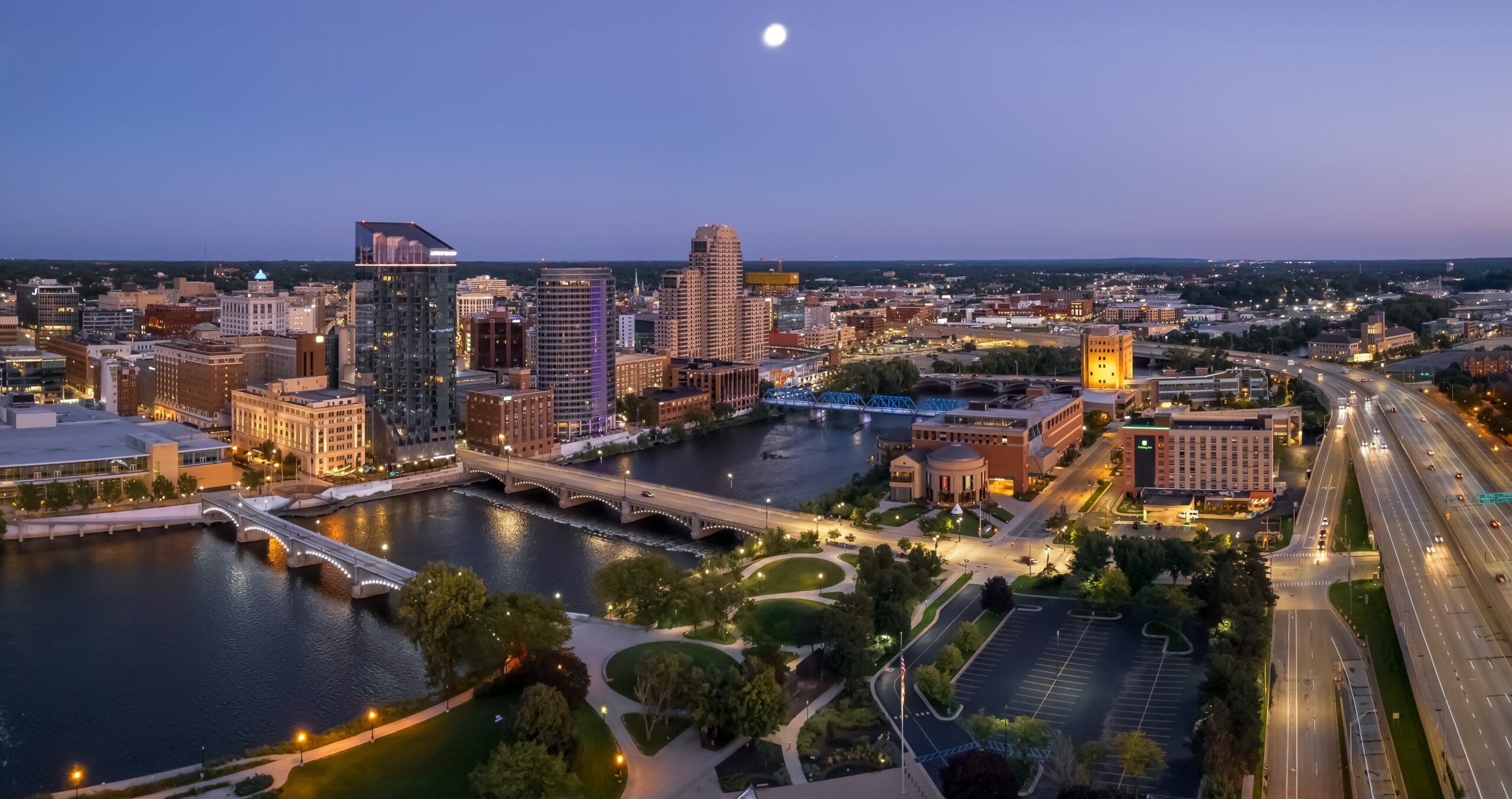
In my life as a globetrotter, I have missed large swaths of my own country, including much of the upper Midwest. Grand Rapids, Michigan, gave me an opportunity to discover something new. And it was a pure delight.

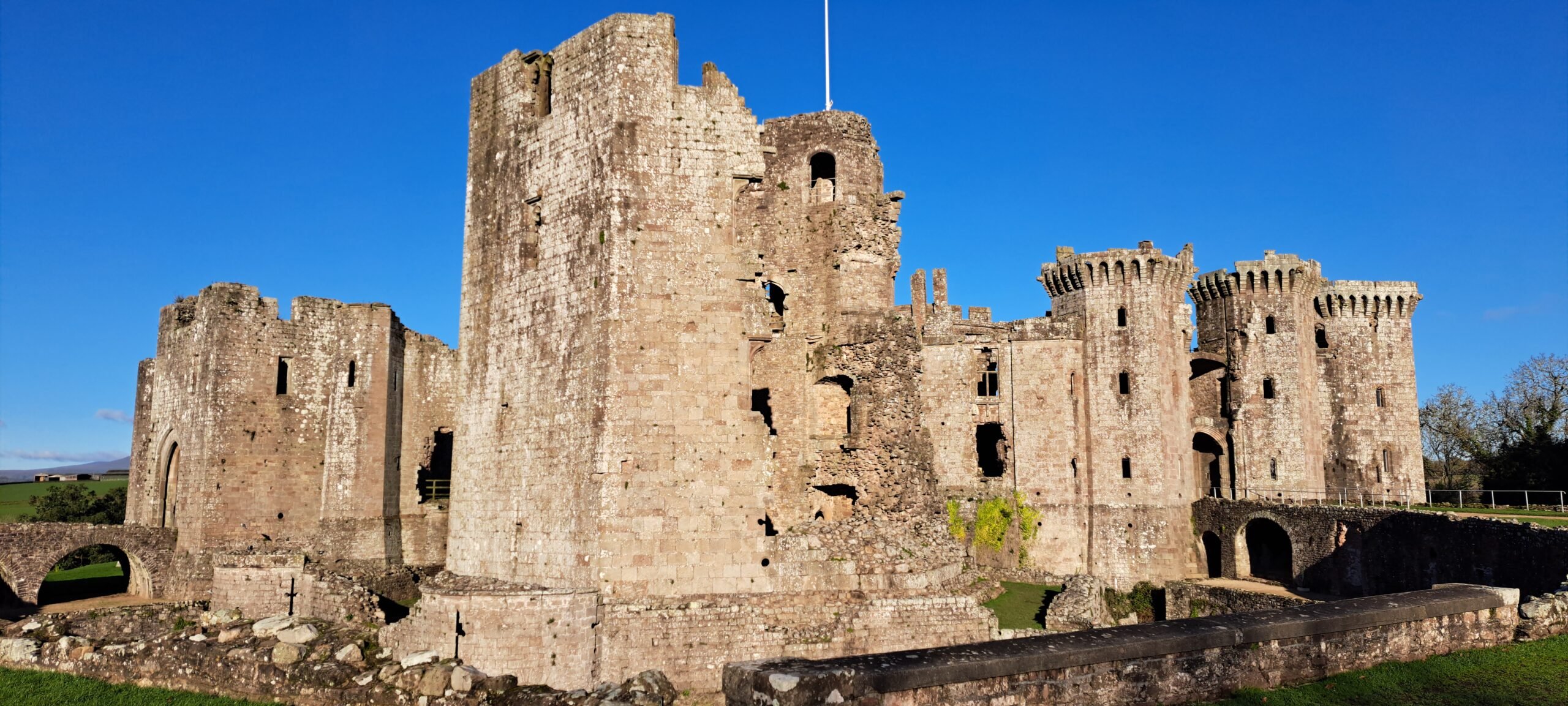
Wales reminds you to unfold your days–and life–like a map, understanding we can’t always refold them the same way. In this corner of the UK, the ever-present ancient structures and modern culinary delights are a vacation in themselves. Bilingual Wales (Welsh and English) has the most castles per square mile in the world, excluding the ubiquitous castle-like churches. Its population of three million people thrives in a vastly diverse landscape the size of New Jersey. Nearly everything fun you can do here is accessible by public footpaths that explore spectacular stretches of coastline, forests, intimate villages, and the world-class city of Cardiff. This place isn’t just a feast for the eyes; it’s a land of feasts.

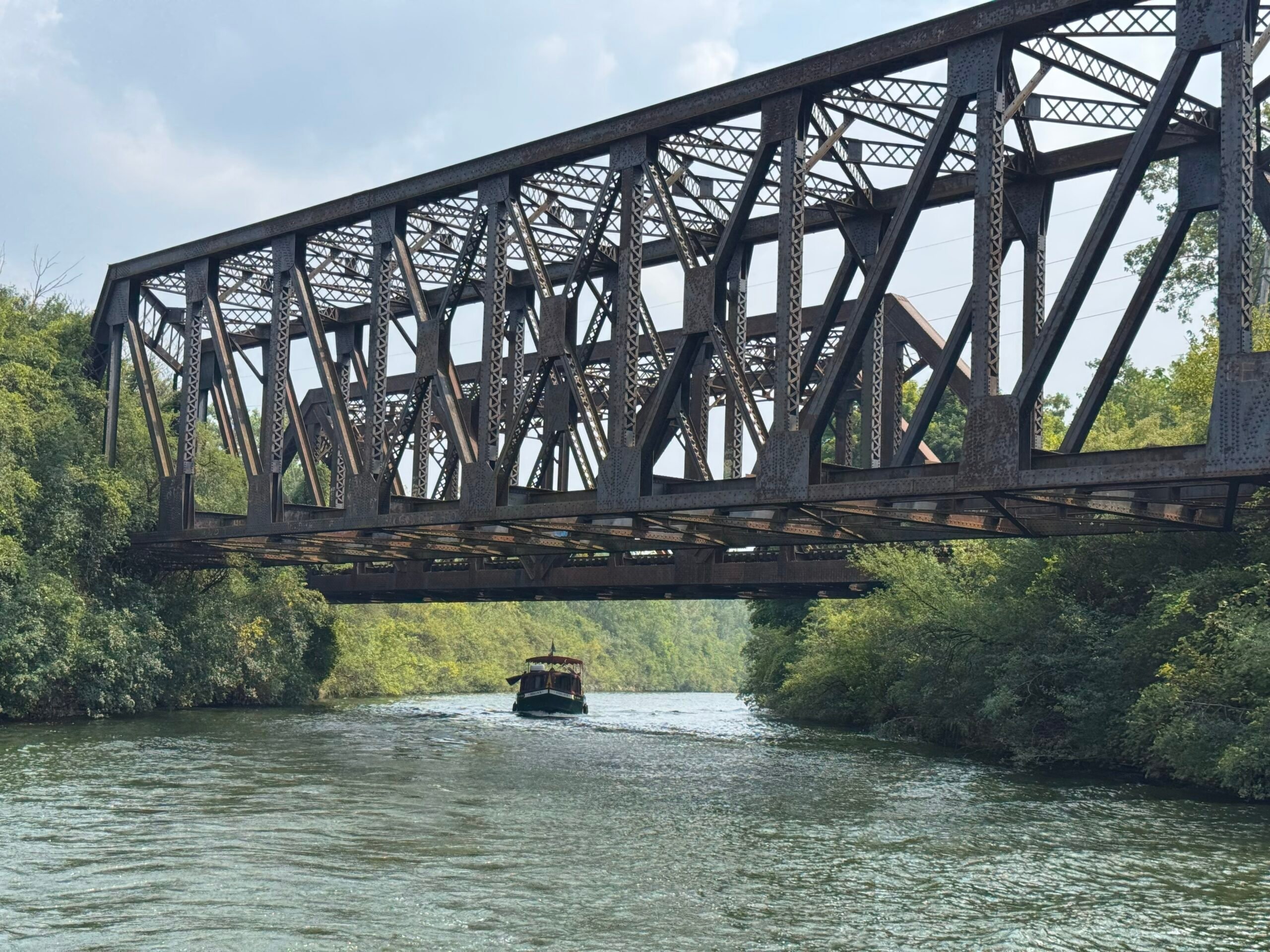
When my friend, Erik, first floated the idea of a self-piloted voyage along the Erie Canal, I did the math. From my apartment in Rochester, New York, I can drive west to the town of Spencerport in 21 minutes, 17 should the traffic lights cooperate. If heading east, I can make it to Pittsford in ten, though I usually stop at Wegmans en route, which tacks on another 30. The village of Fairport, meanwhile, requires 25 minutes behind the wheel—practically a road trip by Western New York standards.

It is 5:30 in the morning. Shawn leaves his home on a bike, pedaling toward a horizon painted in dusky orange, just minutes before sunrise. The only sound that awakens the silence comes from the soft clinking of the bike chain. He steers the handlebars toward a trailhead where his group of fellow walkers awaits. Every Saturday, the group meets to explore Dili, the capital of Timor-Leste, on foot. A group made up of foreigners and locals, they share one thing in common: the love of being outdoors and building community. They call themselves “Dili Saturday Walkers.”

As the world bids farewell to the old year and welcomes the new with the chime of midnight on New Year's Eve, a global tapestry of hope, resolutions, and a collective fondness for age-old culinary traditions unfolds on New Year's Day. These are traditions that both me and Ian have grown up with and ones that continue to this day in the homes of my family members and ours.

Today, while most countries continue to honor New Year's Day on January 1st, each country's traditions couldn't be more different.

When we hear mention of Harpers Ferry, John Brown’s raid to create a slave rebellion typically comes to mind. But Harpers Ferry's history is much deeper and full of surprises. The Union troops who captured Brown, leading to his hanging and eventually the Civil War, were led by US Army Colonel Robert E. Lee, who brought 86 marines and a young West Point lieutenant, James Ewell Brown Stuart, nicknamed “Jeb.”