
United States

Flags of the United States line both side of a road.
“The diversity of America is a strength of the country, and I don’t think that we use that. We don’t talk about our strengths. I mean, having so many diverse people in this country from all aspects of all over the world, and we don’t use that. I think we should talk about who we are – that melting pot that we’ve become.”
–Steve Stoute
The lyrics in the anthem America the Beautiful expresses it best–the United States of America really is beautiful.
O beautiful for spacious skies…For amber waves of grain…For purple mountain majesties…Above the fruited plain!…America! America!…God shed His grace on thee…And crown thy good with brotherhood…From sea to shining sea!
The United States really is a beautiful and wonderfully diverse country. When you travel to each of the 50 States and even within each State you will feel as if you’re traveling to another country.
The United States is a country built by immigrants and each corner of this country is influenced by a variety of cultural diasporas including former enslaved people from Africa and the West Indies. Even traces of Native American culture can be found despite earlier efforts to erase them from the narratives of American history.
The United States has not always been the land of the free but it has always been the home of the brave.
As Paul Tsongas said, “America is hope. It is compassion. It is excellence. It is valor.”

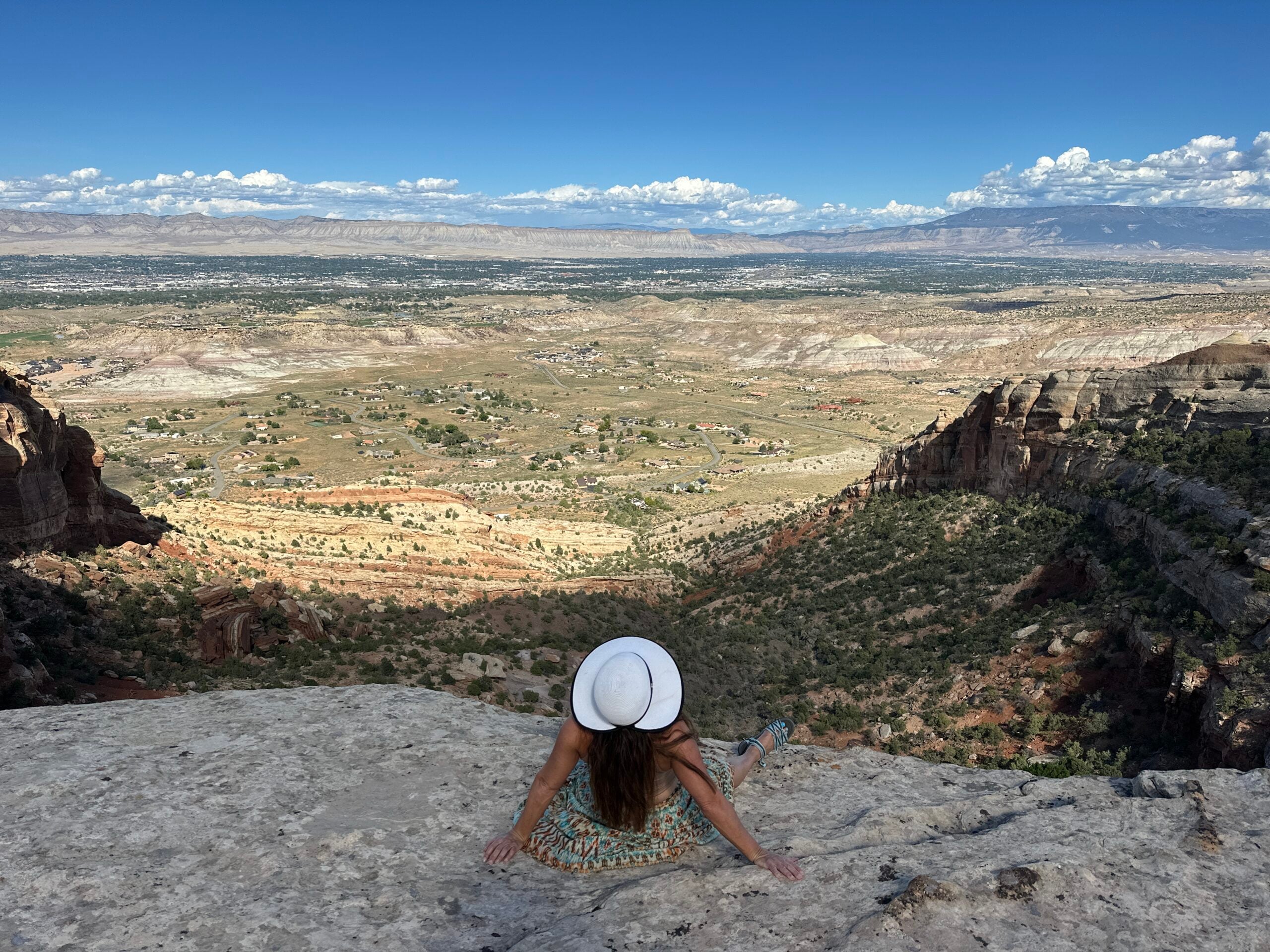
Aaron Kellum gestured toward the Colorado River sliding past the banks of Camp Eddy, a collection of vintage Airstreams and custom tiny homes perched on the water's edge in Grand Junction, Colorado. The general manager and former raft guide could have been describing the whole Western Slope when he said, "To be in a place where we get to share that with other people is something I'm never going to take for granted."

Meet The Travel Doctor . Broken bones. Skin rashes. Travelers diarrhea. COVID and… There are many accidents, illnesses and medical mishaps that happen when we’re traveling and now we have COVID to add to the list. So what should travelers do to remain healthy and safe? Get expert travel health advice from Dr. Yvette McQueen on staying safe, preventing illness, and navigating travel in a post-COVID world.

In 1917, a group of women was forcibly shoved into freezing prison “punishment” cells, brutally injured by male guards, and left to survive the night without medical treatment—simply because they wanted to vote. While many people take this privilege for granted today, the battle for women to represent themselves at the ballot box was hard-fought and hard-won—yet can still easily be taken away.

Phyllis Wilson, a retired Army veteran of 37 years and President of the Military Women’s Memorial Foundation, joins us to talk about the Memorial and two important campaigns to preserve history and honor a group of female veterans.

This is not your average hotel lobby. This is where presidents have plotted, where the Beatles hid from screaming teenagers, and where Dwight D. Eisenhower maintained his Western White House. And on this particular trip, it's where I found myself standing in the same suite where Ike once practiced his golf swing.

Women’s History Month often highlights the achievements of women from the past, which is important given the wealth of inspiring stories to tell. However, Women's History Month also presents an opportunity to celebrate women who are making history today. In Salt Lake City, Utah, you can find some of these remarkable women in the Maven District.

I’m honored to write about Lady Bird Johnson, a woman whose vision still shapes the city I call home — Austin, Texas. I live just a few miles from the Lady Bird Johnson Wildflower Center, and I go often. In every season, something is blooming. It feels less like a formal garden, and more like an ongoing conversation she began decades ago, one that Austin is still answering.

Step into Fat Harold’s Beach Club in North Myrtle Beach, South Carolina, and you’ll know you’re in a special place For decades, Fat Harold’s has served as a gathering place for DJs, beach music lovers, and dancers, specifically, Shag dancers. With its smooth glide and intricate six-count footwork, the Carolina Shag became a defining symbol of Southern beach culture. But there’s more to the Shag story than the footwork. It’s a story that, despite segregation, centered around the Black community whose music and cultural innovation gave the dance its beloved rhythm and soul.

Built in 1782, Destrehan Plantation is the oldest documented plantation still surviving in the Mississippi River Valley. I visited this living history museum and loved that they recognized, not only the story of the owners, but also stories of the over 200 enslaved men, women, and children of West African descent who worked on the plantation.

In this second episode of our interview with Keith Stokes, advisor to the Rhode Island Black Heritage Society, we continue learning about Newport's underrepresented history during our walk through God’s Little Acre.

While millions of passengers race through Sea-Tac each year, eyes fixed on departure screens and connection times, an entire destination hides in plain sight just beyond the terminal walls. Seattle Southside encompasses the communities of SeaTac, Des Moines, Tukwila, and Burien. Together, they offer a place where immigrant communities have built one of the most authentic international food scenes on the West Coast. Here, protected wetlands and botanical gardens thrive in the shadow of runways. And luxury lodges feel like wilderness retreats despite their proximity to baggage claim. It's a destination that rewards the curious traveler willing to resist the pull of downtown Seattle, at least for a day or two.

Visiting West Maui isn’t about racing from beach to beach — though Kapalua Bay, one of America’s best beaches, is a must-see. Here, time slows. Mornings drift over ocean views. Afternoons are spent connecting with locals, and evenings invite reflection under sunset skies. Staying longer uncovers the island's heartbeat — its families, crafts, and traditions — while thoughtful travel leaves a lasting mark on both visitors and the community.