
History
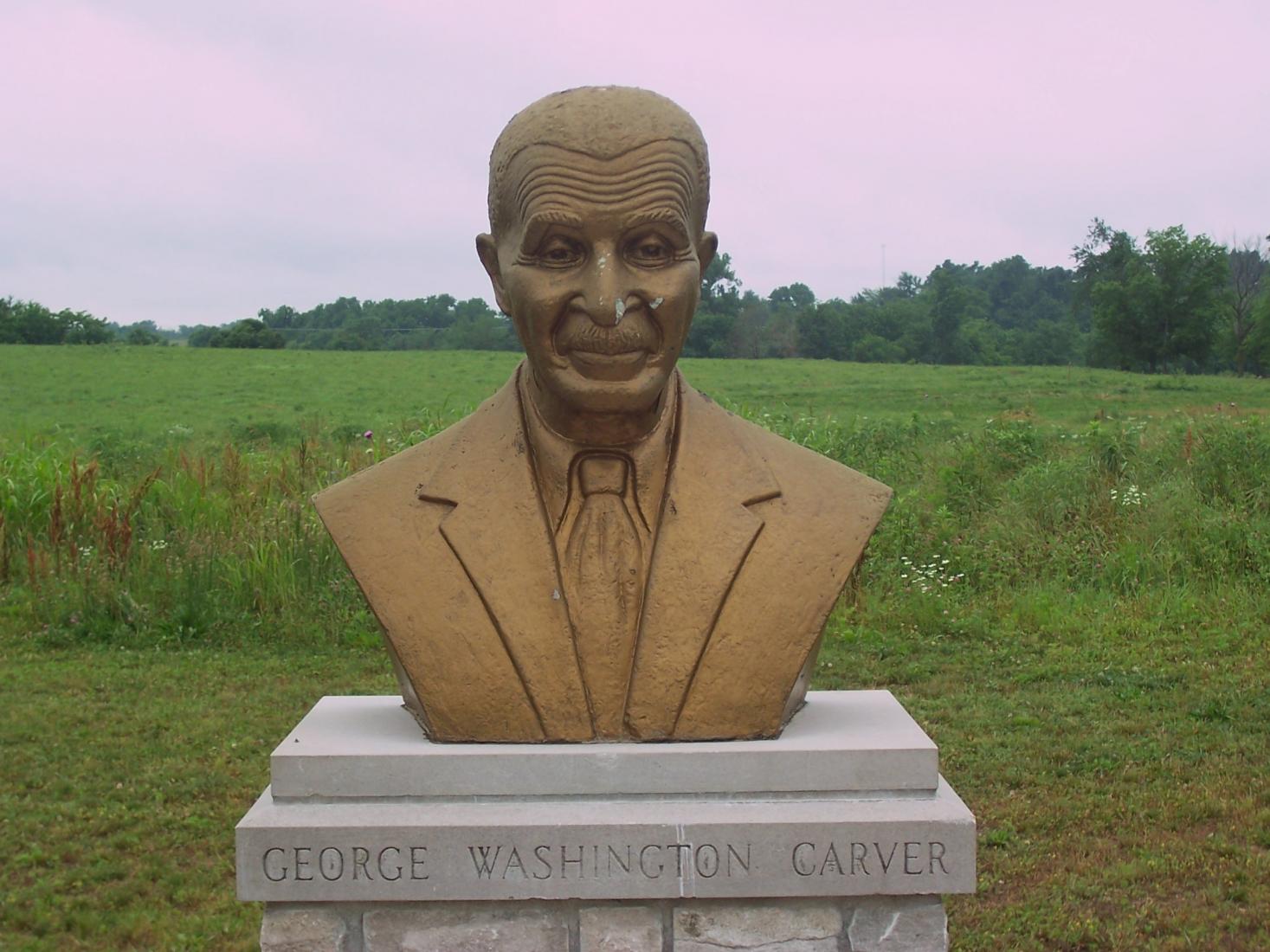
George Washington Carver statute. Photo: Tonya Fitzpatrick
“A traveler without observation is a bird without wings.”
— Moslih Eddin Saadi
No matter where you go, every place has a story and historical travel unpacks those stories.
From great struggles against oppressive forces to human ingenuity, the people and the places who have defined significant eras in human history move many to travel see where history was made. Travel through the historical places, see and observe what was then and how things are now. Every place has evolved over ages and become what it is today , hence you must visit history to understand the struggles and changes that came through with time.
Being able to walk where history was made, seeing the places that shaped legendary figures or experiencing life as our ancestors did, historical travel allows history to come to life in ways that transcend a history book.

Located within the Shiloh National Military Park, the Corinth Civil War Interpretive Center tells the story of the railroads that crossed in Corinth and led to two Civil War battles for control that were some of the bloodiest ever fought.

Vancouver you're on fire!!! On June 13, 1886, the newly incorporated city of Vancouver, British Columbia nearly burned to the ground. Officials attempted to clear brush with a controlled fire between Main and Cambie streets. However, during the controlled burn a strong wind arose off the Pacific Ocean and it fanned the flames out of control. That almost almost burned the entire city to the ground.

Born on June 11, 1910, in Saint-André-de-Cubzac, Gironde, Jacques Cousteau was a French naval officer who became one of the world's greatest explorers, ecologists, filmmakers and scientists. His passion was the oceans of the world and the sea life in them, and he co-developed the modern SCUBA tank and regulator, making underwater exploration accessible to scientists and the masses alike. Jacques Cousteau liked to call himself an "oceanographic technician". He was, in reality, a sophisticated showman, teacher, and lover of nature. His work permitted many people to explore the resources of the oceans.

On this day in history, more than 160,000 Allied troops landed on the beaches in Normandy, France marking a critical turning point in World War II. Gen. Dwight D. Eisenhower called the operation a crusade in which, “we will accept nothing less than full victory.”

Big Ben, the tower clock in St. Stephen's Tower that looks out over the Houses of Parliament in Westminster, London began keeping time on May 31, 1859. Designed by Edmund Beckett Denison, the clock was completed in 1854. Five years later, the tower was finished. The name "Big Ben" is of uncertain origin. The clock is highly accurate and regulated by a stack of coins balancing and weighting the clock pendulum.

The Lincoln Memorial was dedicated on May 30, 1922. In 1867, only two years after his assassination, the US Congress authorized the Lincoln Monument Association to build a memorial to Lincoln. However, it was not until 1901 that the site was chosen. Former President and Chief Justice William Howard Taft dedicated the monument upon its completion in a ceremony attended by Robert Todd Lincoln, the surviving child of Lincoln.

Enjoy a transformative travel experience as we travel to North Korea, Malta, Mexico and Barbados.

On this day in history...Peter Minuit, Director-General of the Dutch New World colony of New Netherland, sought to claim a legitimate title to the land the colony desired to rule and entered into negotiations with the local Native Americans. Minuit purchased the island of Manhattan on May 24, 1626 for 60 guilders and a collection of European handicrafts and ornaments.

On this day (May 21) in 1881, Clara Barton founded the American Red Cross. Clara Barton and a circle of her acquaintances founded the ARC in Washington, D.C. on May 21, Barton first heard of the Swiss-inspired global Red Cross network while visiting Europe following the Civil War. Returning home, she campaigned for an American Red Cross and for ratification of the Geneva Convention protecting the war-injured, which the United States ratified in 1882

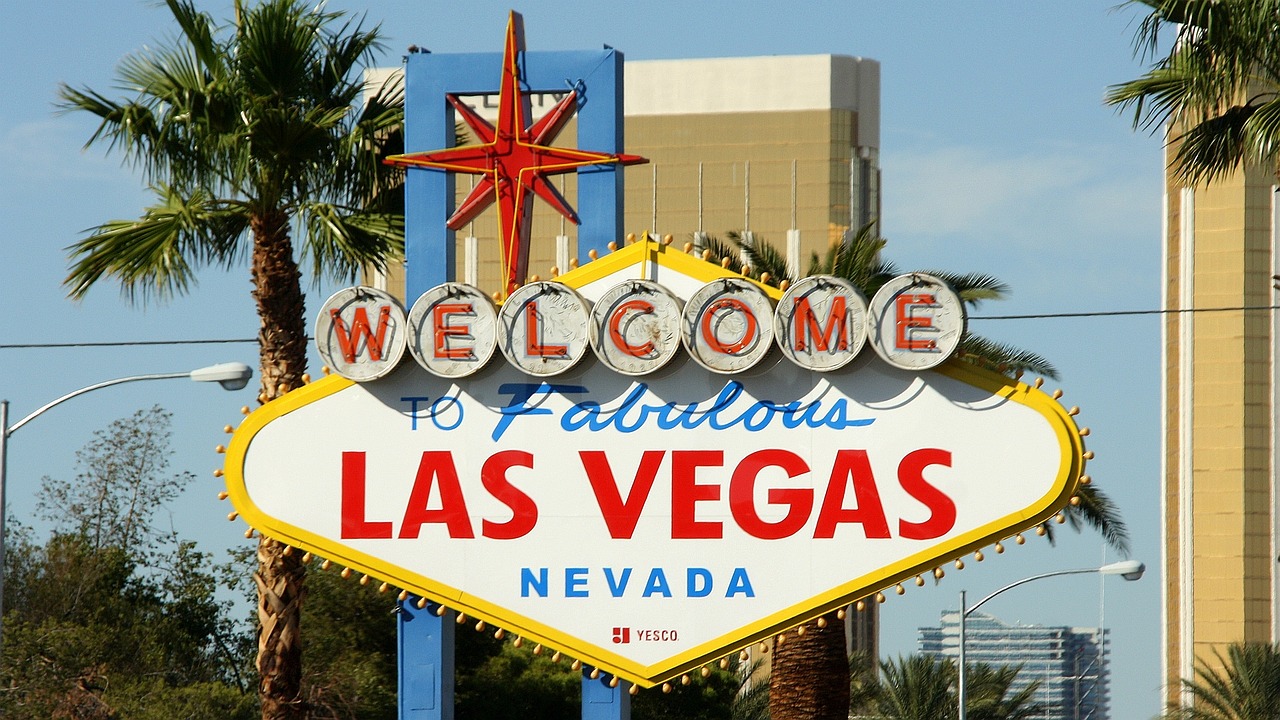
During the 19th century, Mexican explorer Antonio Armijo was forging the way from New Mexico to California . En route to Los Angeles, the group veered from the traditional path in 1829, settling 100 miles (161 kilometers) northeast of present-day Las Vegas. Rafael Rivera, along with his scouting party, rode west to find water; Rivera left the group to venture into the desert on his own, setting his eyes upon the oasis of Las Vegas Springs. The land was named Las Vegas, meaning “the meadows,” after the verdant grasses found growing in the valley.

On May 12, 1820, Florence Nightingale, the pioneer of modern nursing was born into privileged English society. From the beginning of her life, Florence felt a calling for the nursing profession and this posed a scandal with her privileged family because nursing was considered a profession for the poor and ill-educated.
Thirteen civil rights activists, dubbed "Freedom Riders," began a bus trip through the South. The first Riders left Washington, D.C., on May 4, 1961, and was scheduled to arrive in New Orleans on May 17.