

History
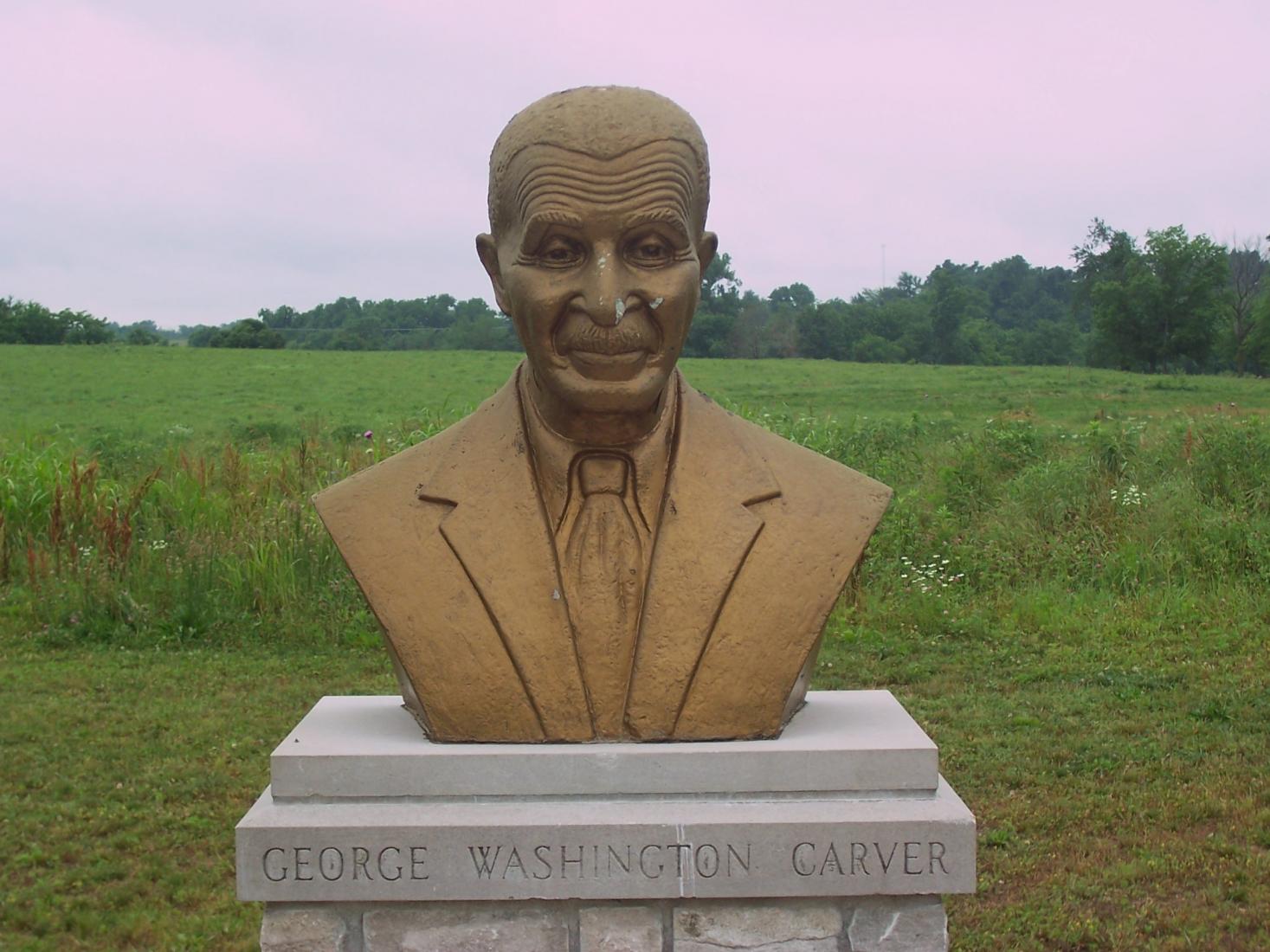
George Washington Carver statute. Photo: Tonya Fitzpatrick
“A traveler without observation is a bird without wings.”
— Moslih Eddin Saadi
No matter where you go, every place has a story and historical travel unpacks those stories.
From great struggles against oppressive forces to human ingenuity, the people and the places who have defined significant eras in human history move many to travel see where history was made. Travel through the historical places, see and observe what was then and how things are now. Every place has evolved over ages and become what it is today , hence you must visit history to understand the struggles and changes that came through with time.
Being able to walk where history was made, seeing the places that shaped legendary figures or experiencing life as our ancestors did, historical travel allows history to come to life in ways that transcend a history book.

One of my all-time favorite quotes reads, “Well behaved women rarely make history!” The women in this article didn’t necessarily behave badly. But they certainly stepped out of their comfort zones. From a self-taught folk artist to a heroin of the Underground Railroad to a determined wife, each of these women brought something unique to the world.

The next time you watch the extravaganza that is the modern Olympic Games, consider this: It all started with a simple footrace. To history lovers like me, the Sanctuary of Olympia — the religious site used for the ancient competitions — is almost as legendary as the games. The archaeological site of ancient Olympia is rich with history and littered with intriguing ruins, making it an irresistible stop on my road trip around the Peloponnese Peninsula. To add to the fun, ancient Olympia's history reads like a Hollywood script — full of drama, parties, and even one of the Seven Wonders of the Ancient World. Even in its ruined state, the site inspires awe.

March is Women’s History Month. Celebrated in the UK, the USA, and Australia to coincide with International Women’s Day on March 8th, this month highlights the contributions women have made to events in history and contemporary society.

This may seem a little strange but Women’s History Month always has me thinking about travelling to Malta. It is the birthplace of my grandmother; my mother’s mother. Like many women in my family, Malta is small but feisty. And again like my family, it is filled with stories about strong women and great respect.

New Orleans has been the backdrop of many dark chapters in American history, but perhaps none so shocking as the slave rebellion of 1811. We will explore the history of America's largest slave revolt with author Daniel Rasmussen who organized his research in his book, American Uprising: The Untold Story About America's Largest Slave Revolt.

Yolanda ‘Yollie’ Copeland is a woman with a mission. The retired sheriff’s deputy, who moved to Jacksonville, Florida in 2013, is committed to making sure that the city’s rich Black history isn’t erased. She does it by tooling around town in an advertising-covered, low-speed electric vehicle, wearing a bright yellow shirt, shoes, and hat, and sharing her love for the area and the people who shaped it.

JEconomy Hall is an important institution in New Orleans that speaks about hidden history of free black brotherhood. If author Fatima Shaik’s father had not rescued the records and books from early Economy Hall meetings that lay in a dumpster, we may not have known of the hidden history of free Black people in New Orleans.

There’s no denying John Ware lived a legend-worthy life. Born into slavery in the American South, he rose far above his humble beginnings to become a Black cowboy with a successful career as a rancher in the Canadian province of Alberta. Throughout his journey, Ware faced racism, prejudice, and the numerous challenges that came from a white-dominated industry. John Ware overcame those obstacles as he managed thousands of cattle and horses for highly successful ranches, ultimately developing a ranch of his own. His renowned skills and experience in the industry, along with his remarkable character, earned him a solid place among the legends of the Canadian West.

One of the best aspects of travel is stumbling on interesting stories. I discovered one highlighting Native American history during a photography tour of Antelope Canyon X with Taadidiin Tours. Antelope Canyon X is one of several slot canyons that inspire millions to visit the Navajo Nation near Page, Arizona, each year.

Imagine a communal farm founded in 1942, where sustainability is put over profit and a Christian community that welcomes all people of any, or no faith, to join their community. I recently visited Koinonia Farm in Americus, Georgia, and discovered a way of life I thought died in the 19th century.
On April 4, 1968, Dr. Martin Luther King, Jr. was assassinated as he stood on the balcony of the Lorraine Motel in Memphis, TN. Now the home of the National Civil Rights Museum, this historic structure not only immortalizes this unforgettable moment in time but showcases more than 400 years of African American history.

Marrakech is one of the most exotic and enchanting places in the world. Although Marrakech is not the capital of Morocco, this vibrant city's appeal never fails to entice tourists from around the world to come and visit. If you're seeking the ultimate Moroccan experience and Marrakech red city is on your bucket list, keep reading to learn more about this amazing destination.


