

History
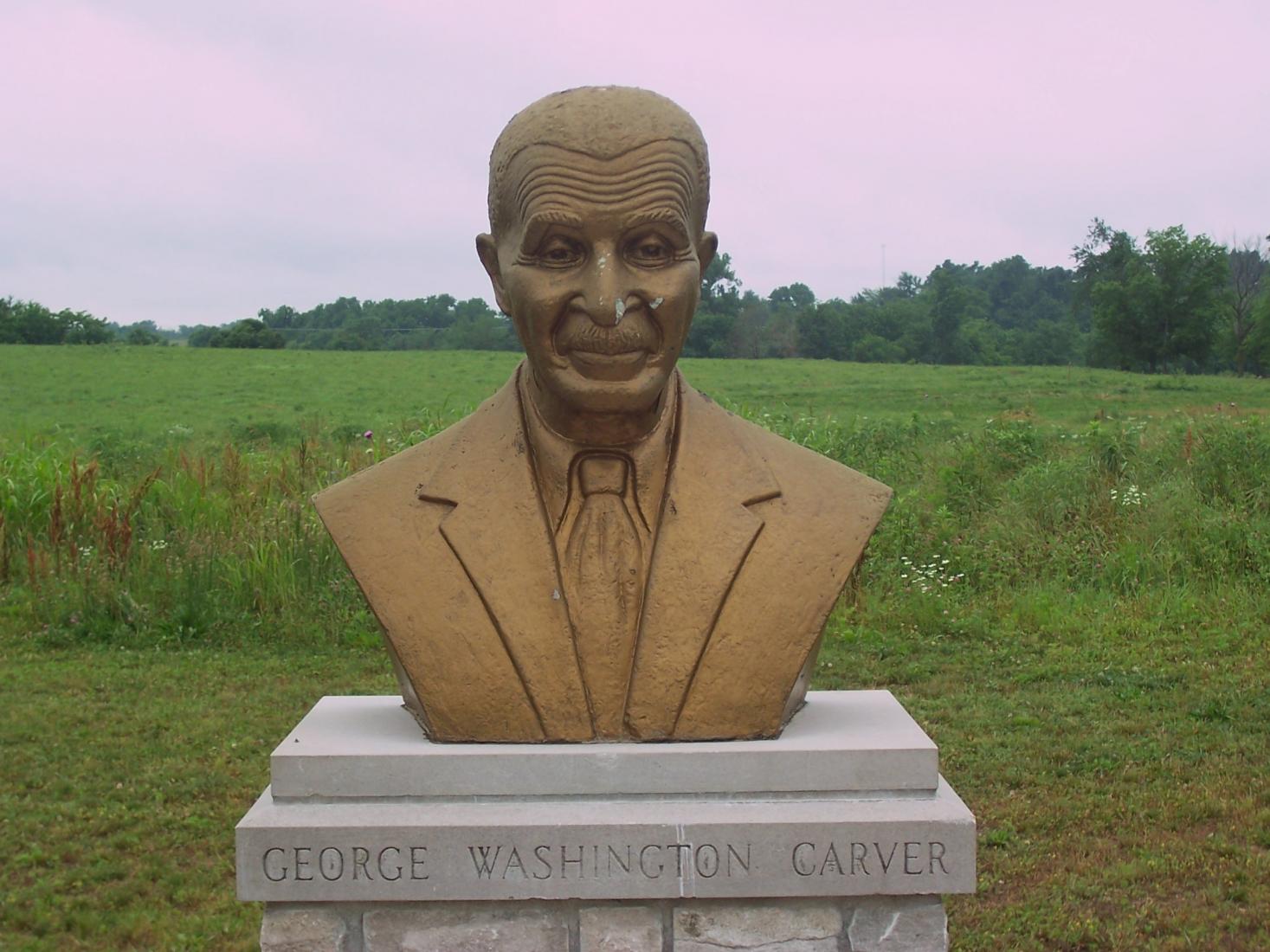
George Washington Carver statute. Photo: Tonya Fitzpatrick
“A traveler without observation is a bird without wings.”
— Moslih Eddin Saadi
No matter where you go, every place has a story and historical travel unpacks those stories.
From great struggles against oppressive forces to human ingenuity, the people and the places who have defined significant eras in human history move many to travel see where history was made. Travel through the historical places, see and observe what was then and how things are now. Every place has evolved over ages and become what it is today , hence you must visit history to understand the struggles and changes that came through with time.
Being able to walk where history was made, seeing the places that shaped legendary figures or experiencing life as our ancestors did, historical travel allows history to come to life in ways that transcend a history book.

Two and a half centuries later, Murshidabad lies half-forgotten, 215 kilometres from Calcutta, cocooned in its glorious past, waiting for its distinct heritage trail to be rediscovered and restored.

Situated in the valley below three surrounding mountains, Lookout, Raccoon and Signal, Chattanooga’s natural beauty speaks for itself.

Montgomery was the spark that lit the fuse on the long-simmering fight by African Americans for their civil rights. It began a movement that is still ongoing today.

This episode was recorded on location in Pulaski, Tennessee. Miss Sims shares stories of resilience and transformation, turning her advocacy into a lasting legacy. The Resurrection of Valor statue is a symbol of strength, unity, and courage, reshaping how this town—and the nation—remembers its history.

In this powerful episode of World Footprints, Tonya and Ian Fitzpatrick take listeners on a deeply personal and historic journey to Pulaski, Tennessee—a town known as the birthplace of the Ku Klux Klan but now undergoing a transformation. Their guest, Miss Vivian Leigh Battle Sims (96), an educator, artist, and community leader, has dedicated her life to uplifting the stories of marginalized voices, including the unsung Black Union soldiers who fought bravely during the Civil War.

The husband and wife duo behind this Tennessee-based distillery are redefining whiskey, community, and the legacy of Uncle Nearest one sip at a time.
...if you find your way east of Phoenix and approach the small town of Apache Junction, the city lights melt away and the mountains rise to meet you. As cacti replace streetlights and horses replace sports cars, you might wonder if you’ve stepped back into the Wild West.

The surprising southern town of Aiken, South Carolina’s intriguing history includes Native American culture, defining Civil War battles, and a railroad, once considered the world’s longest, that arrived here from coastal Charleston in 1833. After the Civil War, Aiken became a magnet for wealthy northerners. Among them were the Whitneys and Vanderbilts—who were keen on equestrian sports. They called Aiken the “Original Winter Colony.” Southerners flocked here, too, as monied folks from the coast fled malarial areas seeking a wellness retreat. In the name of charm, they all left their mark here.

The Glenn H. Curtiss Museum in Hammondsport, New York, honors the memory of an aviation pioneer. Much more than a leader in flight, Curtiss began innovation on bicycles, leading to motorcycles and then airplanes. The museum is filled with just about every form of transportation mankind has used and tells not only Curtiss’s story but also the Hammondsport/Steuben County history of transportation.

Historic Brattonsville in South Carolina’s Olde English District is a little-known historic village with a big story. Its history began in the 1760s when three Bratton brothers settled here. The Brattons became wealthy slave owners. The village features over 30 structures, an 800 acre plantation, and a Revolutionary War battlefield site.

A picturesque four-season getaway, Manchester, Vermont (pop 4,500) typifies classic Vermont small-town charm. It possesses an edge that moves it beyond historic architecture in a beautiful mountain setting. All within close proximity, there’s way more to do here than meets the eye. You'll find luxe resort options, fine and healthy dining, wellness offerings, world-class art, beguiling American history, and a new way to interpret off-roading.

Vivian Lee Battle Sims may not be a widely known name, but her impact on Pulaski, Tennessee, is profound. At 96, this retired educator and community activist has redefined the legacy of a town once infamous as the birthplace of the Ku Klux Klan. Through her vision and personal funds, Sims commissioned the Resurrection of Valor, a statue honoring the United States Colored Troops (USCT) who fought for the Union during the Civil War.


