

History
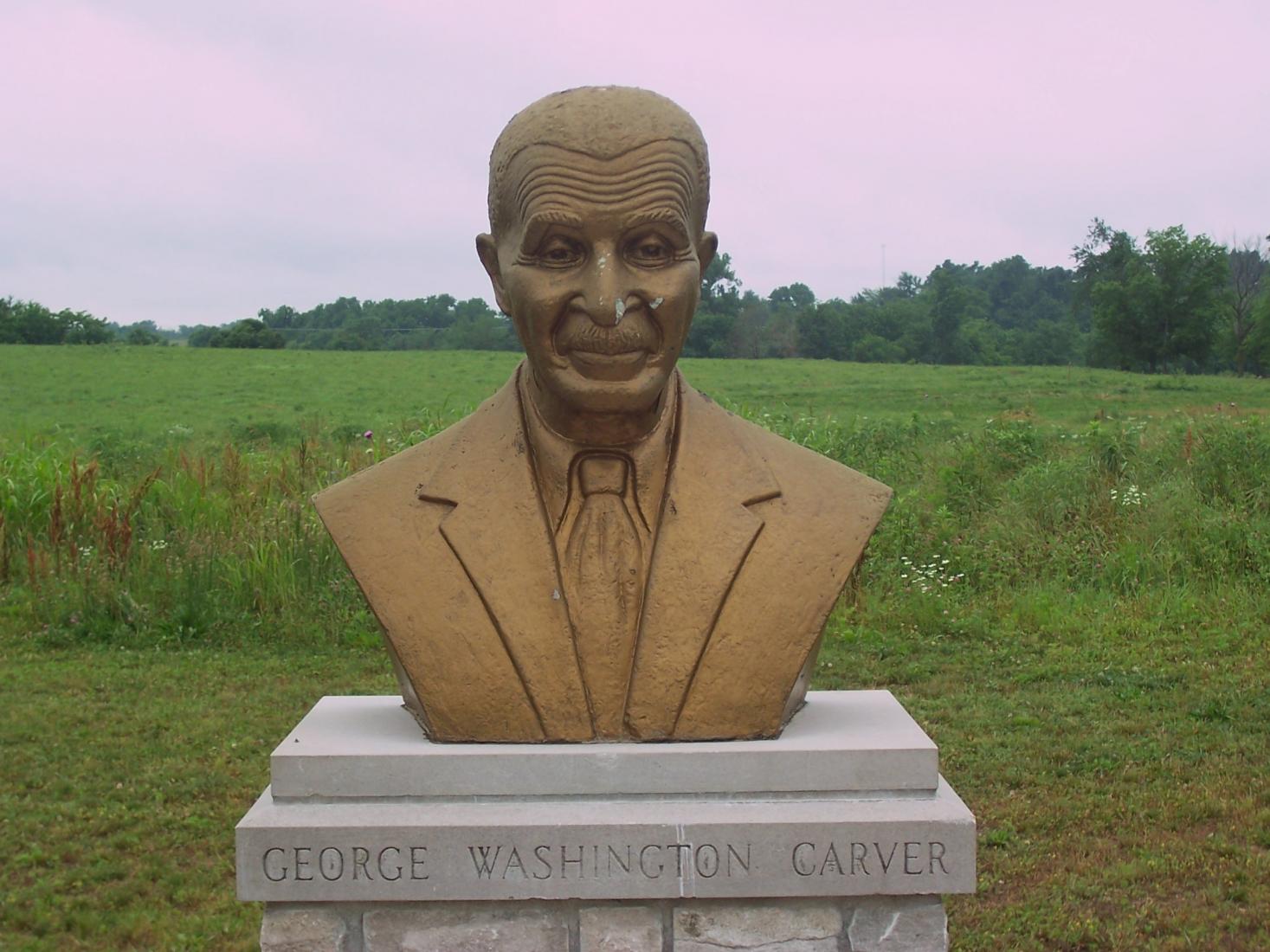
George Washington Carver statute. Photo: Tonya Fitzpatrick
“A traveler without observation is a bird without wings.”
— Moslih Eddin Saadi
No matter where you go, every place has a story and historical travel unpacks those stories.
From great struggles against oppressive forces to human ingenuity, the people and the places who have defined significant eras in human history move many to travel see where history was made. Travel through the historical places, see and observe what was then and how things are now. Every place has evolved over ages and become what it is today , hence you must visit history to understand the struggles and changes that came through with time.
Being able to walk where history was made, seeing the places that shaped legendary figures or experiencing life as our ancestors did, historical travel allows history to come to life in ways that transcend a history book.

Heidi Hill and Jessie Serfilippi from the Schuyler Mansion State Historical Site share the stories behind the stories about the Schuyler family and Alexander Hamilton.

The rich culture and heritage of the Cherokee people and the story of their forced removal from their homeland is sometimes lost amid undifferentiated accounts of indigenous people in the United States. Three stops along the Georgia section of the Trail of Tears, a National Park Service site that documents the Cherokee journey, will dispel any ignorance about their distinctive history.

Sri Lanka has emerged as the "it" destination, catering to visitors of all kind. The island nation, with its warm, welcoming people, abundant wildlife, hidden beaches, and quaint mountain hamlets, packs a hefty punch for its small size.

Entering the Dwight Eisenhower Presidential Library and Museum through the Visitors Center and Gift Shop, my tour began at the Place of Meditation. Designed as a place for veterans to meditate, this section also serves as the final resting place for Eisenhower and his beloved wife, Mamie along with their first-born son, Doug Dwight Eisenhower who died as a young child.

The tragic tale of the RMS Titanic has captivated the world like no other maritime disaster. On April 10, 1912, the Titanic set sail from Southampton, England, on its maiden voyage to New York City. Four days into the journey, at 11:40 PM on April 14, the ship struck an iceberg. In a matter of two hours and forty minutes, the unsinkable sank into the depths of the Atlantic Ocean. Nearly a century has passed, with countless books, articles, and movies like "The Unsinkable Molly Brown," "A Night to Remember," and the 1997 blockbuster "Titanic" recounting, romanticizing, and dramatizing the ship's fateful end.

On July 4th, the nation sings Happy birthday to the United States of America. This summer day is Independence Day in the US and one of the busiest travel and tourism holidays in North America. Flights coming to America and from coast to coast are full. Hotels in the top July 4th destinations are packed and restaurants are busy preparing for the influx of guests. Every city in the 50 United States celebrate the July 4th holiday with fireworks because of the importance of this day to America's history.

In the United States, the population exploded in the late 1800s and early 1900s due to massive immigration, especially in Boston and New York City. Much of the population at the time consisted of impoverished families. If one parent died, the other often could not care for the children. As a result, many of these children were put on orphan trains and sent away to be adopted or sometimes indentured by families across the country.

Juneteenth, also known as Freedom Day or Emancipation Day, is an annual holiday celebrated on June 19th to commemorate the emancipation of enslaved African Americans in the United States. With a rich and significant history, Juneteenth serves as a reminder of the struggles and triumphs of African Americans and provides an opportunity for all communities to reflect on the importance of freedom and equality.

Best known as the nation’s oldest city, the mention of St. Augustine, Florida conjures up images of a centuries-old fort, swaying palm trees, glistening beaches, the Fountain of Youth, and an abundance of fresh seafood waiting to be devoured. But there’s so much more to Florida's Historic Coast and much of that lies within the area's Black history.

In this World Footprints podcast, Tonya and Ian Fitzpatrick explore the life and times of Winston Churchill, his impact on the world and his relationship with the small town of Fulton, Missouri (MO).

Just outside the small town of Murfreesboro, Arkansas, a sign near the entrance of Ka Do Ha proclaims it as the “home of the world’s largest diamond.” I think the village itself is a precious gem. Ka Do Ha is a beautiful mix of authentic scientific knowledge and tourist attraction fun you do not want to miss.

Little Rock began making history dating back to August 24, 1818, when the Quapaw Line was drawn, creating the boundary between the Quapaw tribal lands and lands available for settlement by westward-moving Americans. The treaty referred to La Petite Roche, an outcropping of rock on the Arkansas River, by its American name, “Little Rock,” believed to be the first official use in a government document of the name. It continued to rock history into the future.


