
Global Citizenship

As 2020 comes to a close we remember the late author Nigel Watts and the eerie predictions he made about this year in his 1995 novel "Twenty Twenty". Nigel's predictions are shared through the voice of his widow, Sahera Cohen.

It’s the statement no traveller wants to hear: “Please Don’t Come Here”.

A global pandemic, travel bans, and now hurricanes — what else have you got for us, 2020?!

World Footprints stows away with travel writer and "For The Love Of Europe" and how travel is an antidote to the purposeful dumbing down of American society. We will explore Rick Steves' Europe and it will be fun to see Europe through his eyes.
Join World Footprints for an engaging conversation on race-baiting, travel, media and music with NPR TV critic Eric Deggans.
Join us for an inspiring conversation with author Janet Cheatham Bell, who has witnessed the evolution of racial equality in the United States firsthand, from the Civil Rights Movement to today's Black Lives Matter movement. Janet Cheatham Ball shares her profound insights on the progress and ongoing challenges in the fight for racial equality. Janet Cheatham Bell, mother of W. Kamau Bell, the host of CNN's "United Shades of America," also provides fascinating behind-the-scenes insights from her son's show, including her cameo appearance on the season premiere. Her unique perspective offers a deeper understanding of the current racial landscape and the power of media in shaping public discourse. "Traveling to other countries was liberating because I learned that people are the same everywhere…being human is the same everywhere and it has nothing to do with color or culture." -Janet Cheatham Bell One of the most enlightening parts of our conversation [...]

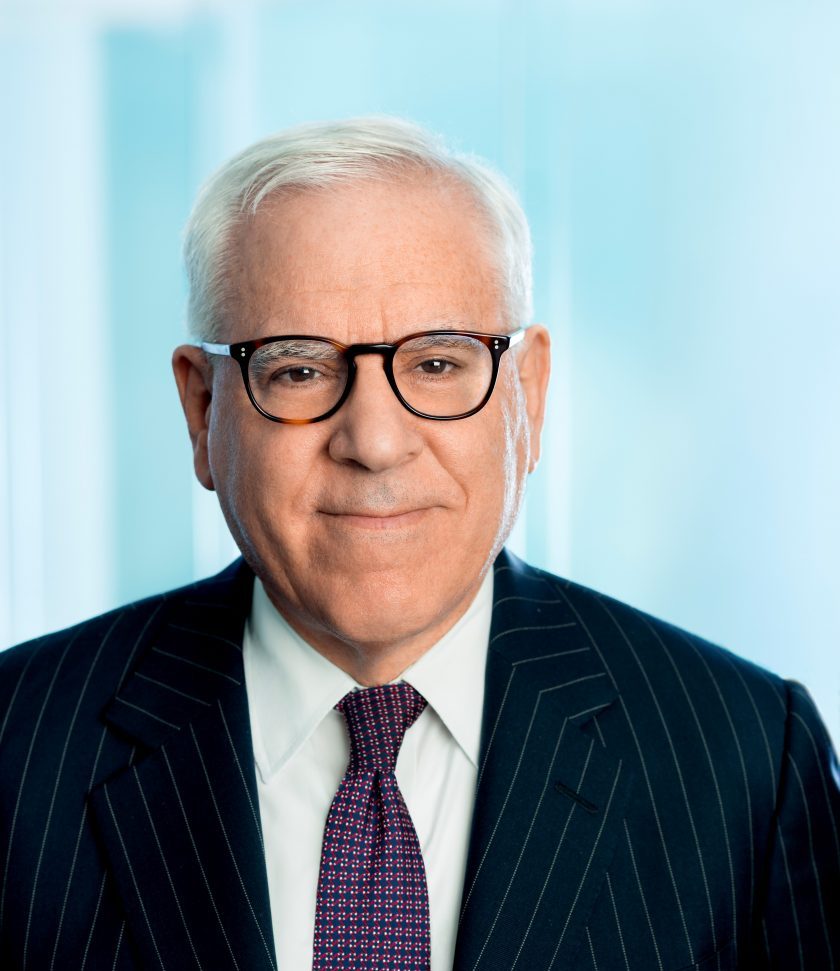
David M. Rubenstein, author of The American Story, visionary cofounder of The Carlyle Group, and host of Bloomberg TV’s The David Rubenstein Show returns to World Footprints to discuss his newest book: “How to Lead: Wisdom from the World's Greatest CEOs, Founders, and Game Changers.”
Why is it important for people of color to control their own narrative? How does preserving your story support historical truths? Ardre Orie is a publisher, social activist, and ghostwriter who helps Black men and people of color discover the power of their voice.

While many of my friends have turned to books or television documentaries, I have been exploring the world of culinary travel — but not just for cooking recipes. I found inspiration in the preservation of Indigenous food. And that has me planning my next adventure.

It is easy to think that with over 60,000 mobility restrictions imposed over the world during the pandemic, it would be more difficult for smugglers to continue operating.

The world has changed a lot in the last six months—which means we must change how we interact with it. Travel is different now. Journalism is different now.

According to the Worldwide Wildlife Foundation, the United Kingdom (UK) is one of the regions in the world where nature is diminishing. This has led to the dwindling of wildlife in the UK with several species of wildlife nearing extinction. The Bison is a species that is nearing extinction in the UK. Its closest relative, the Steppe bison which inhabited the UK West Blean woods near Canterbury, England for thousands of years is currently extinct. The bison last roamed the same woodlands 6,000 years before and now Kent Wildlife and Wildwood Trusts are on the verge of bringing the bison back to the woods. Human activities on earth are responsible for the depletion of natural resources and nature. Efforts should, therefore, be made to restore nature and resources that are important for the survival of wildlife and mankind. Tree planting is one way of conserving the environment and habitats. However, [...]