
Global Citizenship

In this NATJA award-winning World Footprints episode, Rick Steves joins us for a thoughtful conversation about Europe, the pandemic, social responsibility, and why travel remains one of the most powerful ways to better understand the world.

When people think of Southeast Asia, Thailand and Vietnam often come to mind first. But squeezed between them is Laos, a country covered in dense jungles and lush mountains perfectly suited for growing coffee, a relatively new crop that has grown recently in importance to the nation’s economy.

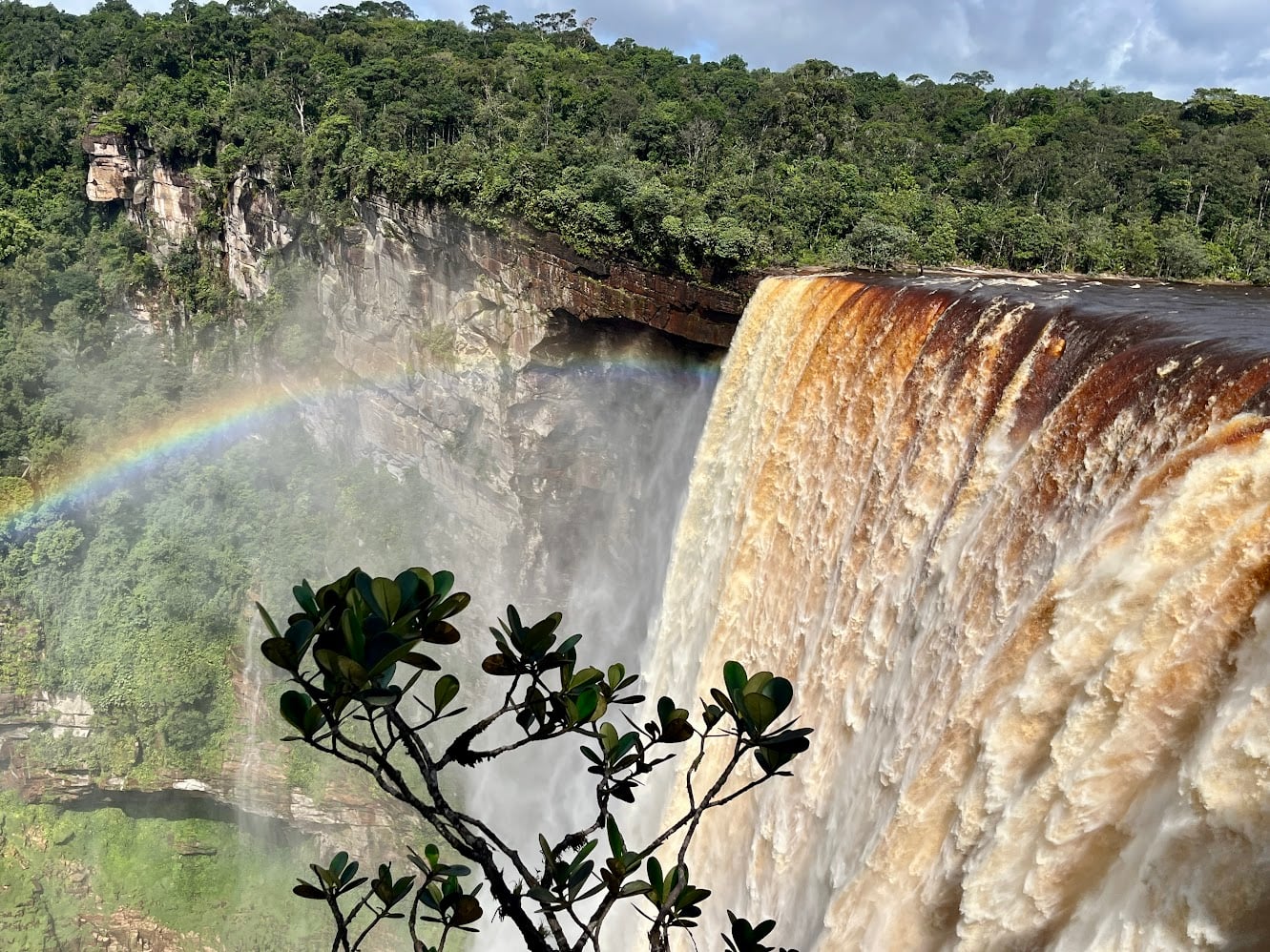
After spending a week traversing the jungle and savannah in one of the most biodiverse countries on earth, I felt that nothing in Guyana could surpass what I had already experienced: encountering anteaters in the wild, swimming with capybaras, spotting rare birds in the rainforest, and searching for jaguars at night.

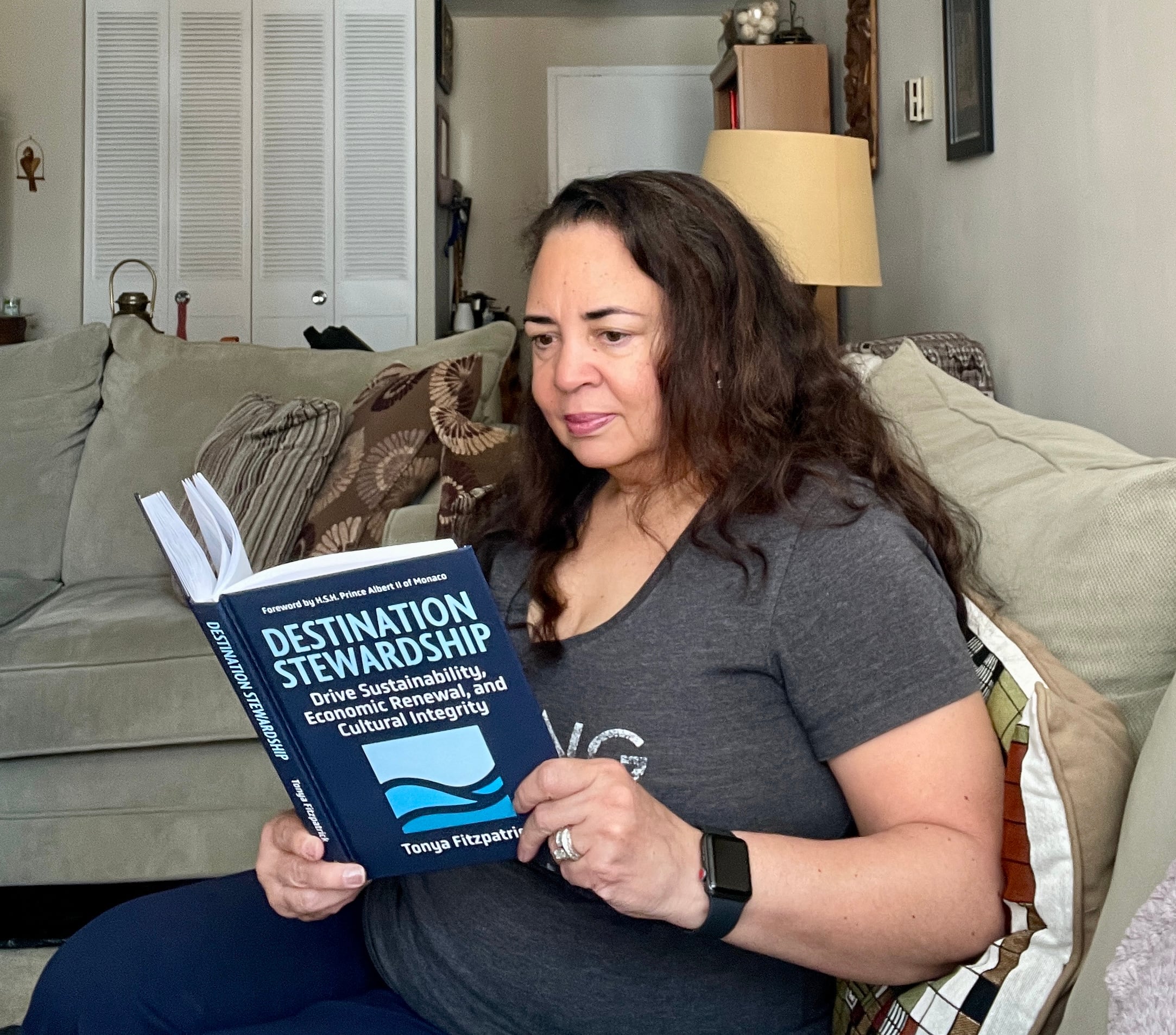
I almost deleted the email that led to Destination Stewardship. Looking back, it wasn’t just about writing a book—it was about something I had been noticing in destinations for years.

You can barely see the roads within Lanzarote's Timanfaya National Park—and that's intentional. When local architect and artist César Manriche designed projects for Lanzarote, one of Spain’s eight Canary Islands, in the 1960s, he homed in on nature, with a clear aim to preserve the island’s landscapes.

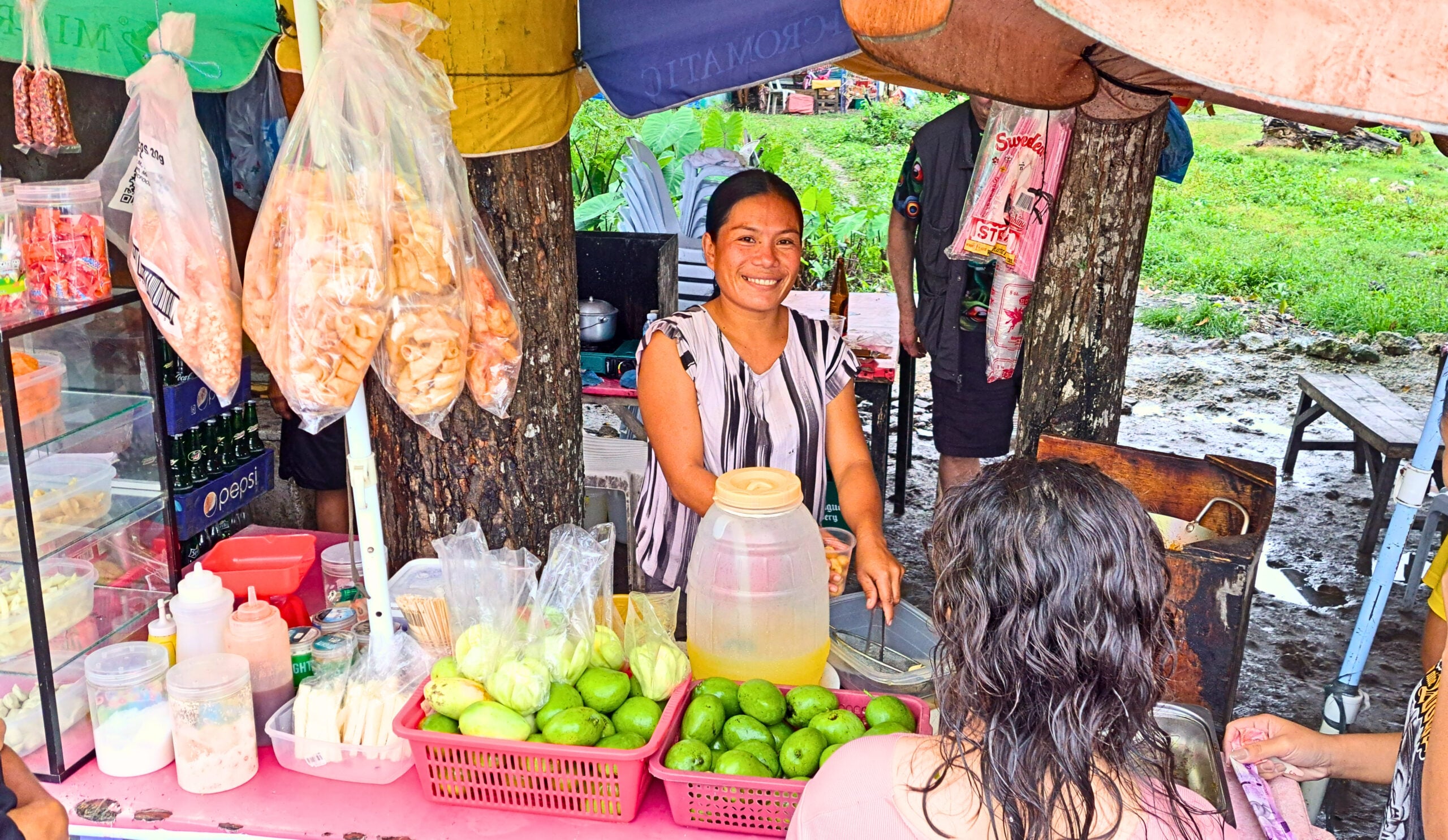
America has a heartland. So does the Philippines. It has 7,600 islands organized into three major island groups, with the midlands comprising the welcoming Visayas region. My ninth trip there delivered an adventurous medley of down-to-earth pensions, a luxe island resort, and a perfect lifestyle mix of everything in between. I explored six different islands where one tune always sings true: this getaway means hospitality on steroids.

A growing trend among travelers is Last Chance Tourism (LCT)—a bittersweet form of exploration driven by the urgency to experience the world's most fragile and endangered destinations before they disappear. Whether it’s walking among calving glaciers, snorkeling over bleached coral reefs, or photographing sinking cities, LCT embodies both a celebration of Earth's beauty and a stark reminder of our collective impact on its future.
Dharavi, in central Mumbai, is considered one of the largest slums in Asia, but deep within this neighborhood, below the shanty grey roofs, loosely comprised of scavenged, upcycled metal, lives a resourceful and innovative community that plays an imperative role in Mumbai’s city-wide waste management.

The best way to travel with the intent of exploring diversity is to ditch the touristy places. Sometimes, tourist attractions bring people from all over the world — the Grand Canyon or Disneyland, for example.

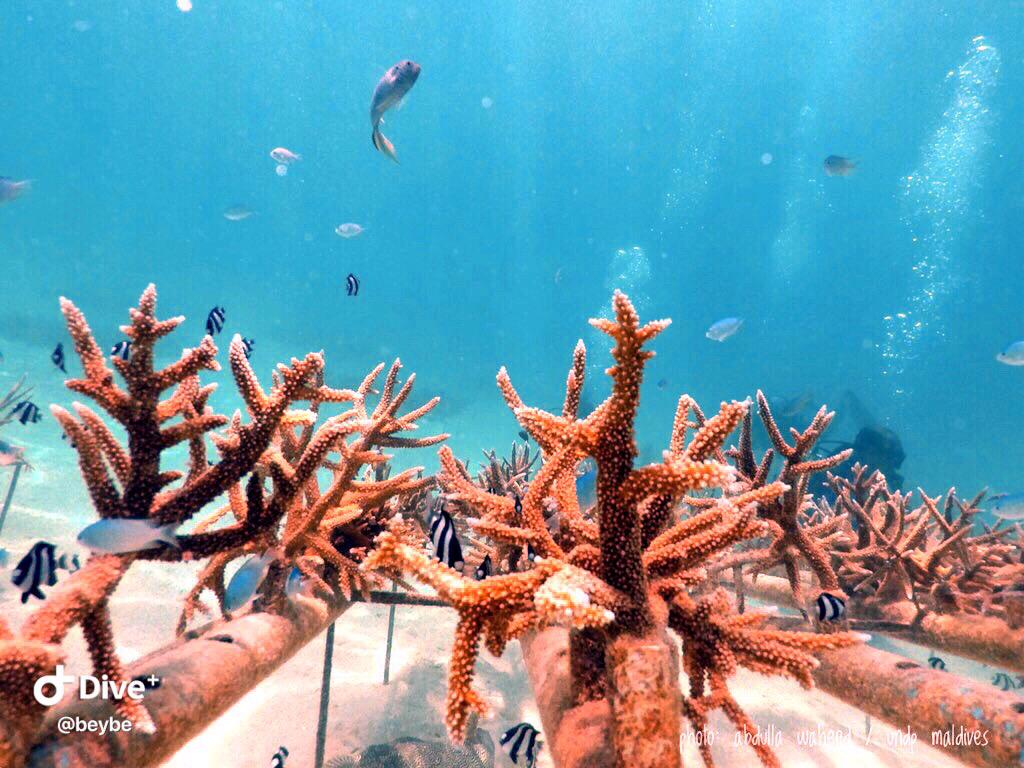
The Maldives islands are home to more than a thousand coral reefs, vibrant ecosystems that provide a home for marine life.

Over four years in the early 1970s, Cambodia, a Southeast Asian country now frequented by backpacking tourists, faced one of the worst human atrocities imaginable-- a state-sponsored genocide wiping out one-third of the nation’s population.

Phyllis Wilson, a retired Army veteran of 37 years and President of the Military Women’s Memorial Foundation, joins us to talk about the Memorial and two important campaigns to preserve history and honor a group of female veterans.