
Global Citizenship

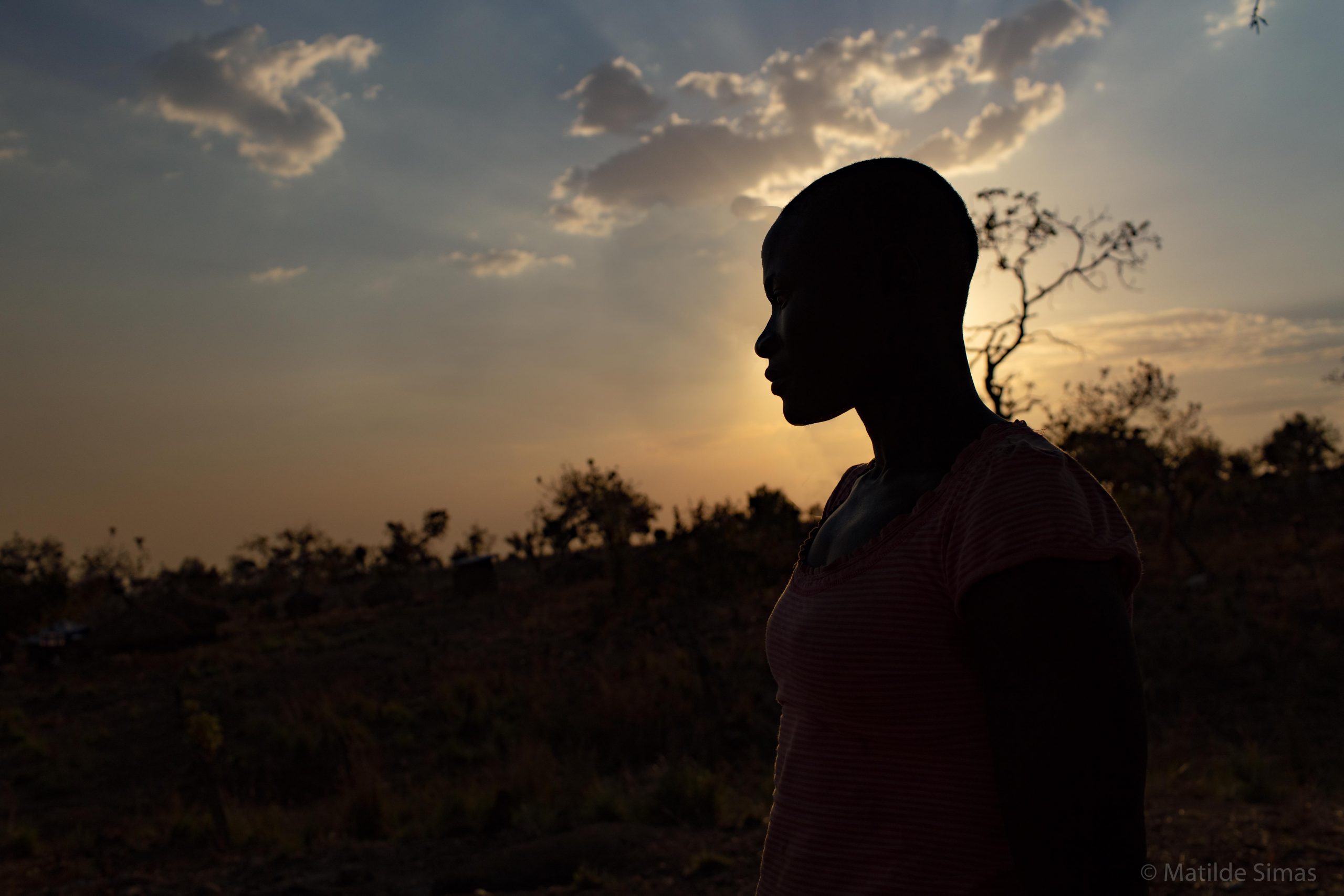
From long, uncomfortable trips to challenging accommodations, humanitarian travel isn’t typically glamorous. Massachusetts-based social documentary photographer and Capture Humanity founder Matilde Simas recently traveled to Imvepi Refugee Settlement in Uganda to explore the ways that children are exploited due to war.

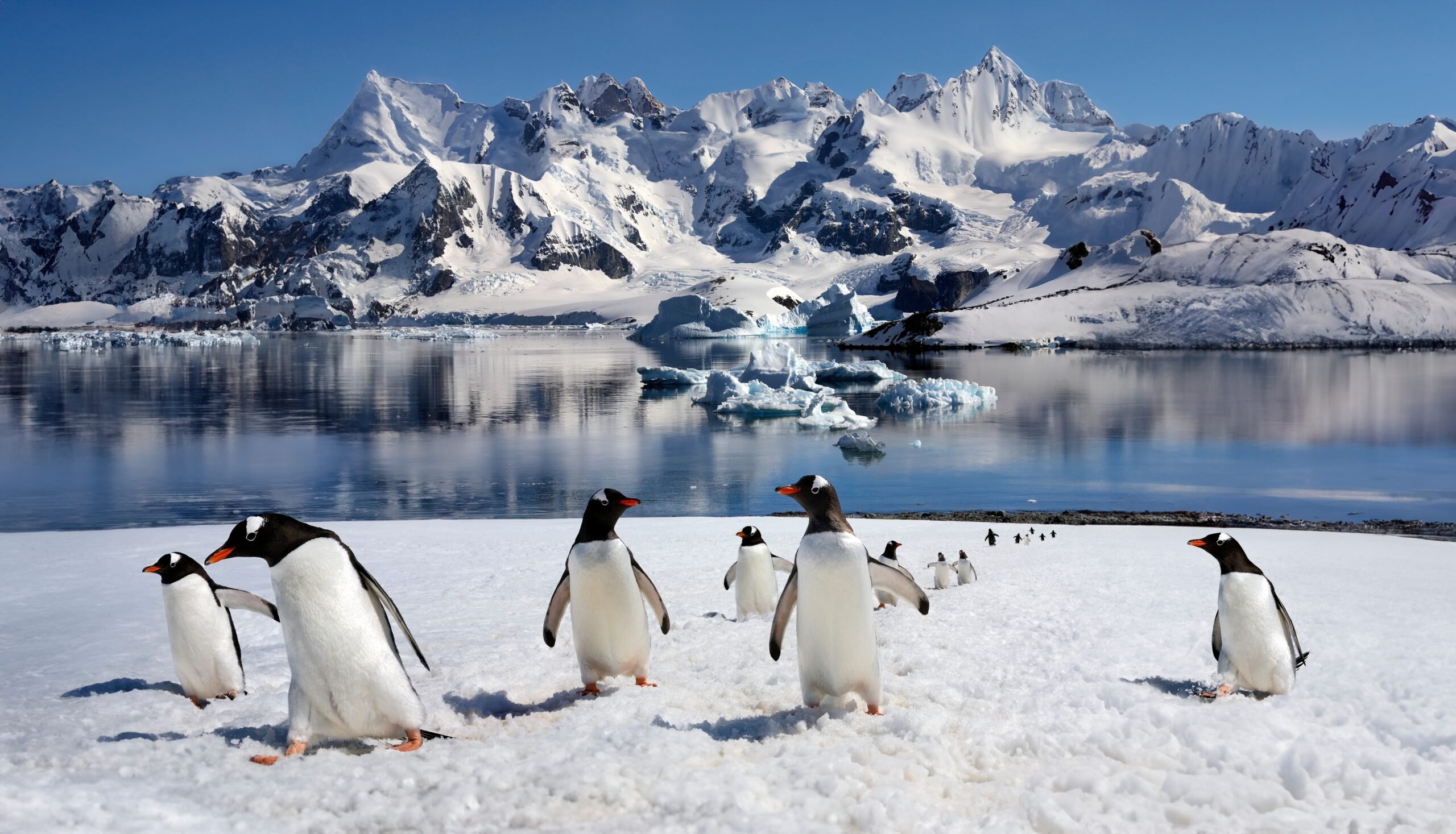
Spanning 3.5 billion acres across the southern hemisphere, buffeted by the deadly Southern Ocean and raked by sub-zero polar winds all year long, Antarctica remains an unclaimable landmass under the 1959 Antarctic Treaty. In 2001, while serving in the US Navy, Travis McHenry came across an article about how Antarctica remained unclaimable by any nation. What seemed like trivia to many served as a fascinating discovery to him.

The regions of Biobío and Araucanía, which lie somewhere in the middle of the 2,653 miles that stretch from Chile’s top to bottom, are nevertheless known as “the south.”

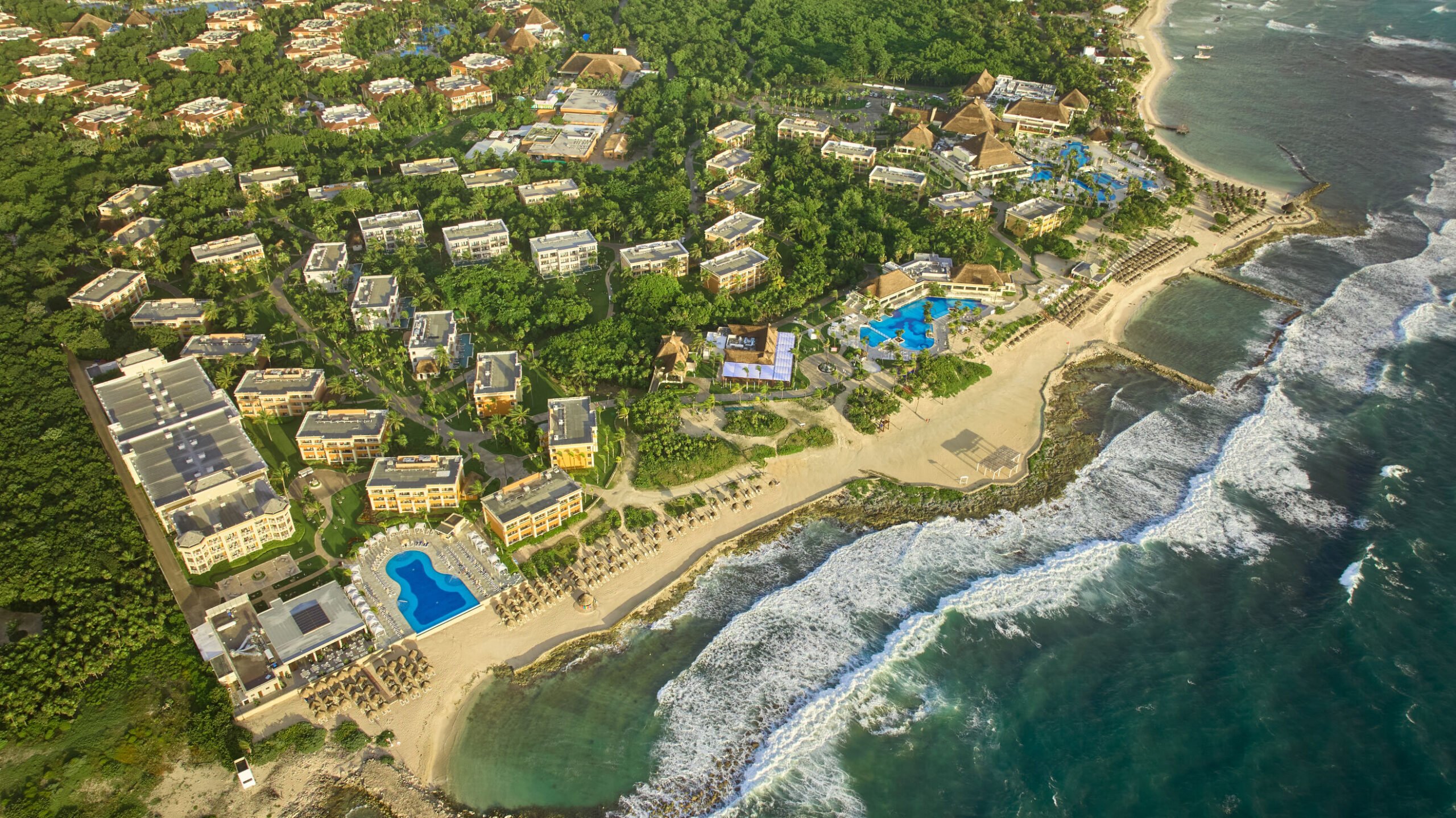
Hydro-therapy circuits, infinity pools, Mayan-inspired culinary delights, a kids club, and even a PGA-sanctioned golf course all await travelers anxious to unwind at The Bahia Principe Luxury Akumal, along Mexico’s pristine gulf coast. An all-inclusive villa-style retreat located directly between Tulum and Cancún, Akumal features exceptional amenities for families of all ages. The property also includes an attentive staff that values the importance of genuine hospitality

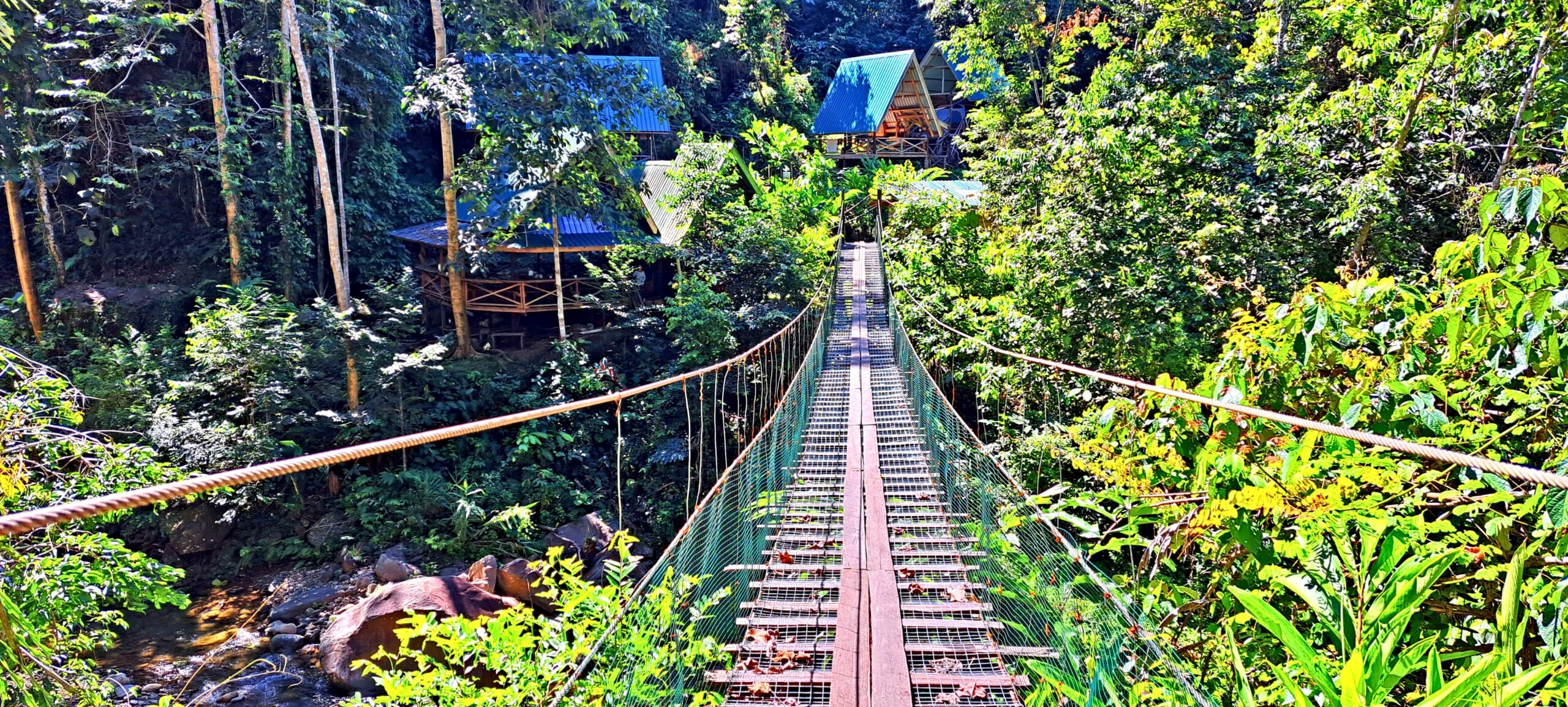
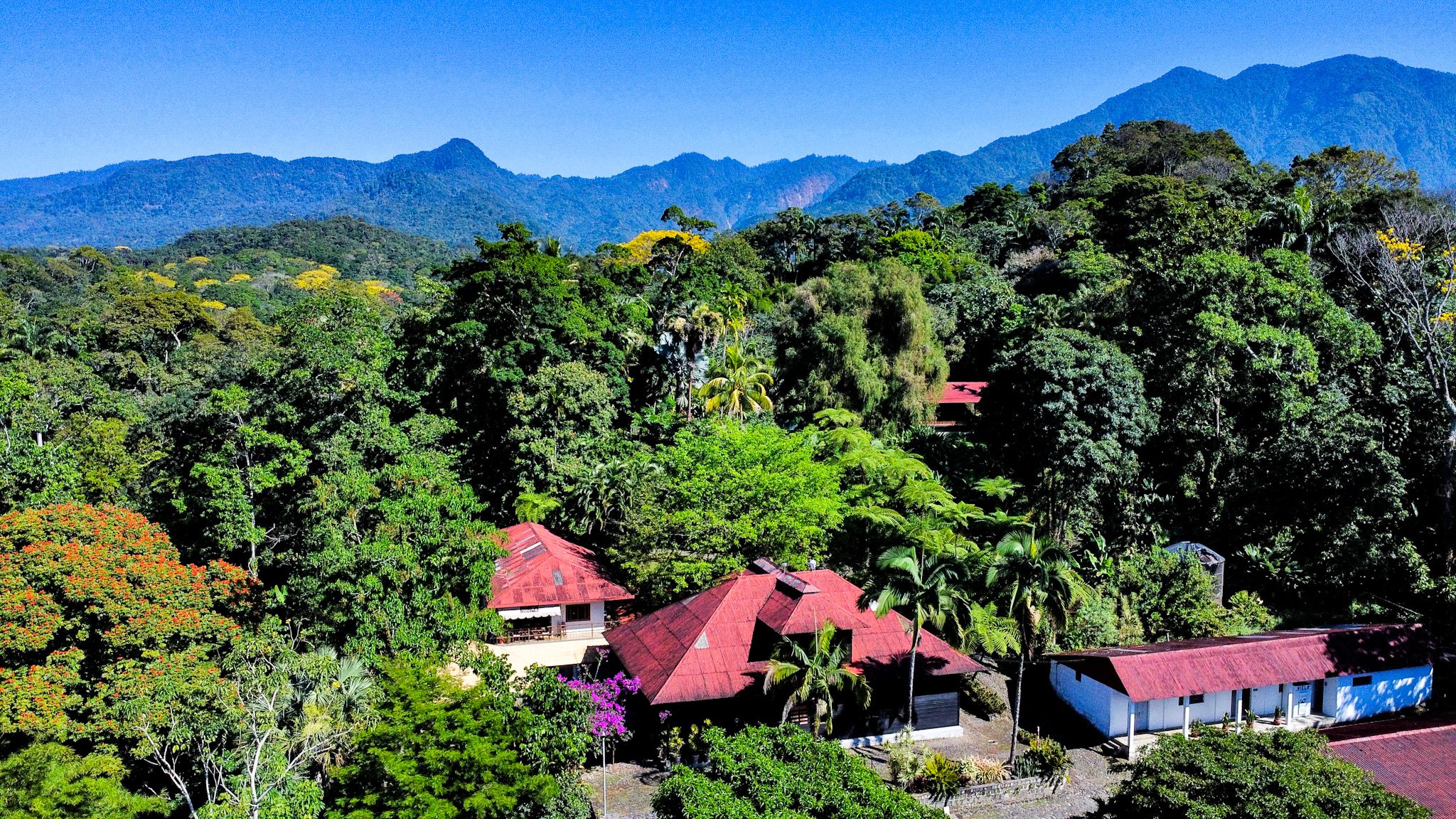
Known for its incredibly biodiverse rainforests, Borneo, the world's third-largest island, offers a walk on the wild side. Borneo also boasts the distinction of being the only island in the world controlled by three countries: Malaysia, Brunei, and Indonesia. I took a deep dive into Malaysian Borneo's jungle by experiencing three wildly different and rustic lodgings. An exceptional family runs the lodges. The inspiring family also makes a difference by protecting this part of Malaysia’s most precious resource: nature.

Discover the inspiring lives of CBS daytime stars in this exclusive podcast. Don Diamont, Heather Tom, and Eric Braeden share career highlights, humanitarian missions, and life-changing travel experiences that shaped their passion and purpose.
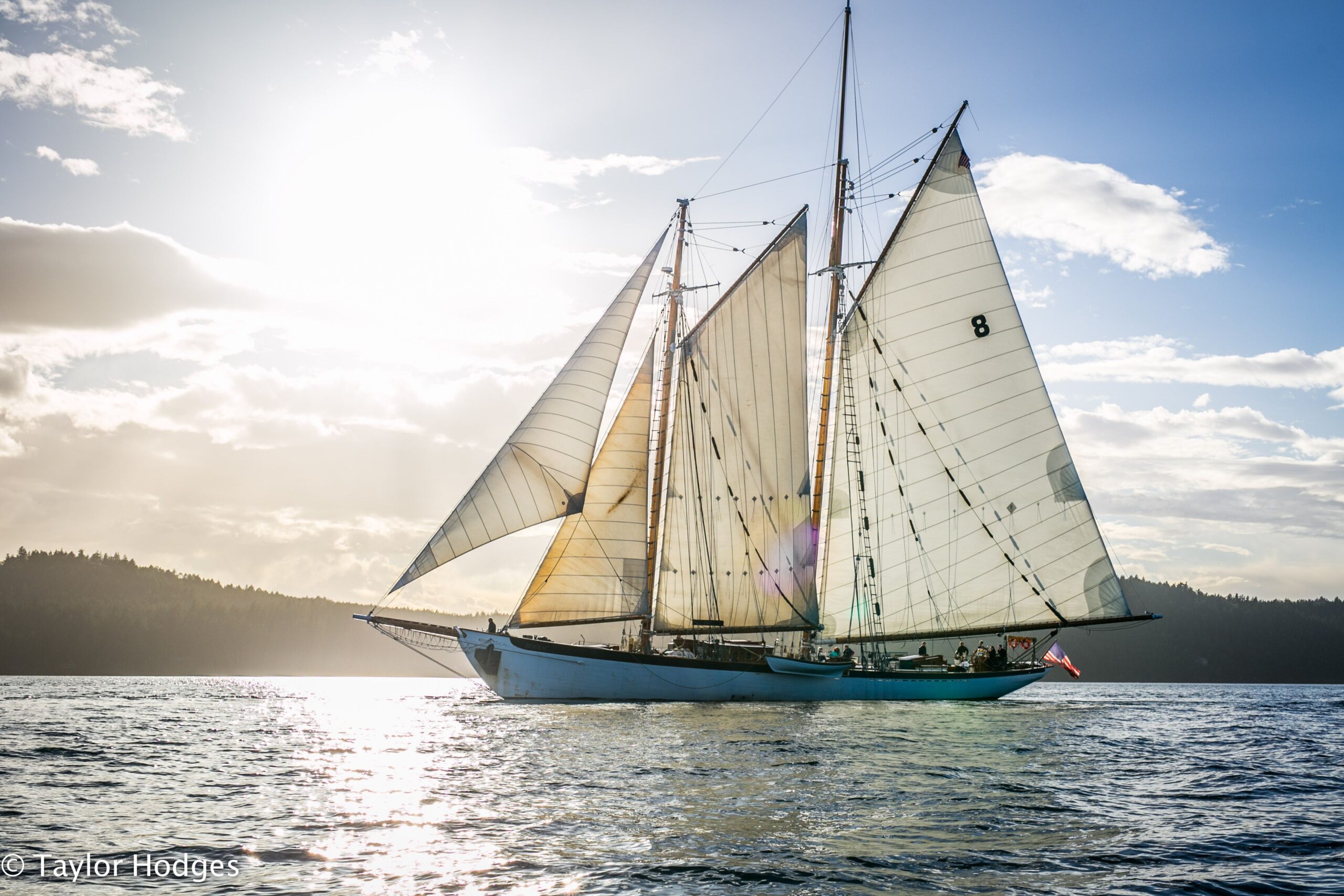
Saying the mainsail on the 100-year-old schooner Zodiac is big is like saying Babe Ruth knew how to play ball. A massive understatement, at 4,000 square feet, the Zodiac's mainsail is not just the largest working sail on the West Coast — it's larger than the average American house.

Listen now to Part 3 of our conversation with Eric Braeden and join us as we explore Egypt, voluntourism, and the power of cultural connection.
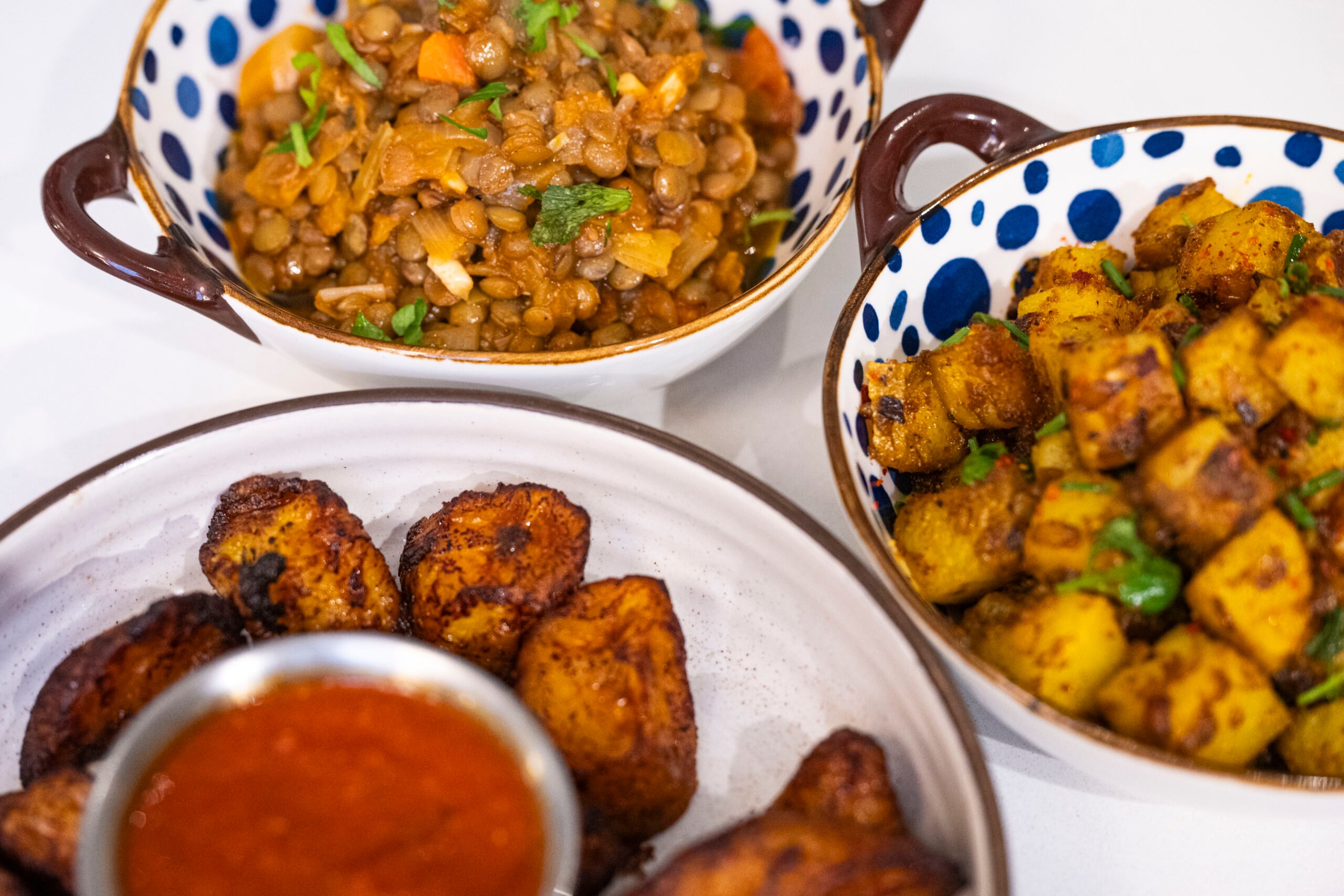
Hidden away in Aspen’s industrial outskirts near the airport, Mawa’s Kitchen appears out of nowhere. At first glance, the quiet, warehouse-filled street seems an unlikely setting for a culinary hotspot. But step inside, and that illusion quickly falls away. Here in this light, airy space, with its French-inspired wallpaper and forest-green bar, Mawa McQueen’s world comes alive.

Mexico’s southernmost state of Chiapas boasts steamy tropical rainforest jungles, fertile and pine-forested mountains, and standout colonial cities and towns. Known for its cobblestone streets, baroque buildings, and elegant plazas, San Cristóbal de las Casas is on many a traveler’s radar. The ruins of Palenque and Yaxchilán are two of the most spectacular archeological sites in the Mayan world. The surrounding jungle remains unscathed, home to cacophonous howler monkeys, brightly colored toucans, and various cats, including jaguars and ocelots.
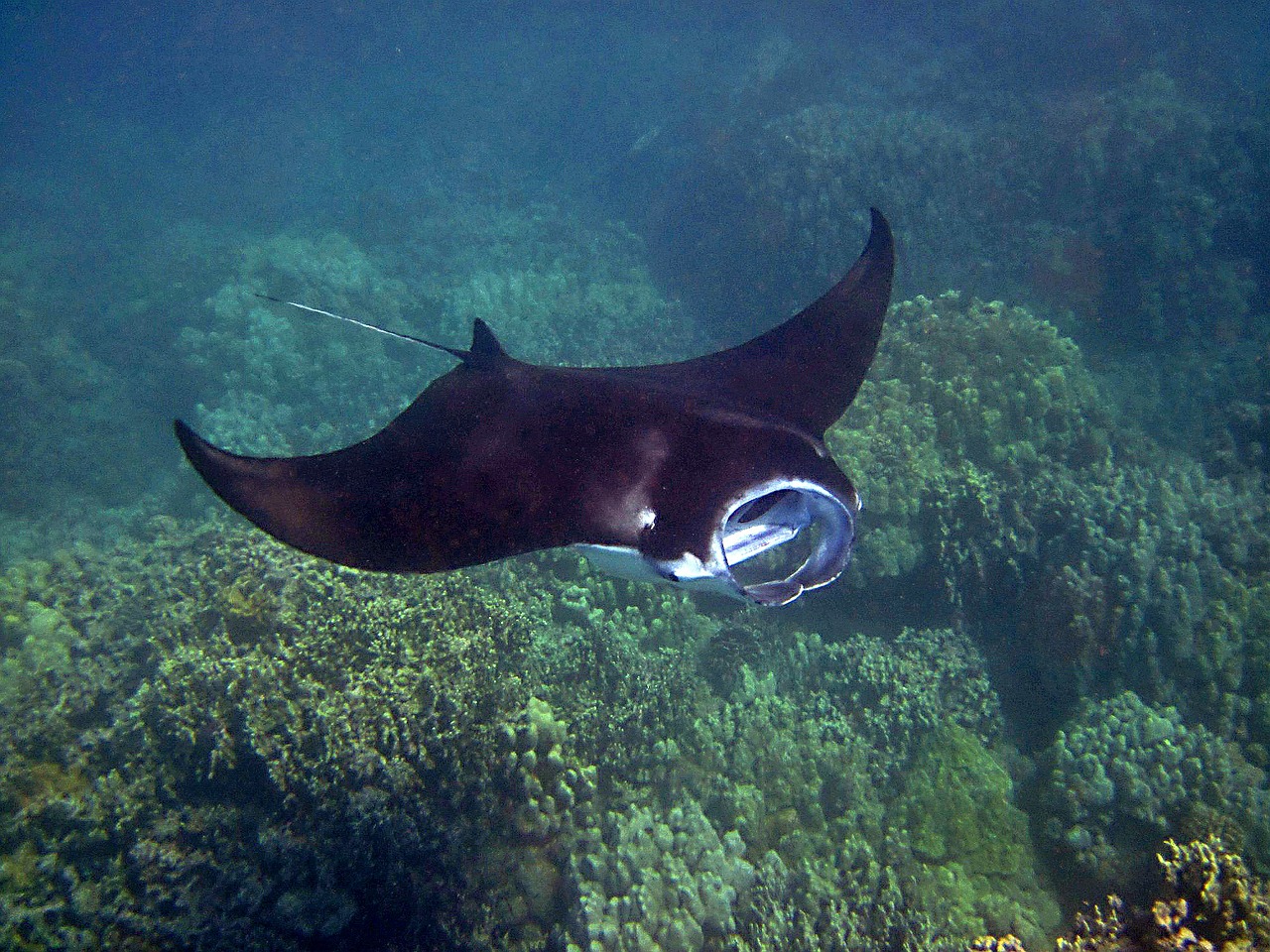
When Andrea Marshall began studying manta rays in Mozambique in 2003 there was so little information about the species that she was forced to recommend them as “data deficient” on the Union for Conservation of Nature’s Red List, the go-to authority on endangered species.

If you were to hear that by 2050 there will be more plastic in our oceans (by weight) than there will be fish, would you be alarmed? I definitely was alarmed when I read white paper about the plastic economy projected by the Ellen MacArthur Foundation.