
Global Citizenship

Explore the untold story of the largest slave revolt in U.S. history, discover how Polaris Project is fighting modern slavery, and hear from yacht chef Victoria Allman about life aboard a luxury superyacht.

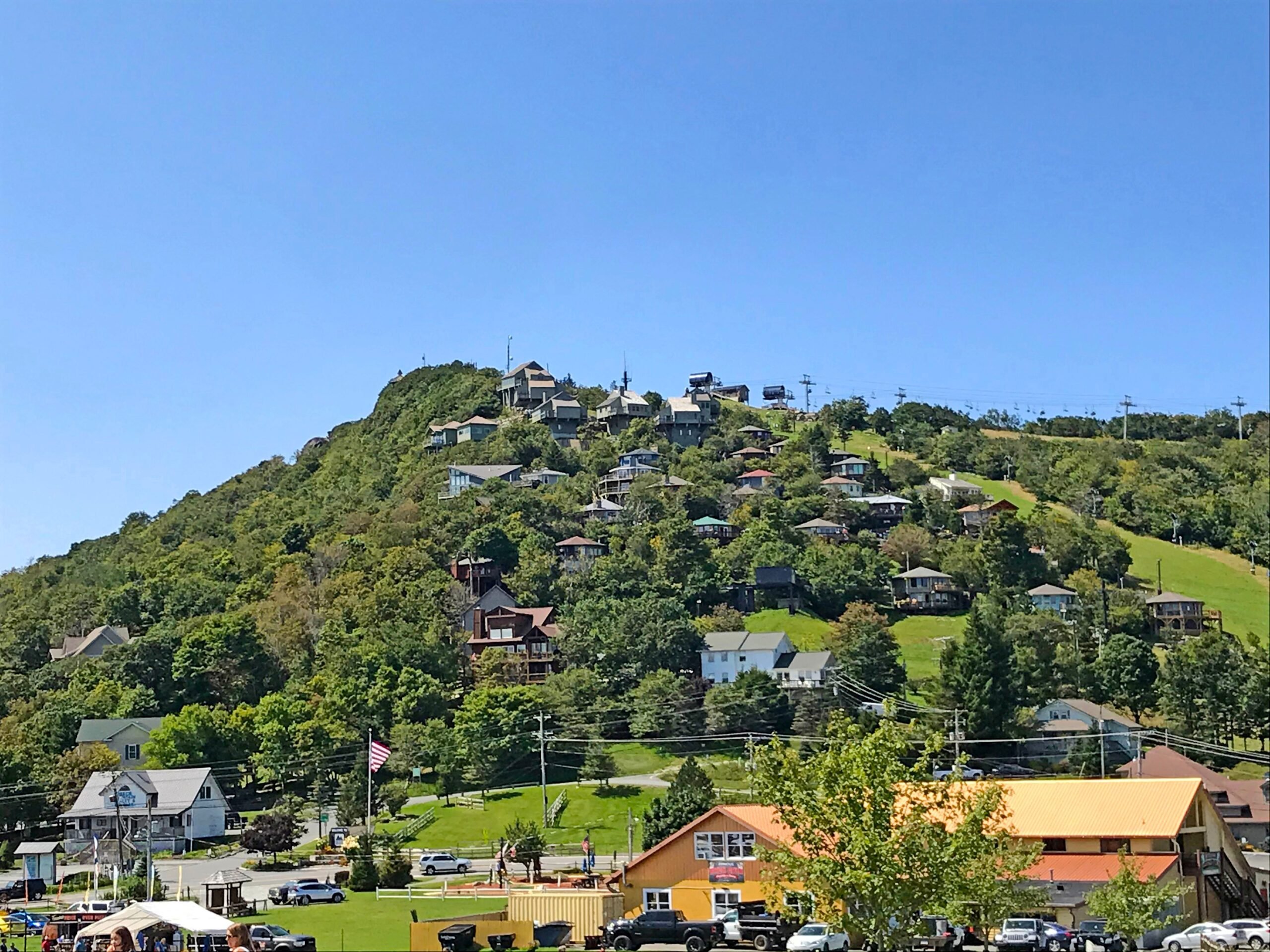
The natural beauty of the mountains of North Carolina has beckoned travelers for decades. When autumn arrives and vibrant shades of gold, orange, yellow, and red paint the landscape, even more visitors arrive. Residents and business owners eagerly anticipate the fall season and welcome travelers with a smile. But in September 2024, in the midst of the colorful season an unwelcome guest arrived…Hurricane Helene. The horrific storm caused significant damage to many mountain towns in the North Carolina mountains, and some have still not recovered. Lives, businesses, and property were lost to the storm.

Explore how travel supports peacebuilding in post-conflict nations with Gary Knight of VII Foundation’s Imagine: Reflections on Peace project.

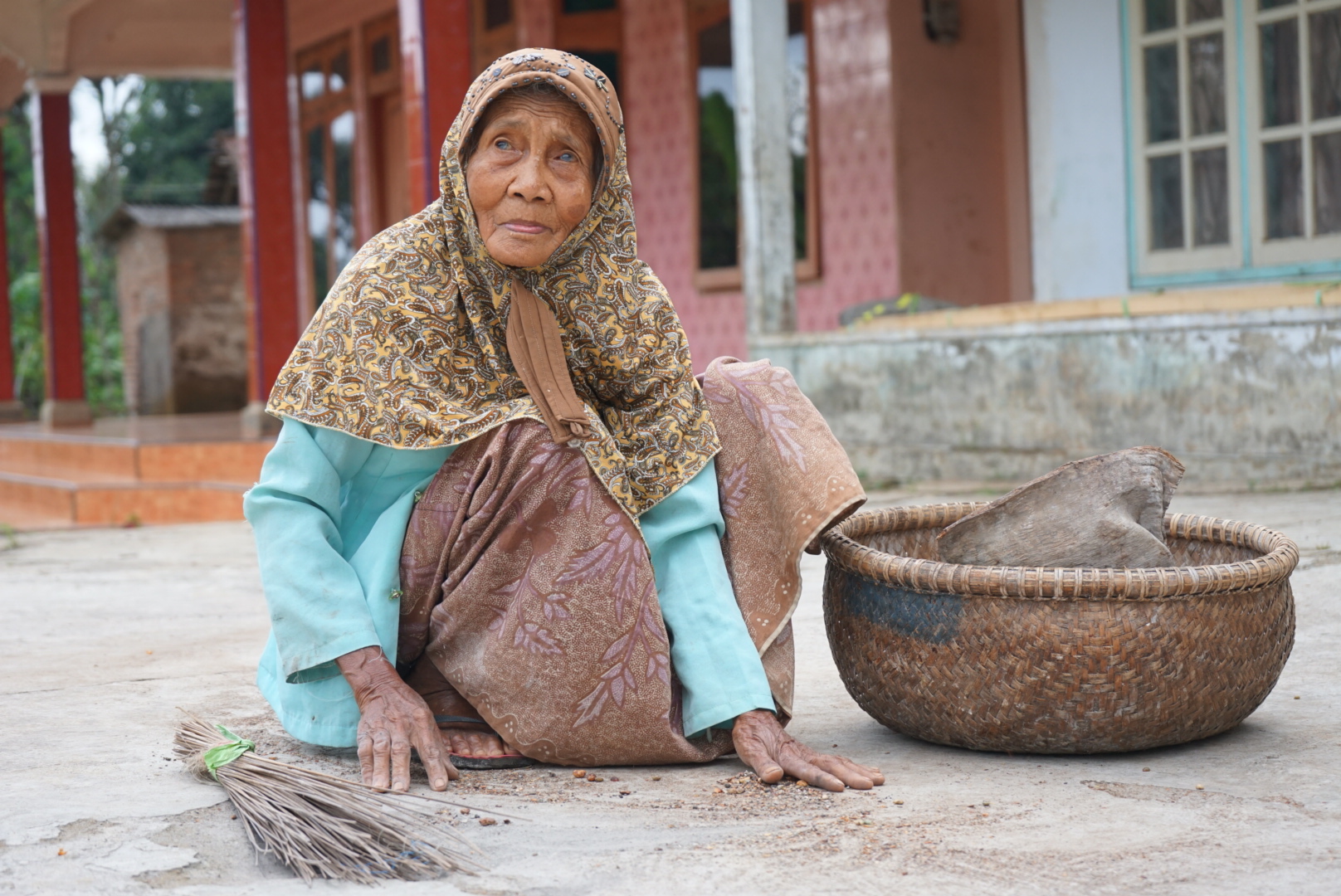
The sleepy village of Licin is situated in the Banyuwangi regency of East Java, Indonesia. It’s a 30-minute drive from the town of Banyuwangi – Java’s easternmost tip – and an hour from the slopes of Kawah Ijen, the legendary volcano famous for its electric blue flames. It’s often used as a base for hiking the world’s most fascinating crater, and foreigners usually pass through it. But during my travels in Indonesia last November, I was instantly drawn to Licin’s wild beauty and tranquility, making it my home for the remaining two weeks of my stay in the country.

“Watch us come back with a dog,” I joked to my partner as we packed our things for four months on Mexico’s Pacific coast. As it turned out, it was less of a joke than I thought. When you think of Mexico, street dogs probably aren’t the first thing that comes to mind. But outside of the resorts and villas that most tourists associate with Mexico, things are different. The country has the largest number of Mexican street dogs in Latin America. The National Institute of Statistics and Geography estimates that about 70 percent of the 18 million dogs in Mexico live on the street, born as strays or simply abandoned. It’s a statistic that becomes overwhelmingly evident as you walk around.
IIn the last century, Thailand has lost roughly 92 percent of its elephant population. Factors such as illegal wildlife trade, deforestation, and human-animal conflict have led the Asian elephant to the pages of Thailand’s endangered species list. The future of the surviving eight percent remains uncertain — but we know that humans have as much a role to play in their survival as they have had in their decline.
Award-winning artist and sculptor Tyree Guyton started The Heidelberg Project in 1986 as a political protest after he returned to his old Detroit neighborhood, the Heidelberg area in the McDougall-Hunt Neighborhood, and found dereliction and debris. Drugs and crime made the neighborhood unsafe to walk even in the daytime. He began cleaning up vacant lots with the help of his grandfather, Sam Mackey. Then he took the first step in what became known as the Heidelberg Project; he painted his mother's house with brightly colored polka dots as a statement that we are all different but should all be treated equally. It became known as the Dotty Wotty House, sometimes called the People's House.

Travelers to Southeast Asia are no strangers to Siem Reap. The city's world-class wonder, Angkor Wat, attracts curious tourists from all over the world. This beautiful destination continues to increase in popularity. And with this boom, opportunities to flourish emerge.

When you’ve spent your life telling other people’s stories, sitting down to write your own—especially one with global implications—feels daunting, exhilarating, and deeply personal. In a short behind-the-scenes video, my husband and World Footprints co-founder, Ian Fitzpatrick, interviewed me about the beginning of my writing journey for my first business book. This is more than just a publishing project. It’s a calling. A shift. A response to the urgent challenges facing the places we love to visit—and the people who call them home.

On today’s show World Footprints explores the plight of the endangered Panther, we chat with one of the rising IZOD Indycar stars Simona de Silvestro, and we also view Catholicism through the lens with Father Robert Barron. As a special bonus, we added some sound bytes and interviews from the DC Stop Modern Slavery walk to end human trafficking.

Our 4x4 safari vehicle heaves and jolts through the deep recesses of the primeval forest. This is early March, and the dry deciduous jungle is laced with post-winter earthy shades of green. But the towering cotton and palash trees have splashed fiery red hues onto the canvas. The afternoon sun filters through the overhead canopy to illuminate the moss-ridden tract peppered with fragrant flowers and withered leaves.

Hungary, and Budapest more specifically, was once known for its mistreatment of those with physical and intellectual disabilities. Today, however, the people of Budapest are creating a more inclusive community thanks to businesses that are breaking down social stigmas and changing attitudes towards those who were once excluded in the community.