
Preservation

Palladius Street in Byzantine Beit Shean National Park. Photo: Tonya Fitzpatrick
“We abuse land because we regard it as a commodity belonging to us. When we see land as a community to which we belong, we may begin to use it with love and respect.”
Traveling to see the buildings and artifacts of human history that would otherwise be lost to father time has inspired a travel niche built around preservation and conservation.
Whether enjoying a stay at a Medieval castle or a historic hotel in a city or town—or exploring a historic district or cemetery—communities and countries around the world are finding that preservation of the past can sustain tourism.
Preserving our cultural treasures helps maintain these gems for future generations, and it provides a way for culture and history to flourish.

One of the North’s most recognized species, the polar bear (Ursus maritimus being its Latin Name) has a notorious reputation as a bold and brainy predator, not to mention its massive size.

On March 1, 1872, President Ulysses S. Grant made history by signing the act that established Yellowstone as the world’s first national park. Primarily located in Wyoming, the park’s expansive territory also stretches into Montana and Idaho, covering over 2 million acres of diverse landscapes.

On today’s World Footprints we’re traveling through the southern Grenadines and will share the beauty and magic of this special part of the world. Our show originates from the beautiful Palm Island at the Palm Island Resort.

For Christians, few travel opportunities are as meaningful as the chance to visit Israel and follow in the footsteps of Jesus. Even those who do not consider themselves Christians can enjoy the ancient history and stories behind these moving sites.

For a new mystery, travel to Peru and visit the Nazca Lines, a place where historical mystery meets exquisite geometric designs that date as far back as 200 BC. Sounds pretty amazing right? Unfortunately, these archaeological wonders aren’t safe.

Though it begins in Switzerland, the Rhine is for Germans, a national river. Seems a bit strange doesn’t it? What leaves no room for confusion however, is the fact that the region around the confluence of rivers Rhine and Moselle, is any tourist’s dream.

Every 14 days a language dies. National Geographic author and renowned linguist David Harrison joins World Footprints to discuss his latest book: The Last Speakers: The Quest to Save the World’s Most Endangered Languages. The Last Speakers is the poignant chronicle of author K. David Harrison's international expeditions to meet with last speakers of endangered languages.

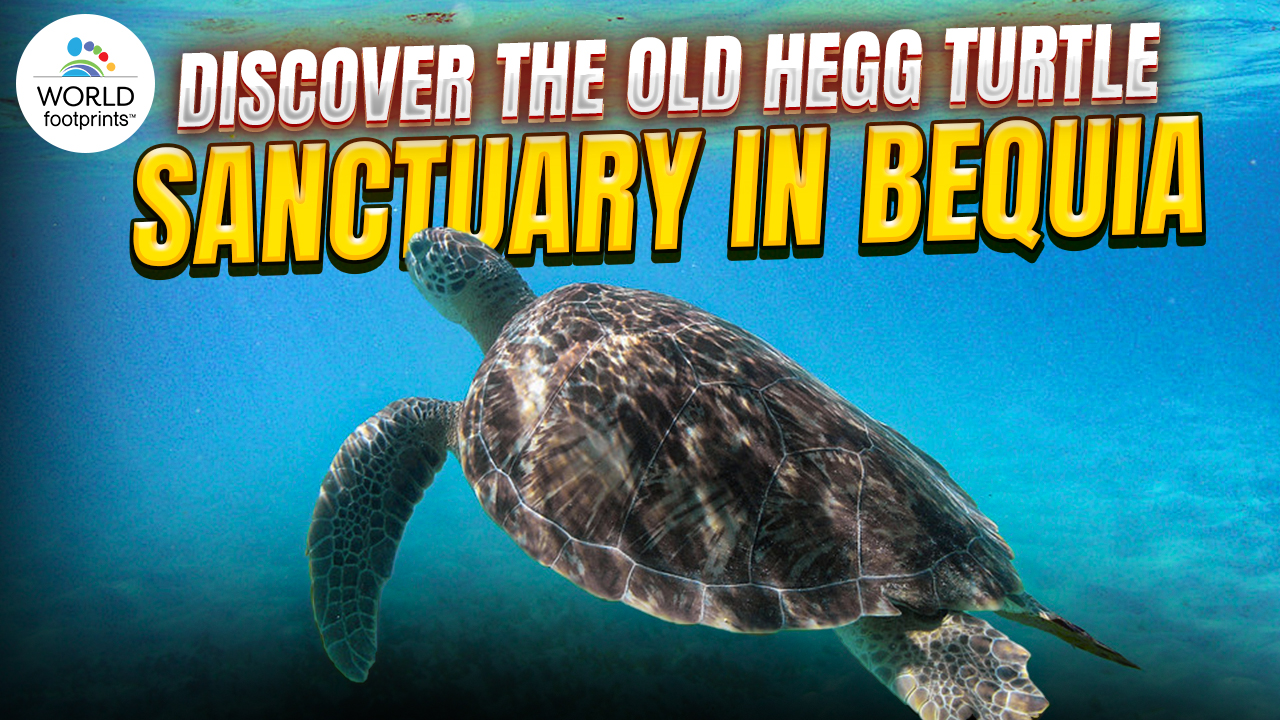
Explore the inspiring story of the Old Hegg Turtle Sanctuary on the beautiful island of Bequia. Meet Orton "Brother" King, the accidental champion of the sea turtle, who has dedicated his life to the preservation and protection of these magnificent creatures. In this video, you'll learn about Brother King's journey and the incredible work being done at the sanctuary to save endangered sea turtles.