
Animal Conservation

Six and a half million acres. That’s the size of Indonesia’s Leuser Ecosystem, one of the most ancient and biodiverse places ever documented and the last place on Earth where Sumatran rhinos, tigers, elephants, orangutans, and sun bears roam freely together.

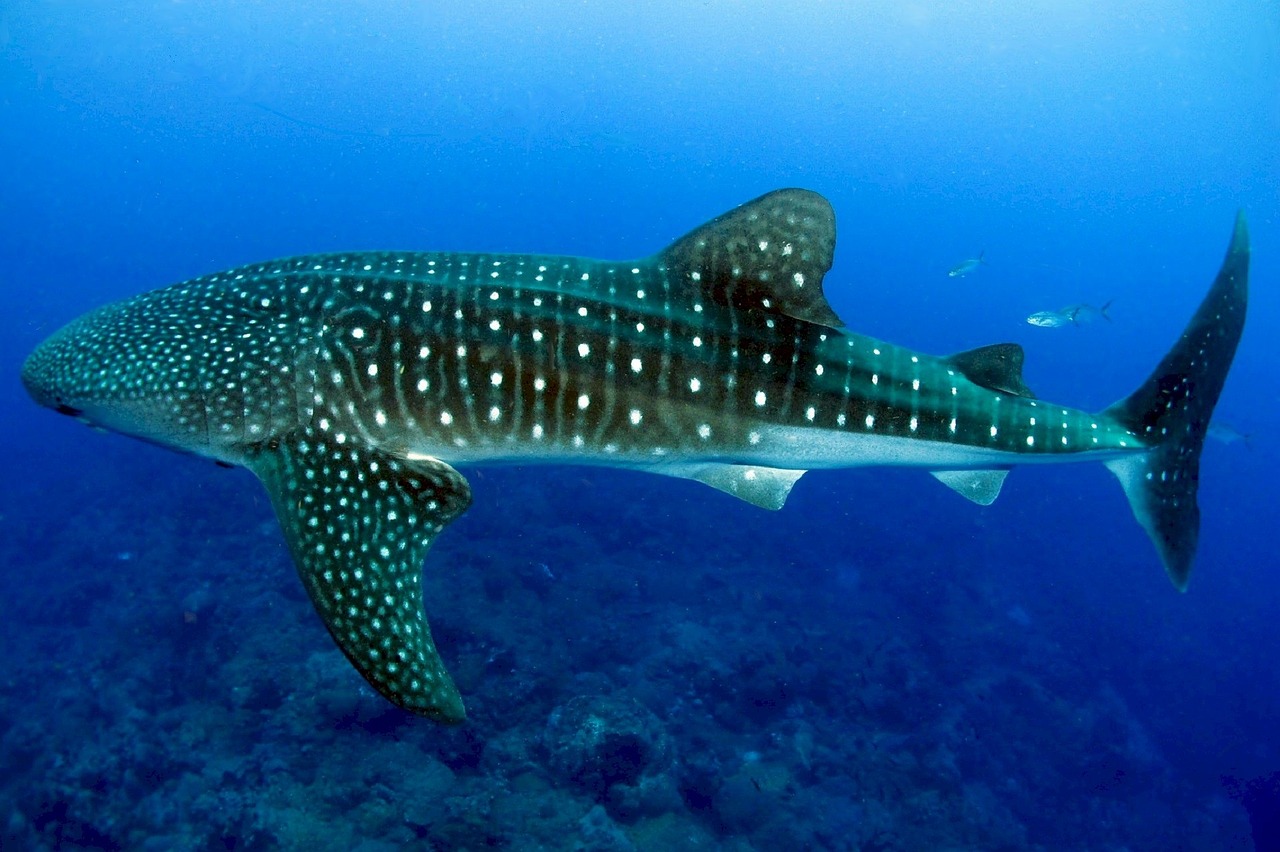
Madagascar’s Nosy Be was recently identified as a hotspot for whale sharks, which could boost the island’s ecotourism to rival the likes of global whale shark hotspots in Tanzania and Mozambique. One woman – the lead author of the study that identified Nosy Be as a feeding hotspot-- has now introduced a code of conduct to protect the sharks, enhance tourists’ experience and ensure any income to the island generated as a result is sustainable.

IIn the last century, Thailand has lost roughly 92 percent of its elephant population. Factors such as illegal wildlife trade, deforestation, and human-animal conflict have led the Asian elephant to the pages of Thailand’s endangered species list. The future of the surviving eight percent remains uncertain — but we know that humans have as much a role to play in their survival as they have had in their decline.

When travelers dream of Spain, most think about wandering down cobblestone alleys, listening to the Spanish guitar, and drinking wine under the shadows of a towering medieval cathedral. However, it’s a mistake to think of Europe only in terms of its beautiful cities and centuries of human history. There is still some wild left.

One way that residents of Vancouver Island really connect with the outdoors and wildlife is through the Marmot Refuge located close to Nanaimo.

Swimming with the dolphins is a magical activity that may seem like a dream, but it is within your reach and you can do this is a socially responsible manner--enjoying these animals in their natural habitat, not captivity.

This broadcast is a favorite legacy show that we produced under our old name Travel'n On and before re-branding as WORLD FOOTPRINTS. Stefanie Powers will talk about her conservation work.