
Civil Rights

On April 4, 1968, Dr. Martin Luther King, Jr. was assassinated as he stood on the balcony of the Lorraine Motel in Memphis, TN. Now the home of the National Civil Rights Museum, this historic structure not only immortalizes this unforgettable moment in time but showcases more than 400 years of African American history.

Montgomery was the spark that lit the fuse on the long-simmering fight by African Americans for their civil rights. It began a movement that is still ongoing today.

Birmingham, Alabama is considered ground zero in the civil rights movement. In the 1950s, African-Americans of all ages in Birmingham drew a proverbial line in the sand against racial segregation. Their stories, struggles and ultimate success over Jim Crow laws is on display at the Birmingham Civil Rights Institute in an effort to keep the stories of this dark chapter in American history alive. Across the street from the Institute is the 16th Street Baptist Church where a 1963 bombing that killed four young girls changed the course of history in Birmingham and America. We will walk through this church that has, today, become a place to unify a community and people from all over the world. 16th Street Baptist Church. Photo: Tonya Fitzpatrick Downtown Birmingham is the home to the Civil Rights Heritage Trail. Kelly Ingraham Park, also known as Freedom Park, was the staging area for many of [...]

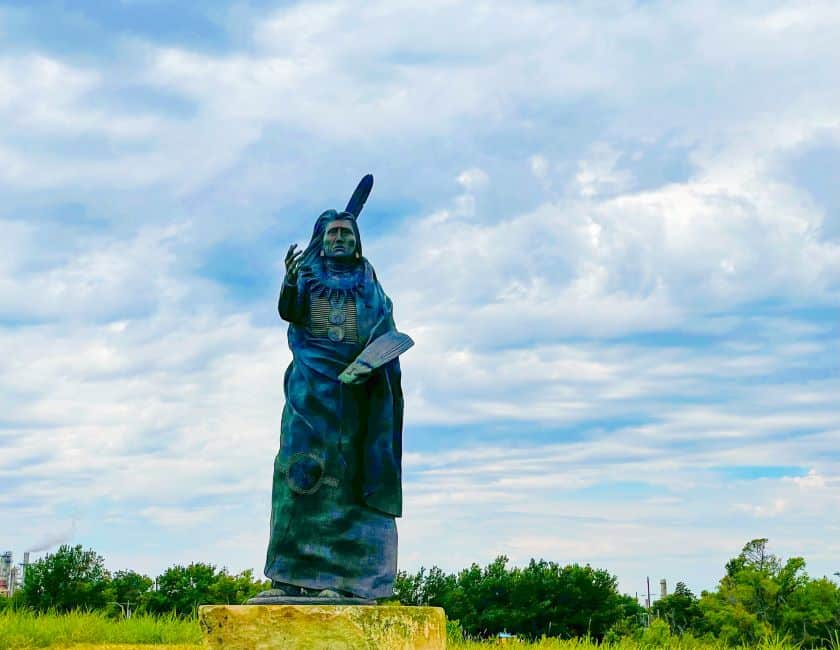
However, there is a lesser-known story. Yet one that exemplifies enormous courage and one which has had an immense impact on our nation. It is a story of forced settlement, death, devotion, and incredible spirit. It is the story of Chief Standing Bear.
Birmingham, Alabama - the Magic City - saw events and courageous people who played a central role in the Civil Rights struggle. World Footprints goes on a walking tour through history along the Civil Rights Heritage Trail as we step onto the grounds where African Americans confronted Jim Crow era voilence with non-voilent civil disobedience.

Explore the story of Black Americans’ fight for freedom and equality with U.S. Civil Rights Trail author Deborah Douglas.

From the violations of the Constitutional rights of peaceful Black Lives Matter protesters, to the unlawful killings of black citizens--George Floyd, Armaud Arbery, and Breonna Taylor (and many more before them), to the global pandemic that is taking lives and undermining the economic security of millions of people, and now Americans facing further threats to freedoms and civil liberties not seen in generations, recent events are begging the question: how are we supposed to heal?

Thirteen civil rights activists, dubbed "Freedom Riders," began a bus trip through the South. The first Riders left Washington, D.C., on May 4, 1961, and was scheduled to arrive in New Orleans on May 17.

On April 11, 1968, President Lyndon B. Johnson made history by signing the 1968 Civil Rights Act into law.

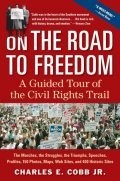
World Footprints will travel along The Road To Freedom with author and former civil rights activist Charlie Cobb as he introduces us to the places of the movement and the personalities who made those places historically relevant. His book titled " On the Road to Freedom " gives a guided tour of the Civil Rights Trail. Then meet fellow travelers Scott Hartblay and Christine Bischoff as they recount their independent journeys along the civil rights trail through Mississippi, Alabama and Louisiana.

his broadcast is a favorite legacy show that we produced under our old name Travel'n On and before re-branding as WORLD FOOTPRINTS. Tonya and Ian travel to Mongomery, Alabama, the birthplace of the civil rights movement to explore iconic sites.

This broadcast is a favorite legacy show that we produced under our old name Travel'n On and before rebranding as WORLD FOOTPRINTS. Travel'n On will head to Richmond, Virginia to visit the city's Civil Rights sites along the heritage trail.