
North America

Totem Poles of the First Nations in Vancouver Canada. Photo: Tonya Fitzpatrick
“Through travel I first became aware of the outside world; it was through travel that I found my own introspective way into becoming a part of it.”
– Eudora Welty
Explore the history, diverse cultures and traditions of the North American countries of Canada, Mexico and the United States. North American culture reflects both the cultures of its indigenous people- the Native Americans as well as the culture that is influenced by European Colonization.
The United States is the third largest country in the world and one of the most culturally diverse countries of the world. Described as the ‘melting pot‘ of North America , amalgamation of different cultures has given shape to the unique U.S. culture.
Mexico is the most populous state of North America and one of the largest city in the world.
Canada is the largest country of North American region and covering more than half of the continent’s area.

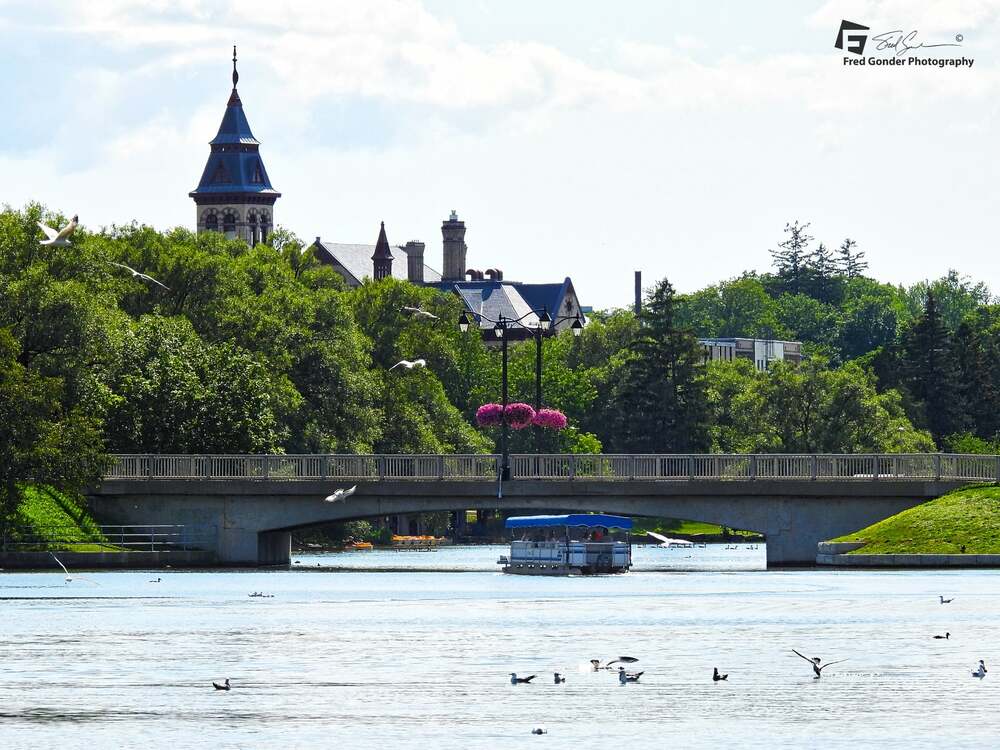
Small-town charm with an internationally-acclaimed theatre scene — you've got it all in Stratford, Ontario. This historic town is the birthplace of many Canadian greats (from pop icon Justin Bieber to actress Sheila McCarthy and musician Ron Sexsmith, to name a few) and the host of the beloved Shakespeare Festival, which has been attracting audiences to the town for over 70 years.

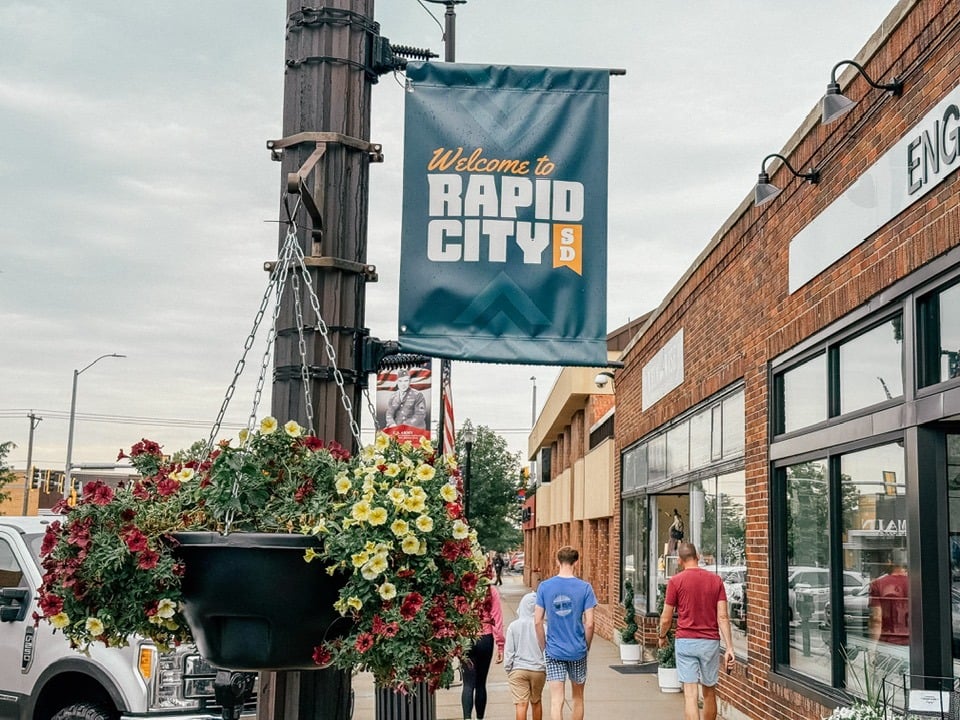
As a chaser of the “I’ve been to all 50 states” status, South Dakota has long been on my bucket list. When the chance to visit Rapid City popped up, I was thrilled to check off another state—number 43—and finally see Mount Rushmore, that classic slice of Americana. I typically road-trip with my teenagers during their summer break, so I dove into planning mode: spreadsheets, snacks, playlists. Then came the bombshell: one kid’s tennis camp overlapped, and the other declared my idea “lame.” (Teenagers, right?)

Recorded while traveling across Iceland, this episode explores two very different roads: America’s legendary Route 66 with Route Magazine editor Brennan Matthews, and a bold leap into European RV life with Kat Bird of the Wandering Bird blog. It’s a look at how the open road—whether in the U.S., Iceland, or across Europe—can change the way we see the world.

In honor of our veterans, World Footprints shares an intimate conversation with Dr. Betty Moseley Brown — one of the first women of color to join the U.S. Marine Corps. She reflects on breaking barriers, lessons in leadership, and how travel remains her path to transformation. 🎖️✈️

The Lone Star State contains some unique Halloween traditions. Filled with ghost towns, haunted hotels, and spooky lore, Texas has summoned attention for its intense connection to the paranormal.

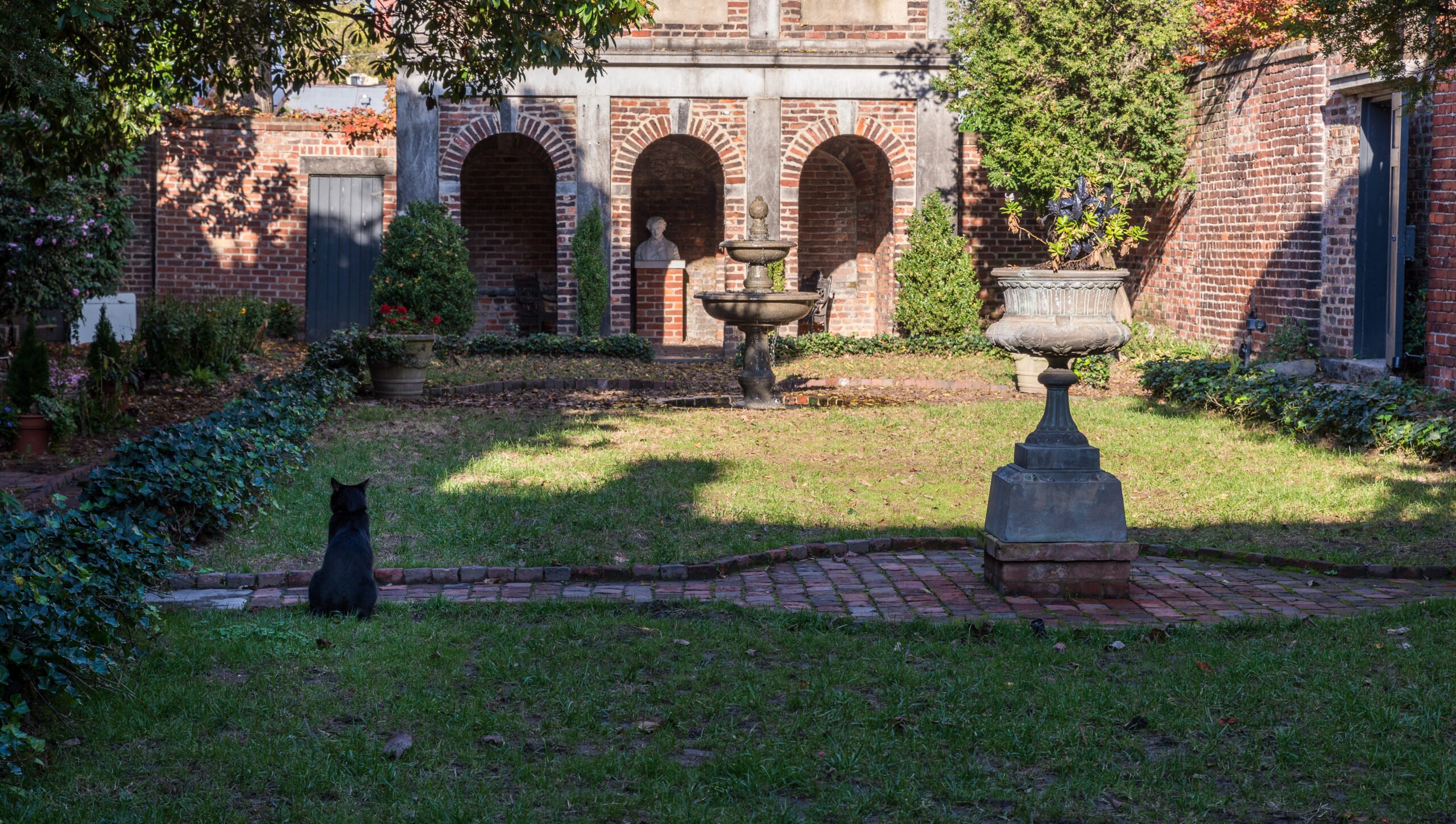
Wondering who is the Godfather of horror stories? Edgar Allan Poe leads the pack. Poe revolutionized the genre in the 1840s with his first-person narrative stories like “The Black Cat,” “The Pit and the Pendulum,” and “The Tell Tale Heart." He was one of the first to use psychological horror. Visiting the Poe Museum in Richmond, Virginia provides a good understanding of who Poe was and how he wrote such masterpieces.

Don’t be afraid to roam out of bounds–especially when a peak international experience awaits nearby, without hassles. Canada, the world’s second-largest country, boasts an endless array of geographic personalities and numerous undiscovered cultural gems.

We’re not crossing the Atlantic—this time “Glasgow” sits on Montana’s sweeping Hi-Line, a ribbon of highway and rail towns running just south of the Canadian border. In this episode, World Footprints journeys along U.S. Highway 2 from Havre to Malta and Glasgow, tracing the stories carved into Montana’s vast prairie. This is Big Sky country at its most authentic: where dinosaur bones emerge from badlands, ancient buffalo jumps overlook the Milk River, and locals still wave at passing Amtrak trains. Along the way, we venture south to Fort Peck—home to one of the most ambitious New Deal engineering feats in America—and Fort Benton, a steamboat-era trading post often called the “Birthplace of Montana.” These stops reveal how geology, Indigenous heritage, railroads, and Roosevelt-era infrastructure together shaped a frontier that’s still evolving. Through conversations, on-the-ground exploration, and a few surprises in between, this episode peels back the layers of Montana’s cultural [...]

Discover the inspiring lives of CBS daytime stars in this exclusive podcast. Don Diamont, Heather Tom, and Eric Braeden share career highlights, humanitarian missions, and life-changing travel experiences that shaped their passion and purpose.

Did you know we once had a state named Franklin? I learned the fascinating story in Washington County, Tennessee. Beyond the lost state, the site has a fascinating history from before the Revolution to the Civil War.

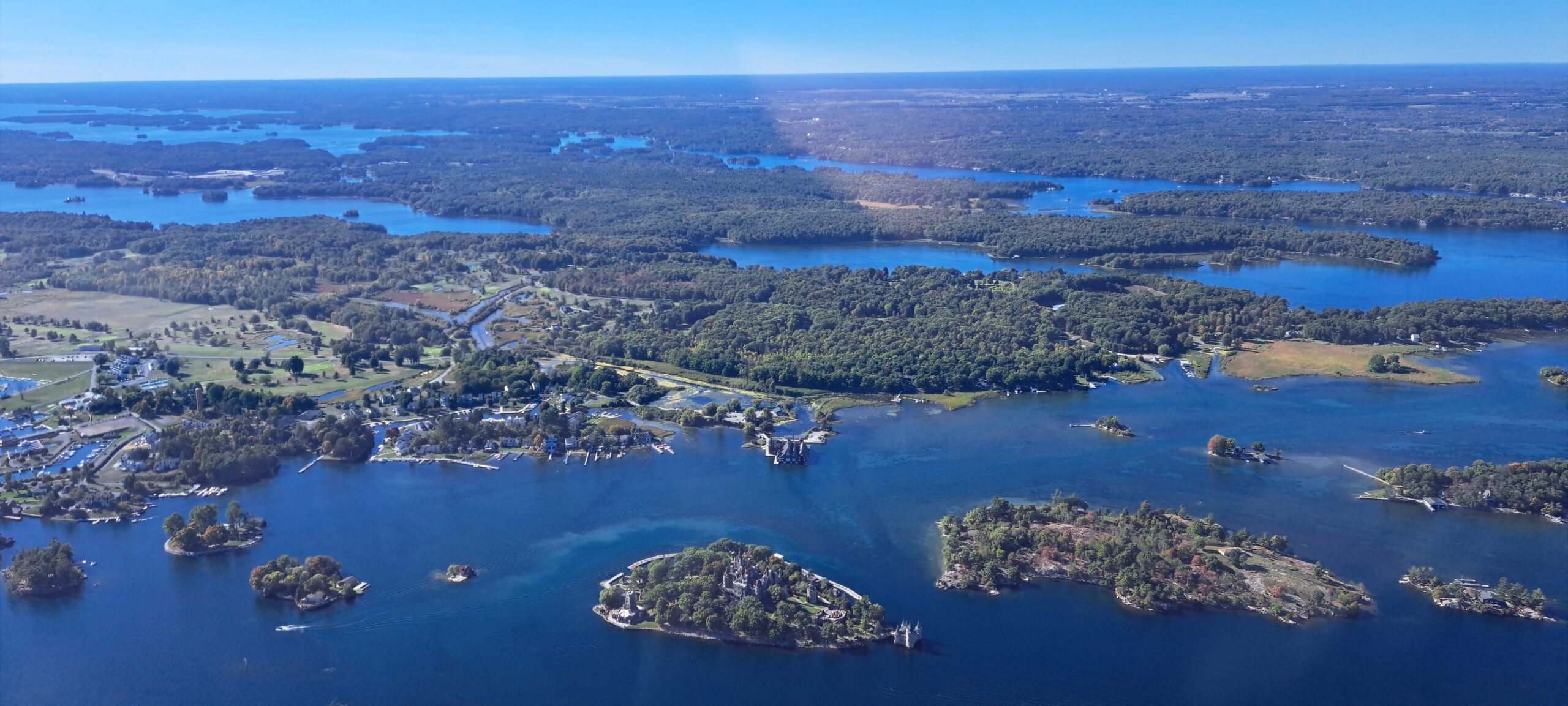
I'll always have a soft spot for slightly tacky Lake George Village because my dad took the family there every July 4th for fireworks. He'd yell, over and over, "Thank you, Thomas Jefferson! Thank you, Benjamin Franklin!" However, far greener and atmospheric, Lake Placid feels genuine and provides a real sense of community.

Explore Dorothy Parker’s New York with author Kevin C. Fitzpatrick. Visit her haunts, uncover her legacy, and plan your own literary walking tour.