
North America

Totem Poles of the First Nations in Vancouver Canada. Photo: Tonya Fitzpatrick
“Through travel I first became aware of the outside world; it was through travel that I found my own introspective way into becoming a part of it.”
– Eudora Welty
Explore the history, diverse cultures and traditions of the North American countries of Canada, Mexico and the United States. North American culture reflects both the cultures of its indigenous people- the Native Americans as well as the culture that is influenced by European Colonization.
The United States is the third largest country in the world and one of the most culturally diverse countries of the world. Described as the ‘melting pot‘ of North America , amalgamation of different cultures has given shape to the unique U.S. culture.
Mexico is the most populous state of North America and one of the largest city in the world.
Canada is the largest country of North American region and covering more than half of the continent’s area.

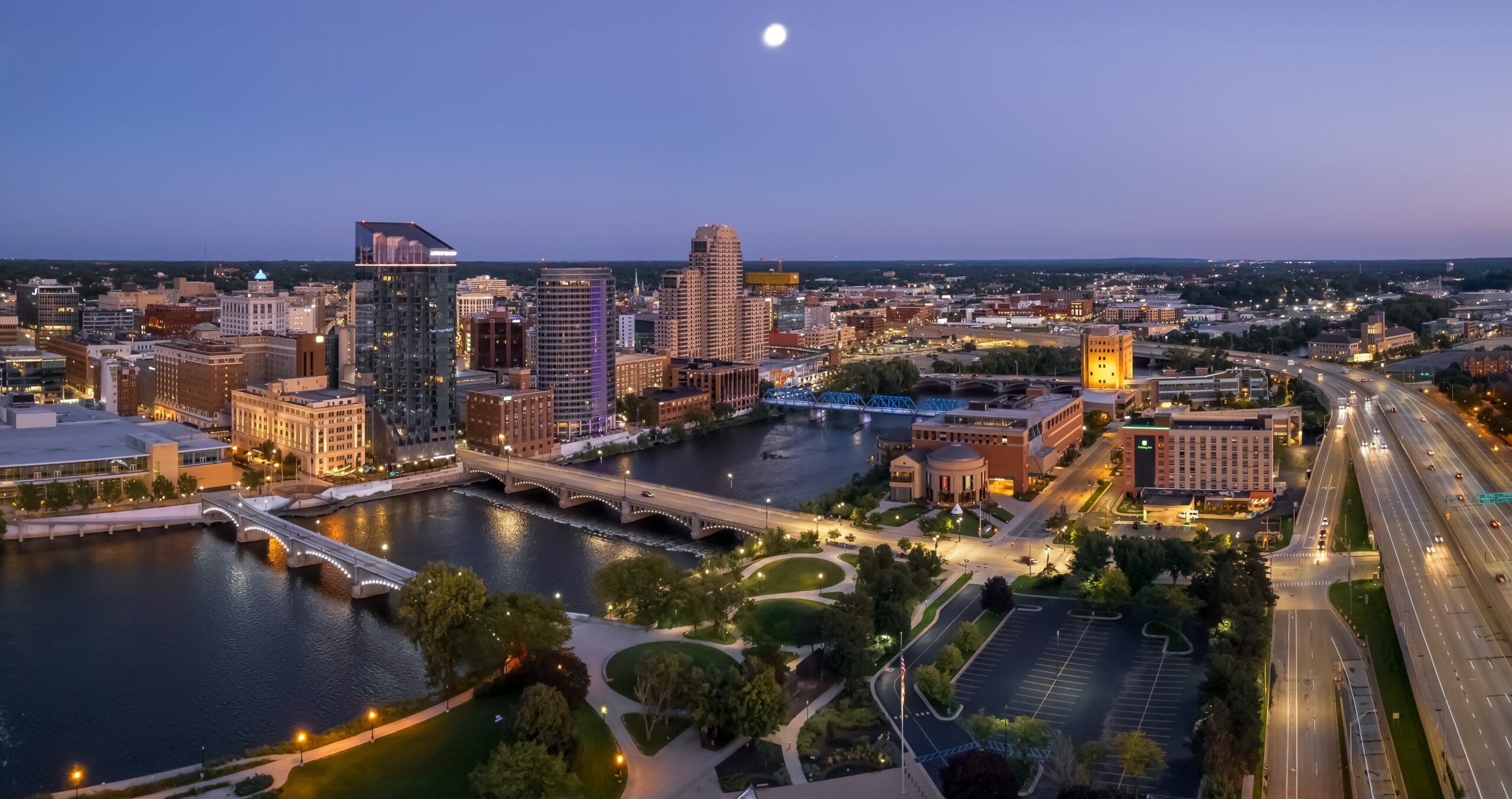
In my life as a globetrotter, I have missed large swaths of my own country, including much of the upper Midwest. Grand Rapids, Michigan, gave me an opportunity to discover something new. And it was a pure delight.

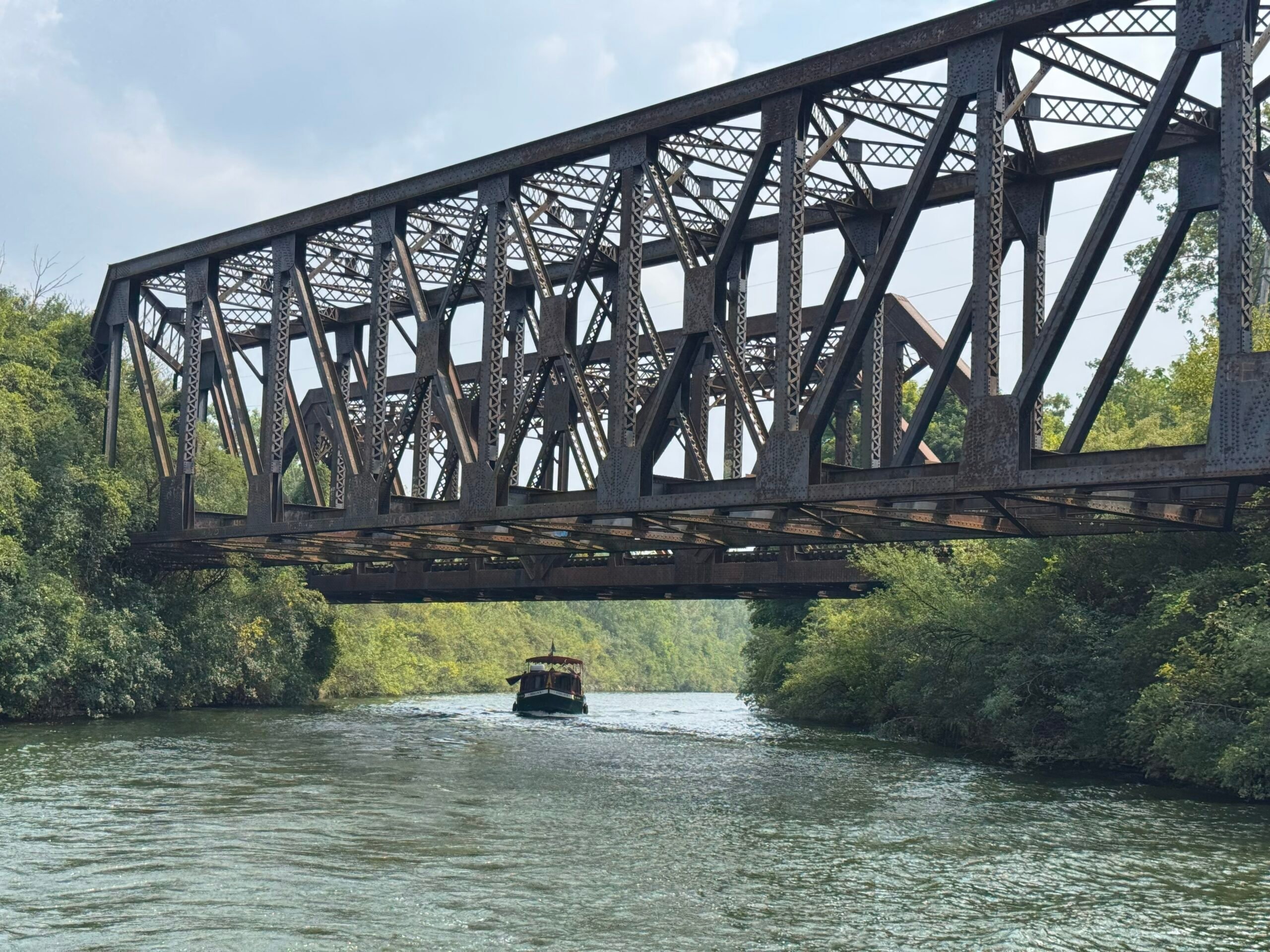
When my friend, Erik, first floated the idea of a self-piloted voyage along the Erie Canal, I did the math. From my apartment in Rochester, New York, I can drive west to the town of Spencerport in 21 minutes, 17 should the traffic lights cooperate. If heading east, I can make it to Pittsford in ten, though I usually stop at Wegmans en route, which tacks on another 30. The village of Fairport, meanwhile, requires 25 minutes behind the wheel—practically a road trip by Western New York standards.

As the world bids farewell to the old year and welcomes the new with the chime of midnight on New Year's Eve, a global tapestry of hope, resolutions, and a collective fondness for age-old culinary traditions unfolds on New Year's Day. These are traditions that both me and Ian have grown up with and ones that continue to this day in the homes of my family members and ours.

Montana dinosaur fossils, Missouri River Country Montana, Great Plains Dinosaur Museum, Montana paleontology, Zortman Montana, Montana gold rush towns, Little Rocky Mountains history, fossil hunting Montana, gold panning Montana, Montana travel podcast

When we hear mention of Harpers Ferry, John Brown’s raid to create a slave rebellion typically comes to mind. But Harpers Ferry's history is much deeper and full of surprises. The Union troops who captured Brown, leading to his hanging and eventually the Civil War, were led by US Army Colonel Robert E. Lee, who brought 86 marines and a young West Point lieutenant, James Ewell Brown Stuart, nicknamed “Jeb.”

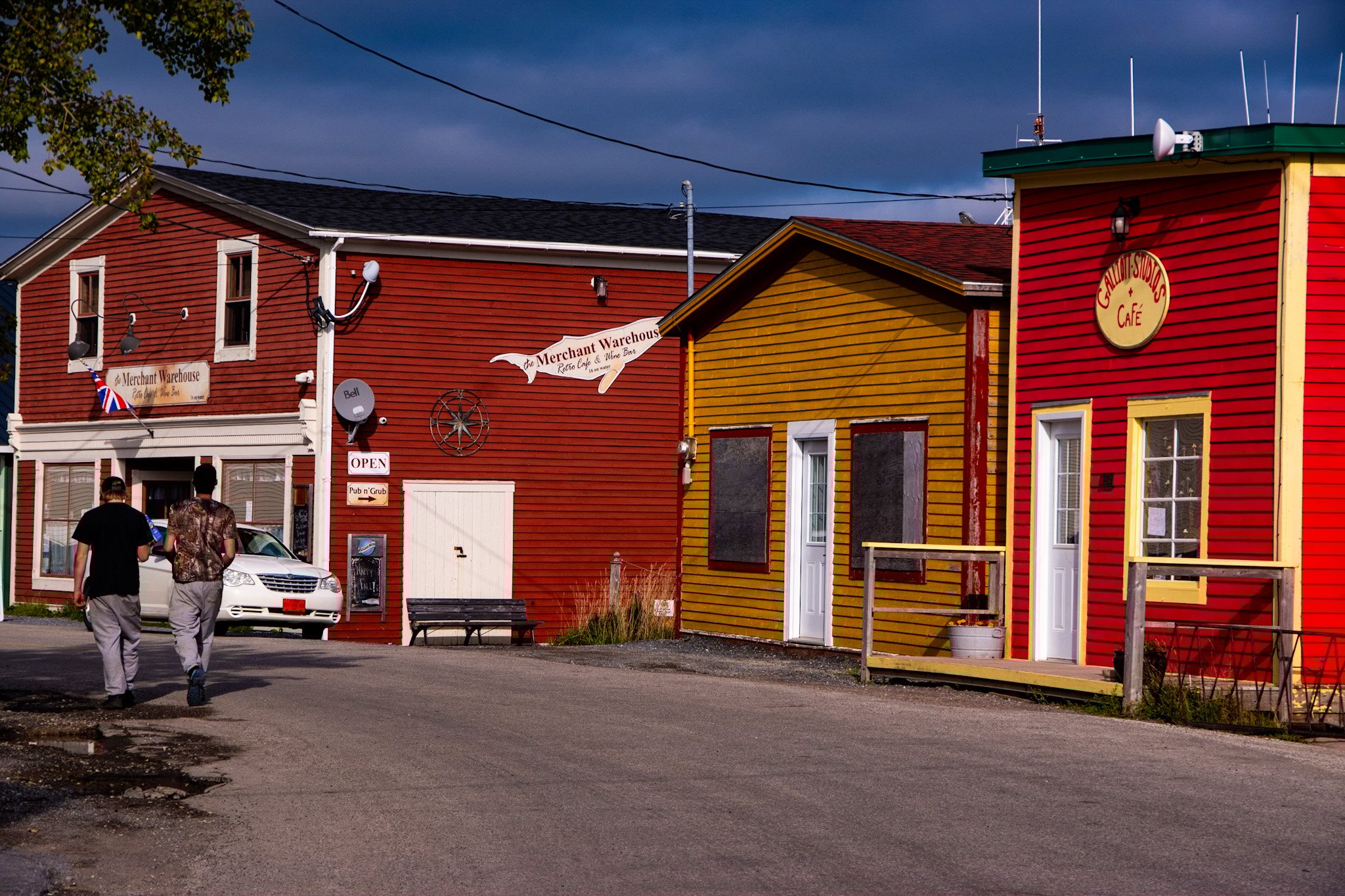
In the Canadian police drama “Hudson & Rex,” a detective and his canine partner solve crimes in and around picturesque St. John’s, capital of the province of Newfoundland and Labrador. Through six seasons (including 2024), their police work took them to all corners of Newfoundland, the world’s 16th-largest island, to adjacent Labrador, a sparsely populated fragment of the North American mainland. They even ventured to the French territory of St. Pierre et Miquélon, anchored just off the coast of Newfoundland in the Atlantic Ocean.

I love under-the-radar destinations. Schenectady, a sweet balance of history and modern multicultural flair, is a prime example of why. Upstate New York’s original “Electric City” sits only 15 miles from Albany, the state’s capital, but a world away. Settled by the Dutch in 1661, it played a crucial role in the development of early American industry and innovation, primarily in electronics and locomotion. Thomas Edison founded General Electric at Mohawk River-hugging Schenectady. It’s also where I found a surprising urban-pastoral balance of early-U.S. architecture, inviting parks, scenic bike paths, welcoming restaurants, and engaging locals.

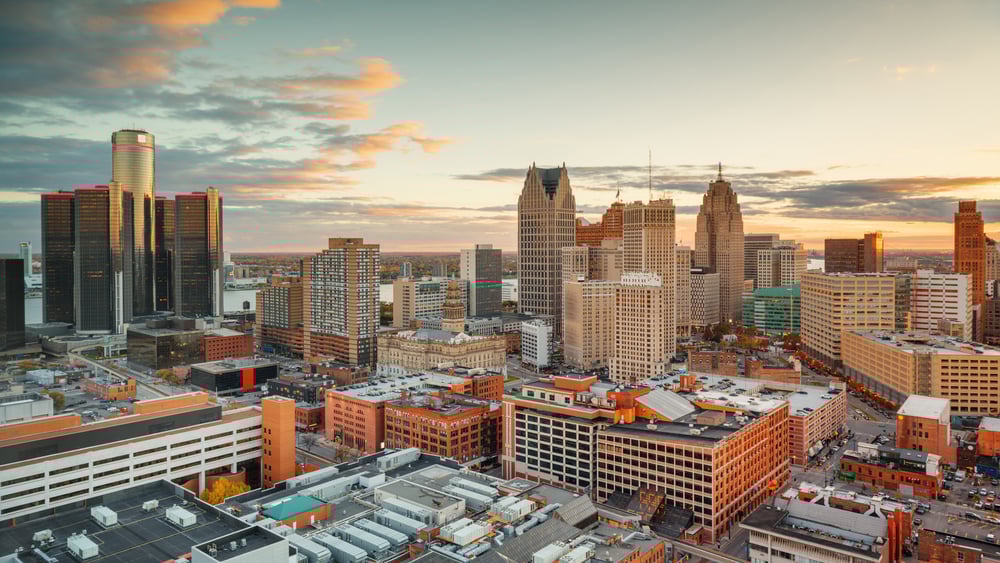
I remembered The Lip Bar from their infamous 2015 "Shark Tank" rejection—the moment Kevin O'Leary called founder Melissa Butler and her creative director "colorful cockroaches" and told them they'd never succeed. As someone who loves bright colors and wears lipstick—probably the only makeup item I've ever worn throughout my life—I'd been following the brand's journey. When I found myself in Detroit a decade later, I knew I had to visit their flagship store, especially since my favorite color is fuchsia, and I was determined to finally get their Playmate shade, which is often out of stock online.
Explore Pittsburgh beyond its steel legacy as World Footprints visits the Heinz History Center, the historic Hill District, and the iconic Carrie Furnaces. This episode uncovers the cultural, industrial, and community stories that shaped Western Pennsylvania.
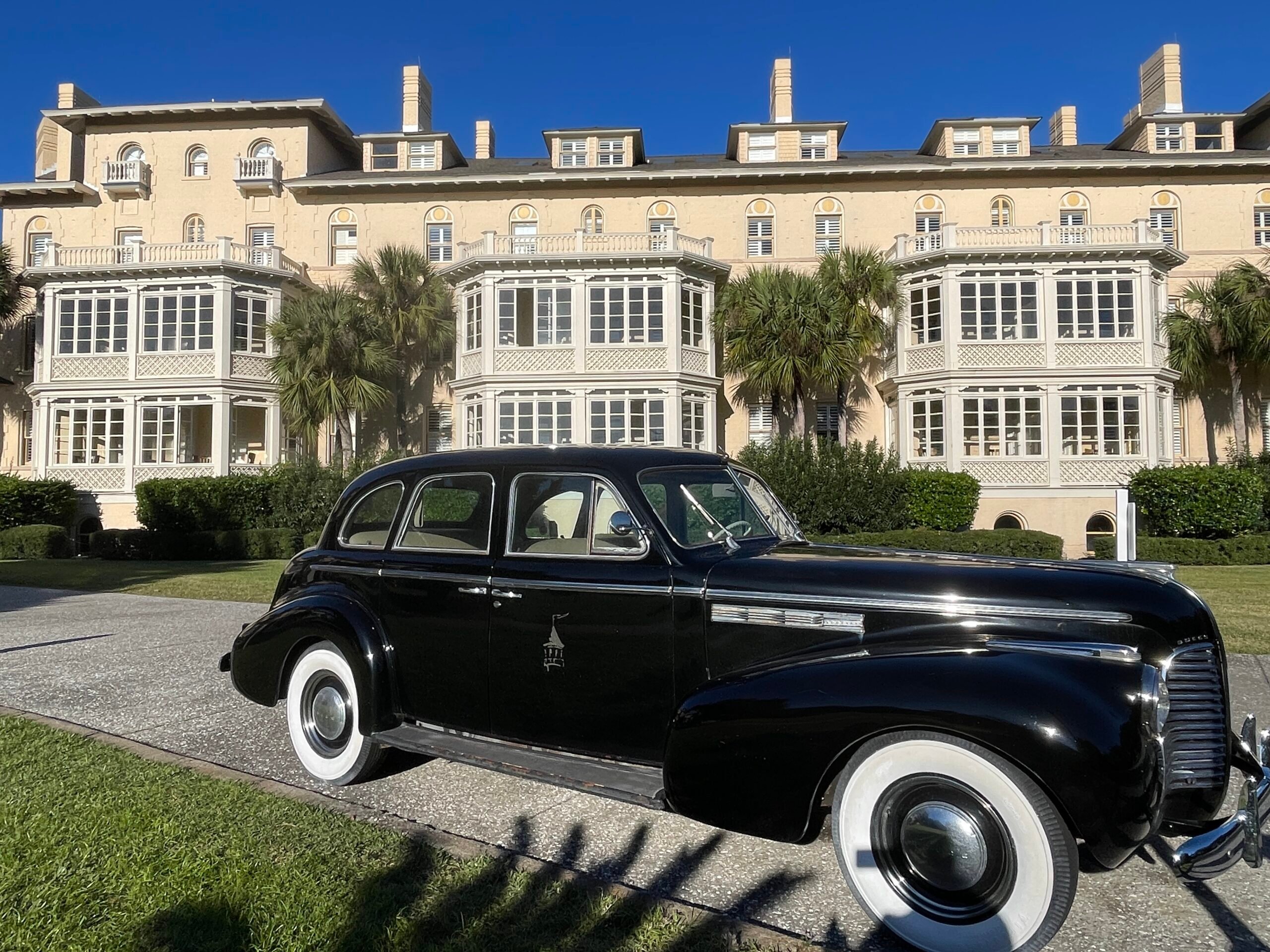
Jekyll Island doesn’t top most lists of holiday destinations, but maybe it should. Every December, the former Gilded Age retreat along Georgia’s coast transforms into a Southern-style winter escape. Live oaks are strung with lights, historic cottages are wrapped in garlands, and the old clubhouse lawn holds a towering Christmas tree. On the surface, it’s festive and charming. But what sets Jekyll Island apart isn’t just the decorations—it’s the weight of history beneath the surface.

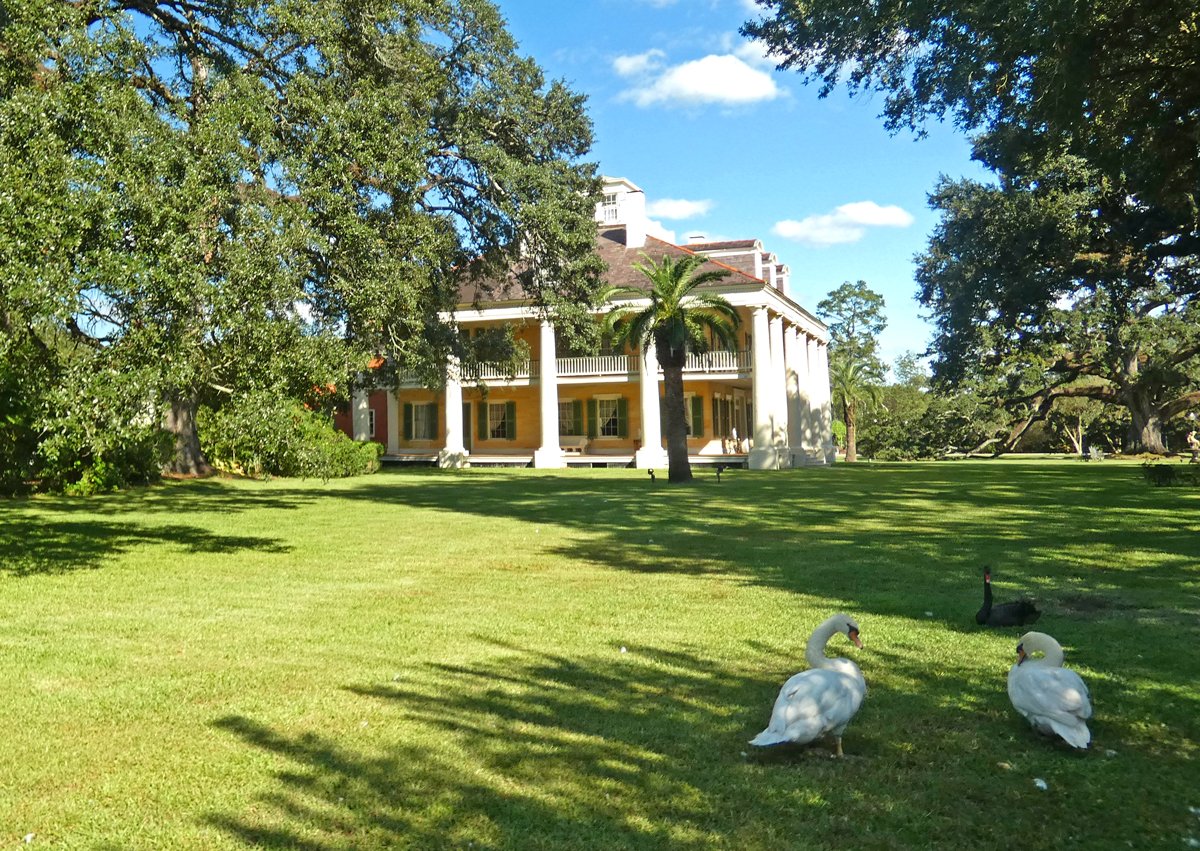
Houmas House sits gracefully along a bend of the Mississippi River, on land once inhabited by the Houmas Indians. Over thousands of years, the river shaped this area with fertile soil, transforming it into one of the South’s most productive agricultural regions. By the late 1700s, European settlers recognized the land’s potential. They began transforming it into a thriving plantation, launching an era of sugarcane farming that would become central to the property’s history.
Standing beneath the live oaks at Houmas House, you feel the contradictions of Louisiana’s River Road in real time—the beauty, the wealth, and the unspoken histories that still cling to the land. Our conversation with Kevin Kelly revealed a property that isn’t just preserved, but constantly reinterpreted. And upriver, the story shifts: historian Daniel Rasmussen brings the 1811 slave revolt out of the shadows, reminding us that New Orleans’ past is shaped as much by resistance as by refinement. By the time native writer Laura Martone joins us to share the New Orleans she grew up in—the food, the quirks, the quiet corners—you begin to see the region not as a series of attractions, but as a living, layered place where memory and modern life collide.