
North America

Totem Poles of the First Nations in Vancouver Canada. Photo: Tonya Fitzpatrick
“Through travel I first became aware of the outside world; it was through travel that I found my own introspective way into becoming a part of it.”
– Eudora Welty
Explore the history, diverse cultures and traditions of the North American countries of Canada, Mexico and the United States. North American culture reflects both the cultures of its indigenous people- the Native Americans as well as the culture that is influenced by European Colonization.
The United States is the third largest country in the world and one of the most culturally diverse countries of the world. Described as the ‘melting pot‘ of North America , amalgamation of different cultures has given shape to the unique U.S. culture.
Mexico is the most populous state of North America and one of the largest city in the world.
Canada is the largest country of North American region and covering more than half of the continent’s area.

Step into Fat Harold’s Beach Club in North Myrtle Beach, South Carolina, and you’ll know you’re in a special place For decades, Fat Harold’s has served as a gathering place for DJs, beach music lovers, and dancers, specifically, Shag dancers. With its smooth glide and intricate six-count footwork, the Carolina Shag became a defining symbol of Southern beach culture. But there’s more to the Shag story than the footwork. It’s a story that, despite segregation, centered around the Black community whose music and cultural innovation gave the dance its beloved rhythm and soul.

Built in 1782, Destrehan Plantation is the oldest documented plantation still surviving in the Mississippi River Valley. I visited this living history museum and loved that they recognized, not only the story of the owners, but also stories of the over 200 enslaved men, women, and children of West African descent who worked on the plantation.

In this second episode of our interview with Keith Stokes, advisor to the Rhode Island Black Heritage Society, we continue learning about Newport's underrepresented history during our walk through God’s Little Acre.

While millions of passengers race through Sea-Tac each year, eyes fixed on departure screens and connection times, an entire destination hides in plain sight just beyond the terminal walls. Seattle Southside encompasses the communities of SeaTac, Des Moines, Tukwila, and Burien. Together, they offer a place where immigrant communities have built one of the most authentic international food scenes on the West Coast. Here, protected wetlands and botanical gardens thrive in the shadow of runways. And luxury lodges feel like wilderness retreats despite their proximity to baggage claim. It's a destination that rewards the curious traveler willing to resist the pull of downtown Seattle, at least for a day or two.

In this episode of the World Footprint podcast, we have the privilege of interviewing Keith Stokes, advisor to the Rhode Island Black Heritage Society. Keith walks with us through the colonial African burying ground of God's Little Acre in Newport, Rhode Island and he shares many of the unrepresented stories that are etched in the grave markers.

Visiting West Maui isn’t about racing from beach to beach — though Kapalua Bay, one of America’s best beaches, is a must-see. Here, time slows. Mornings drift over ocean views. Afternoons are spent connecting with locals, and evenings invite reflection under sunset skies. Staying longer uncovers the island's heartbeat — its families, crafts, and traditions — while thoughtful travel leaves a lasting mark on both visitors and the community.

The mural stopped me cold. Painted on the side of a shipping container in Des Moines, Washington, six doughnut-shaped discs hurled what looked like molten fire down upon a small boat in Puget Sound. A dog cowered. A man shielded his son. The sky burned with something that didn't belong there.

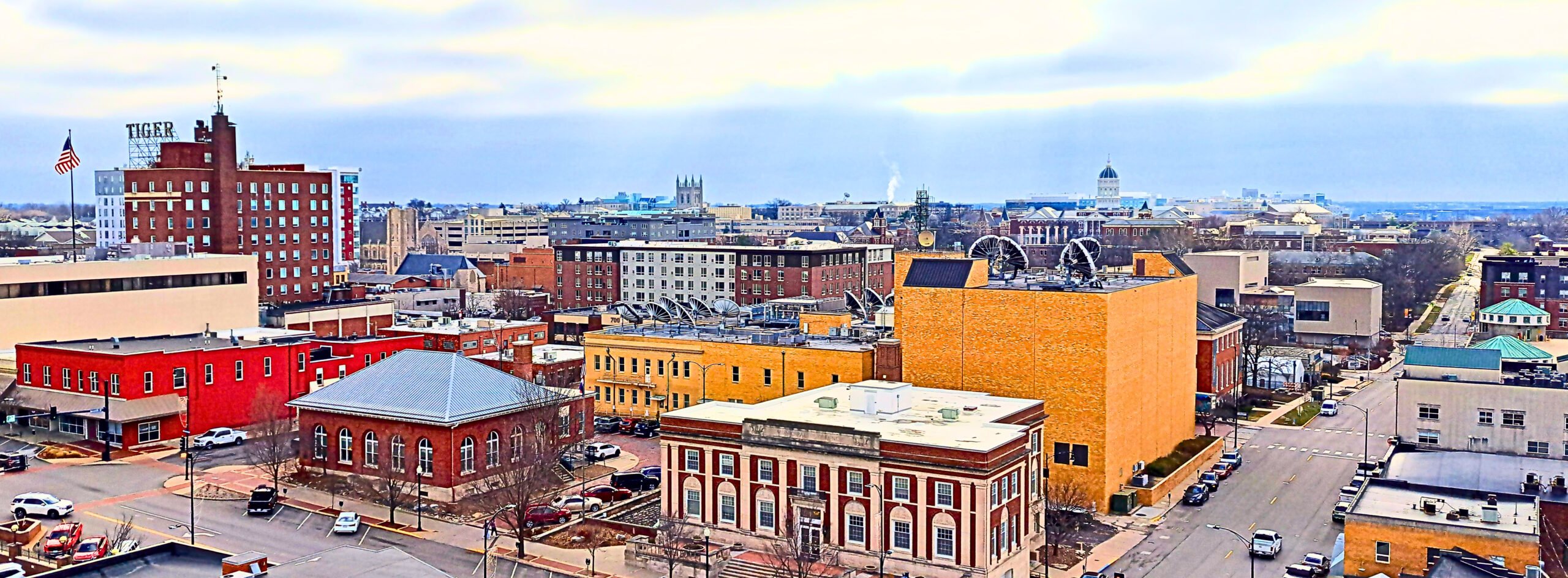
Columbia, Missouri, is a dynamic three-college town in the Midwest's rolling prairies. It baffles me that more holidaymakers don't take advantage of American college-town fun during their yearly four months of offseason calm.
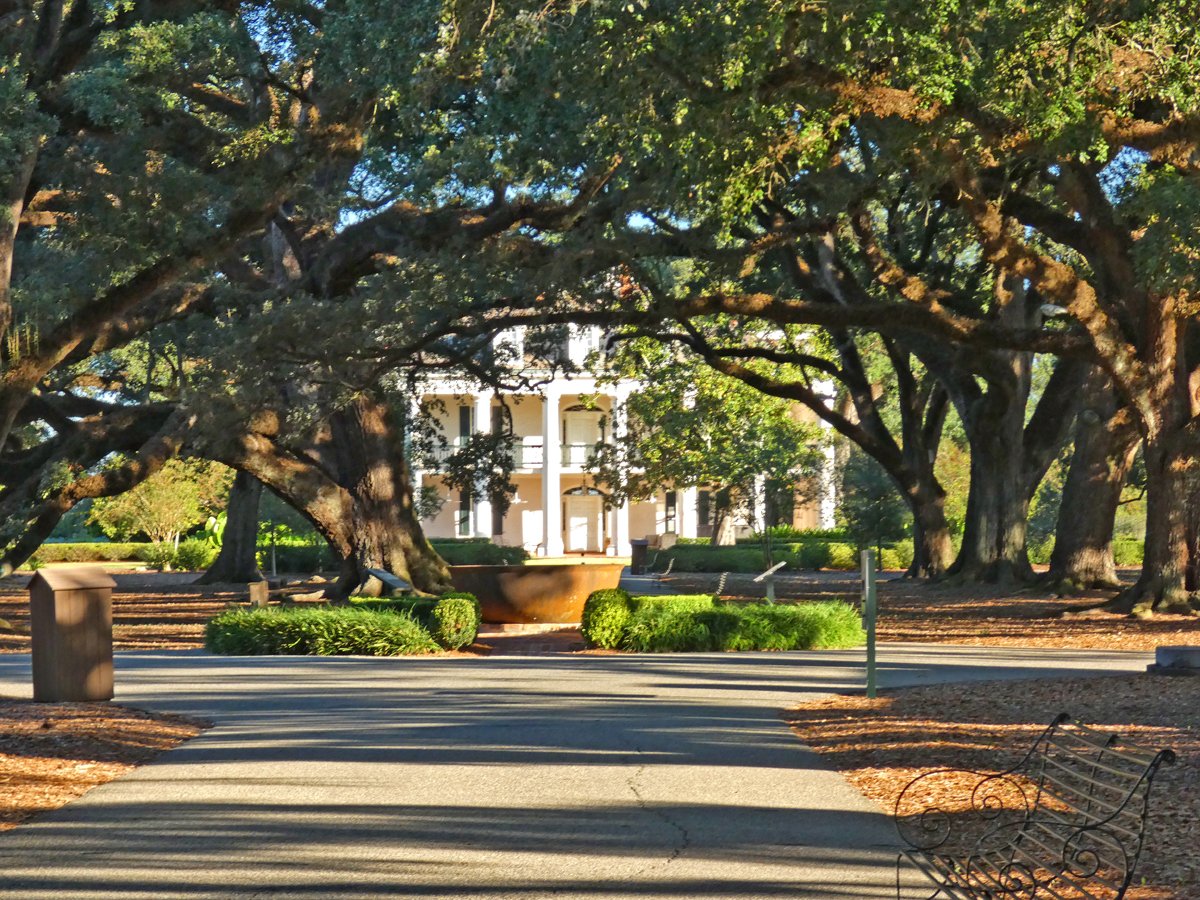
Named for the 150 to 200-year-old Virginia live oak trees lining the path from the Mississippi River to the entrance of the plantation home, Oak Alley is a national landmark. Here you’ll hear the stories of some of the enslaved people who lived here, as well as the many owners over the years.

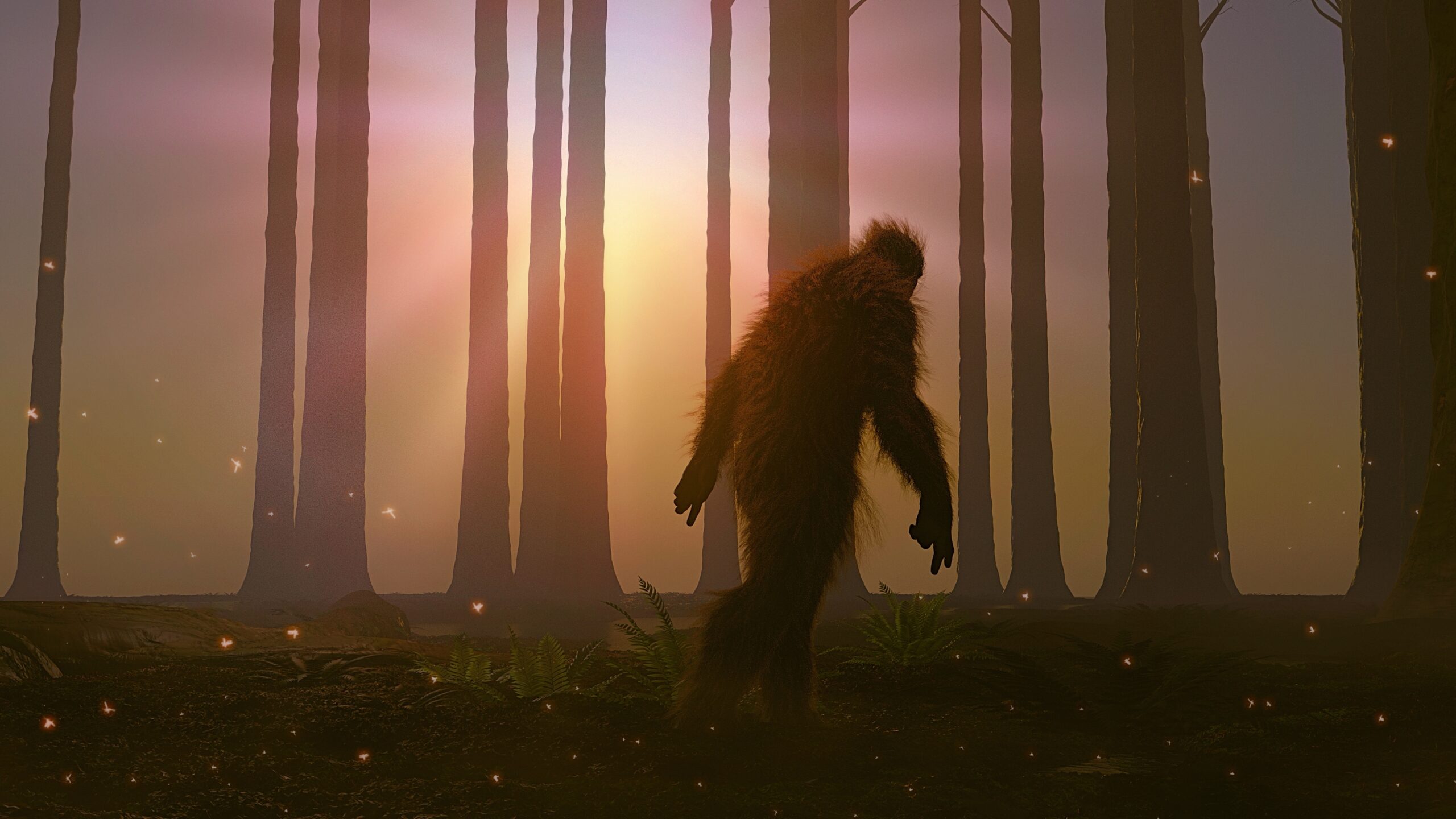
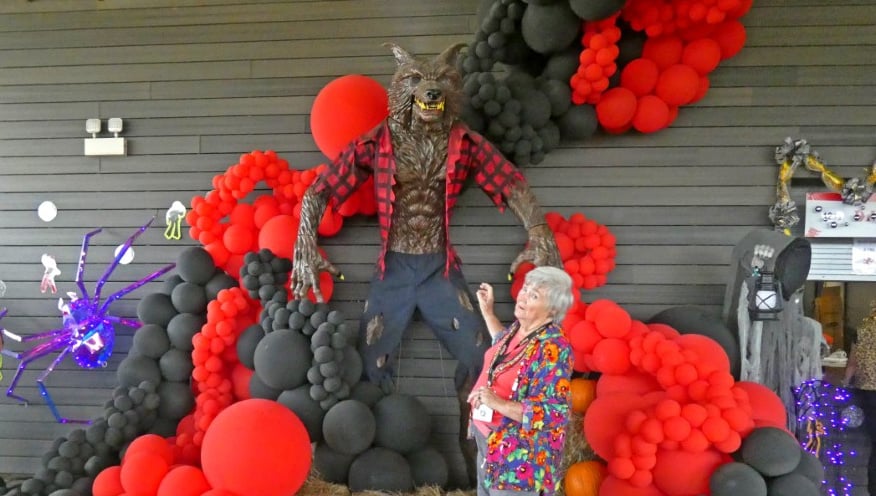
The legendary Rougarou roams the wetlands of Louisiana. A normal-looking person by day but by moonlight he becomes a terrifying werewolf. The ancient legend was brought to Louisiana by the French settlers and added to by the Acadian Canadians, today known as Cajuns, who were exiled from Canada in the 1750s.

World Footprints goes beneath the surface of the Negro Motorist Green Book, uncovering the human stories behind a document that quietly saved lives. During segregation, travel for Black families wasn’t about freedom or leisure—it was about calculation and risk. Driving through America meant navigating Sundown Towns, racial violence, and long stretches of road where no one would come to your aid if something went wrong. The Green Book became a lifeline. It identified safe places to sleep, eat, repair a car, or simply stop without fear. It also revealed a parallel America—one built by Black entrepreneurs, homeowners, and community leaders who created sanctuary in an openly hostile landscape. Overground Railroad: Reframing the Green Book’s Legacy We explore this history with Candacy Taylor, whose book Overground Railroad reframes the Green Book as part of a larger resistance network. Taylor situates Black travel within a lineage of survival and self-determination, showing how [...]

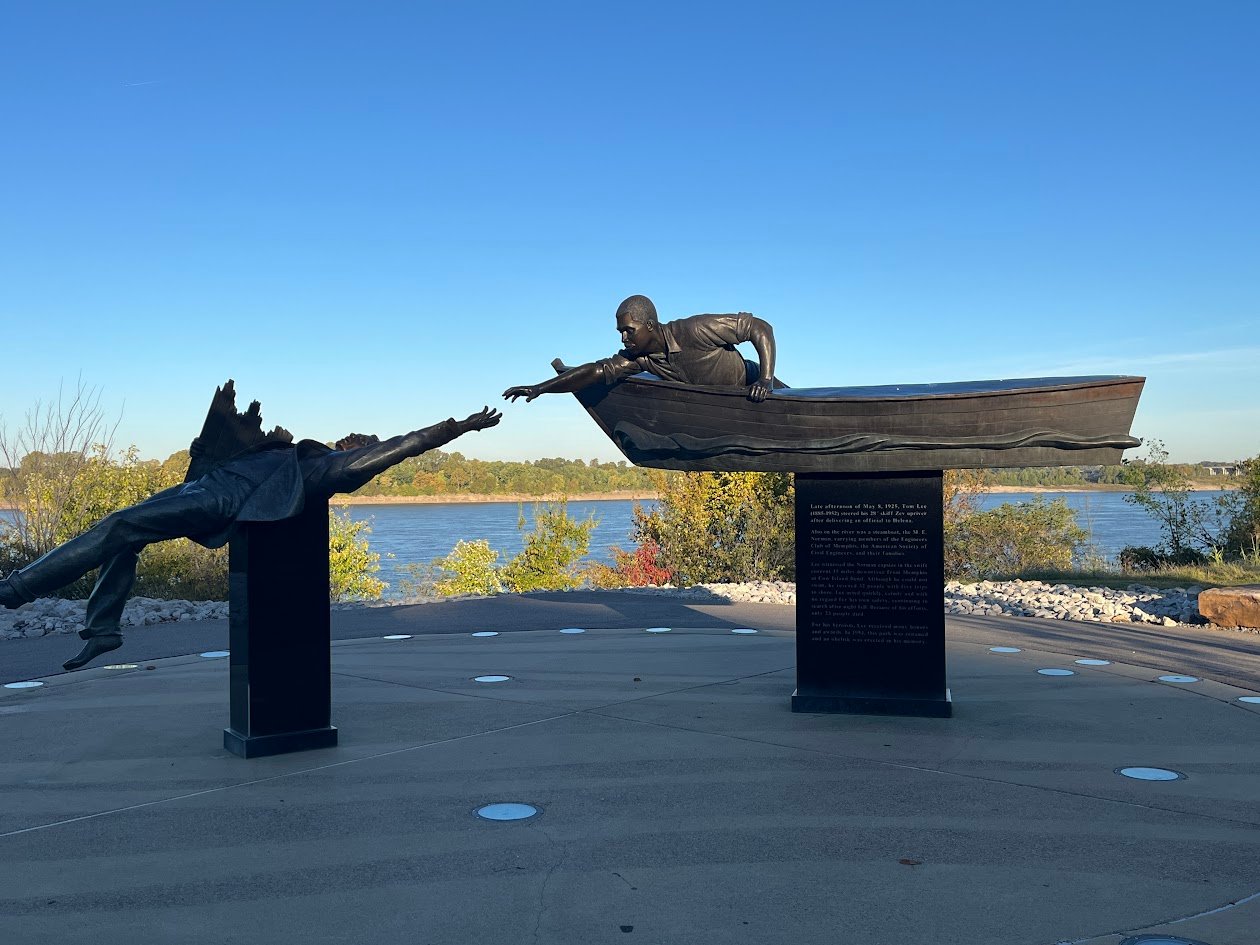
So many places in Tom Lee Park beckon me to linger. Adirondack chairs overlook the river, hammocks are nestled in the trees, and native plants are arranged in inviting gardens. Reopened in 2023 after a $61 million redesign, this large urban park in Memphis pays tribute to local Black hero Tom Lee, who rescued 32 white passengers from the Mississippi River in 1925 when their steamship capsized.