
North America

Totem Poles of the First Nations in Vancouver Canada. Photo: Tonya Fitzpatrick
“Through travel I first became aware of the outside world; it was through travel that I found my own introspective way into becoming a part of it.”
– Eudora Welty
Explore the history, diverse cultures and traditions of the North American countries of Canada, Mexico and the United States. North American culture reflects both the cultures of its indigenous people- the Native Americans as well as the culture that is influenced by European Colonization.
The United States is the third largest country in the world and one of the most culturally diverse countries of the world. Described as the ‘melting pot‘ of North America , amalgamation of different cultures has given shape to the unique U.S. culture.
Mexico is the most populous state of North America and one of the largest city in the world.
Canada is the largest country of North American region and covering more than half of the continent’s area.

The 1970s television series The Waltons bridged generations in my family. The story was set in my grandparents’ youth, and my parents were teenagers when it premiered. Reruns were the reason I decided at an early age to become a writer, like the character John Boy. The summer I turned sixteen, Dad and I watched The Waltons on TV Land together every morning. One day, as John Boy took his Model AA Ford pickup to Richmond and Charlottesville, Virginia, Dad asked, “I wonder if any of those places still exist?” After all, the fictional stories were based on real events in author Earl Hammner’s life.

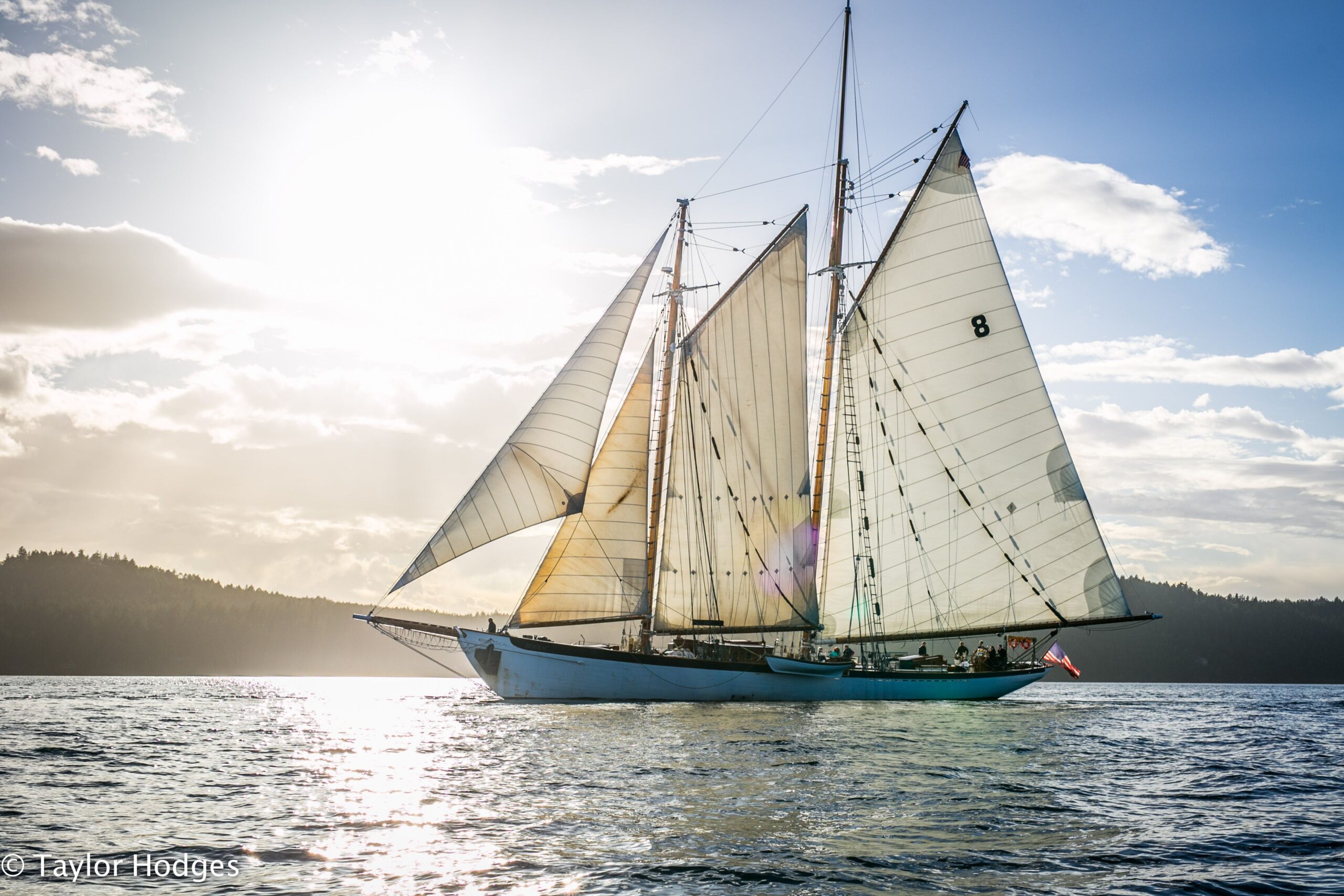
Saying the mainsail on the 100-year-old schooner Zodiac is big is like saying Babe Ruth knew how to play ball. A massive understatement, at 4,000 square feet, the Zodiac's mainsail is not just the largest working sail on the West Coast — it's larger than the average American house.
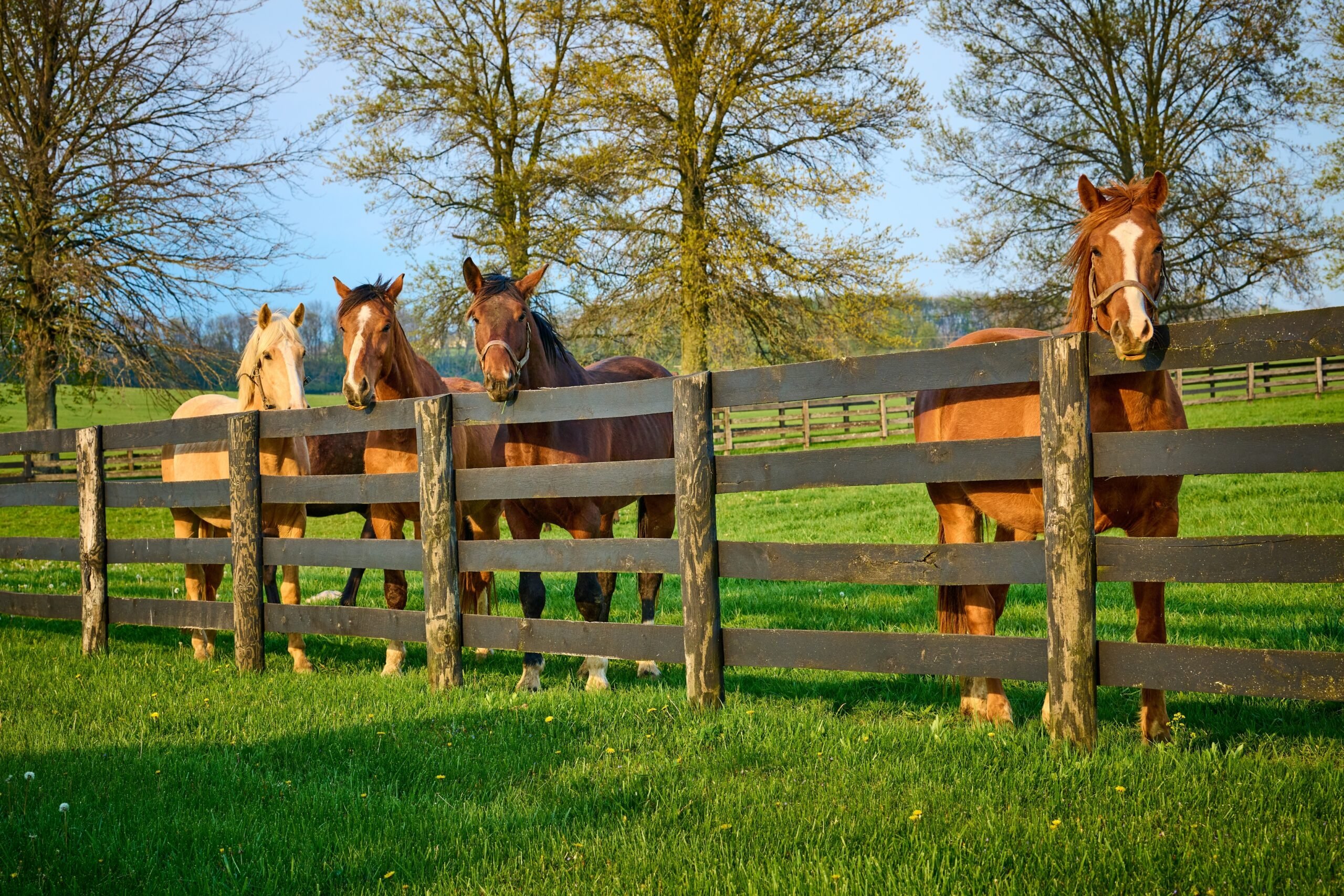
Bourbon and Baptist rarely mix. However, in Georgetown and neighboring Shelbyville, Kentucky, they blended and created a distinct bourbon culture. Elijah Craig, a Baptist minister, began distilling bourbon in Georgetown and is often credited as the father of bourbon.

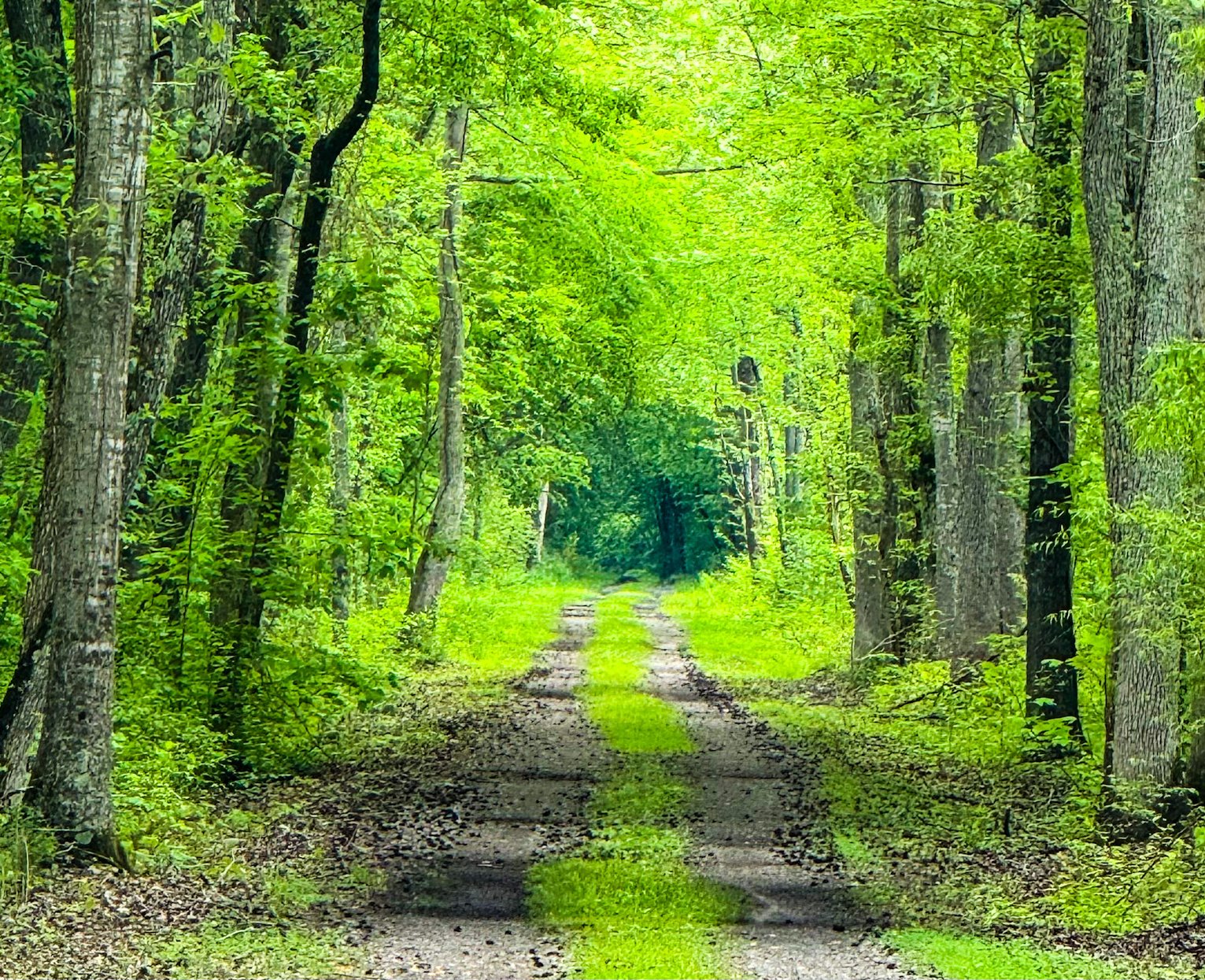
A vast trail system, for hiking or biking, is not the first thing that comes to a person’s mind when the topic of discussion is the state of Alabama. The “Heart of Dixie” is more likely to evoke thoughts of the Civil Rights Movement of the 1960s, the Tuskegee Airmen of World War II, or the University of Alabama's Crimson Tide football team.

The small Thiokol Memorial Museum in Kingsland, Georgia, tells a big story about one of the worst industrial tragedies in US history. The tragedy struck Camden County on February 3, 1971, when a plant explosion killed 29 and injured another 50 people. Thiokol Chemical was a complex of 36 buildings between Kingsland and Woodbine, another small town about 12 miles to the north, which manufactured trip flares for the Vietnam War. The victims were primarily women of color who did not know the dangerous nature of the material they were using.
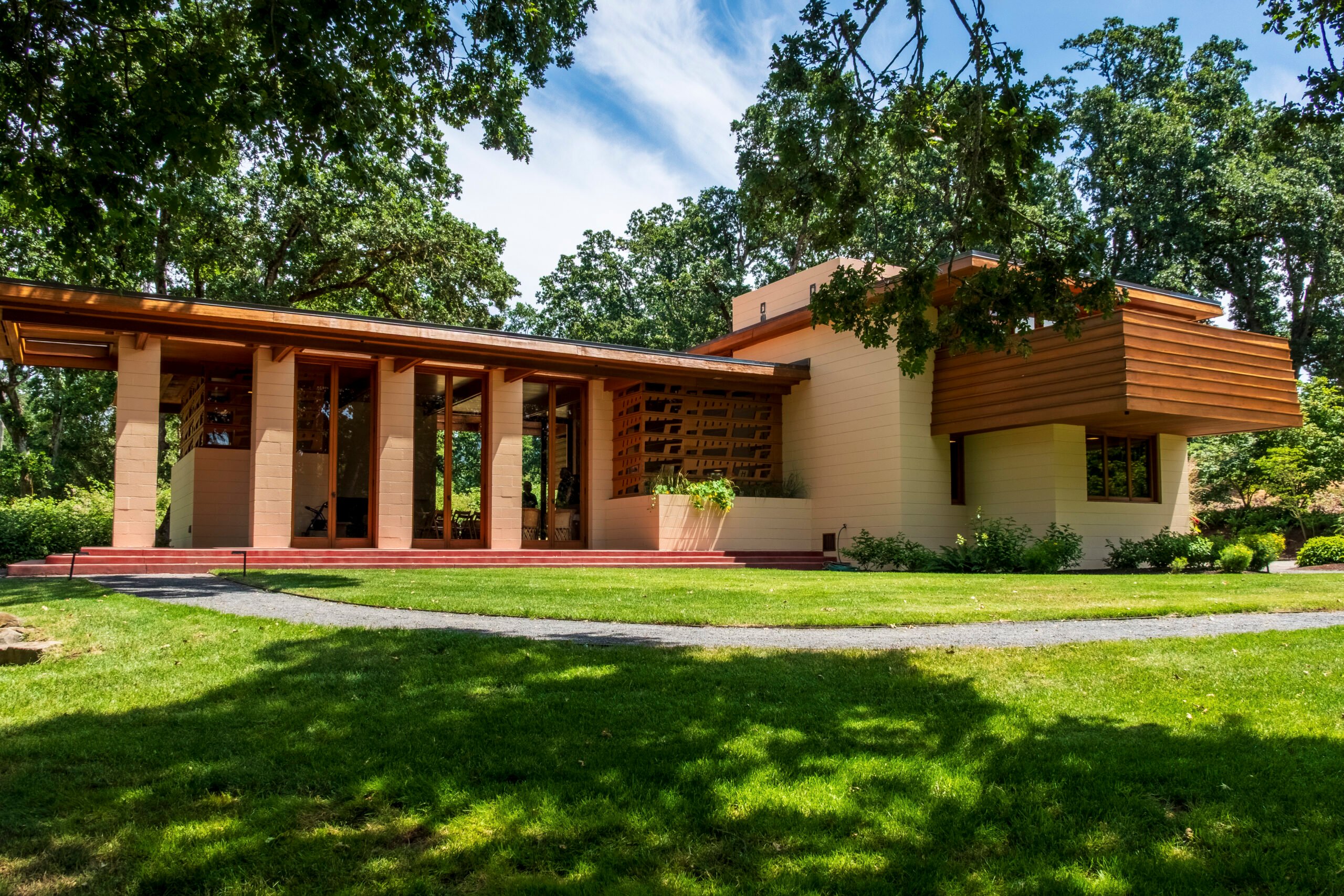
Like all fretwork by Frank Lloyd Wright, the stylized cedar cutouts over the upper windows of the Gordon House are unique. Some people think the pattern looks like upside-down saw blades in a nod to Oregon's lumber industry. Others believe it resembles fallen trees or branches, tour guide and assistant manager Mairee MacInnes remarked.

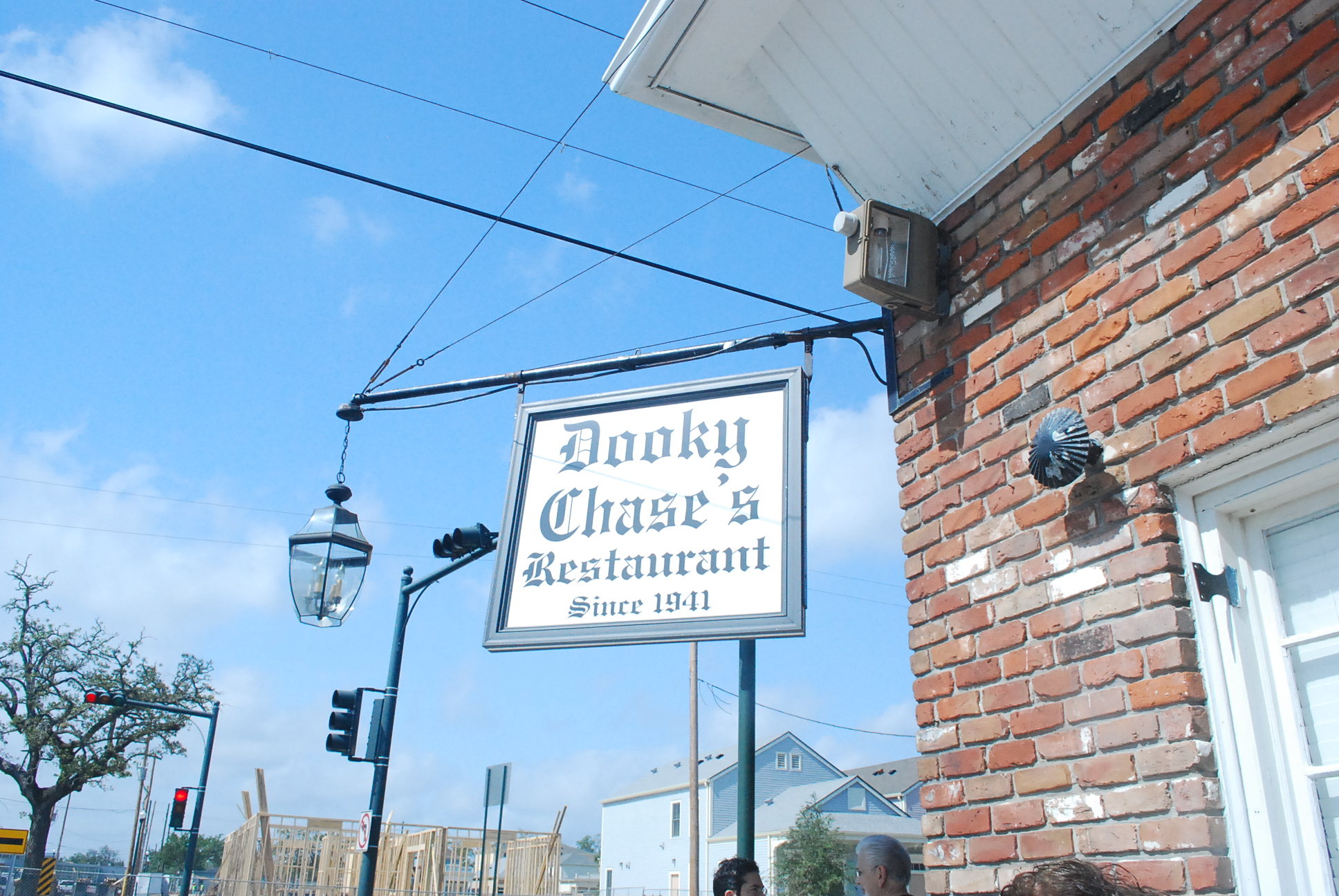
Discover New Orleans beyond the French Quarter with World Footprints. Explore Leah Chase’s legacy, Tremé’s rich history, hidden museums, and the famous Carousel Bar.
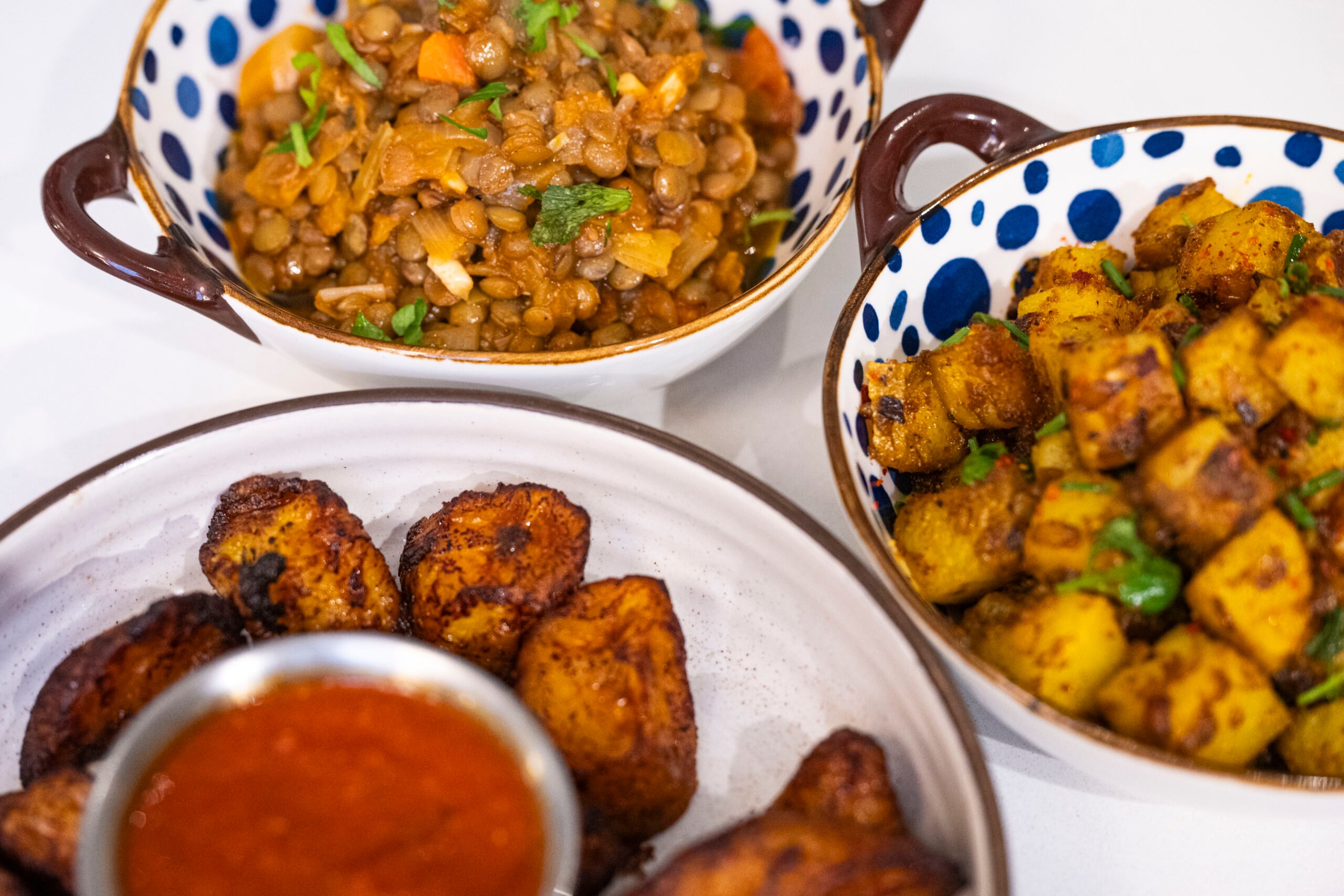
Hidden away in Aspen’s industrial outskirts near the airport, Mawa’s Kitchen appears out of nowhere. At first glance, the quiet, warehouse-filled street seems an unlikely setting for a culinary hotspot. But step inside, and that illusion quickly falls away. Here in this light, airy space, with its French-inspired wallpaper and forest-green bar, Mawa McQueen’s world comes alive.

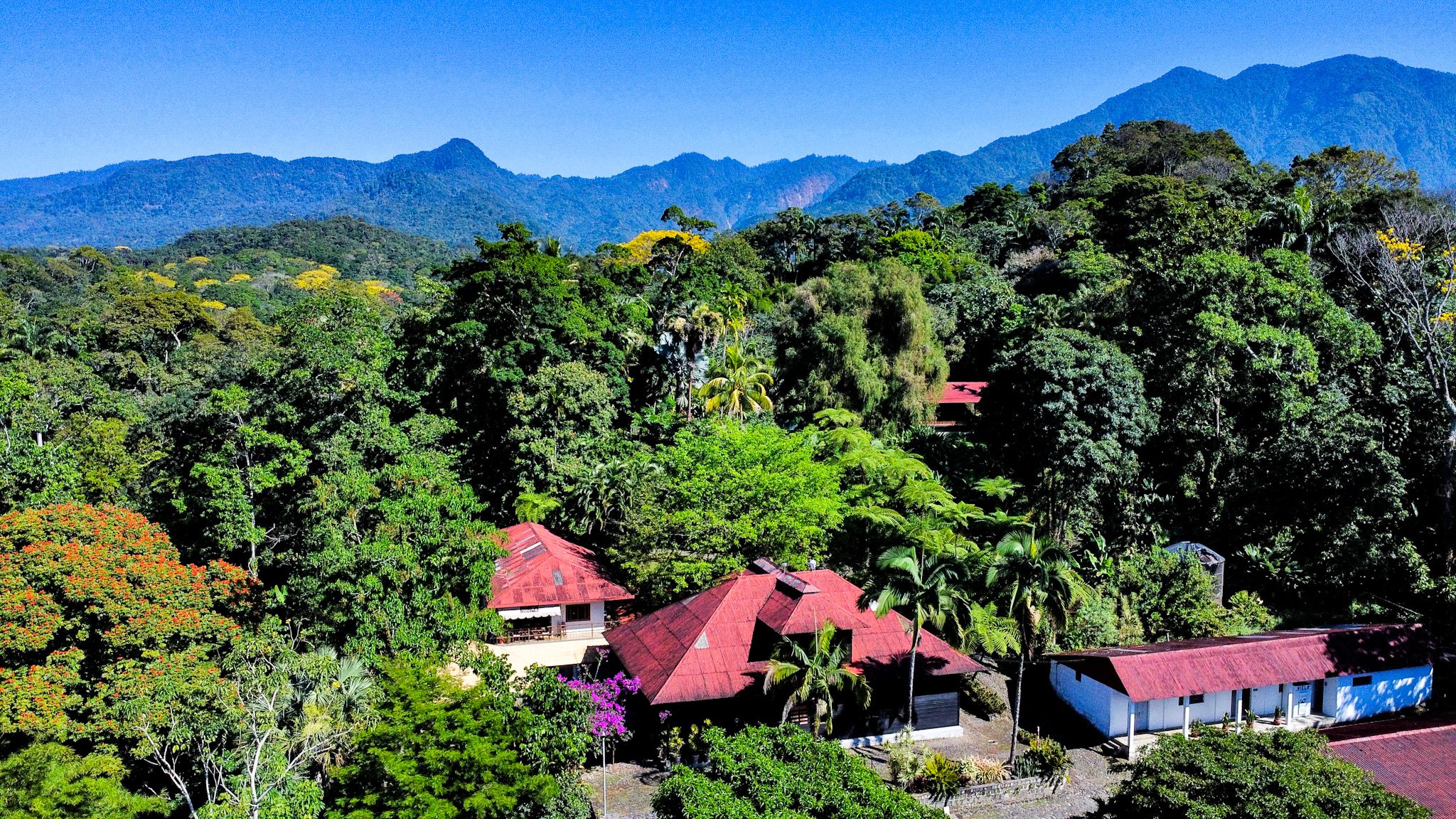
Mexico’s southernmost state of Chiapas boasts steamy tropical rainforest jungles, fertile and pine-forested mountains, and standout colonial cities and towns. Known for its cobblestone streets, baroque buildings, and elegant plazas, San Cristóbal de las Casas is on many a traveler’s radar. The ruins of Palenque and Yaxchilán are two of the most spectacular archeological sites in the Mayan world. The surrounding jungle remains unscathed, home to cacophonous howler monkeys, brightly colored toucans, and various cats, including jaguars and ocelots.

Black American travelers and digital nomads discuss race, safety and belonging abroad—and why meaningful representation in the travel industry matters.
There’s something about Martha’s Vineyard in August that feels like a reunion — not just of families, but of ideas, artistry, and culture. Tucked inside this summer tradition is one of the most important cultural gatherings happening anywhere: the Martha’s Vineyard African American Film Festival (MVAAFF).

Some of my earliest memories are of trips to Indiana. Fields of corn bedecked the seven-hour drive. When we arrived in the small town of Portland, we camped and spent our days exploring rows upon rows of antique steam engines and flea market stalls or eating sausage burgers while watching racehorses and their handlers during early-morning training sessions.