
North America

Totem Poles of the First Nations in Vancouver Canada. Photo: Tonya Fitzpatrick
“Through travel I first became aware of the outside world; it was through travel that I found my own introspective way into becoming a part of it.”
– Eudora Welty
Explore the history, diverse cultures and traditions of the North American countries of Canada, Mexico and the United States. North American culture reflects both the cultures of its indigenous people- the Native Americans as well as the culture that is influenced by European Colonization.
The United States is the third largest country in the world and one of the most culturally diverse countries of the world. Described as the ‘melting pot‘ of North America , amalgamation of different cultures has given shape to the unique U.S. culture.
Mexico is the most populous state of North America and one of the largest city in the world.
Canada is the largest country of North American region and covering more than half of the continent’s area.

Explore the untold story of the largest slave revolt in U.S. history, discover how Polaris Project is fighting modern slavery, and hear from yacht chef Victoria Allman about life aboard a luxury superyacht.

If you’ve never been to the Martha’s Vineyard African American Film Festival (MVAAFF), here’s your invitation to something truly special. This isn’t just a film festival. It’s a celebration of Black creativity, legacy, and community — all set against the stunning backdrop of Martha’s Vineyard. Every August, Oak Bluffs transforms into a vibrant hub of storytelling and connection. It’s where filmmakers, activists, artists, and audiences gather to experience a week of screenings, panels, parties, celebrity sightings and cultural exchange. If you’re joining for the first time, here’s everything you need to know to make the most of it.

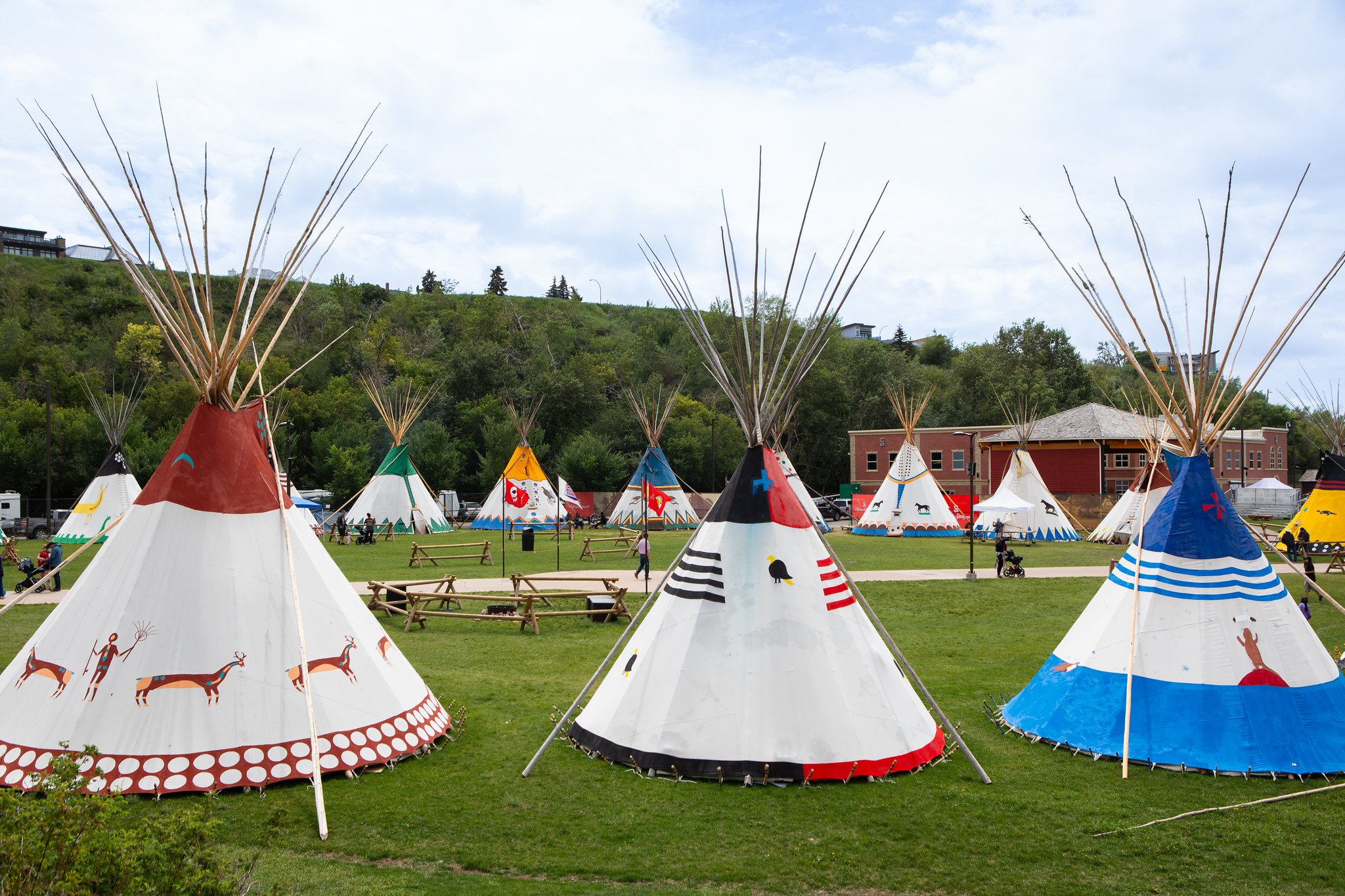
This week, “The Greatest Outdoor Show on Earth” returns to Calgary in the Canadian province of Alberta. Better known as the Calgary Stampede, this annual 10-day event features an opening parade, a rodeo, a festival filled with rides and indulgent treats, as well as pancake breakfasts throughout the community. But, perhaps one of the Calgary Stampede’s most intriguing events is the Elbow River Camp, formerly known as Indian Village.

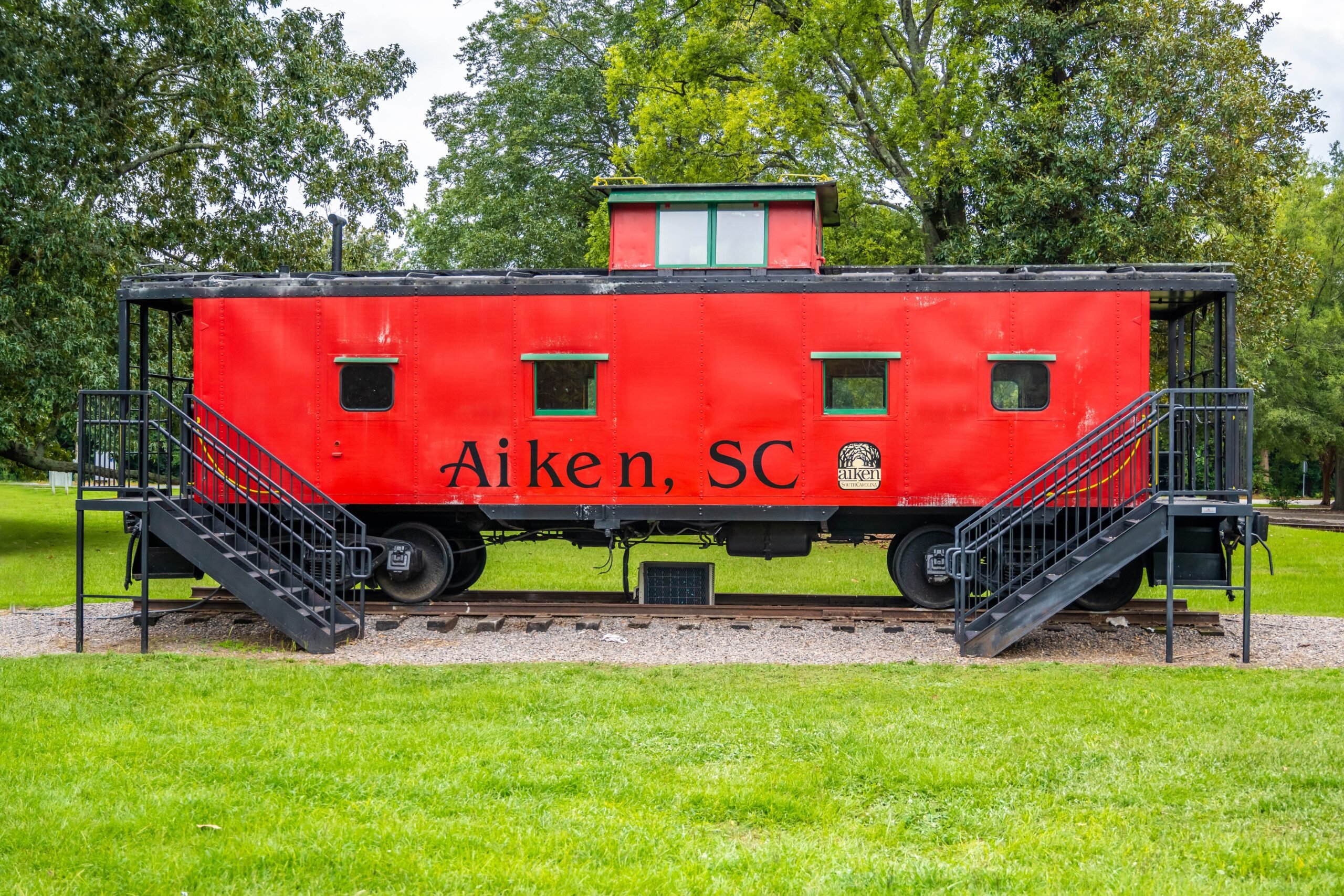
During the Gilded Age, wealthy Northerners came to Aiken, South Carolina for the warm weather, spring water, and pine-scented air. The railroad arrived here in 1830, and the Northerners followed. They established what became known as their Winter Colony. Stories of these well-heeled guests add to the charm of this Southern gem.

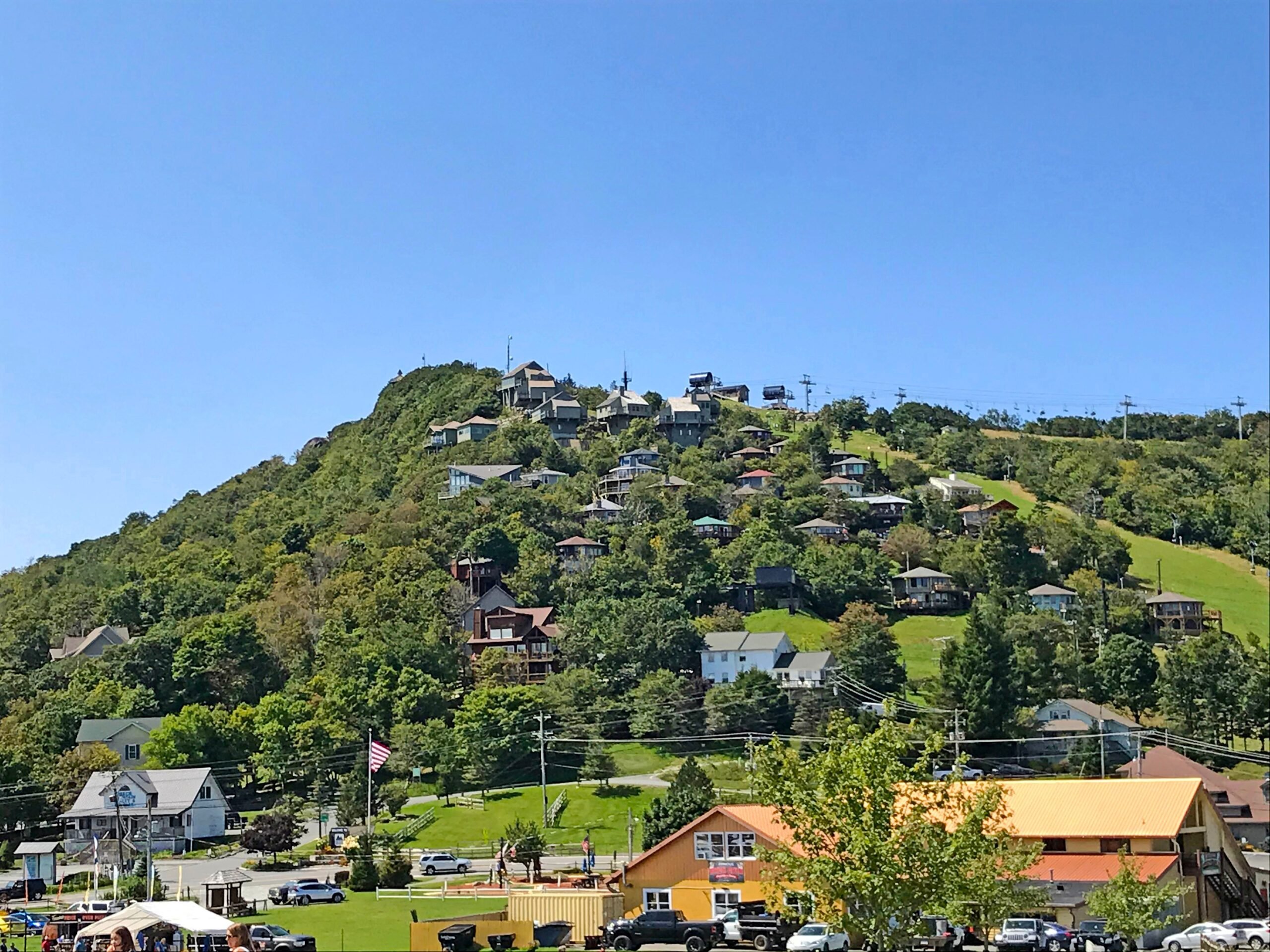
The natural beauty of the mountains of North Carolina has beckoned travelers for decades. When autumn arrives and vibrant shades of gold, orange, yellow, and red paint the landscape, even more visitors arrive. Residents and business owners eagerly anticipate the fall season and welcome travelers with a smile. But in September 2024, in the midst of the colorful season an unwelcome guest arrived…Hurricane Helene. The horrific storm caused significant damage to many mountain towns in the North Carolina mountains, and some have still not recovered. Lives, businesses, and property were lost to the storm.

“Watch us come back with a dog,” I joked to my partner as we packed our things for four months on Mexico’s Pacific coast. As it turned out, it was less of a joke than I thought. When you think of Mexico, street dogs probably aren’t the first thing that comes to mind. But outside of the resorts and villas that most tourists associate with Mexico, things are different. The country has the largest number of Mexican street dogs in Latin America. The National Institute of Statistics and Geography estimates that about 70 percent of the 18 million dogs in Mexico live on the street, born as strays or simply abandoned. It’s a statistic that becomes overwhelmingly evident as you walk around.

Hear about RV travel, the joys of multi-generational family travel. and traveling across the country as people of color.
Award-winning artist and sculptor Tyree Guyton started The Heidelberg Project in 1986 as a political protest after he returned to his old Detroit neighborhood, the Heidelberg area in the McDougall-Hunt Neighborhood, and found dereliction and debris. Drugs and crime made the neighborhood unsafe to walk even in the daytime. He began cleaning up vacant lots with the help of his grandfather, Sam Mackey. Then he took the first step in what became known as the Heidelberg Project; he painted his mother's house with brightly colored polka dots as a statement that we are all different but should all be treated equally. It became known as the Dotty Wotty House, sometimes called the People's House.

Join us for this immersive audio journey through Kansas City’s African American heritage. Whether you're a cultural traveler, a history lover, or someone seeking deeper truth, this episode offers a window into the resilience, brilliance, and legacy of Black Kansas City. 🎧 Available wherever you get your podcasts: [Apple Podcasts] • [Spotify] • [iHeartRadio] • [WorldFootprints.com]

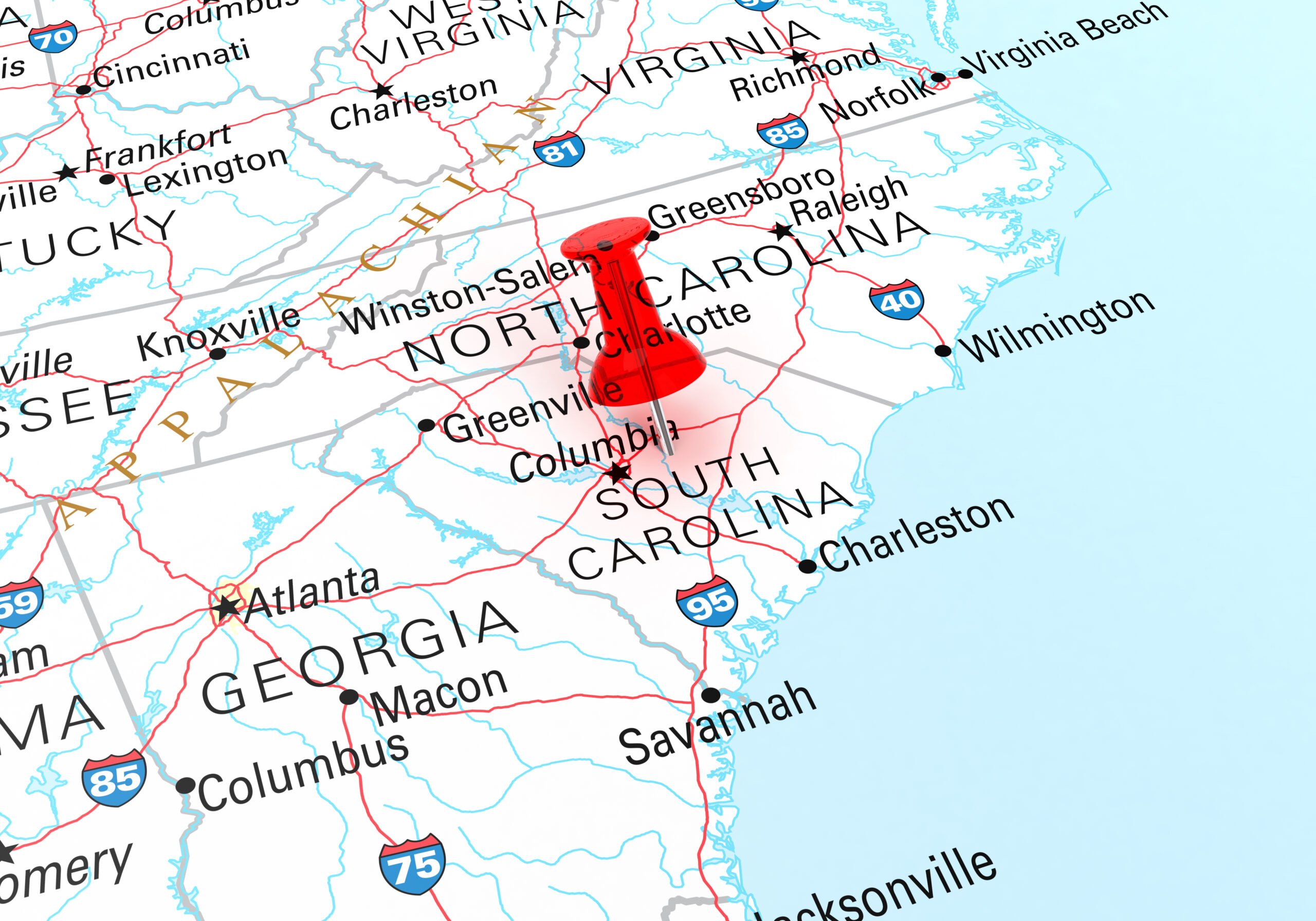
Plan a culturally rich Southern road trip through Georgia, North Carolina, and South Carolina with this guide to 24 must-see museums showcasing Southern heritage, art, science, and architecture. Discover iconic landmarks and cultural treasures perfect for itineraries through the Carolinas and Georgia or family outings in the Southeast.

When you hear the term astrotourism, you might think about famous figures like William Shatner taking a Blue Origin New Shepard rocket to the edge of space. But astrotourism isn't about going to outer space; it’s about enjoying outer space from good old planet Earth. It's a type of ecotourism centered around dark skies and celestial events such as eclipses, meteor showers, comets, and auroras.

In this special commemorative episode of World Footprints, we reflect on the courage, grief, and resilience that define the American spirit—from the families of fallen soldiers to the enduring legacy of President John F. Kennedy, and the heroism of World War II veterans.