
North America

Totem Poles of the First Nations in Vancouver Canada. Photo: Tonya Fitzpatrick
“Through travel I first became aware of the outside world; it was through travel that I found my own introspective way into becoming a part of it.”
– Eudora Welty
Explore the history, diverse cultures and traditions of the North American countries of Canada, Mexico and the United States. North American culture reflects both the cultures of its indigenous people- the Native Americans as well as the culture that is influenced by European Colonization.
The United States is the third largest country in the world and one of the most culturally diverse countries of the world. Described as the ‘melting pot‘ of North America , amalgamation of different cultures has given shape to the unique U.S. culture.
Mexico is the most populous state of North America and one of the largest city in the world.
Canada is the largest country of North American region and covering more than half of the continent’s area.

Over the years, many people helped create the Florida Keys we know today. Some lived there, others only visited. Today, Mallory Square Sculpture Garden displays busts of people who impacted Key West. From Bogart to Hemingway to President Harry Truman, the Florida Keys has always been a magnet for famous characters.

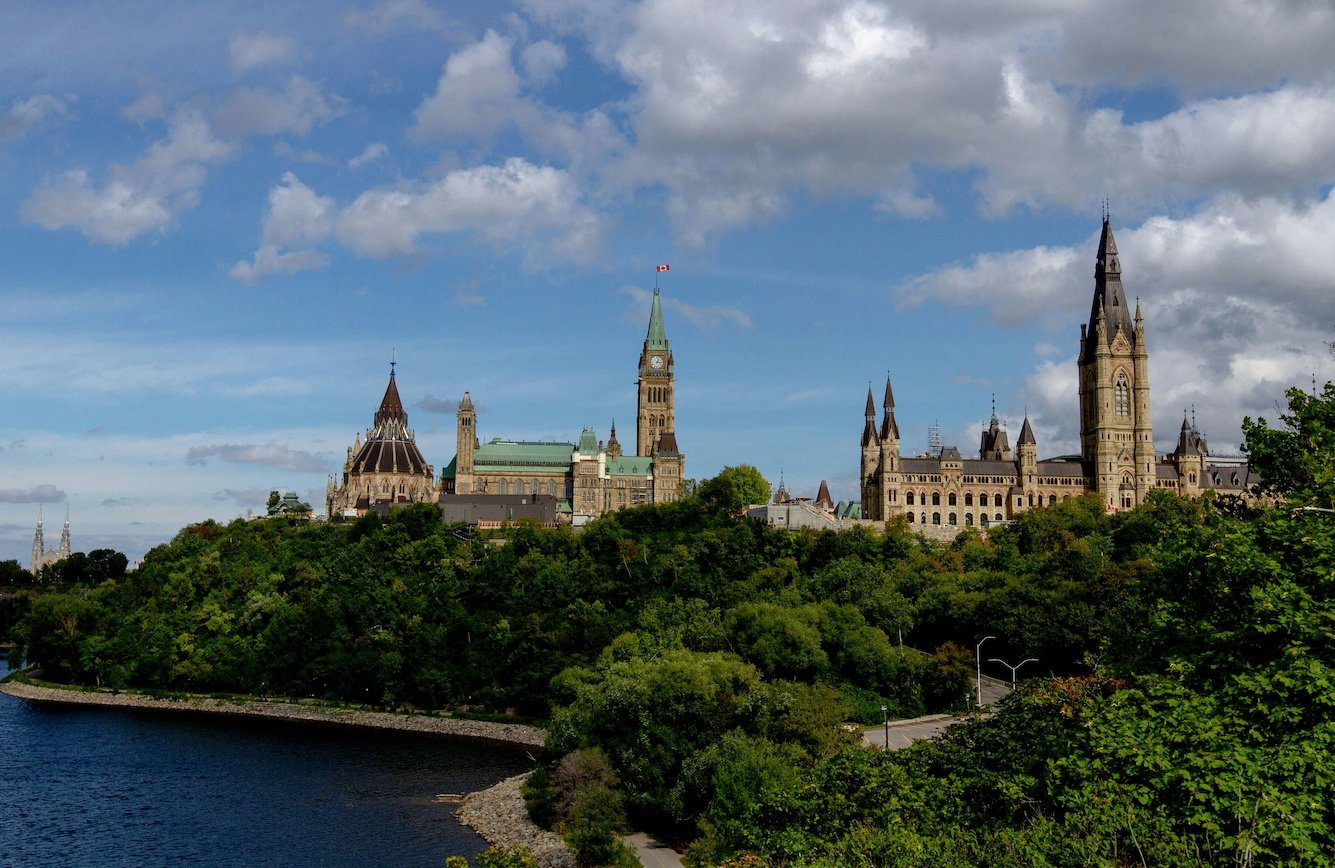
When conjuring up images of Canada, the Rocky Mountains or the CN Tower might come to mind first. Canada’s capital city, Ottawa, rarely lands in the top five of most Canadian travel bucket lists. I would know–I've written some of those. But suppose you're looking for a city break with lots of outdoor adventures, history, and great food served with a side of Canadian charm. In that case, Ottawa is undoubtedly a destination that deserves a look.

An iconic American riverside outpost, Savannah resembles a charming European city fronting an urban-yet-pastoral landscape of botanical gardens and period homes. Here, 100-year-old gigantic moss-draped live oak trees dominate America’s first planned city. Savannah also overflows with handsome squares, monuments, eclectic locals, and a genteel southern heritage.

Martin Luther King, Jr. National Historical Park & Preservation District in Atlanta, Georgia, shares the story of how a young Black boy born into the segregated South became a national icon for Civil Rights. The park consists of several blocks along Auburn Avenue. Here you’ll find the Visitor Center, Martin Luther King, Jr’s birth home, and the BEHOLD monument. Other historic sites include Fire Station No. 6, The King Center, where Dr. and Mrs. King are buried, and Freedom Hall. The historic Ebenezer Baptist Church, where King gave his famous “I Have a Dream” speech.

Traveling with Pomegranates A Mother’s Day Celebration of Bonding, Reinvention, and the Transformational Power of Women’s Journeys Just in time for Mother’s Day, this special episode of World Footprints honors the enduring power of mother-daughter relationships and the life-changing experiences women share through travel. Whether you're seeking inspiration for a Mother’s Day getaway, planning a female retreat, or navigating your own journey of reinvention, this episode is a heartfelt celebration of the bonds that shape us—and the places that help us grow. We are joined by Sue Monk Kidd, the acclaimed New York Times bestselling author of The Secret Life of Bees, and her daughter Ann Kidd Taylor, for a powerful conversation about their co-authored memoir, Traveling with Pomegranates: A Mother-Daughter Story. The book chronicles a transformative trip through Greece and France, taken at a time when both women were facing deep personal questions: Sue was working through early ideas [...]

Expanding America's historical narrative to include enslaved and Indigenous people and their contributions to the country.

New Orleans has an unparalleled tradition of comfort cuisine and infectious music. It’s also a big-time art town that overflows with culture. Arguably the Caribbean’s northernmost outpost, the homeland of funk and soul music has long been one of the world’s most celebrated cities. From the bustling French Quarter to pastoral Audubon Park, this storied destination provides every angle of having a good time. There are also a few really cool places to stay, too.

I adore car museums for the same reason I admire artifacts in archaeology museums. They teach us about history, style, and ways of life shaped by the parade of automobiles on display. They're an ode to America's love affair with automobiles, and few do it better than LeMay — America's Car Museum in Tacoma, Washington.

A short flight southeast of Mexico City, the state of Oaxaca holds a mysterious allure for those who travel Latin America. Its culturally rich tapestry may be little more than a blip on the radar of those seeking glitzy beach resorts in Cancun, Los Cabos, and Puerto Vallarta. However, for those seeking authenticity, Oaxaca has no rival. Twenty distinct ethnic groups reside in the state. And, a full third of the population speaks an indigenous dialect.
Oconee County, South Carolina, museums take you from the earliest human habitation at the Museum of the Cherokee to the most modern innovations in the world of energy, where Duke Power showcases the many ways energy is created from wind and solar to nuclear.

On today’s show World Footprints explores the plight of the endangered Panther, we chat with one of the rising IZOD Indycar stars Simona de Silvestro, and we also view Catholicism through the lens with Father Robert Barron. As a special bonus, we added some sound bytes and interviews from the DC Stop Modern Slavery walk to end human trafficking.

This show illuminates the intersection of the California winegrowing industry and environmental activism.