
Cultural Heritage

Mention Alaska, and images of vast wilderness, rugged beauty, and epic outdoor adventures quickly come to mind. Yet beyond its scenery and adventurous spirit, Alaska’s culture and history have stories of their own to tell, and one of them comes alive each summer in Fairbanks.

Southwest Louisiana has always known how to celebrate, and Lake Charles is no exception. I experienced my first Mardi Gras in this gem of a city, and I loved every minute of it. Unlike the louder party atmosphere associated with New Orleans’ rowdy Bourbon Street, Mardi Gras in Lake Charles offers a family-friendly celebration.

Author Nancy Brown Diggs joins World Footprints to explore the real history, culture, music, and identity of Appalachia while challenging the stereotypes surrounding one of America’s most misunderstood regions.

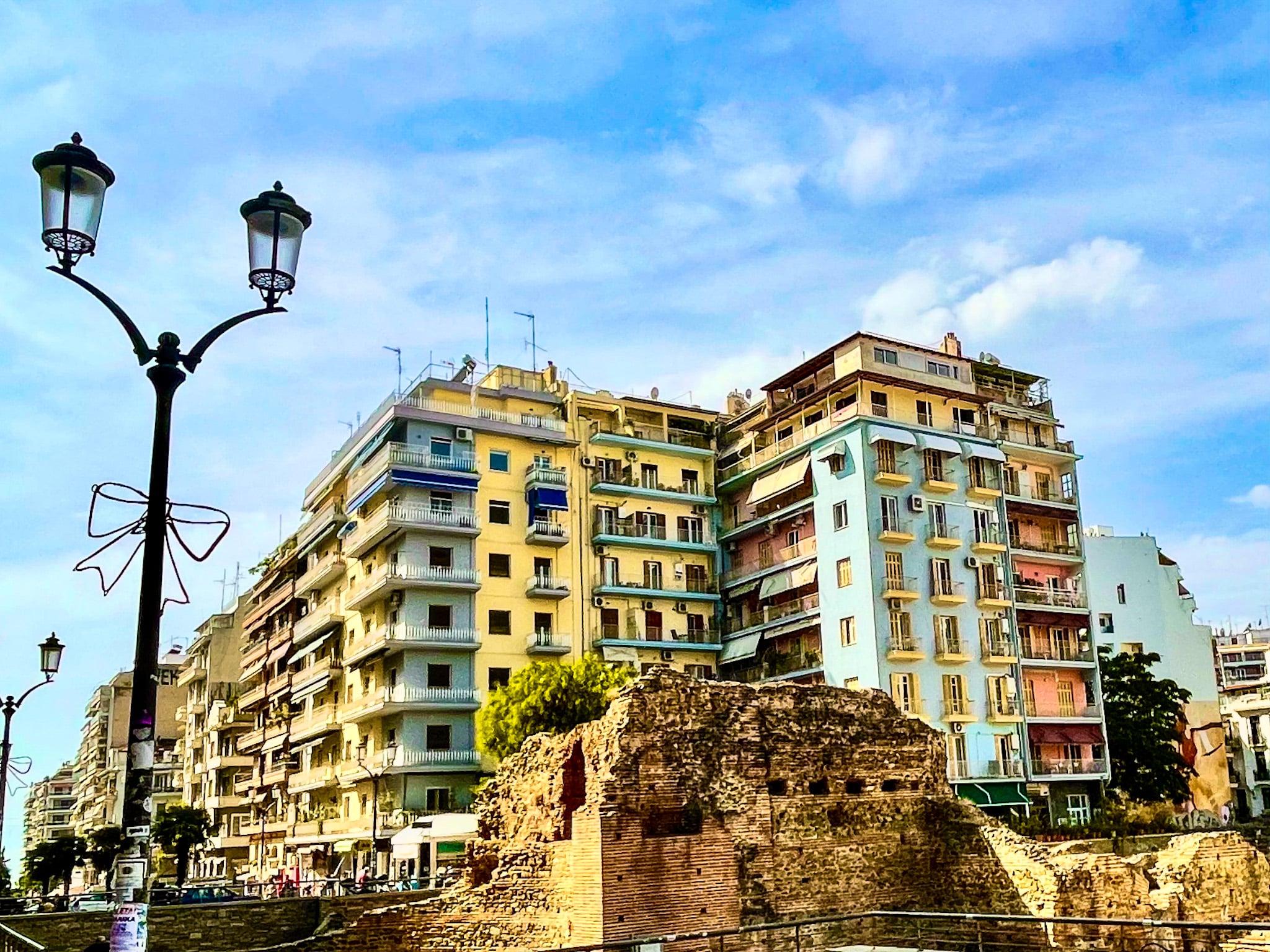
Often described by Greeks as the country’s “second capital,” Thessaloniki is a city where history and modern creativity coexist effortlessly. Ideal for a city break or short stopover, it offers a rich tapestry of experiences and unforgettable memories in less-visited northern Greece.

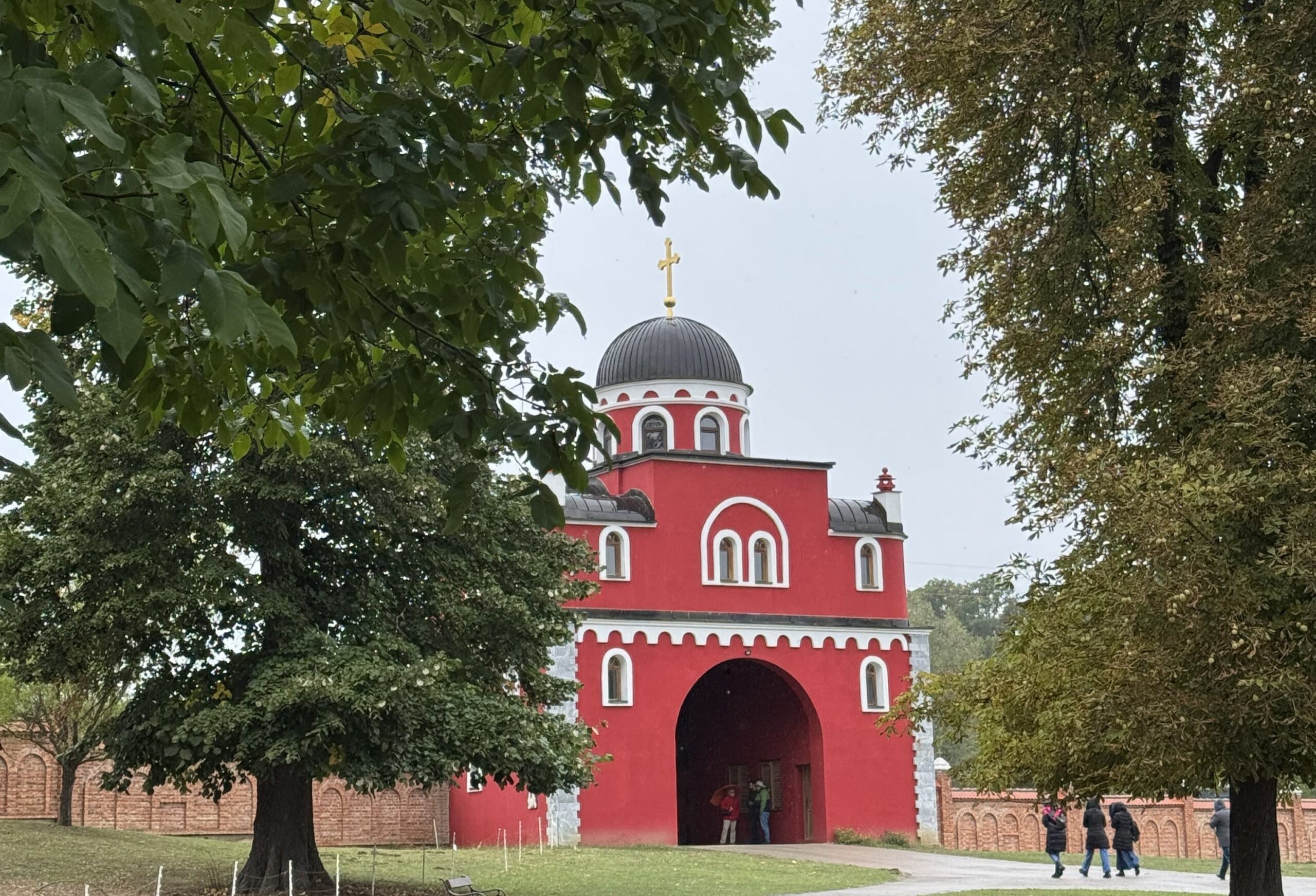
Sometimes, I can’t pinpoint a place’s resounding sense until the end of a trip. But on my first night in Serbia, I discover its song immediately. I’m having dinner at Restoran Velika Skadarlija, a traditional tavern—known as a Serbian “kafana”—that’s deceivingly spacious, with white tablecloths and a bright interior. As I settle in for dinner, the folk band Tamburica 5 forms a semi-circle around my table, and I hear Serbia’s trademark tamburica before I learn its name.

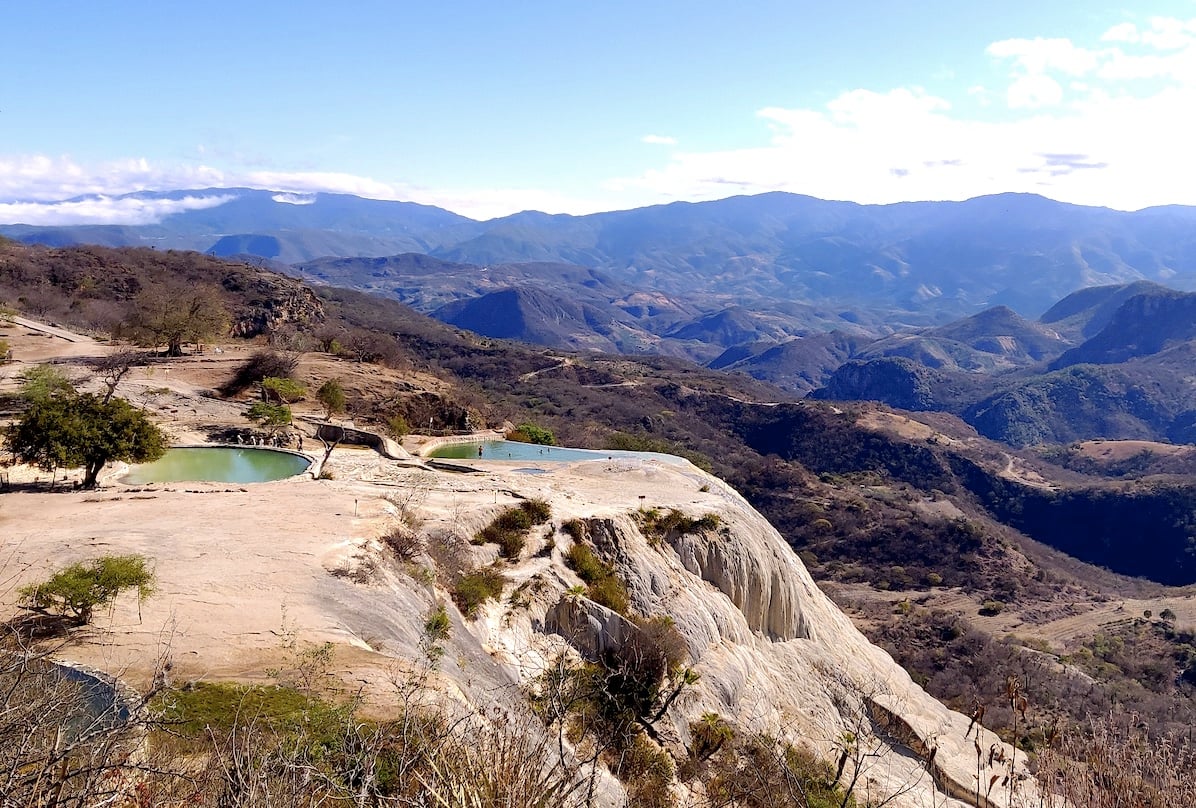
I met Lily one early January morning at a donut shop off the highway, about a 30-minute drive from Oaxaca City. Lily introduced herself to our small tour group — me and a family of four from Minnesota. She would be leading us for the day, as we visited some of the "must-sees" of Oaxaca. This included the scenic mineral springs and waterfalls of Hierve el Agua, the Zapotec archaeological site of Mitla, lunch at a local spot for memelas, and a visit to a locally owned and run mezcal distillery.

Patrick Henry delivered his iconic “Give me liberty or give me death” speech at the Second Virginia Revolutionary Convention at St. John’s Church in Richmond on March 23, 1775, igniting a spark that fueled the American Revolution. While living in Scotchtown, his only surviving original residence, Henry composed this famous address. The home offers insight into both the historical figure and Patrick Henry's daily life, while a tour of the St. John’s Church in Richmond takes you back to the day the famed speech was delivered.

Explore the history of New Orleans Second Line parades, Social Aid and Pleasure Clubs, and jazz funeral traditions. Discover the cultural roots behind the music with World Footprints podcast.

The tagine lid lifted with a soft clink. Steam rose up in slow, fragrant ribbons of salt, citrus, and warm spice. After a morning of shopping at the market and cooking side-by-side with Chamsi in her Casablanca home, I tasted more than a great meal. I tasted how Moroccan hospitality works. I chase culture through real experiences as a seasoned travel writer and photographer. I’ll show you what this Casablanca cooking class taught me about flavor, table manners, and belonging.

The best way to travel with the intent of exploring diversity is to ditch the touristy places. Sometimes, tourist attractions bring people from all over the world — the Grand Canyon or Disneyland, for example.

The Scottish Highlands are a place of ancient history, stunning natural beauty, and magic. Among the older generations, some claim that high in its earthy hills you’ll find the homes of creatures only heard about in legend.
Known as Pueblos Magicos, (magical towns), these gems of Nayarit are recognized by the Mexican government for their unique cultural or historical significance. The hamlets are prime destinations for visitors seeking more than pristine coastal sands.