
Cultural Heritage

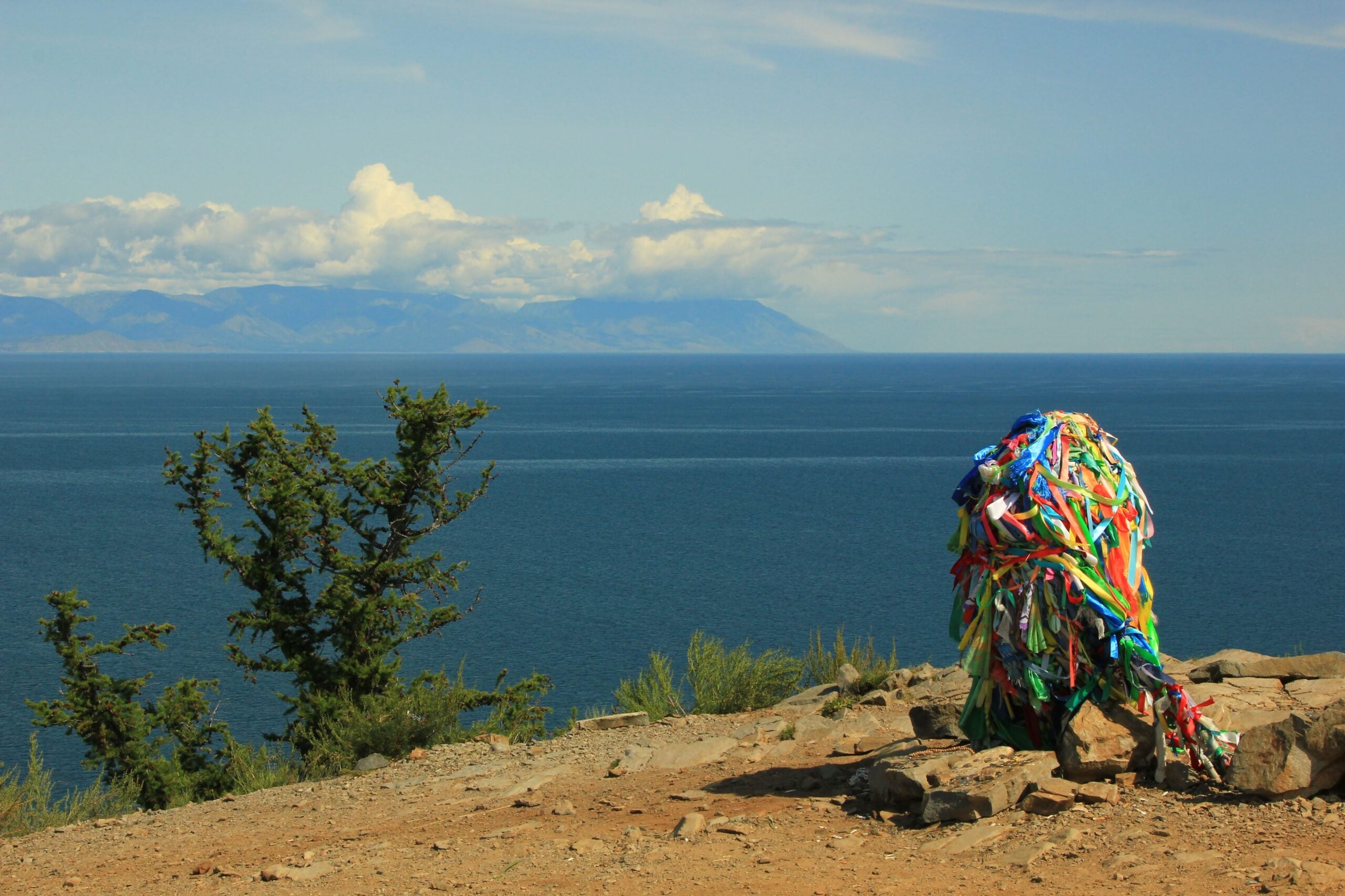
In Lake Baikal in southern Siberia, Olkhon Island dwarfs the other rocky islets with its elongated spine. From the map, it looks like a small, narrow peninsula extends off the mainland. At Cape Khoboy on the northern tip of Olkhon. Maxim Oksyutik stands atop a rock. Before him, an endless ripple of water opens up in an indefinite spectacle.

By the time the morning fog begins lifting over Port Frederick, the outline of a massive cruise ship is already visible beyond the trees. It moves slowly through the gray water, dwarfing the fishing boats and wooden houses along the shoreline of Hoonah, a small Alaska Native community on Chichagof Island with fewer than 900 residents.

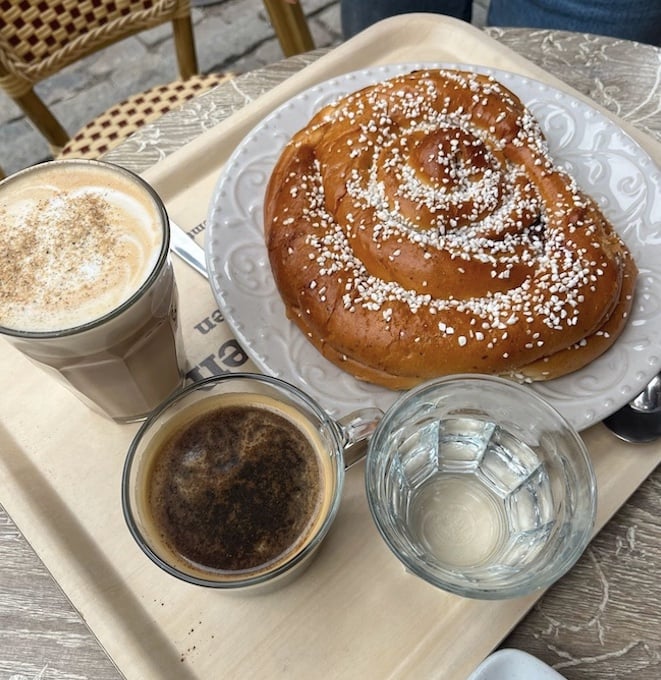
What traveler doesn't dream of a summer in Sweden? Visits to the lakeside, late afternoons with your travel friends at a stylish ute servering (outdoor patio) in Stockholm, boat rides to remote islands along the southern tip while stopping for open-faced sandwiches at the local pub, and just indulging in the best flavors that this country offers.

When people think of Southeast Asia, Thailand and Vietnam often come to mind first. But squeezed between them is Laos, a country covered in dense jungles and lush mountains perfectly suited for growing coffee, a relatively new crop that has grown recently in importance to the nation’s economy.
I don’t need to keep my voice down to use this library. I don’t need a library card, and I don’t even need to go inside. Actually, I can’t go inside, because the building, elevated to eye-level by a sturdy post, is only about 18 inches wide— big enough to hold two dozen picture books and a handful of novels. This is a Little Free Library, a traveling bookworm’s dream come true.

In Southern Louisiana, French Canadian migrants settled and intermingled with the existing community to create a unique ethnic group, the Cajuns, whose culture continues to thrive today. Visitors can learn more about the Cajuns through a visit to Lafayette Parish, where they can explore their history, customs, music and food.

Hear about the initiative Franklin has launched to preserve and share a fuller and accurate truth about its place in American history.

Strolling through the southern Spanish city of Sevilla on a sunny early spring day, the sweet smells of orange blossoms surround you as they waft through the air. These fragrant fruit trees flourish in the cobble-stoned streets and bring color to the beautiful Royal Alcázar of Seville.
Imagine spending days, even weeks, in the vast plains with only your horse and your loyal dog for company. Herding cattle during the day, sipping mate next to the campfire at night. The need for human interaction will be met at the nearest pulpería, although near and far are relative terms in the Argentinean Pampas. Deliver the cattle to the port first or take it to a distant pasture and only then you can relax and stock up on staples.

One of Florida’s most unusual and misunderstood places, Cassadaga, isn’t a city or a town but a 57‑acre Spiritualist camp. Many of the 55 homes in the camp remain occupied by mediums who offer readings from their living rooms. In Cassadaga, mediums are the norm, and communicating with your loved ones who have passed on is an everyday event.
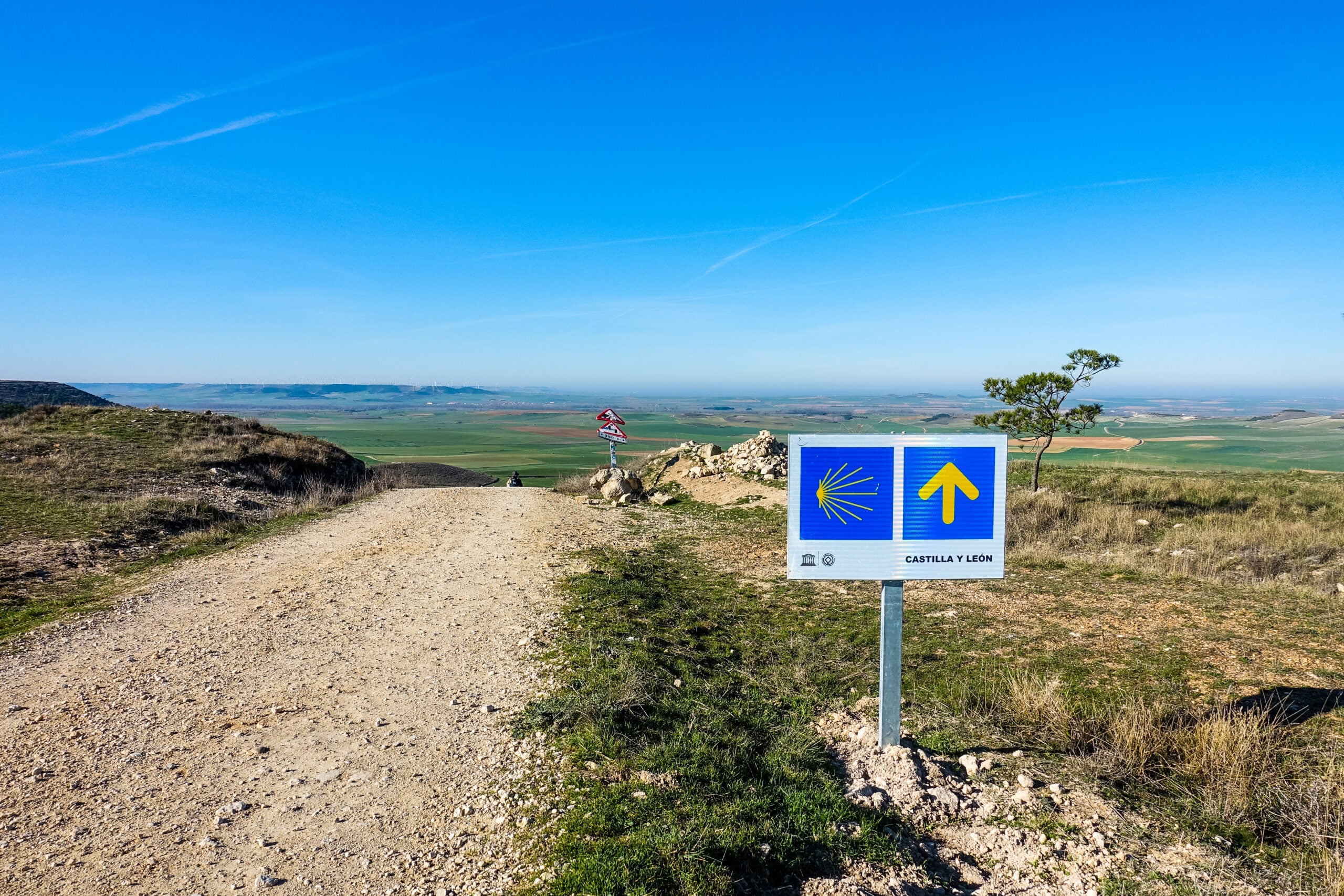
One of the most famous paths in the world, arguably its most renowned spiritual route, the Camino draws pilgrims from around the globe. More than two of every three trekkers who undertake the journey follow St. James’ Way, also known as Camino Frances (“The French Way”). It extends more than 800 kilometers across northern Spain from Saint-Jean-Pied-de-Port, France, in the foothills of the Pyrenees.

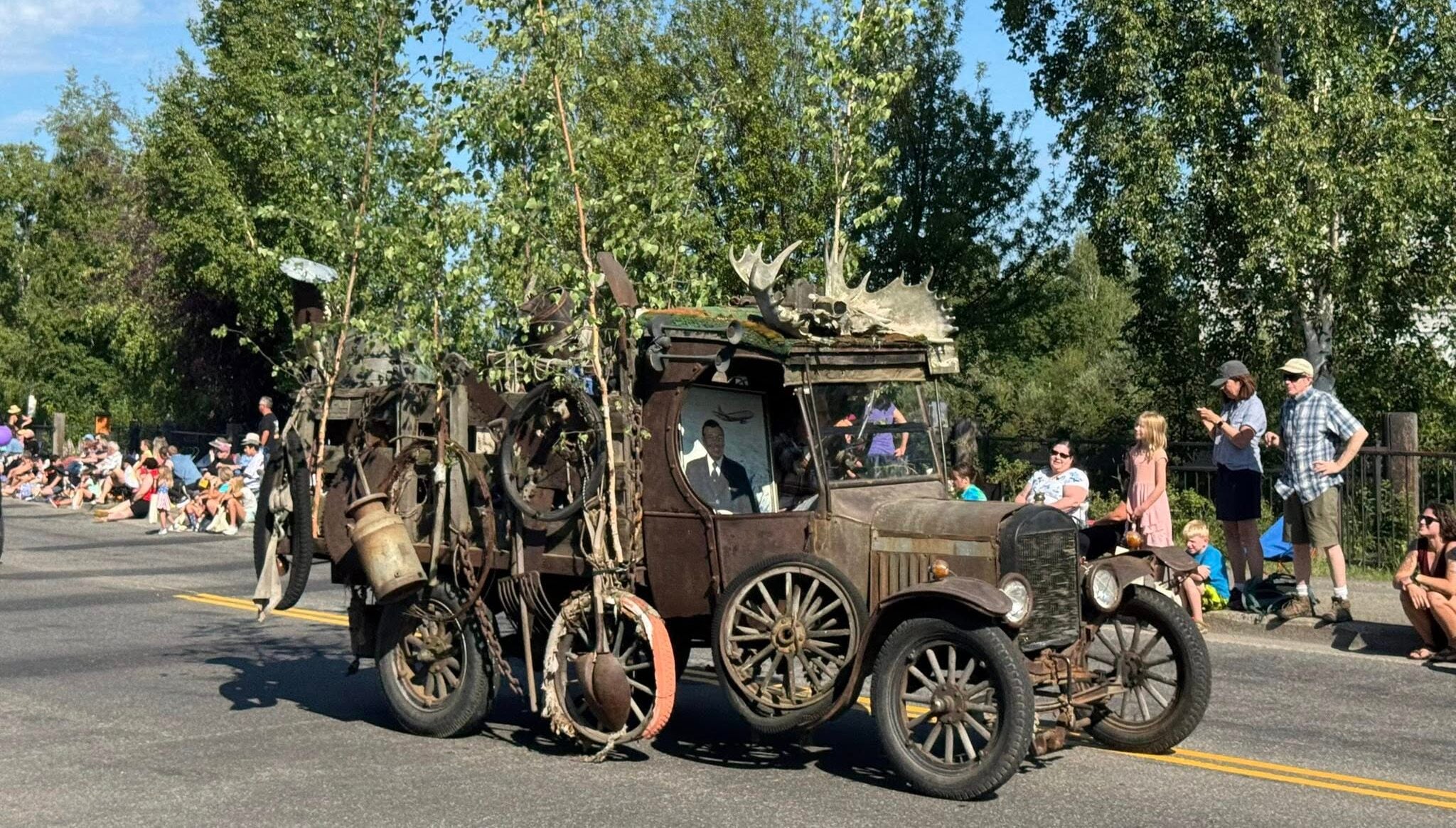
Mention Alaska, and images of vast wilderness, rugged beauty, and epic outdoor adventures quickly come to mind. Yet beyond its scenery and adventurous spirit, Alaska’s culture and history have stories of their own to tell, and one of them comes alive each summer in Fairbanks.