

Mexican Mystique – Discover the Magical Towns of Nayarit

Photo: Nicholas Kontis
Posted March 17, 2026
Known as Pueblos Magicos, (magical towns), these gems of Nayarit are recognized by the Mexican government for their unique cultural or historical significance. The hamlets are prime destinations for visitors seeking more than pristine coastal sands.
Acclaimed for their attention to sustainability, many of these Pueblos Magicos, focus on preservation of flora and fauna, specialty foods, gastronomy, and extraordinary legends or artistic importance.
The state of Nayarit boasts nine magical towns, including five that were added to the list in 2023. Few, if any, of Mexico’s 32 states have more. These treasures serve as a reminder that Nayarit, on the central Pacific coast, offers more than a beach destination.
Mexcaltitan (2001)
Mexcalitan sits one hour from San Blas. The peculiar inland island of Mexcaltitan, as its nickname suggests, is a “Mexican Venice.” During the fall rainy season, the island floods, creating canals that make the tiny enclave navigable only by small boats. Its magic status stems from its rich pre-Hispanic Aztec heritage. Much of its prehistoric architecture remains unscathed. Legend has it that the Aztecs left from Mexcaltitan to found Tenochtitlan, the home of modern Mexico City.
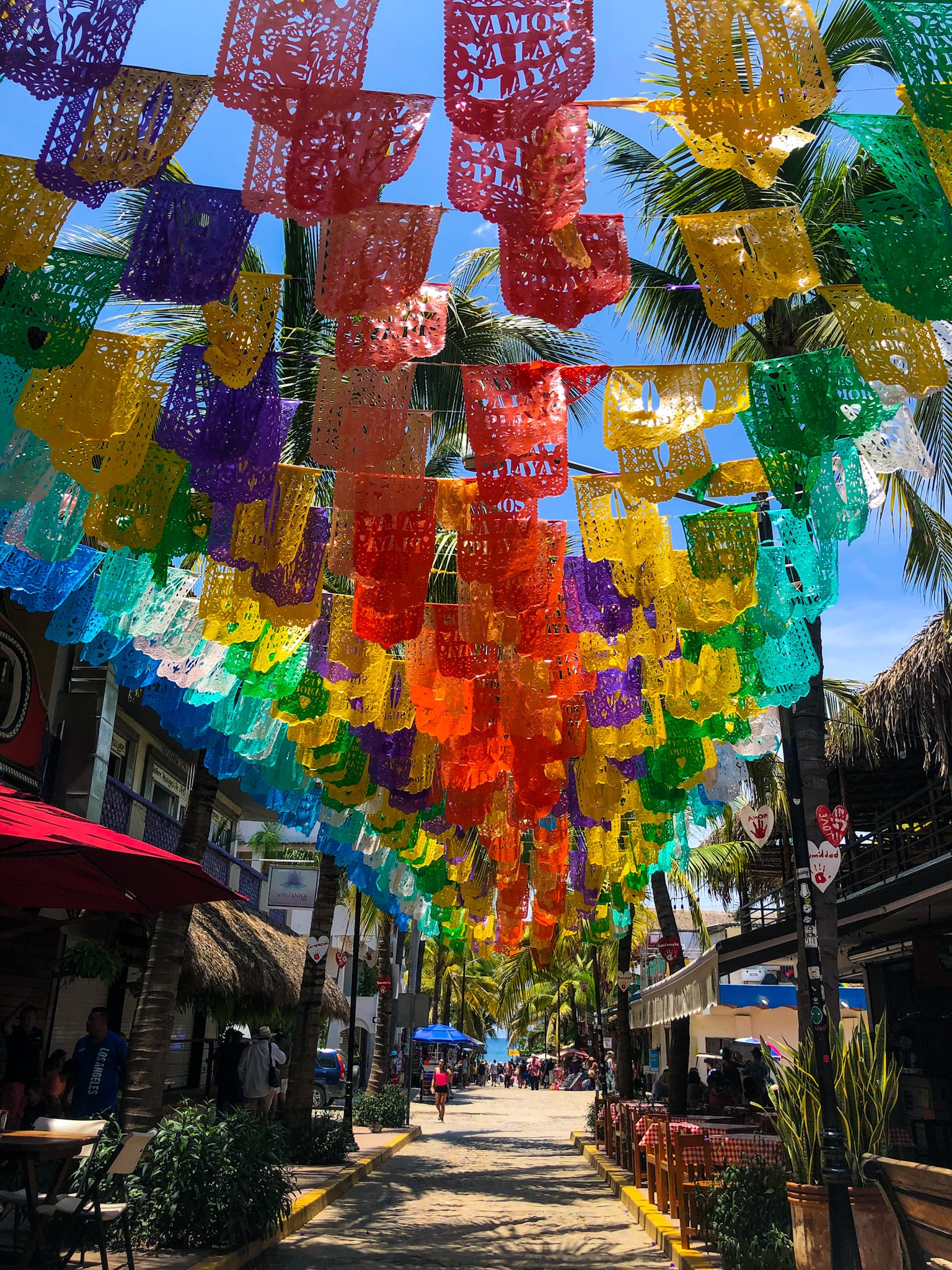
Once a quiet fishing village, Sayulita has evolved into a major bohemian tourist hotspot. Photo: Nicholas Kontis
Sayulita (2015)
Sayulita, as much as Playa del Carmen, offers a Yucatan alternative to Cancun and La Paz—a respite from the bustle of Los Cabos. This magical Mexican town is the “it” destination for many travelers arriving in Puerto Vallarta. Once a sleepy fishing village, the town of 5,000 has transformed into a surfers’ paradise, boasting perfectly formed, smaller waves that make it popular with beginner surfers. It’s also home to delicious street tacos. The bustling destination, which attracts bohemian tourists, is lined with outdoor bazaars, local restaurants, shops that sell indigenous art and regional food products, and a range of boutique hotels.
Compostella (2018)
Happiness spreads along the route to Compostela, whose name translates as “field of stars.” The town is associated with the legend of Saint James in Santiago de Compostela, Spain. A beautiful central plaza displays red, pink, and orange bougainvillea and palm trees. The municipality’s history, dating back to 1532, is vividly depicted in a painting on the inside of a kiosk’s dome, near the historic Parish Church of Santiago Apostol and the dynamic equestrian statue of St. James.
Nearby, a lively market sells fruits, vegetables, and meat on the first floor, with gorditas, tacos, burritos, and other street foods for sale upstairs. Compostela also benefits from its fame for its coffee (more than 155 producers) and leather shops that line the main street.
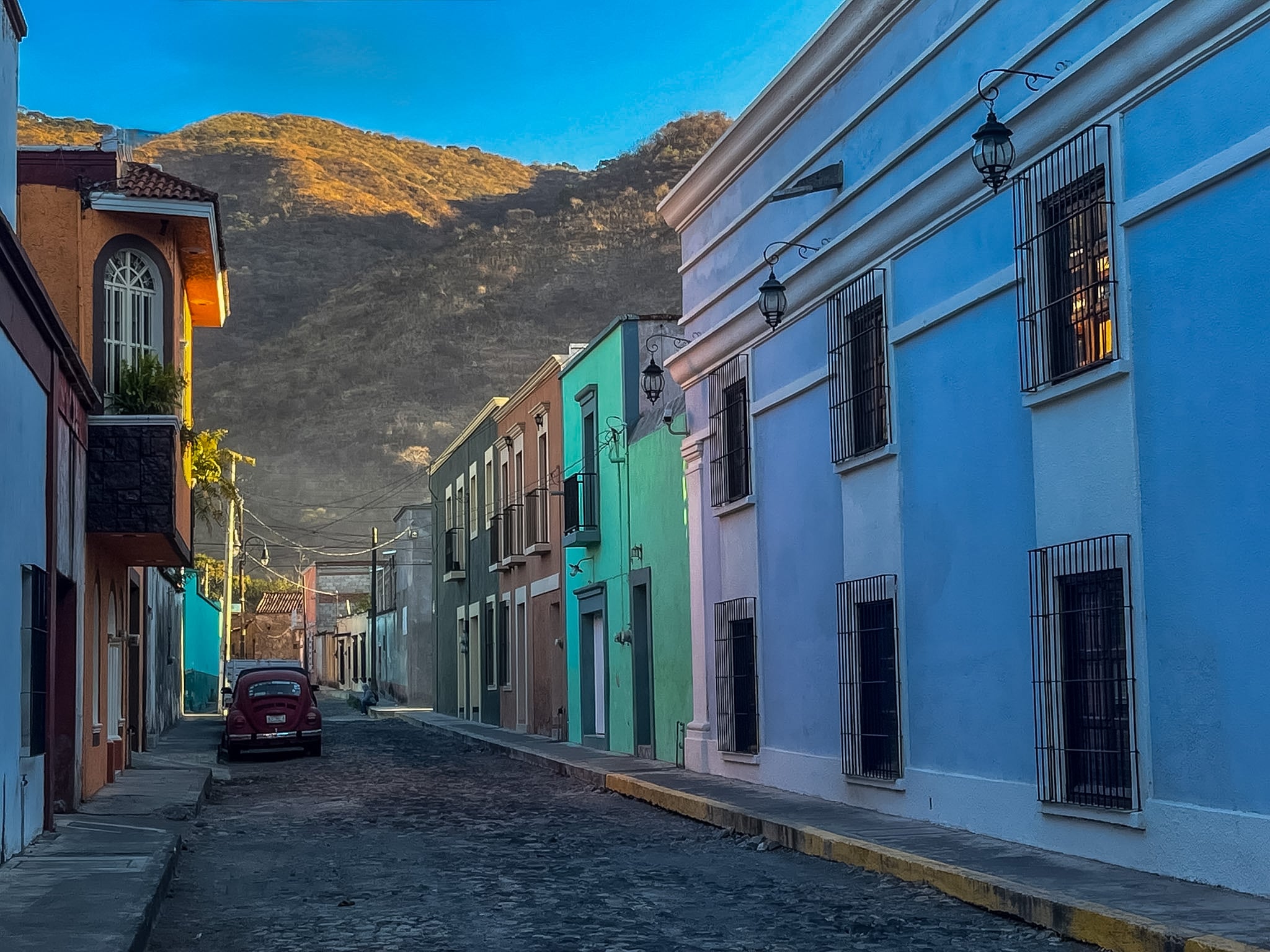
At the foot of the Ceboruco volcano, the well-preserved, colorful town of Jala is known for its vibrant facades. Photo: Nicholas Kontis
Jala (2021)
The colorful, well-preserved inland town of Jala, at the foot of the Ceboruco Volcano, offers a glimpse into pre-Hispanic and colonial traditions. Hiking routes wind through the forested landscape and past vast fields of maize. Jala is known to some as “the world’s corn capital.” The town charms visitors with its cobblestone streets and historic landmarks, including the former Convent of Limpia y Purisma Concepcion de Maria, built in 1582 by Franciscan monks.
Ahuacatlan (2023)
Known as “the place of avocadoes” in the Nahuatl language, Ahuacatlan serves as a stopover point on the historic Camino Real linking Guadalajara to the port of San Blas. Its centerpiece, in the central plaza, is the Church of St. Francis de Asis. There are many tasty street foods, including tostadas de pata (topped with shredded beef). The House of Culture Museum showcases the town’s pre-Colombian origins. Nearby are swimming holes and mountain hiking on the slopes of El Ceboruco.

El Manto is a pristine watering hole located near the Pueblo Mágico town of Amatlán de Cañas. Photo: Nicholas Kontis
Amatlán de Canas (2023)
Near the Jalisco-Nayarit border, Amatlan de Canas is known for its water activities in the jungle-shrouded El Manto canyon: waterfalls, swimming, hot springs, and a naturally translucent spa. Built between 1750 and 1886, the Temple of Jesus of Nazareth is a must-see in the town square. Amatlan is known for its chocolate production and its signature dish, lengua entomatada (tomato-braised tongue). Nearby mining villages also feature a glimpse into past lives.
Ixtlán del Rio (2023)
The prehistoric archaeological complex of Los Toriles, with its Temple of Quetzalcoatl, is located an hour east of Tepic, in Ixtlan del Rio. “Ixtlan” is a Nahuatl word meaning “the place where obsidian abounds.” Here lies Naayari, the pre-Colombian settlement of the Cora people. Indigenous cuisine includes birria (goat), seafood, and a specialty ice cream. The region’s fertile soil produces agave, used to make tequila at the Casa Real de Ixtlan distillery.
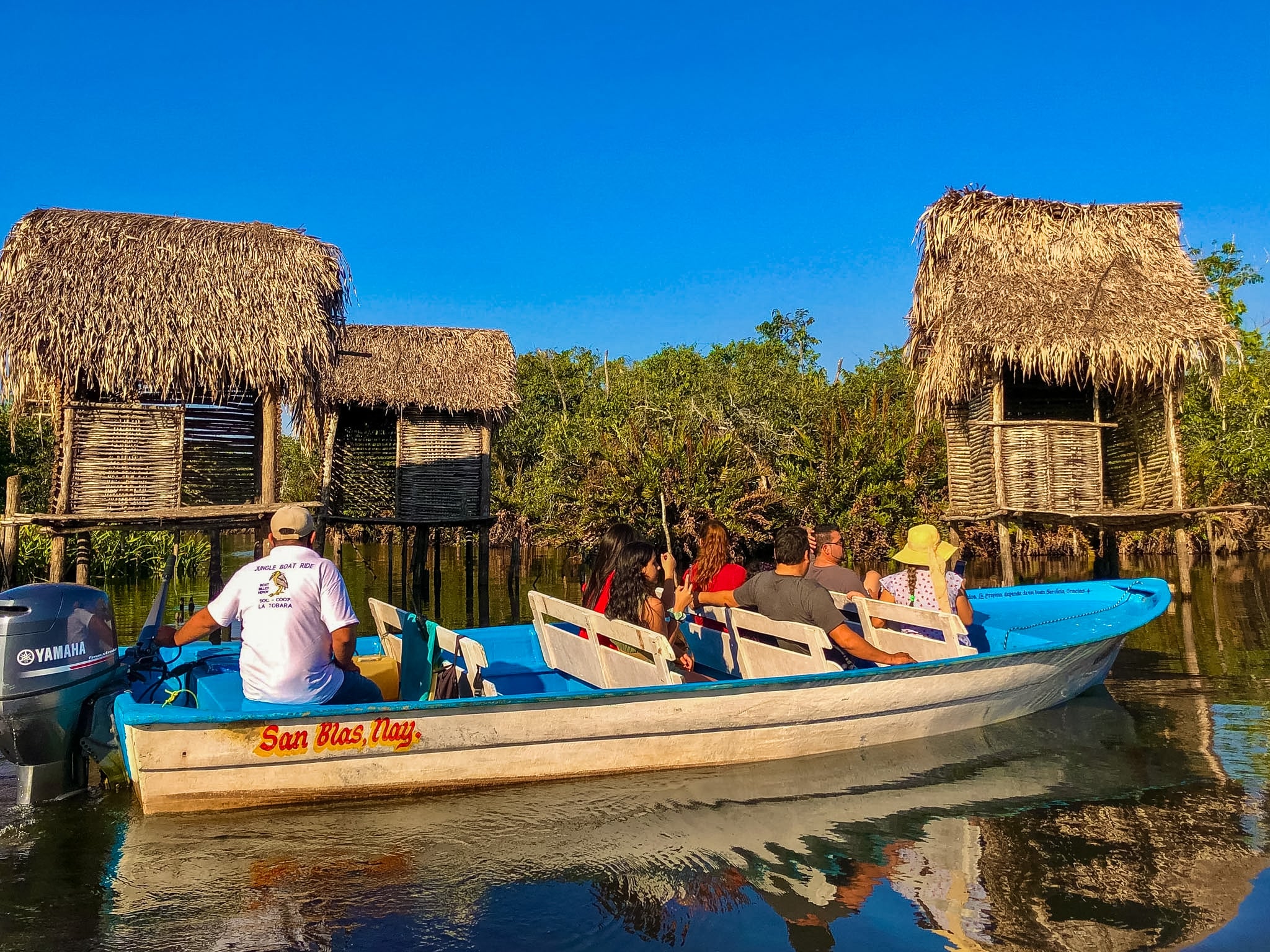
The Jungle Boat Ride to the La Tovara mangrove wetlands is a highlight of San Blas. Photo: Nicholas Kontis
San Blas (2023)
The port town of San Blas was of significant importance in early Mexican and American history. Initially a backwater hideaway which became Spain’s third 17th-century Pacific port, it was from here that the Conquistadores, led by Friar Junipero Serra, sailed north to California. Today, San Blas is renowned as an eco-wonderland. The Audubon Society considers it a birdwatcher’s paradise. More than 400 avian species call the canals, mangroves, lagoons, estuaries, and beaches home. Specialty gastronomy includes zarandeado, a grilled fish marinated in dried chili sauce.
Puerto Balleto (2023)
Mexico’s Alcatraz, the four-island chain known as Islas Marias, is accessible by a 4-hour, 70-mile boat ride from San Blas. The capital of Puerto Balleto is the only town on Maria Madre Island, the only inhabited island. In 1910, President Porfirio Díaz established an inescapable penal colony for hardened criminals and political prisoners. President Andrés Manuel López Obrador closed the penitentiary complex in 2019 and turned it into a cultural attraction. In 2000, UNESCO designated the islands as a World Heritage Site for their biodiversity.
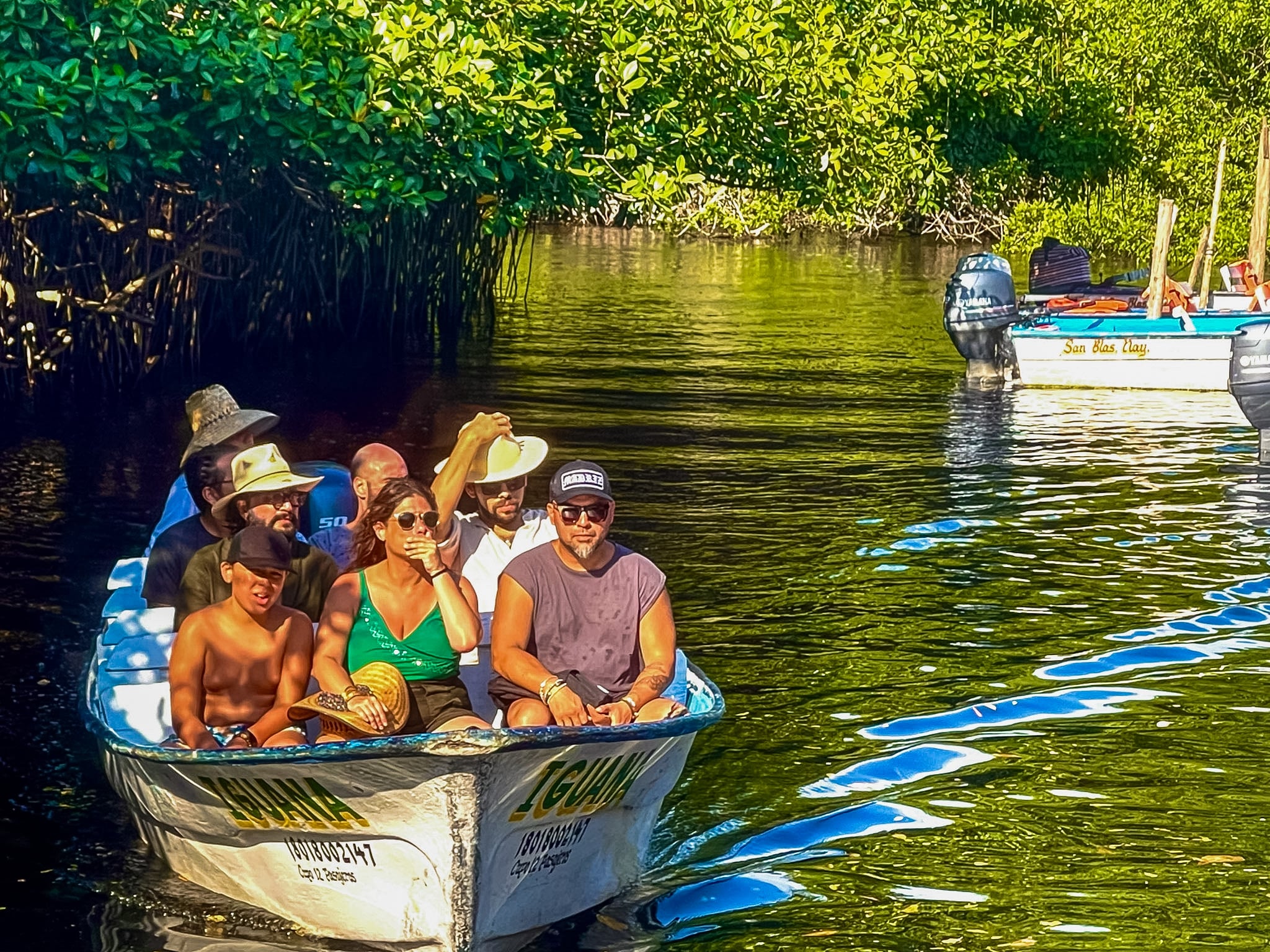
The unhurried port of San Blas hasn’t surrendered to sprawling resorts. Photo: Nicholas Kontis
Getting There is Easier Than Ever
Today, these magical Mexican towns are more accessible to North American travelers than ever before. The new Tepic-Riviera Nayarit Airport (TPQ) welcomed its first international flight in July 2025, with the Mexican airline Volaris arriving from Los Angeles. In December 2025, nonstop international service was extended, with United Airlines flying from Houston and WestJet from Calgary. Previously, most travelers visiting Nayarit flew to Puerto Vallarta (PVR), which remains an option
In addition to the new Tepic airport, Nayarit is upgrading other aspects of tourism. The new Tepic-to-Compostela highway, with an airport connection, enables high-speed travel from historic San Blas to the golden beaches of Sayulita and Punta Mita in the Riviera Nayarit. From here, there are easy connections to Puerto Vallarta.
Nayarit’s greater investment in transportation infrastructure goes far beyond tourism marketing. It’s about regional development, job creation, and an improved quality of life for local residents.
Click here for discounted accommodations in Nayarit, Mexico
Join the community!

Join our community to receive special updates (we keep your private info locked.)

