
American history

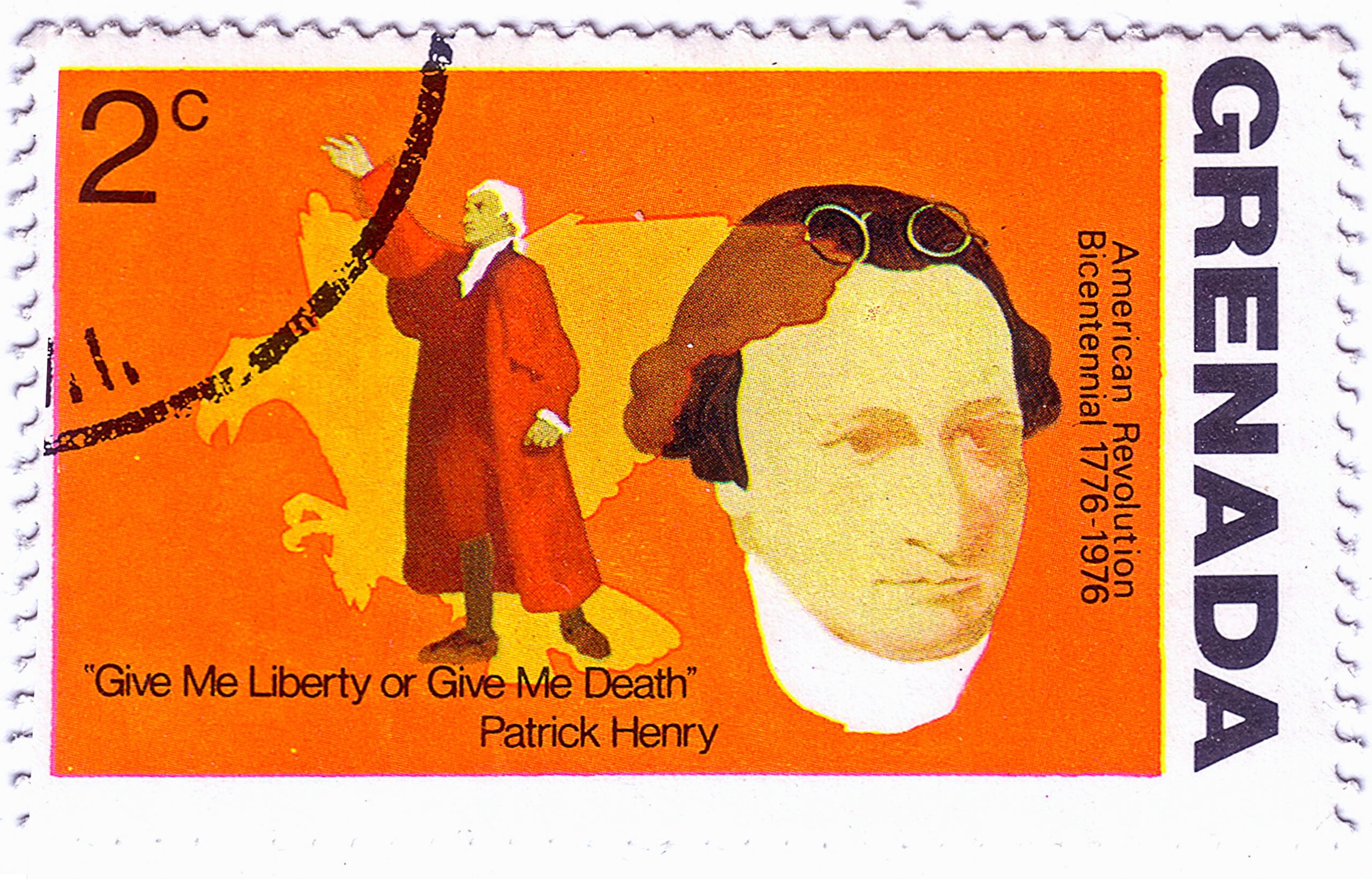
Patrick Henry delivered his iconic “Give me liberty or give me death” speech at the Second Virginia Revolutionary Convention at St. John’s Church in Richmond on March 23, 1775, igniting a spark that fueled the American Revolution. While living in Scotchtown, his only surviving original residence, Henry composed this famous address. The home offers insight into both the historical figure and Patrick Henry's daily life, while a tour of the St. John’s Church in Richmond takes you back to the day the famed speech was delivered.

During February, there is an influx of travel stories for the “Best Places to Celebrate Black History Month”. It’s great and there are so many places I want to visit! However, the same list almost disappears into the ether as soon as March 1st arrives.

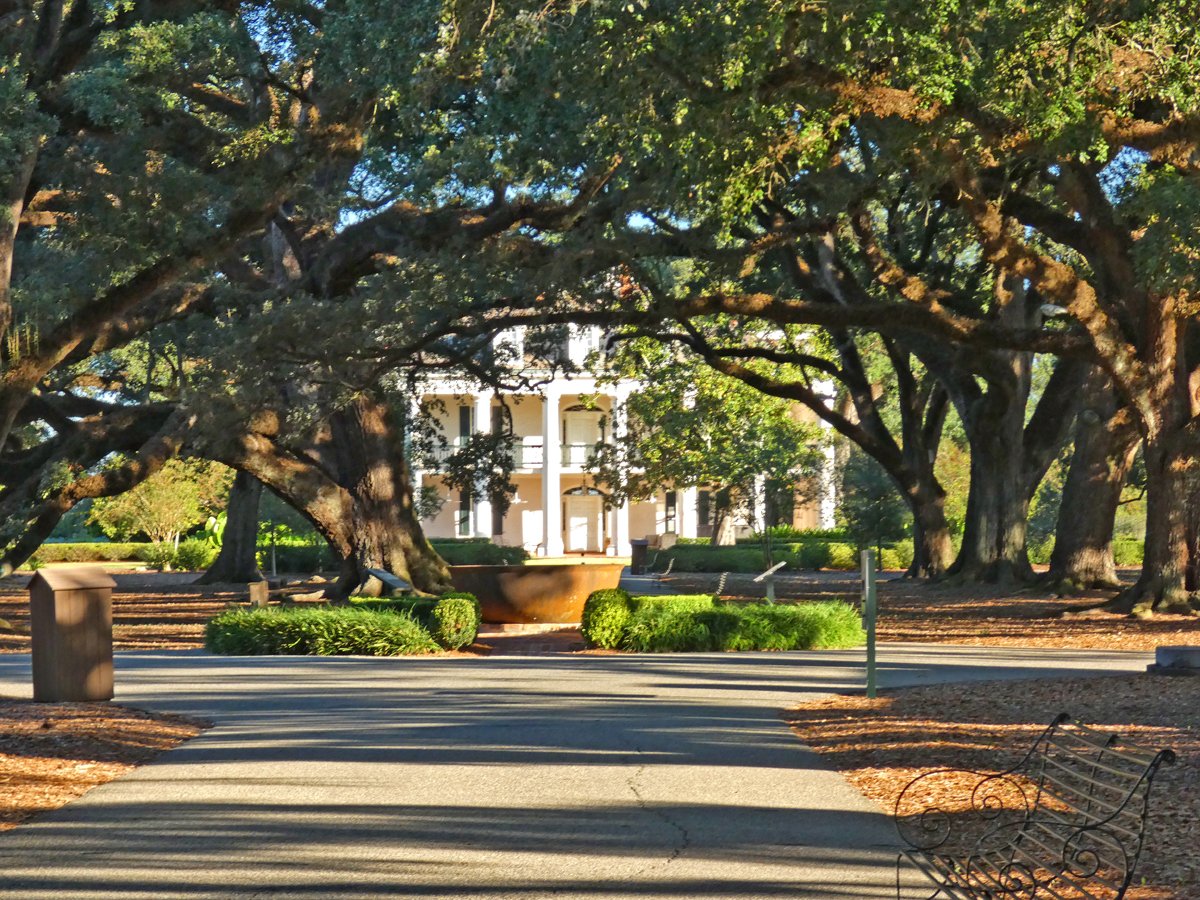
Named for the 150 to 200-year-old Virginia live oak trees lining the path from the Mississippi River to the entrance of the plantation home, Oak Alley is a national landmark. Here you’ll hear the stories of some of the enslaved people who lived here, as well as the many owners over the years.

In this powerful episode of World Footprints, Tonya and Ian Fitzpatrick take listeners on a deeply personal and historic journey to Pulaski, Tennessee—a town known as the birthplace of the Ku Klux Klan but now undergoing a transformation. Their guest, Miss Vivian Leigh Battle Sims (96), an educator, artist, and community leader, has dedicated her life to uplifting the stories of marginalized voices, including the unsung Black Union soldiers who fought bravely during the Civil War.

Vivian Lee Battle Sims may not be a widely known name, but her impact on Pulaski, Tennessee, is profound. At 96, this retired educator and community activist has redefined the legacy of a town once infamous as the birthplace of the Ku Klux Klan. Through her vision and personal funds, Sims commissioned the Resurrection of Valor, a statue honoring the United States Colored Troops (USCT) who fought for the Union during the Civil War.

The rich culture and heritage of the Cherokee people and the story of their forced removal from their homeland is sometimes lost amid undifferentiated accounts of indigenous people in the United States. Three stops along the Georgia section of the Trail of Tears, a National Park Service site that documents the Cherokee journey, will dispel any ignorance about their distinctive history.

Little Rock began making history dating back to August 24, 1818, when the Quapaw Line was drawn, creating the boundary between the Quapaw tribal lands and lands available for settlement by westward-moving Americans. The treaty referred to La Petite Roche, an outcropping of rock on the Arkansas River, by its American name, “Little Rock,” believed to be the first official use in a government document of the name. It continued to rock history into the future.

The Fredericksburg region in Virginia is part of Spotsylvania County and not only was it a prominent destination during the colonial times, it played a huge role during the Civil War.

I've driven by the exit off Interstate 4 just north of Orlando, Florida, dozens of times, and always wondered about Eatonville. You can see the sign from the freeway that reads "Oldest Incorporated African American Municipality in America." Recently, I decided to take the exit and finally explore this city of deep significance to our country.

As a Southern-born white woman, incorporating Black history sites into my travel plans never crossed my mind… until I married a Black man.

St. Simons Island in Glynn County, Georgia is filled with history. Its newest museum, the World War II Home Front Museum, gives a different view of the war from typical accounts.

It is no secret to anyone that tourism is a major industry and draw for Charleston, South Carolina. However, on my most recent visit, I became a fan of their county parks because of one particular experience. I visited MacLeod Plantation Historic Site.