
Articles

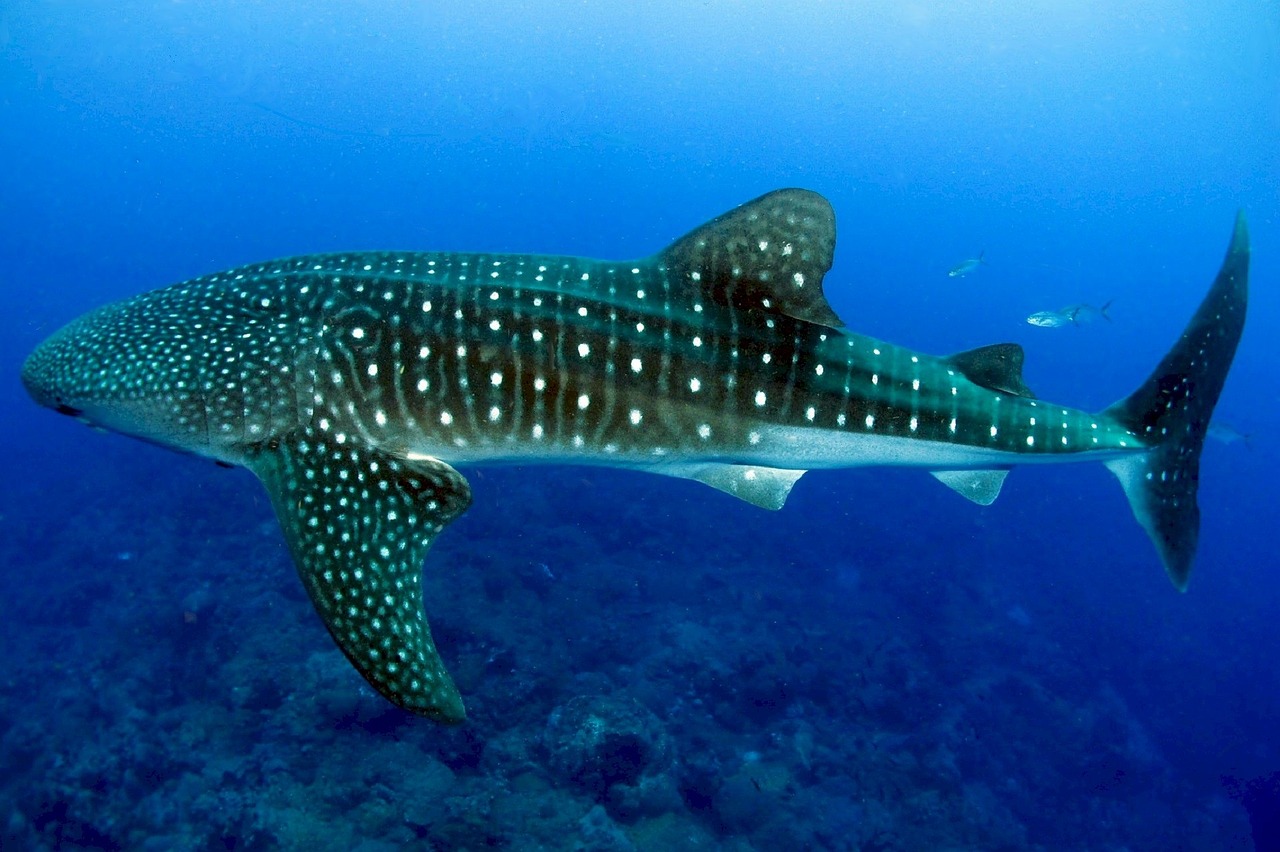
Madagascar’s Nosy Be was recently identified as a hotspot for whale sharks, which could boost the island’s ecotourism to rival the likes of global whale shark hotspots in Tanzania and Mozambique. One woman – the lead author of the study that identified Nosy Be as a feeding hotspot-- has now introduced a code of conduct to protect the sharks, enhance tourists’ experience and ensure any income to the island generated as a result is sustainable.

U.S. State Department travel advisories use four levels and nine risk indicators. Learn how advisories differ from embassy alerts and how STEP can help travelers stay informed abroad.

October brings us many things including colorful foliage, cooler temperatures and costumes in celebration of Halloween. While trick-or-treating has long been a tradition in the United States, the origins of Halloween lie in the ancient Celtic world.

The Lone Star State contains some unique Halloween traditions. Filled with ghost towns, haunted hotels, and spooky lore, Texas has summoned attention for its intense connection to the paranormal.

During the early years of the 20th century, the small town of Kolmanskop, which originally was just a train station, became the richest town in Namibia during a diamond boom. However, after mining over 1 ton of diamonds during World War I alone, the resources soon became depleted, and the mining stopped. What is left of this significant historical landmark today is a ghost town of incredible beauty.

The Golden Triangle region of Northern Thailand sits at the intersection of three Southeast Asian countries along the Mekong and Ruak Rivers: Thailand, Laos, and Myanmar. A visit to this area is an incredible way to learn about the culture, history, and traditional arts of the region, which have been created over centuries by talented artisans and craftsmen.

I’m a frequent traveler—it’s unusual if a month goes by without an overnight trip. Trial and error have taught me what things are essential and what overpacking looks like: I’m thinking of you, that Caribbean cruise I took for my tenth wedding anniversary. FYI, you do NOT need two large suitcases for a 7-day cruise. Next time, I’ll pack a carry-on, wash some things in the sink, hang them to dry on the convenient line in my cabin, and wear them again, content in knowing I won’t be dragging too much luggage through the airport and cruise terminal.
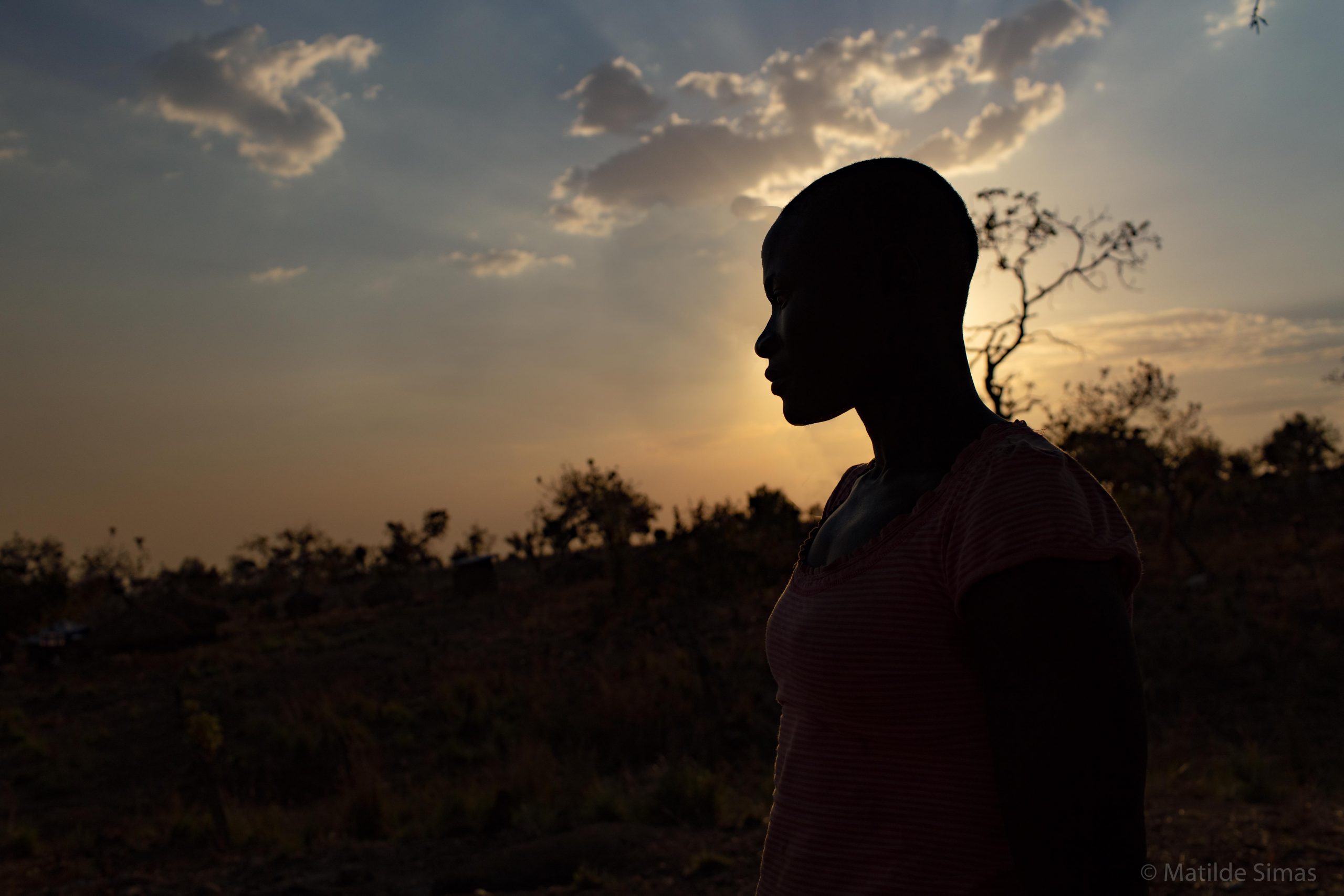
From long, uncomfortable trips to challenging accommodations, humanitarian travel isn’t typically glamorous. Massachusetts-based social documentary photographer and Capture Humanity founder Matilde Simas recently traveled to Imvepi Refugee Settlement in Uganda to explore the ways that children are exploited due to war.

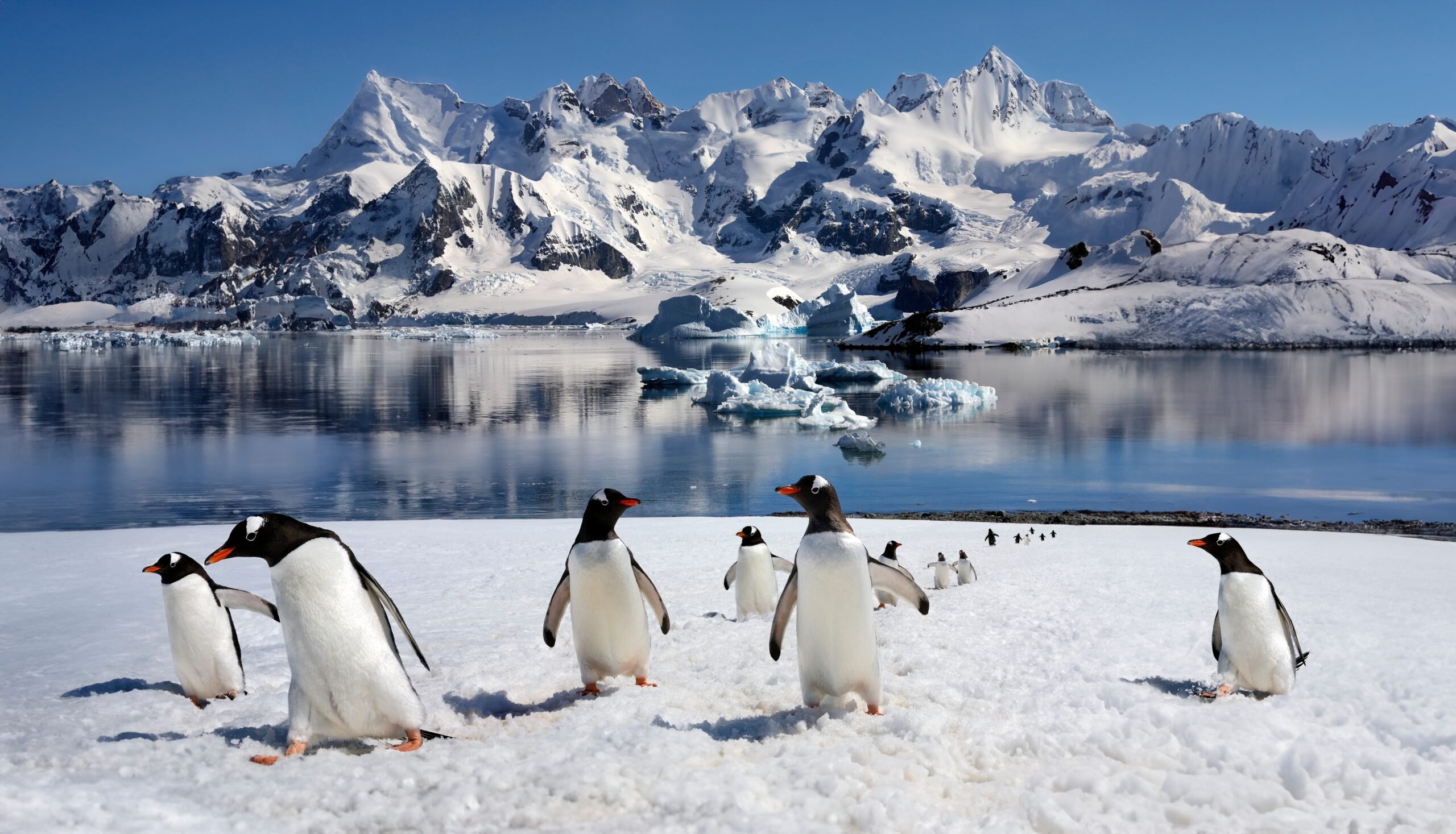
Spanning 3.5 billion acres across the southern hemisphere, buffeted by the deadly Southern Ocean and raked by sub-zero polar winds all year long, Antarctica remains an unclaimable landmass under the 1959 Antarctic Treaty. In 2001, while serving in the US Navy, Travis McHenry came across an article about how Antarctica remained unclaimable by any nation. What seemed like trivia to many served as a fascinating discovery to him.

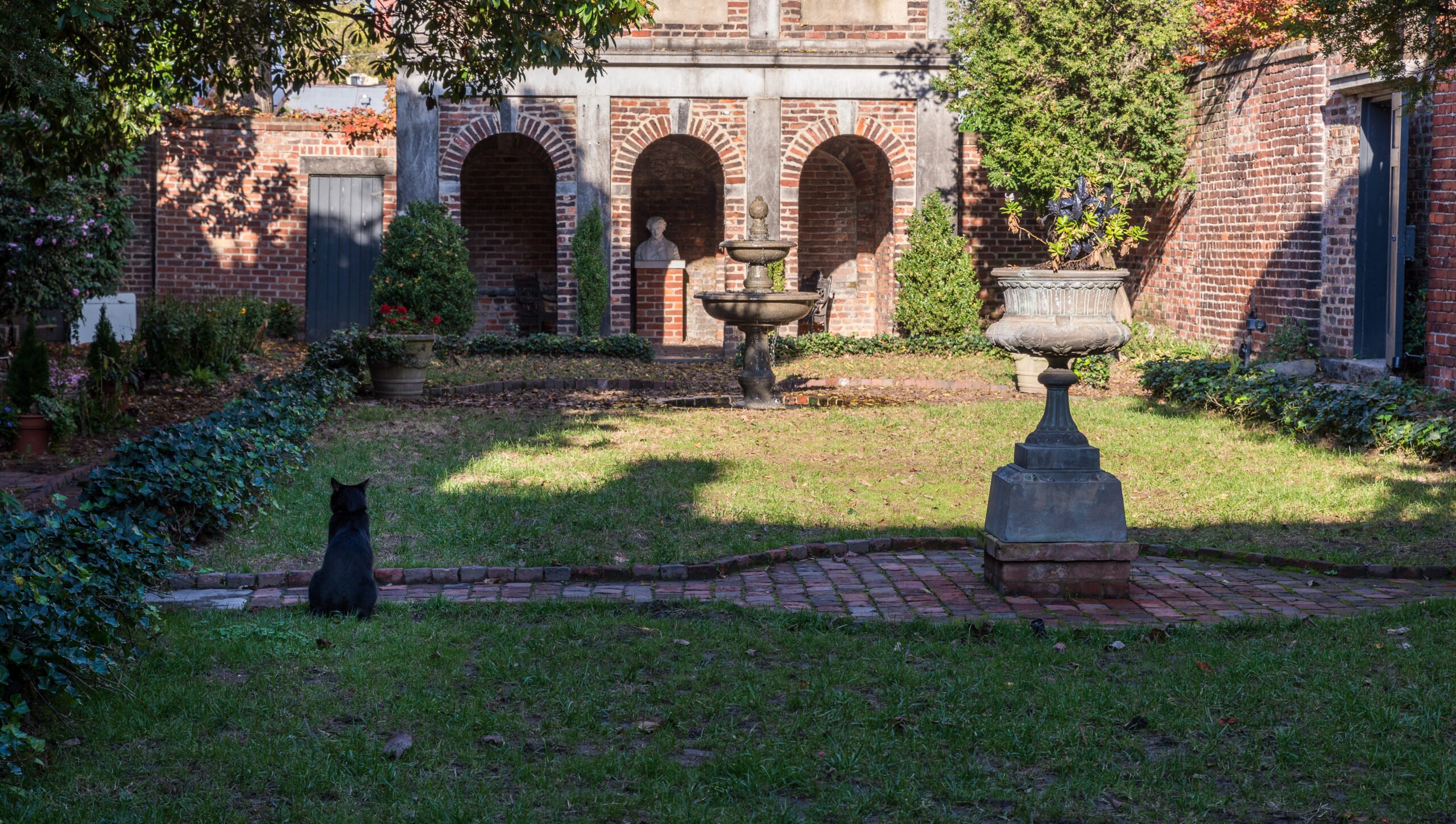
Wondering who is the Godfather of horror stories? Edgar Allan Poe leads the pack. Poe revolutionized the genre in the 1840s with his first-person narrative stories like “The Black Cat,” “The Pit and the Pendulum,” and “The Tell Tale Heart." He was one of the first to use psychological horror. Visiting the Poe Museum in Richmond, Virginia provides a good understanding of who Poe was and how he wrote such masterpieces.