
Articles

When people think of Southeast Asia, Thailand and Vietnam often come to mind first. But squeezed between them is Laos, a country covered in dense jungles and lush mountains perfectly suited for growing coffee, a relatively new crop that has grown recently in importance to the nation’s economy.

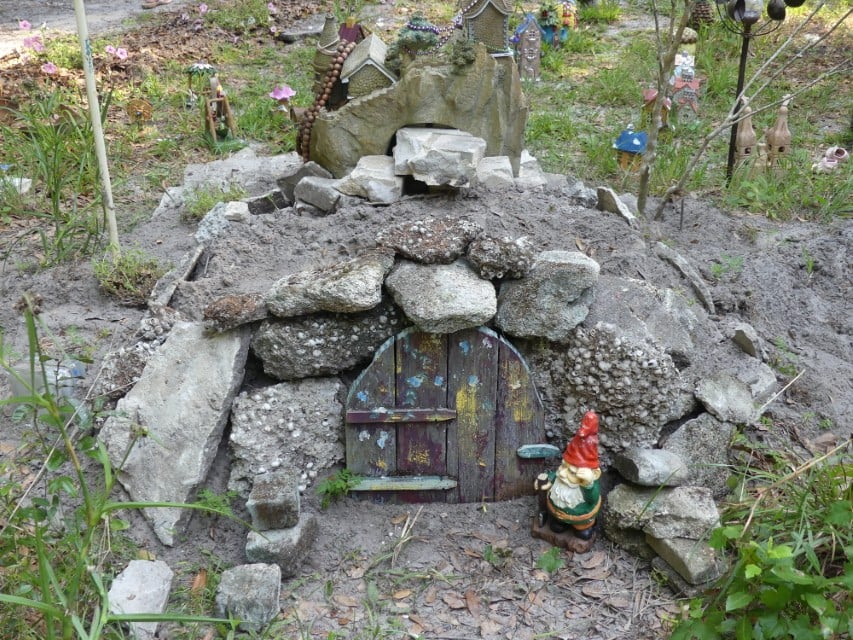
I don’t need to keep my voice down to use this library. I don’t need a library card, and I don’t even need to go inside. Actually, I can’t go inside, because the building, elevated to eye-level by a sturdy post, is only about 18 inches wide— big enough to hold two dozen picture books and a handful of novels. This is a Little Free Library, a traveling bookworm’s dream come true.

In Southern Louisiana, French Canadian migrants settled and intermingled with the existing community to create a unique ethnic group, the Cajuns, whose culture continues to thrive today. Visitors can learn more about the Cajuns through a visit to Lafayette Parish, where they can explore their history, customs, music and food.

Lying on stacked cushions on the roof of a lodge in Jordan’s Dana Biosphere Reserve, I watch a beam of green light shoot into the sky as our guide circles a constellation with the most powerful laser pointer I’ve ever seen. “That orange star, that’s the womanizer,” Ali says. “He’s always chasing the seven sisters.”

Strolling through the southern Spanish city of Sevilla on a sunny early spring day, the sweet smells of orange blossoms surround you as they waft through the air. These fragrant fruit trees flourish in the cobble-stoned streets and bring color to the beautiful Royal Alcázar of Seville.
Imagine spending days, even weeks, in the vast plains with only your horse and your loyal dog for company. Herding cattle during the day, sipping mate next to the campfire at night. The need for human interaction will be met at the nearest pulpería, although near and far are relative terms in the Argentinean Pampas. Deliver the cattle to the port first or take it to a distant pasture and only then you can relax and stock up on staples.

One of Florida’s most unusual and misunderstood places, Cassadaga, isn’t a city or a town but a 57‑acre Spiritualist camp. Many of the 55 homes in the camp remain occupied by mediums who offer readings from their living rooms. In Cassadaga, mediums are the norm, and communicating with your loved ones who have passed on is an everyday event.
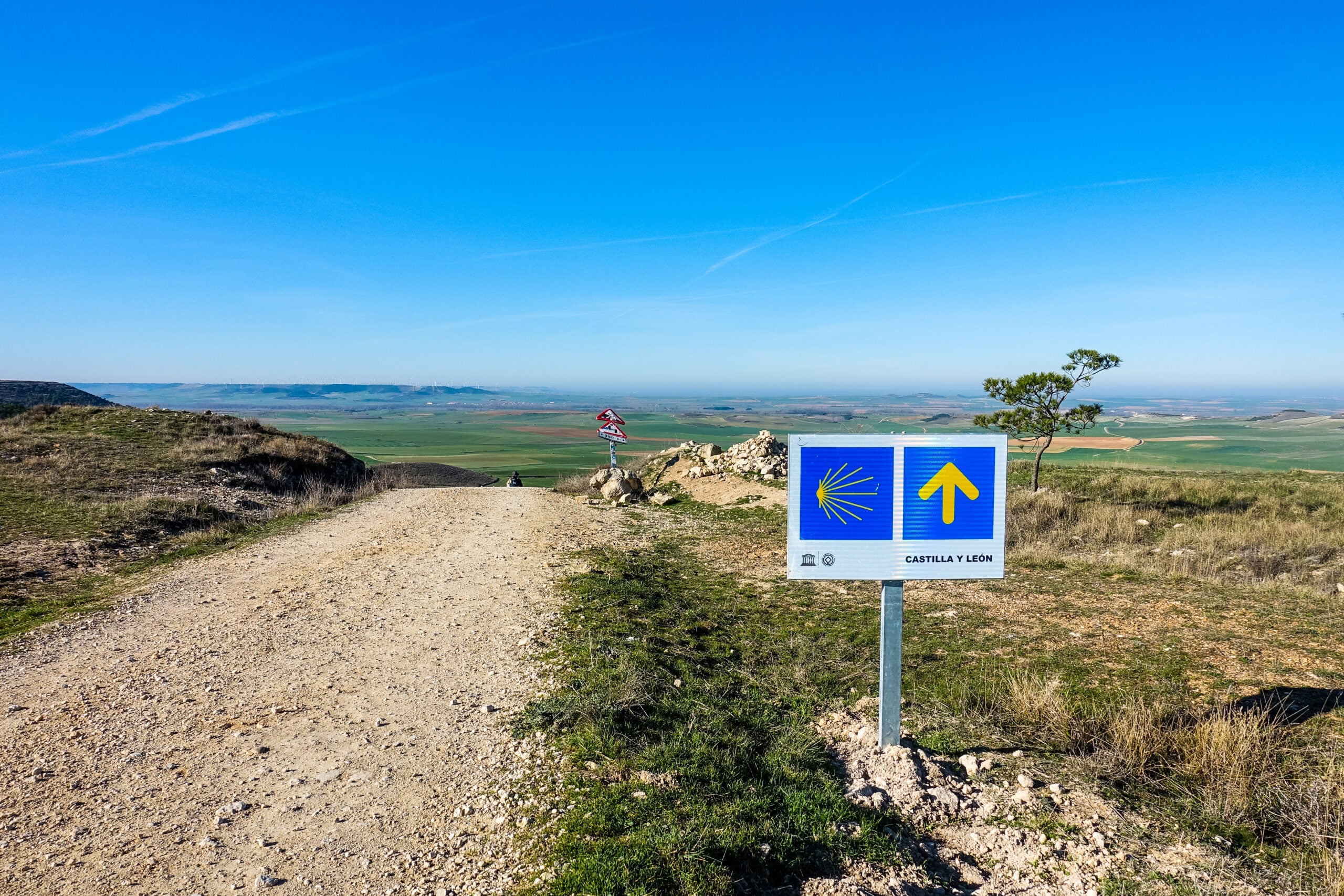
One of the most famous paths in the world, arguably its most renowned spiritual route, the Camino draws pilgrims from around the globe. More than two of every three trekkers who undertake the journey follow St. James’ Way, also known as Camino Frances (“The French Way”). It extends more than 800 kilometers across northern Spain from Saint-Jean-Pied-de-Port, France, in the foothills of the Pyrenees.

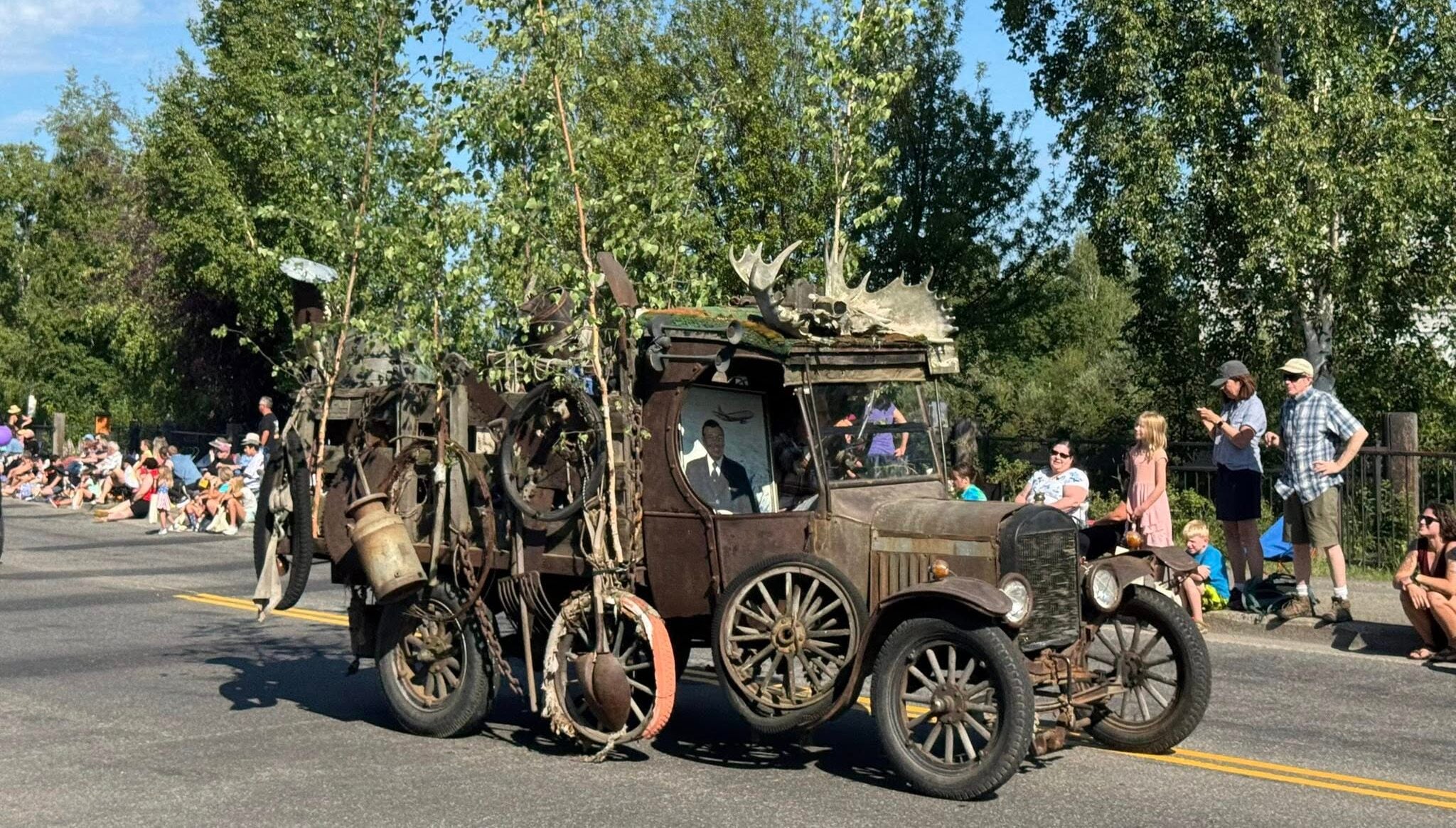
Mention Alaska, and images of vast wilderness, rugged beauty, and epic outdoor adventures quickly come to mind. Yet beyond its scenery and adventurous spirit, Alaska’s culture and history have stories of their own to tell, and one of them comes alive each summer in Fairbanks.
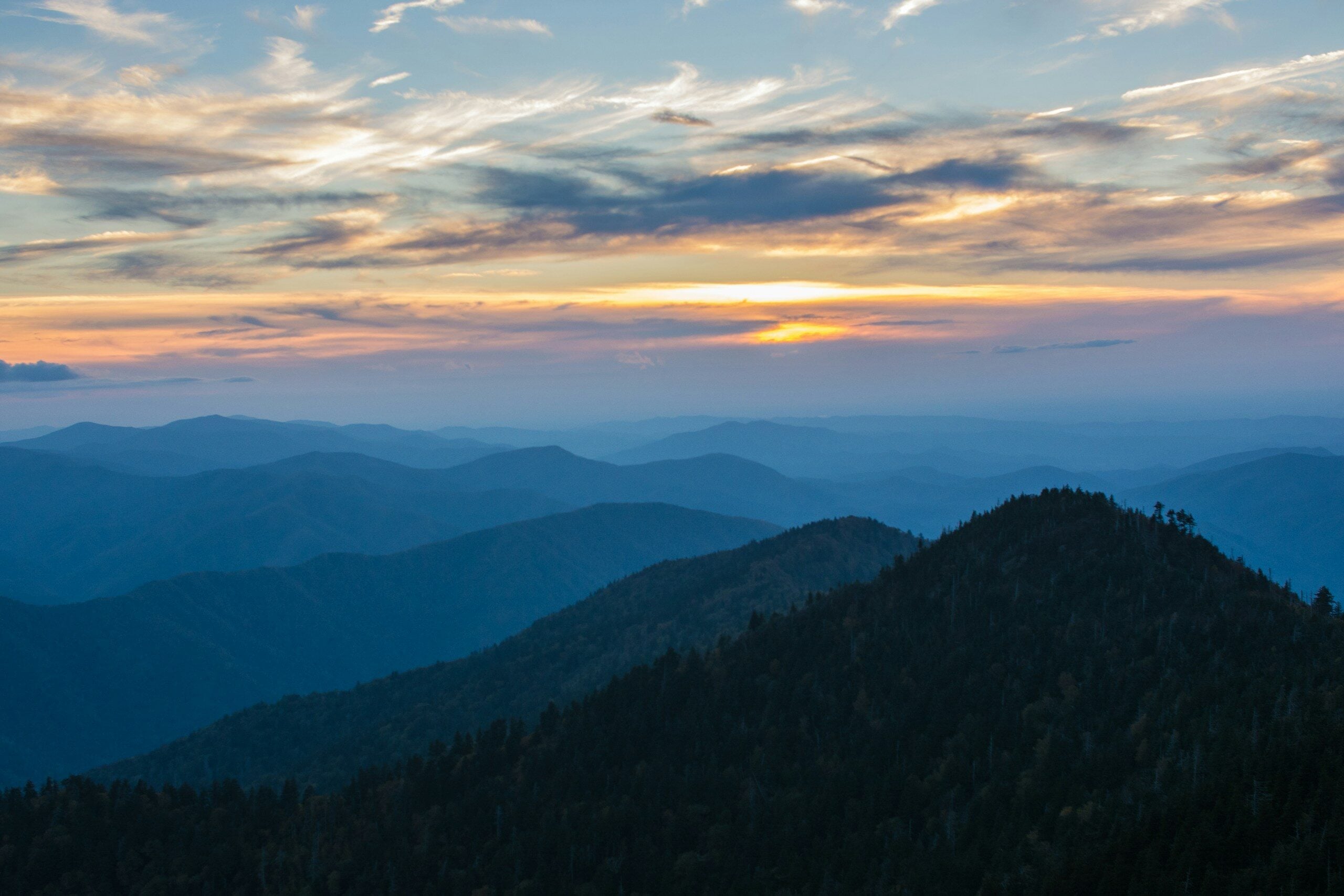
The Great Smoky Mountains National Park attracts more visitors each year than any other national park in the USA. However, few people know that a group of determined Girl Scouts once saved an island in what is now the Great Smoky Mountains Institute at Tremont. In the 1930s, Camp Margaret Townsend sat along the Middle Prong of the Little River. Here, girls swam, camped, and lounged on their favorite spot, an enormous boulder at the tip of an island known as Girl Scout Rock.