
Editors’ Picks
Selections of inspiring stories from around the world.

When Andrea Marshall began studying manta rays in Mozambique in 2003 there was so little information about the species that she was forced to recommend them as “data deficient” on the Union for Conservation of Nature’s Red List, the go-to authority on endangered species.

Our winter welcome to Bolivia wasn't exactly warm. For Americans, the visa requirements are extensive. In addition to paying $160 each in unblemished, unfolded US currency, we were required to provide passport-style photos, evidence of yellow fever vaccinations, financial documents proving access to $10,000, confirmed reservations for our entire stay, and tickets out of the country.

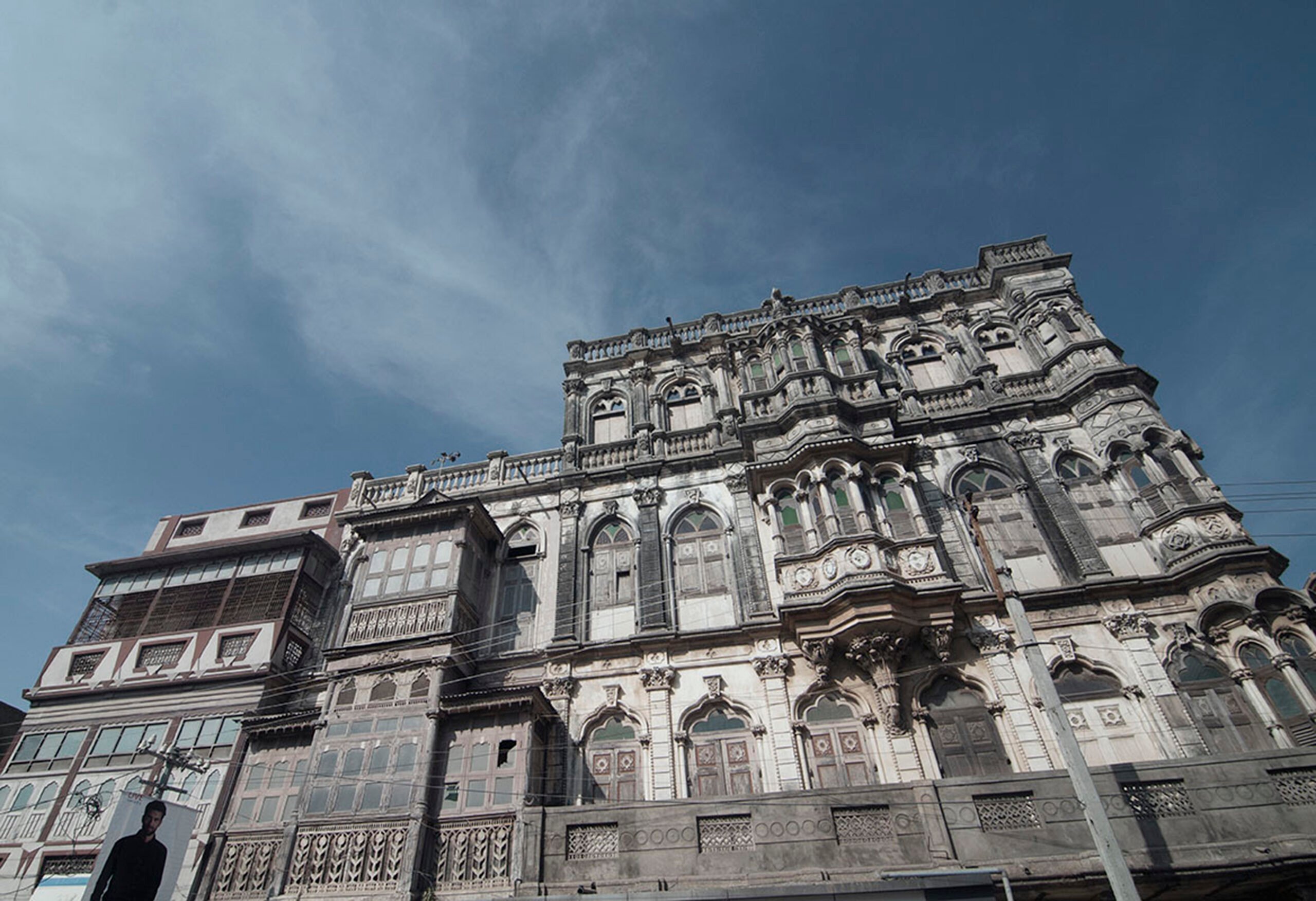
Sidhpur is deeply rooted in both history and Hindu mythology. Since ancient times, the sleepy little town in North Gujarat, India, has been a sacred pilgrimage site among Hindu devotees who honor their maternal ancestors. The town rose to prominence during the rule of the Solanki Dynasty when it became the capital of the state and was named after the famous king Siddhraj Jaisingh.

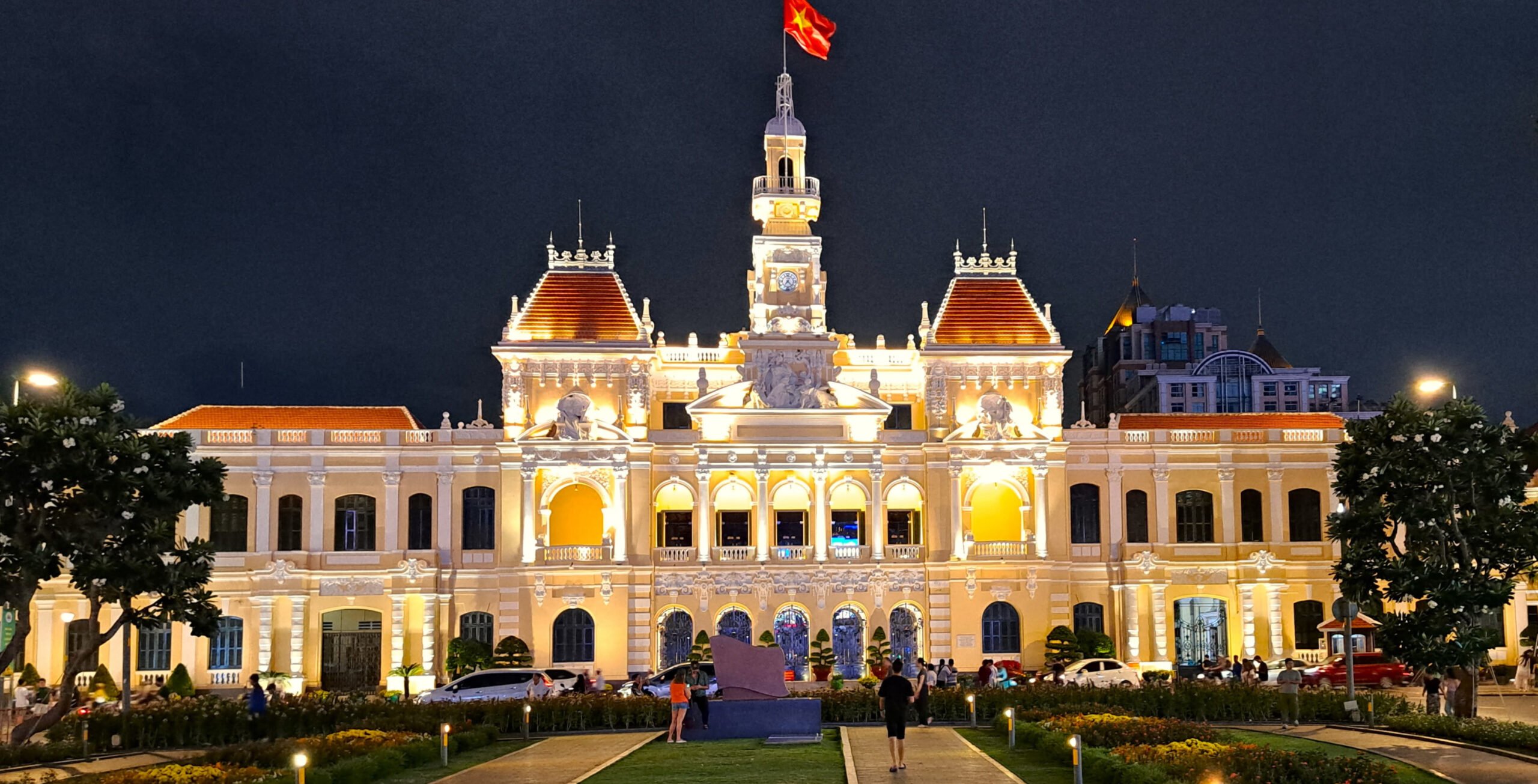
The ubiquitous street art, depicting portraits of Ho Chi Minh, flying pigeons, and people waving the national flag, reminded me that this year marks the 50th anniversary of Vietnam’s reunification in 1975.

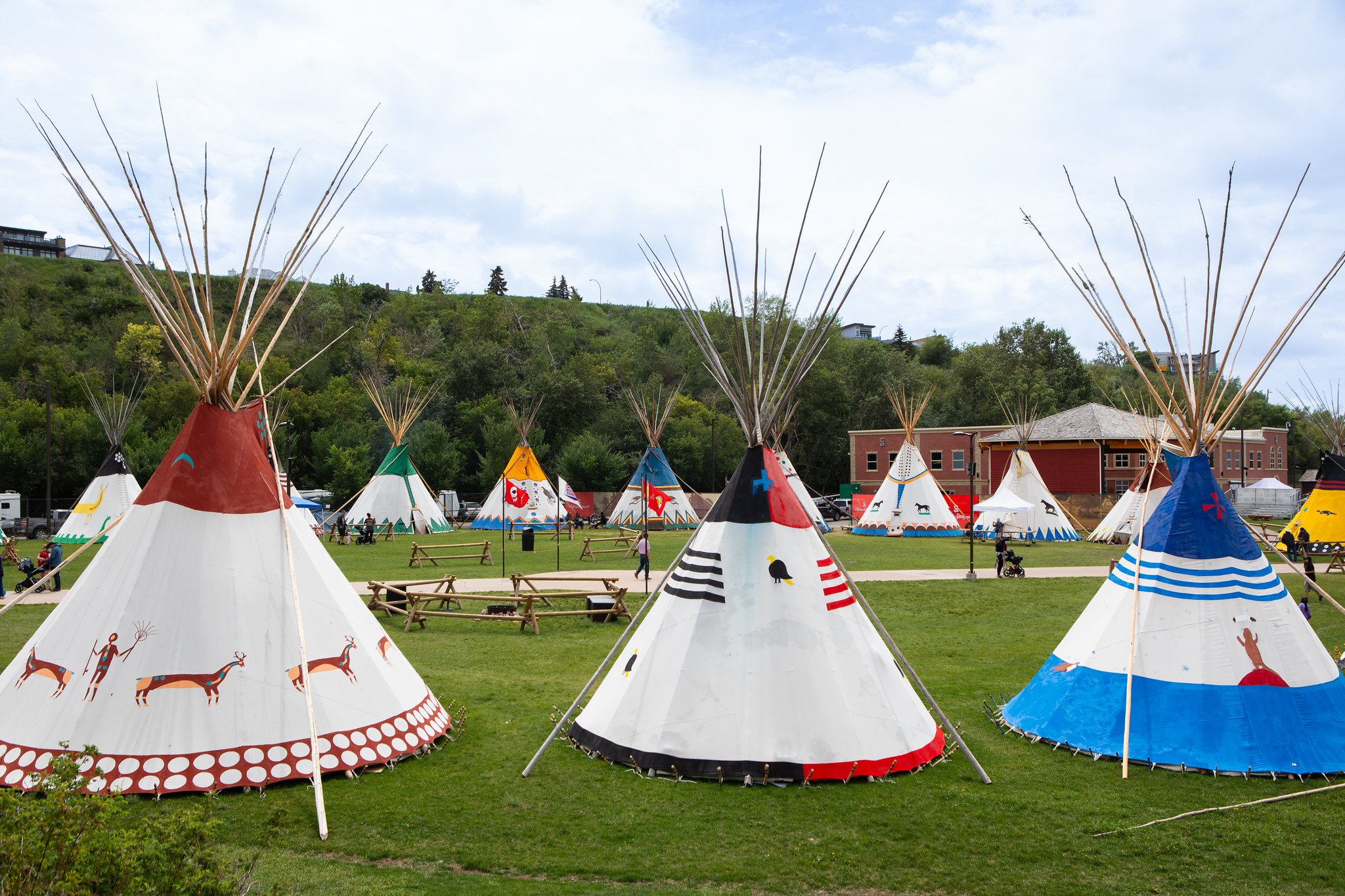
This week, “The Greatest Outdoor Show on Earth” returns to Calgary in the Canadian province of Alberta. Better known as the Calgary Stampede, this annual 10-day event features an opening parade, a rodeo, a festival filled with rides and indulgent treats, as well as pancake breakfasts throughout the community. But, perhaps one of the Calgary Stampede’s most intriguing events is the Elbow River Camp, formerly known as Indian Village.

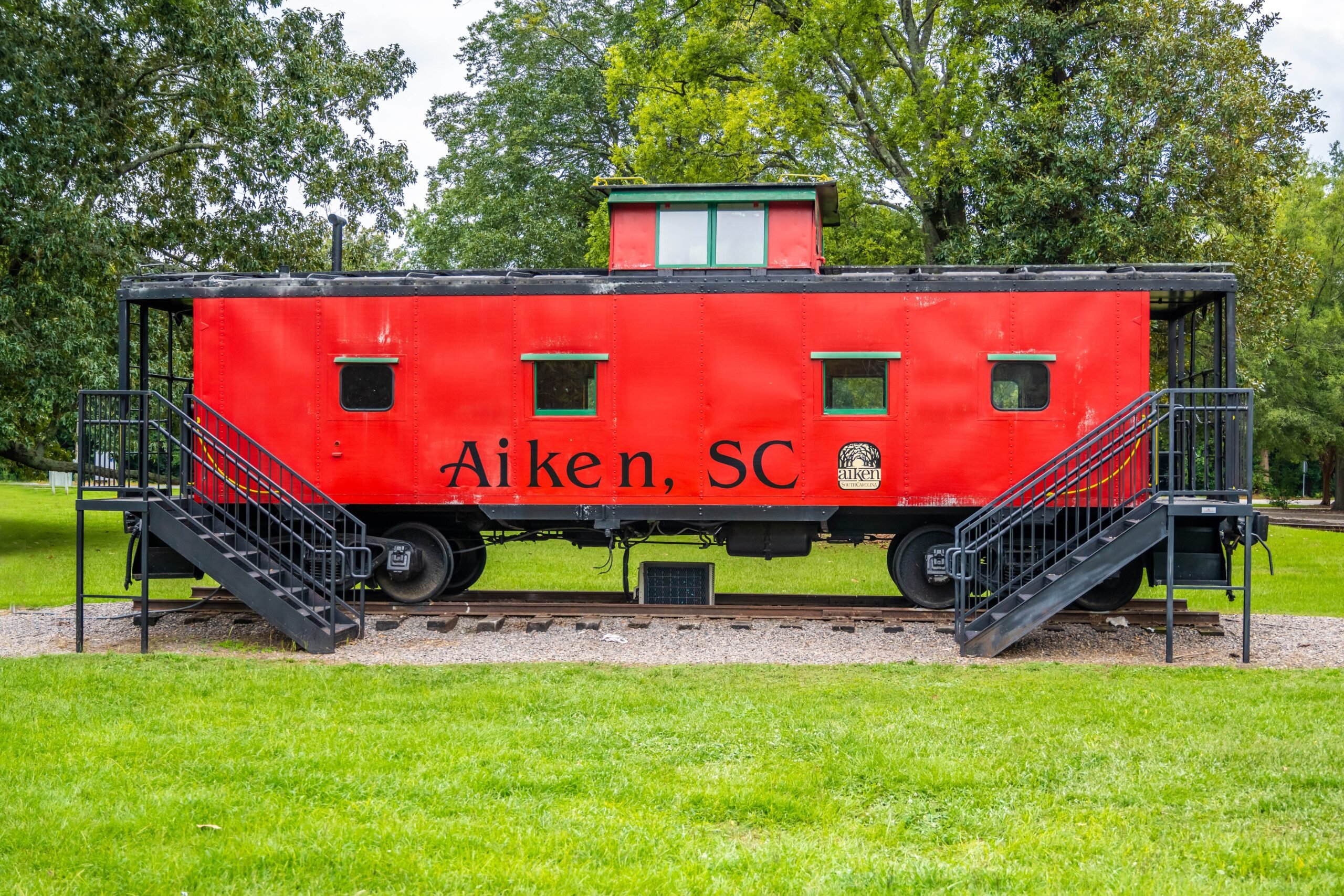
During the Gilded Age, wealthy Northerners came to Aiken, South Carolina for the warm weather, spring water, and pine-scented air. The railroad arrived here in 1830, and the Northerners followed. They established what became known as their Winter Colony. Stories of these well-heeled guests add to the charm of this Southern gem.
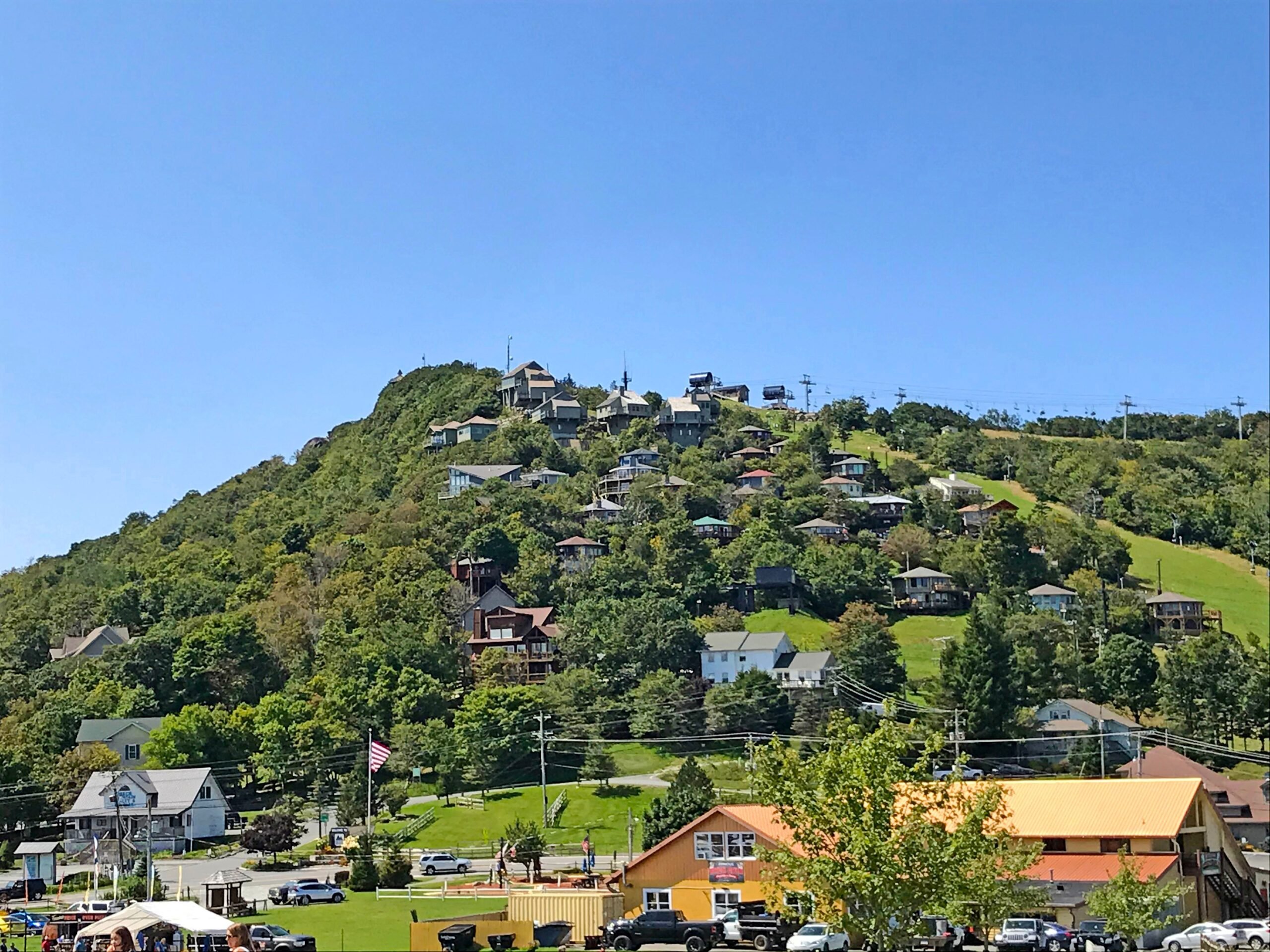
The natural beauty of the mountains of North Carolina has beckoned travelers for decades. When autumn arrives and vibrant shades of gold, orange, yellow, and red paint the landscape, even more visitors arrive. Residents and business owners eagerly anticipate the fall season and welcome travelers with a smile. But in September 2024, in the midst of the colorful season an unwelcome guest arrived…Hurricane Helene. The horrific storm caused significant damage to many mountain towns in the North Carolina mountains, and some have still not recovered. Lives, businesses, and property were lost to the storm.

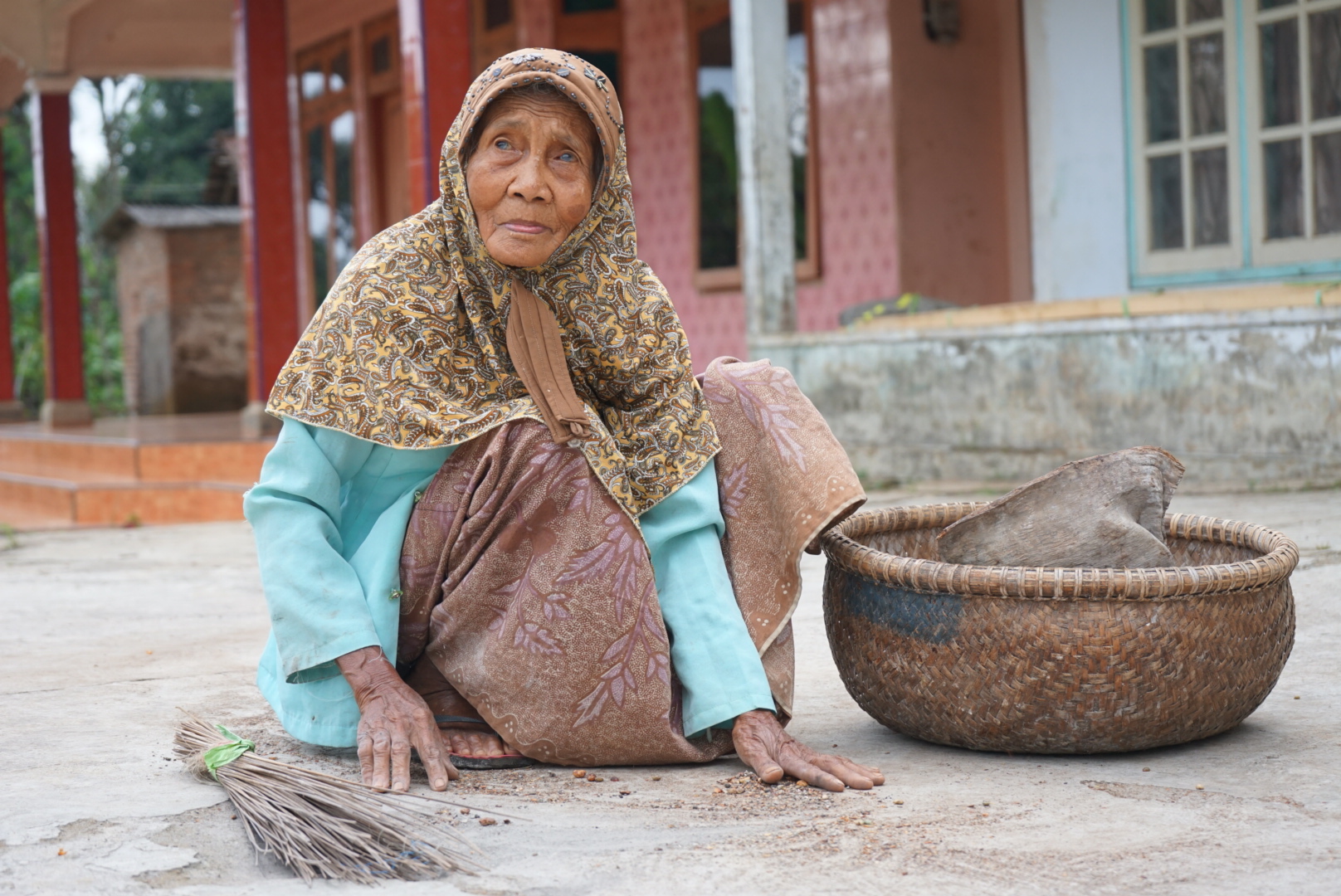
The sleepy village of Licin is situated in the Banyuwangi regency of East Java, Indonesia. It’s a 30-minute drive from the town of Banyuwangi – Java’s easternmost tip – and an hour from the slopes of Kawah Ijen, the legendary volcano famous for its electric blue flames. It’s often used as a base for hiking the world’s most fascinating crater, and foreigners usually pass through it. But during my travels in Indonesia last November, I was instantly drawn to Licin’s wild beauty and tranquility, making it my home for the remaining two weeks of my stay in the country.

“Watch us come back with a dog,” I joked to my partner as we packed our things for four months on Mexico’s Pacific coast. As it turned out, it was less of a joke than I thought. When you think of Mexico, street dogs probably aren’t the first thing that comes to mind. But outside of the resorts and villas that most tourists associate with Mexico, things are different. The country has the largest number of Mexican street dogs in Latin America. The National Institute of Statistics and Geography estimates that about 70 percent of the 18 million dogs in Mexico live on the street, born as strays or simply abandoned. It’s a statistic that becomes overwhelmingly evident as you walk around.
Award-winning artist and sculptor Tyree Guyton started The Heidelberg Project in 1986 as a political protest after he returned to his old Detroit neighborhood, the Heidelberg area in the McDougall-Hunt Neighborhood, and found dereliction and debris. Drugs and crime made the neighborhood unsafe to walk even in the daytime. He began cleaning up vacant lots with the help of his grandfather, Sam Mackey. Then he took the first step in what became known as the Heidelberg Project; he painted his mother's house with brightly colored polka dots as a statement that we are all different but should all be treated equally. It became known as the Dotty Wotty House, sometimes called the People's House.
In my broken Thai, I pointed toward the water and looked at the boatman. “Bua?” I asked. "Bua" means lotus in Thai. I tried to mimic the local accent and used a hand gesture, hoping he would understand and take me to see the flowers. He nodded and smiled, mumbled a string of words that I could not understand, and steered the boat into the open water, still shrouded in morning fog. The boat slowly pierced through the dissipating mist, eerily silent, like something out of a sci-fi movie. Before us, a sea of pink lotuses started to unfold, bit by bit, like a watercolor painting coming to life with each brushstroke. It was surreal, almost like a dream, yet it was real. My jaw dropped in awe when the scene finally unfolded in its entirety.

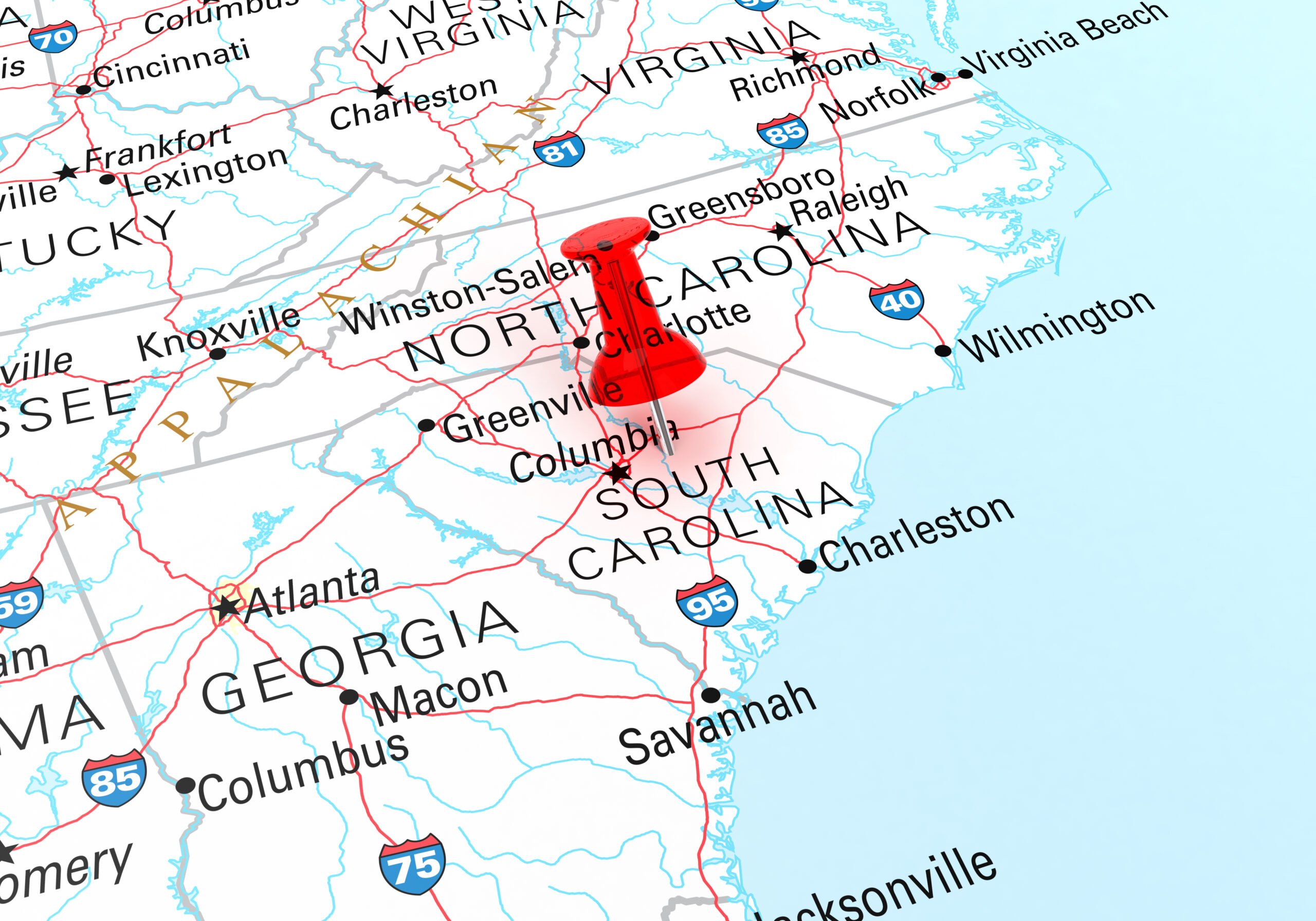
Plan a culturally rich Southern road trip through Georgia, North Carolina, and South Carolina with this guide to 24 must-see museums showcasing Southern heritage, art, science, and architecture. Discover iconic landmarks and cultural treasures perfect for itineraries through the Carolinas and Georgia or family outings in the Southeast.

When you hear the term astrotourism, you might think about famous figures like William Shatner taking a Blue Origin New Shepard rocket to the edge of space. But astrotourism isn't about going to outer space; it’s about enjoying outer space from good old planet Earth. It's a type of ecotourism centered around dark skies and celestial events such as eclipses, meteor showers, comets, and auroras.
As the gateway to the world-famous Norwegian fjords, Norway’s Ålesund and Sunnmøre region overflows with an abundance of natural treasures. But nature is only part of the story. The town of Ålesund is a cultural treasure as well, with a tragic yet beautiful history. On a winter’s night in 1904, Ålesund was devastated by a rapidly spreading fire. The fire left 10,000 people homeless and 850 homes in ashes. In a span of three years, the entire town rose from the ashes. Rebuilt in the Art Nouveau style prevalent throughout Europe then, its new facade was stunning.

Over the years, many people helped create the Florida Keys we know today. Some lived there, others only visited. Today, Mallory Square Sculpture Garden displays busts of people who impacted Key West. From Bogart to Hemingway to President Harry Truman, the Florida Keys has always been a magnet for famous characters.

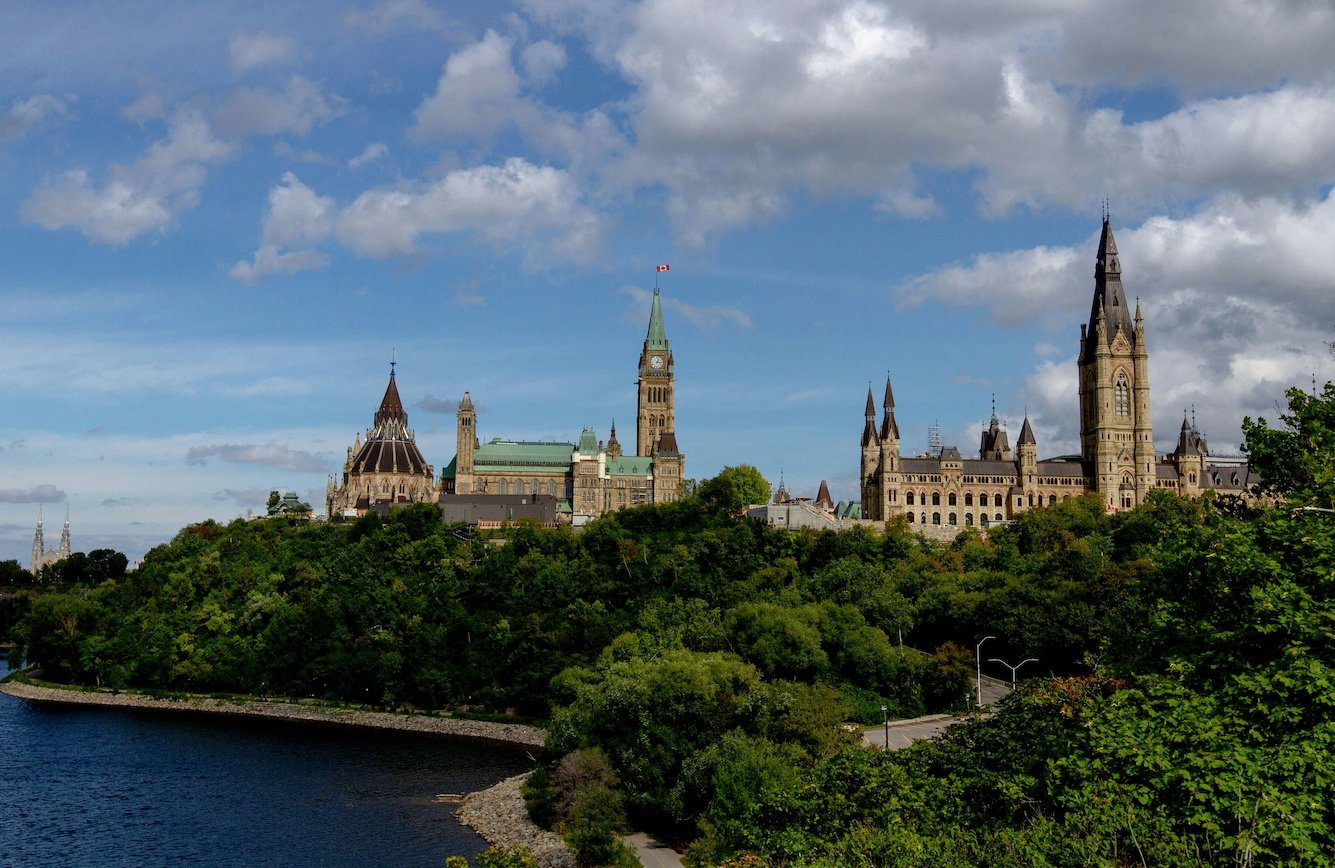
When conjuring up images of Canada, the Rocky Mountains or the CN Tower might come to mind first. Canada’s capital city, Ottawa, rarely lands in the top five of most Canadian travel bucket lists. I would know–I've written some of those. But suppose you're looking for a city break with lots of outdoor adventures, history, and great food served with a side of Canadian charm. In that case, Ottawa is undoubtedly a destination that deserves a look.

An iconic American riverside outpost, Savannah resembles a charming European city fronting an urban-yet-pastoral landscape of botanical gardens and period homes. Here, 100-year-old gigantic moss-draped live oak trees dominate America’s first planned city. Savannah also overflows with handsome squares, monuments, eclectic locals, and a genteel southern heritage.

Martin Luther King, Jr. National Historical Park & Preservation District in Atlanta, Georgia, shares the story of how a young Black boy born into the segregated South became a national icon for Civil Rights. The park consists of several blocks along Auburn Avenue. Here you’ll find the Visitor Center, Martin Luther King, Jr’s birth home, and the BEHOLD monument. Other historic sites include Fire Station No. 6, The King Center, where Dr. and Mrs. King are buried, and Freedom Hall. The historic Ebenezer Baptist Church, where King gave his famous “I Have a Dream” speech.