
Insights

Insight globe on traveler's eye.
“Discovery is the journey; insight is the destination.”

There are few countries in the world whose very name evokes both ancient civilizations and modern geopolitical fault lines. Iran, cradle of the Achaemenid Empire and home to Persepolis, Golestan Palace, and the Silk Road’s eastern reaches, has long intrigued travelers including me. Cultural heritage exhibitions from the National Museum of Iran have drawn crowds abroad — like the 2024 “Glory of Ancient Persia” tour that attracted tens of millions of visitors in China — and locals often speak proudly of these legacies. Yet today, the idea of visiting Iran sits in limbo because of a war that has reshaped regional mobility and frozen tourism ambitions in the dust of airspace closures and safety warnings.

During February, there is an influx of travel stories for the “Best Places to Celebrate Black History Month”. It’s great and there are so many places I want to visit! However, the same list almost disappears into the ether as soon as March 1st arrives.

World Footprints goes beneath the surface of the Negro Motorist Green Book, uncovering the human stories behind a document that quietly saved lives. During segregation, travel for Black families wasn’t about freedom or leisure—it was about calculation and risk. Driving through America meant navigating Sundown Towns, racial violence, and long stretches of road where no one would come to your aid if something went wrong. The Green Book became a lifeline. It identified safe places to sleep, eat, repair a car, or simply stop without fear. It also revealed a parallel America—one built by Black entrepreneurs, homeowners, and community leaders who created sanctuary in an openly hostile landscape. Overground Railroad: Reframing the Green Book’s Legacy We explore this history with Candacy Taylor, whose book Overground Railroad reframes the Green Book as part of a larger resistance network. Taylor situates Black travel within a lineage of survival and self-determination, showing how [...]

This episode of World Footprints explores how culture is experienced, preserved, and challenged through movement and art. From walking the length of Israel’s coastline to preserving Eritrean identity through visual expression, and revisiting the humanitarian themes embedded in Dr. Seuss’s illustrations, this conversation highlights how storytelling shapes our understanding of place, history, and humanity.

In honor of our veterans, World Footprints shares an intimate conversation with Dr. Betty Moseley Brown — one of the first women of color to join the U.S. Marine Corps. She reflects on breaking barriers, lessons in leadership, and how travel remains her path to transformation. 🎖️✈️

Welcome to South Africa, the country with too many names! The list is long, but some of the most notable options include the Republic of South Africa, my absolute favourite country, Mzansi, and the rainbow nation.

U.S. State Department travel advisories use four levels and nine risk indicators. Learn how advisories differ from embassy alerts and how STEP can help travelers stay informed abroad.

I’m a frequent traveler—it’s unusual if a month goes by without an overnight trip. Trial and error have taught me what things are essential and what overpacking looks like: I’m thinking of you, that Caribbean cruise I took for my tenth wedding anniversary. FYI, you do NOT need two large suitcases for a 7-day cruise. Next time, I’ll pack a carry-on, wash some things in the sink, hang them to dry on the convenient line in my cabin, and wear them again, content in knowing I won’t be dragging too much luggage through the airport and cruise terminal.

Black American travelers and digital nomads discuss race, safety and belonging abroad—and why meaningful representation in the travel industry matters.

I never expected to become the adventurous traveler I am today. My comfort zone has done a complete 180 over recent years, and I have the unbeaten path to thank for it.

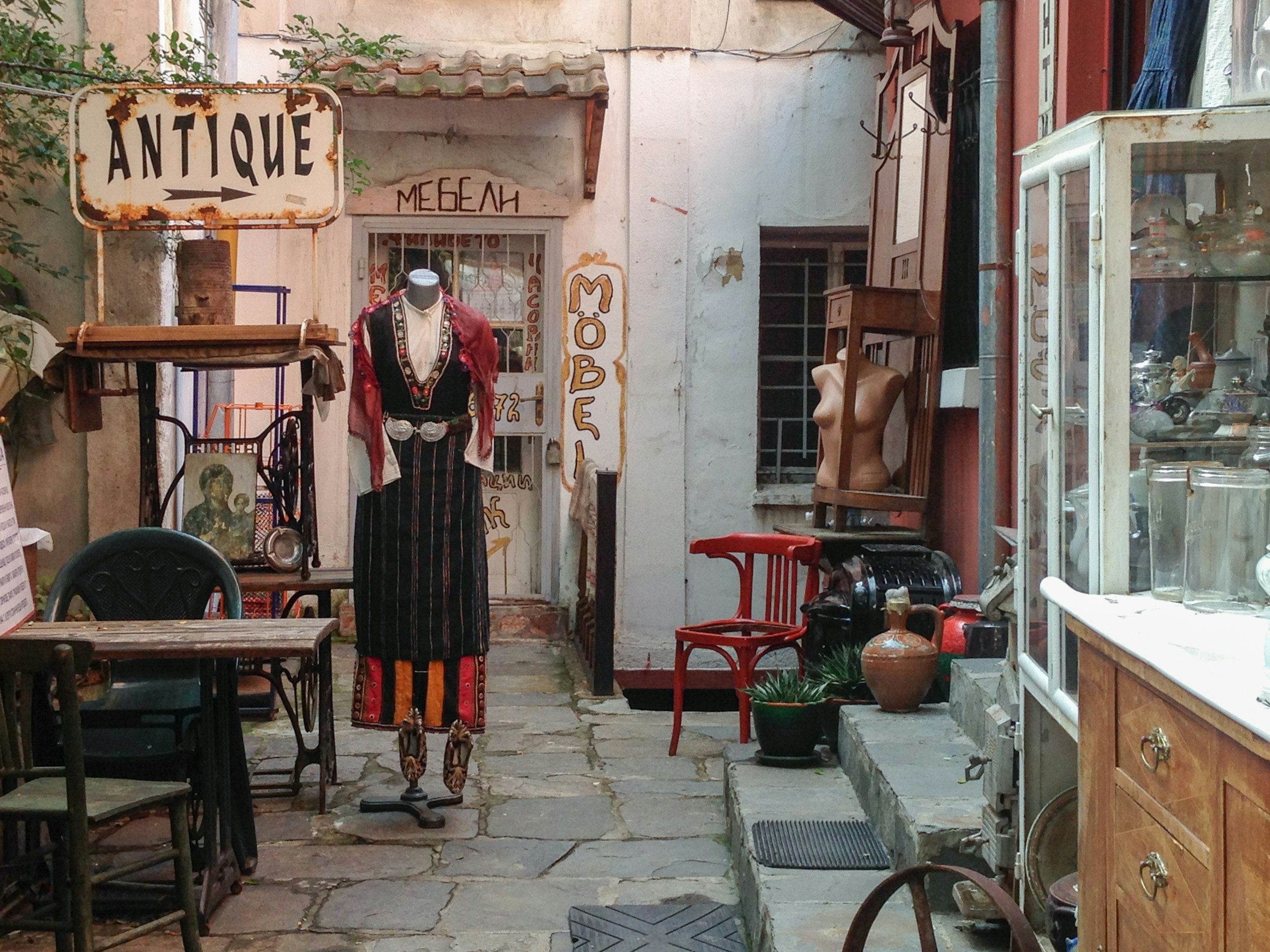
When I was a kid, I thought everyone popped into quirky little antique shops when they traveled. After all, my family did. We built entire day trips around it. We’d spend hours drifting from shop to shop in Cadiz and Paducah, Kentucky, or Watertown, Pigeon Forge, and Lebanon, Tennessee. Those shops can be as informative as museum visits, especially with a knowledgeable companion. They can help you get to know the area in a distinct way. I still make it a habit to visit antique shops when I travel, and I think you should, too. Here’s why.

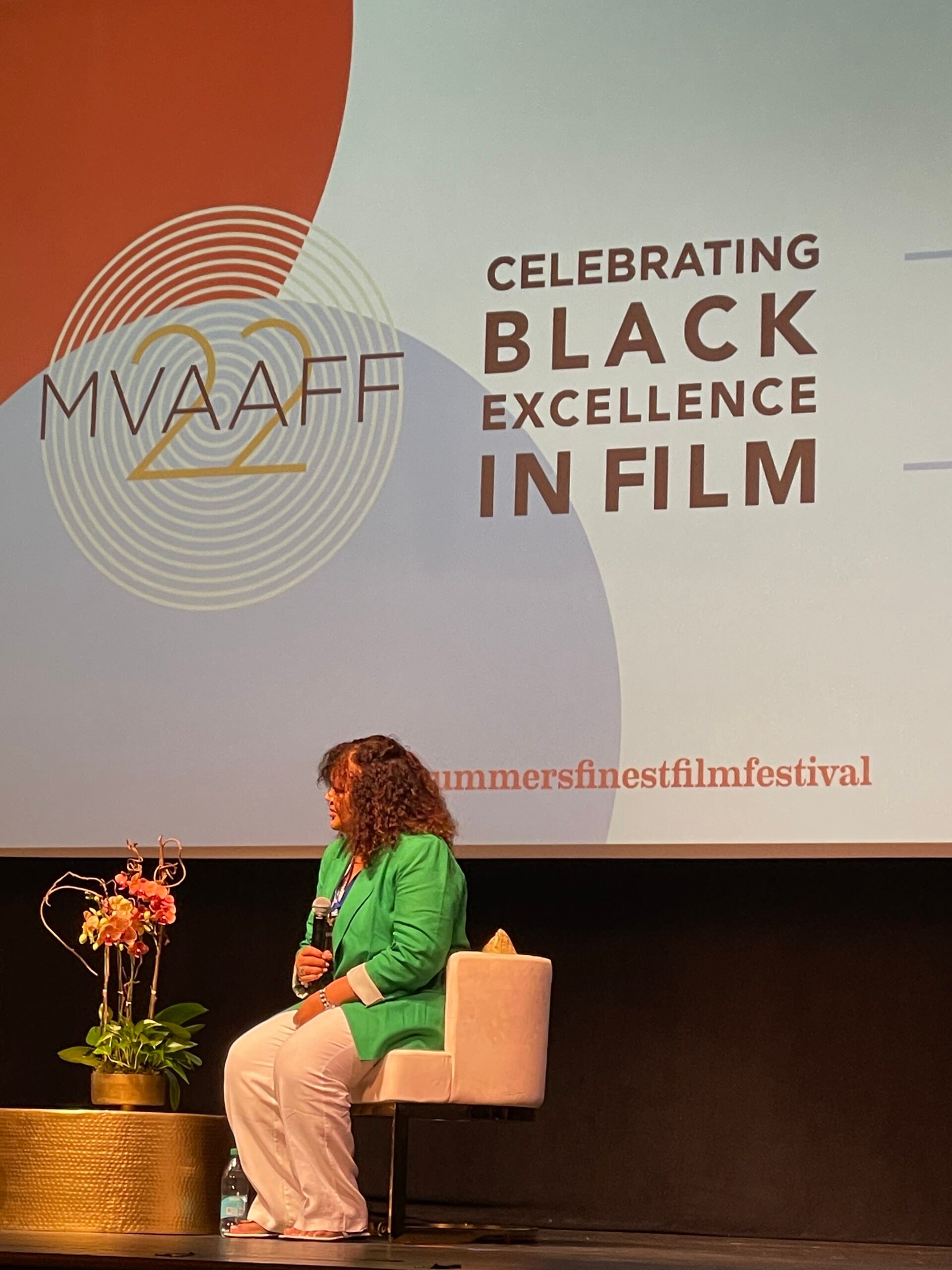
If you’ve never been to the Martha’s Vineyard African American Film Festival (MVAAFF), here’s your invitation to something truly special. This isn’t just a film festival. It’s a celebration of Black creativity, legacy, and community — all set against the stunning backdrop of Martha’s Vineyard. Every August, Oak Bluffs transforms into a vibrant hub of storytelling and connection. It’s where filmmakers, activists, artists, and audiences gather to experience a week of screenings, panels, parties, celebrity sightings and cultural exchange. If you’re joining for the first time, here’s everything you need to know to make the most of it.