

Experiencing the World as a Blind Traveler
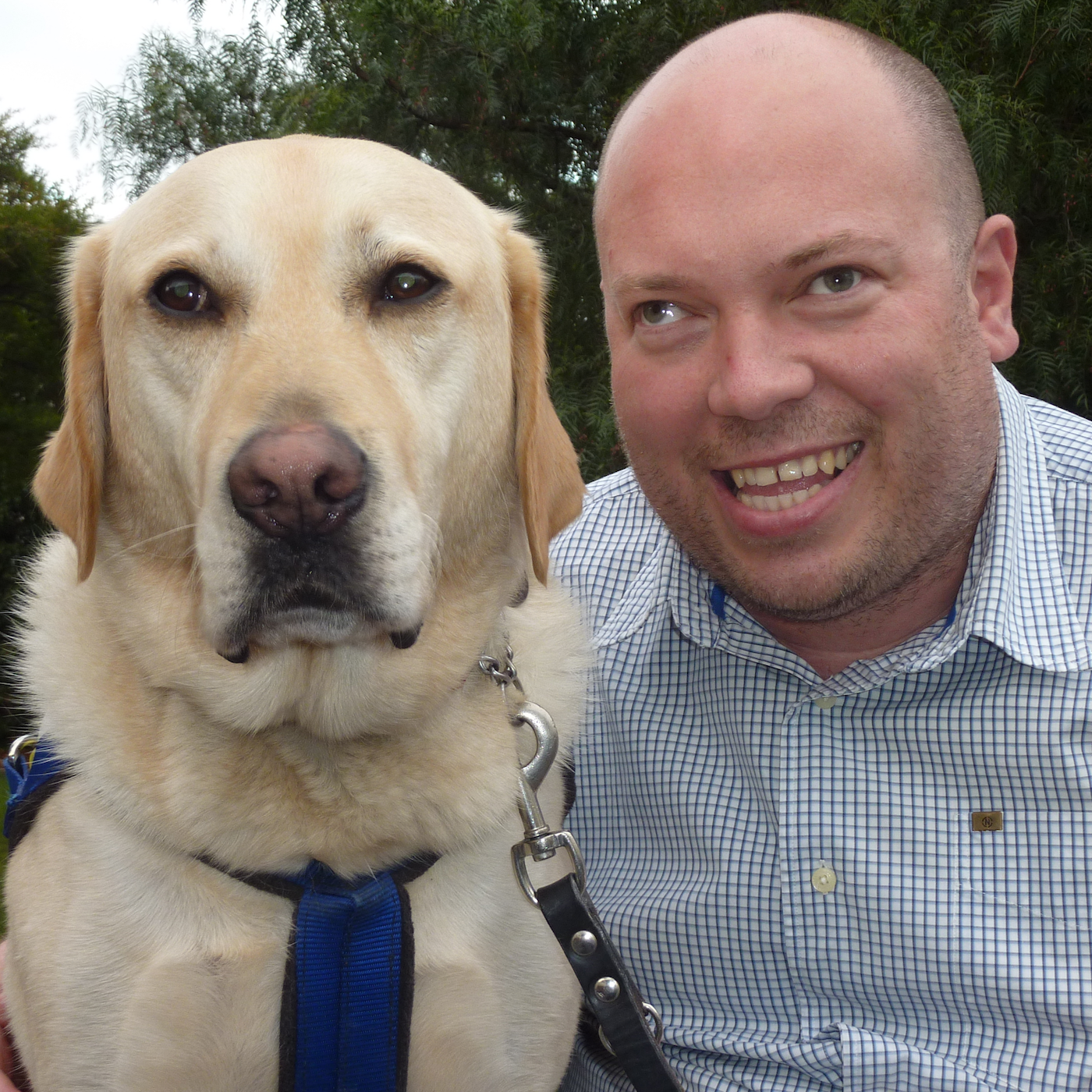
Dale Reardon and guide dog Charlie
Aired on July 14, 2026
Travel opens doors to new cultures, communities and experiences, but not every traveler encounters those doors in the same way.
In this World Footprints podcast episode, Australian entrepreneur, accessibility advocate and experienced blind traveler Dale Reardon shares what it is like to explore the world without sight. He discusses traveling with his guide dog, navigating unfamiliar destinations and encountering tourism services that were not designed with blind and low-vision travelers in mind.
Dale’s story is not simply about traveling despite blindness. It is also about the ways technology, employee training, business policies and access to reliable information can determine whether a traveler is welcomed, excluded or able to experience a destination independently.
His experiences raise an important question for the tourism industry: Can a hotel, attraction or destination call itself accessible if its accommodations work for some travelers with disabilities but leave others behind?
When Hotel Technology Is Not Truly Accessible
Technology has changed the hotel experience. Digital systems may allow guests to adjust the lights, close window shades, turn on the television, change the room temperature or order a meal with the touch of a button.
These features may appear convenient and innovative. However, new technology is not automatically accessible technology.
Dale describes encountering a hotel system that controlled several room functions through a one-touch interface. Although the technology may have simplified the guest experience for many travelers, it did not include voice commands or another practical way for a blind guest to use it independently.
A system designed to make the hotel room easier to navigate had unintentionally created a new barrier.
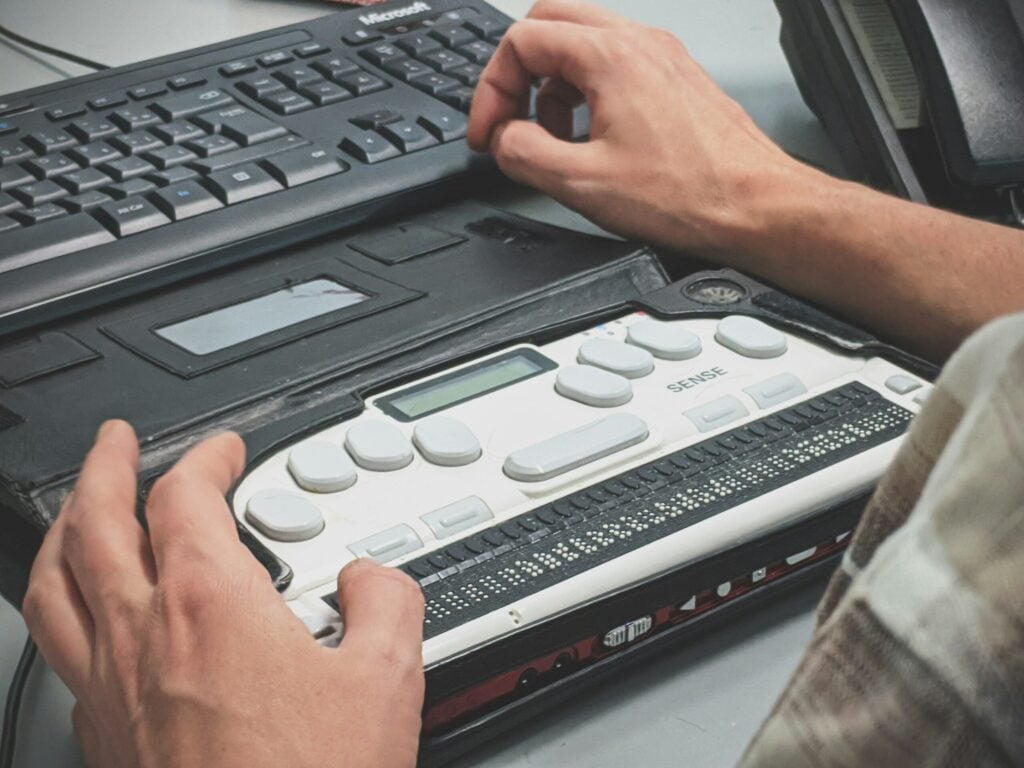
Photo by Compagnons
The experience illustrates why accessibility should be considered during the design process rather than added after a product or service has already been developed. When technology assumes that every guest sees, hears, moves or processes information in the same way, innovation may exclude some of the people it is intended to serve.
As Dale explains:
“There is not a one-size-fits-all solution for people with disabilities.”
—Dale Reardon
Travelers may have visual, hearing, mobility, cognitive, sensory or other accessibility needs. Even people with similar disabilities may use different tools, travel differently or require different types of information and support.
Traveling With a Guide Dog—and Facing Discrimination
Guide dogs provide mobility, independence and support for many blind and low-vision travelers. Yet Dale has encountered businesses and transportation providers that treated his guide dog as a pet rather than as a working assistance animal.
During the conversation, Dale shares experiences of being refused taxi service and denied entry to restaurants because he was accompanied by his guide dog. He has also been prevented from participating in some tourism activities.
These encounters affect more than a traveler’s itinerary. Being denied service may create unexpected costs, limit access to a destination and send the message that some visitors are less welcome than others.
Not every accessibility barrier is physical. Some result from inadequate employee training, unclear business policies or limited understanding of the role of guide dogs.
For hotels, attractions, restaurants and transportation providers, creating a more inclusive visitor experience also requires preparing employees to communicate respectfully, offer assistance without making assumptions and understand the different ways travelers may navigate the world.
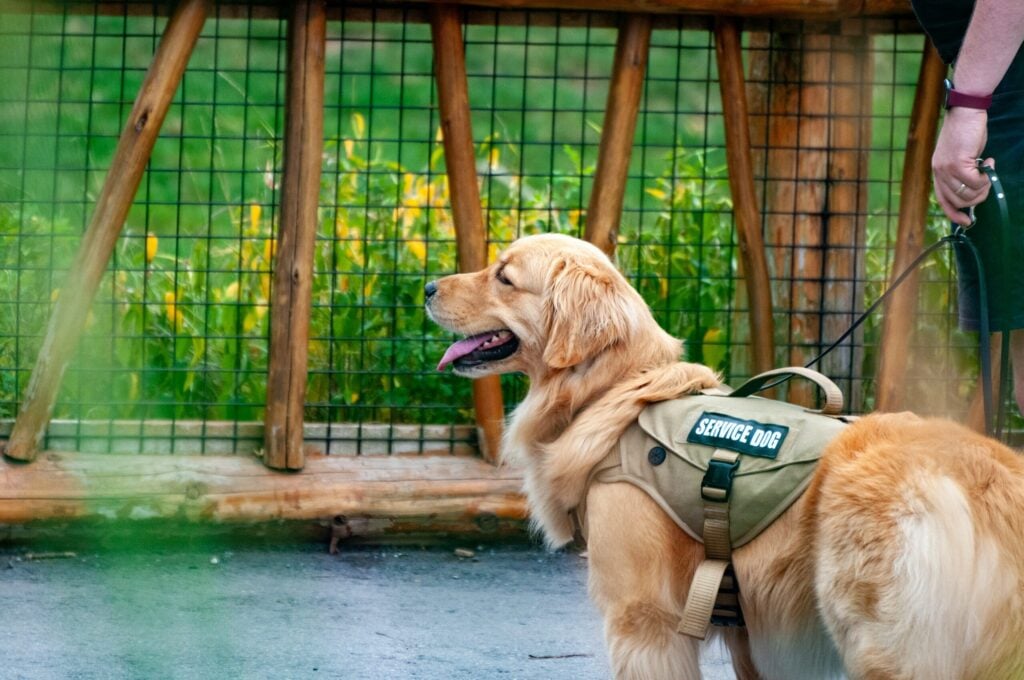
Photo by Andy Luo
Why Accessible Tourism Cannot Be One-Size-Fits-All
The word “accessible” is frequently used throughout the travel industry, but the term does not always tell travelers what they need to know.
A hotel may offer wheelchair-accessible rooms while providing little information for guests who are blind or have low vision. A digital kiosk may make check-in easier for many travelers while creating difficulties for someone who depends on audio navigation. An attraction may describe itself as disability-friendly without explaining which accommodations or services are available.
Broad labels are useful only when travelers understand what they mean in practice.
Dale’s experiences demonstrate why detailed and accurate accessibility information is essential. Before arriving, travelers may need to know whether hotel technology can be used independently, guide dogs are accommodated, transportation is accessible or an activity can be adapted to meet different needs.
Inclusive tourism is not about creating an identical experience for every person. It is about providing equitable access, useful information and meaningful choices so travelers can make informed decisions based on their individual needs.
From Travel For All to Tourism Success
When this World Footprints conversation was recorded, Dale’s platform was known as Travel For All. The platform was created to help travelers with disabilities, older travelers and others with accessibility needs find and share practical information about destinations, accommodations, transportation and tourism experiences.
Rather than treating accessibility as a secondary feature, Travel For All placed it at the center of the travel-planning experience.
Travel For All has since changed its name to Tourism Success. Through Tourism Success, Dale continues to bring his lived experience as a blind traveler and accessibility advocate to his broader work with tourism and hospitality businesses.
The current platform provides practical guidance related to tourism marketing, business growth, technology, operations and guest experiences while maintaining a strong commitment to accessible and inclusive tourism.
Dale’s work reflects an important reality: travelers with disabilities are not an afterthought or a small group outside the tourism economy. They are travelers, customers and community members whose experiences should be considered throughout the visitor journey.
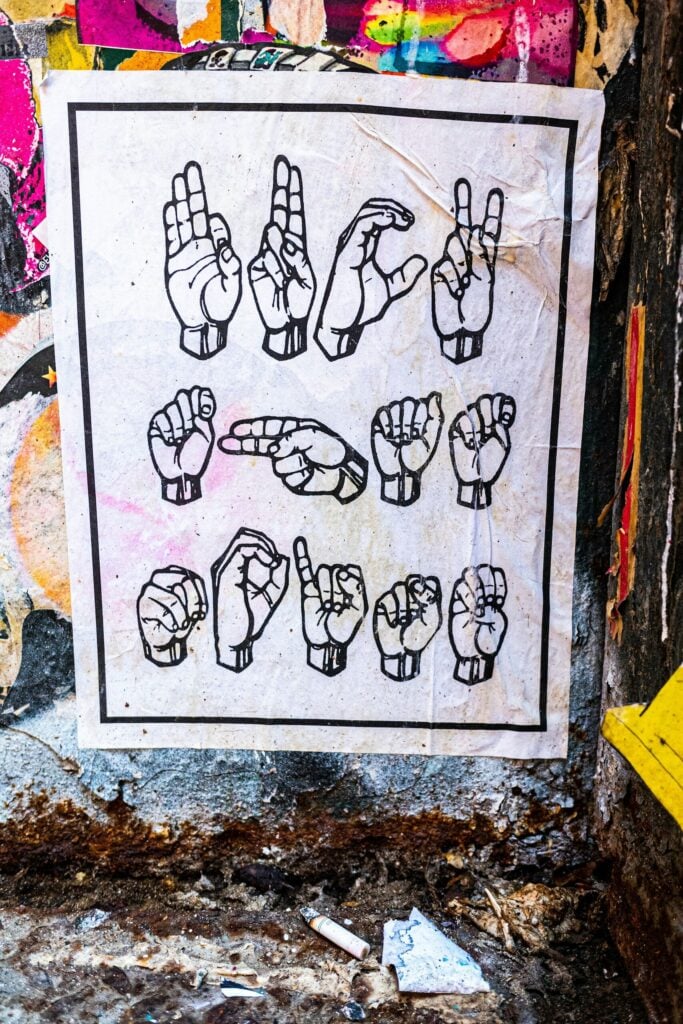
Photo by New York Said
What You Will Hear in This Episode
During this World Footprints conversation, Dale discusses:
- What it is like to navigate the world as a blind traveler
- Traveling with a guide dog
- Discrimination involving taxis, restaurants and tourism activities
- How hotel technology can unintentionally create accessibility barriers
- Why accessibility needs differ among travelers
- The importance of accurate and detailed accessibility information
- Gaps in disability awareness throughout the tourism industry
- The creation of Tourism Success, known as Travel For All when the episode was recorded
- Why accessible tourism benefits travelers, destinations and tourism businesses
Listen as Dale shares the experiences that have shaped his perspective as a blind traveler and challenges the tourism industry to move beyond assumptions and one-size-fits-all approaches to accessibility.
Learn more about Dale Reardon, his work in accessible tourism and his appearance on World Footprints.
Book Your Travel to ANY Destination
Use the interactive map below to search, compare and book hotels & rentals at the best prices that are sourced from a variety of platforms including Booking.com, Hotels.com, Expedia, and more. Search for ANY destination by clicking in the upper left corner of this map.
Join the community!
Join our community to receive special updates (we keep your private info locked.)
