

Uluru Ephiphany: A Journey to Australia’s Spiritual Hub
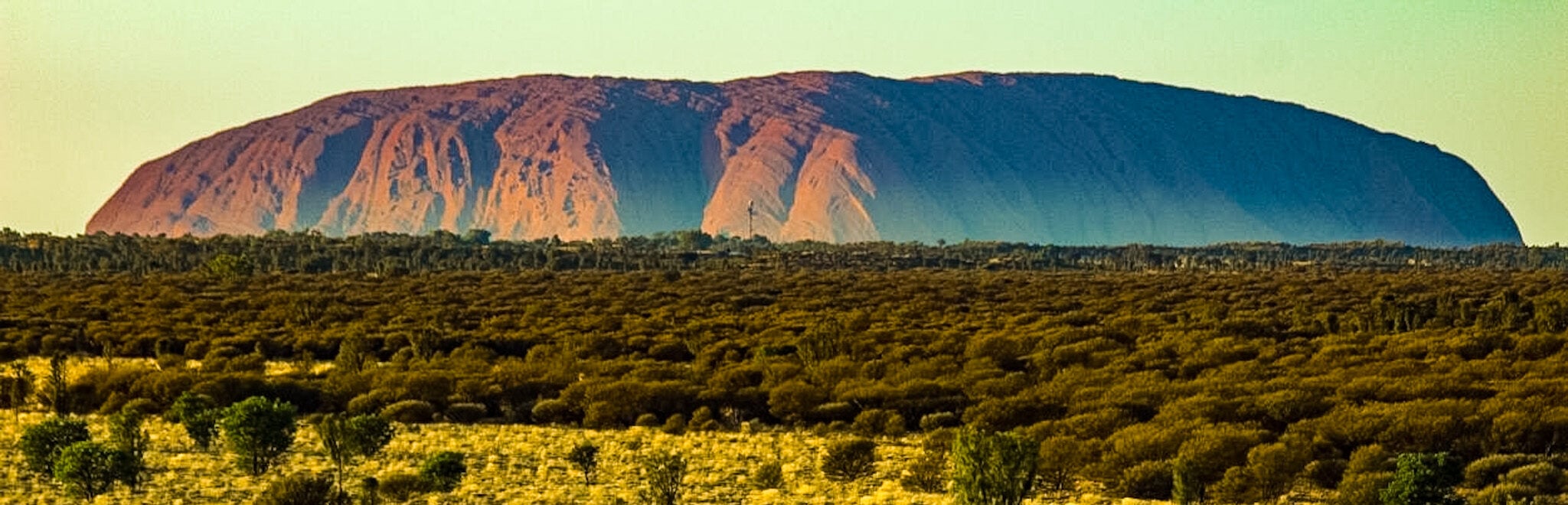
Uluru: Australia's Spiritual Hub Photo: Nicholas Kontis
Posted July 22, 2026
When I told friends I was leaving San Francisco to travel across the world to photograph a gigantic rock in the center of the Australian desert, their reactions ranged from “Why?” to “Wow, that must be some sort of spiritual place!”
Both responses made sense. From the outside, the idea of journeying thousands of miles to stand before a solitary sandstone monolith seems puzzling. Yet for those drawn to places imbued with history, belief and meaning, Uluru, once known as Ayers Rock, is far more than just a rock. It is a living cultural landscape.
My fascination with spiritually significant places began early in my life. At around nine years old, I stood atop the Acropolis in Athens, gazing at the Parthenon citadel complex. Despite being too young to fully grasp its historical meaning, I felt something powerful all the same. The ancient stones radiated permanence and purpose, leaving me silent and awestruck. That moment planted a seed.
Experiences from Travels Across the Globe
Later in life, similar experiences unfolded before me as I traveled across the globe. I wandered the sprawling temple complex of Angkor Wat in Cambodia, lingering for days, afraid that if I rushed, I might miss something sacred hidden behind banyan roots or within shadowed corridors. Machu Picchu rose from the Peruvian Andes with a quiet authority that commanded stillness. At Stonehenge, I stood among other soul-searching visitors, transfixed, all of us wondering how and why such a spiritual place had come to exist.
These experiences taught me something fundamental about travel. No matter how many extraordinary places we visit, there will always be sacred sites that remain elusive. Some places live in our imagination long before we reach them. For me, Uluru — Australia’s spiritual heart, its fabled Red Centre — was one of those places.
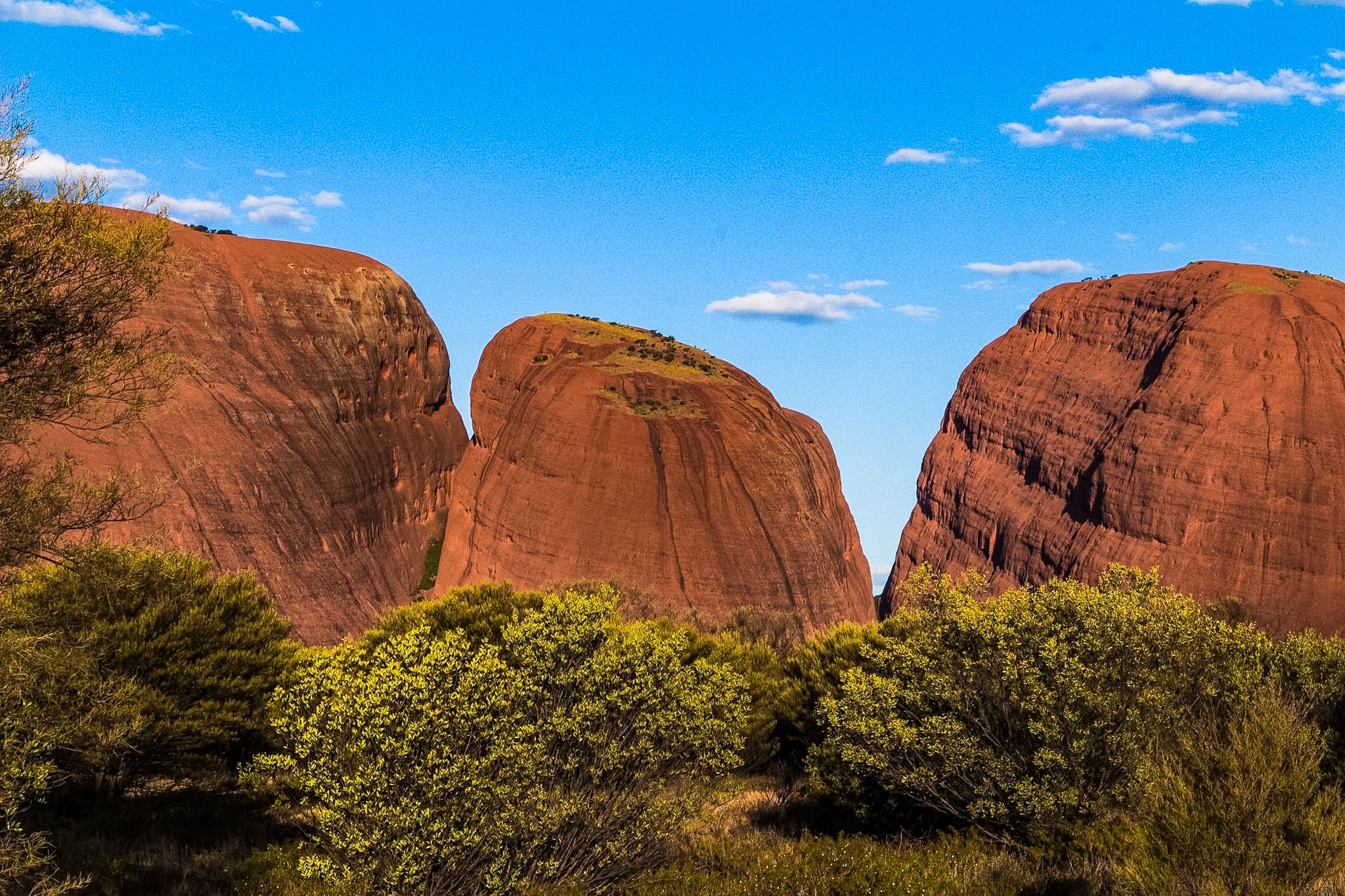
Kata Tjuta Landscape Photo: Nicholas Kontis
Sacred Sites
After nearly 24 hours and more than 10,000 miles of travel, the plane descended into Australia’s arid interior at Ayers Rock airport. As passengers pressed toward their windows, Uluru appeared below — rising abruptly from the desert floor, massive and unmistakable. Seeing it for the first time was startling. No photograph prepares you for its scale or isolation. It stands alone, commanding attention in a vast, flat landscape, a geological anomaly shaped over hundreds of millions of years.
Uluru is composed of arkose sandstone and formed deep underground, long before it was exposed by erosion. Today, it rises 348 meters (1,141 feet) above the plain, though most of its bulk remains hidden beneath the surface. Nearby is Kata Tjuta, also known as the Olgas — an even larger formation made up of 36 domes spread across the desert. Together, these landmarks dominate the geography of central Australia and define the character of Uluru–Kata Tjuta National Park.
Their significance is not merely geological. Uluru and Kata Tjuta are sacred to the Anangu people, the traditional owners of the land. The Anangu are part of the oldest continuous living culture on Earth, the Australian Aboriginal civilization, dating back more than 60,000 years. According to their Tjukurpa belief system, ancestral beings traveled across the land at the beginning of time, shaping the landscape and establishing laws, stories, and moral codes that are still followed today.
Respect and Perspective
Uluru and Kata Tjuta serve as physical evidence of these ancestral journeys. Many caves, rock formations, and waterholes are associated with specific stories and ceremonies, some of which are restricted to specific groups. For more than 10,000 years, these sites have been used for rituals, teaching, and rites of passage. To the Anangu, the land is not something to be owned or conquered — it is a living entity, inseparable from culture and identity.
This perspective has profoundly shaped how Uluru is managed today. The national park is jointly managed by Parks Australia and the Anangu people, combining Indigenous knowledge with modern conservation practices. Before entering the park, visitors are educated at the Cultural Centre, where they learn about Anangu traditions, sacred sites and appropriate behavior.
Although climbing Uluru was once promoted as a tourist attraction, it has long been considered disrespectful by the Anangu. In 2019, climbing was officially prohibited, marking a significant shift toward sustainable tourism. During my visit, even before the ban, sacred areas were clearly marked, and the message was evident. I chose not to climb. Instead, I walked the 5.8-mile base trail around Uluru, observing ancient rock art, caves and natural waterholes.
Walking alongside the monolith felt like a gesture of respect rather than dominance. The environment surrounding Uluru is far from empty. Despite the harsh desert climate, more than 400 plant species thrive within the park, including spinifex grass, desert oaks, and resilient shrubs adapted to extreme heat and limited rainfall. Wildlife such as perenties (giant monitor lizards), nocturnal mala (tiny wallabies), and various bird species depend on this delicate ecosystem. Environmental management focuses on protecting native species, controlling invasive plants, and minimizing human impact on fragile habitats.
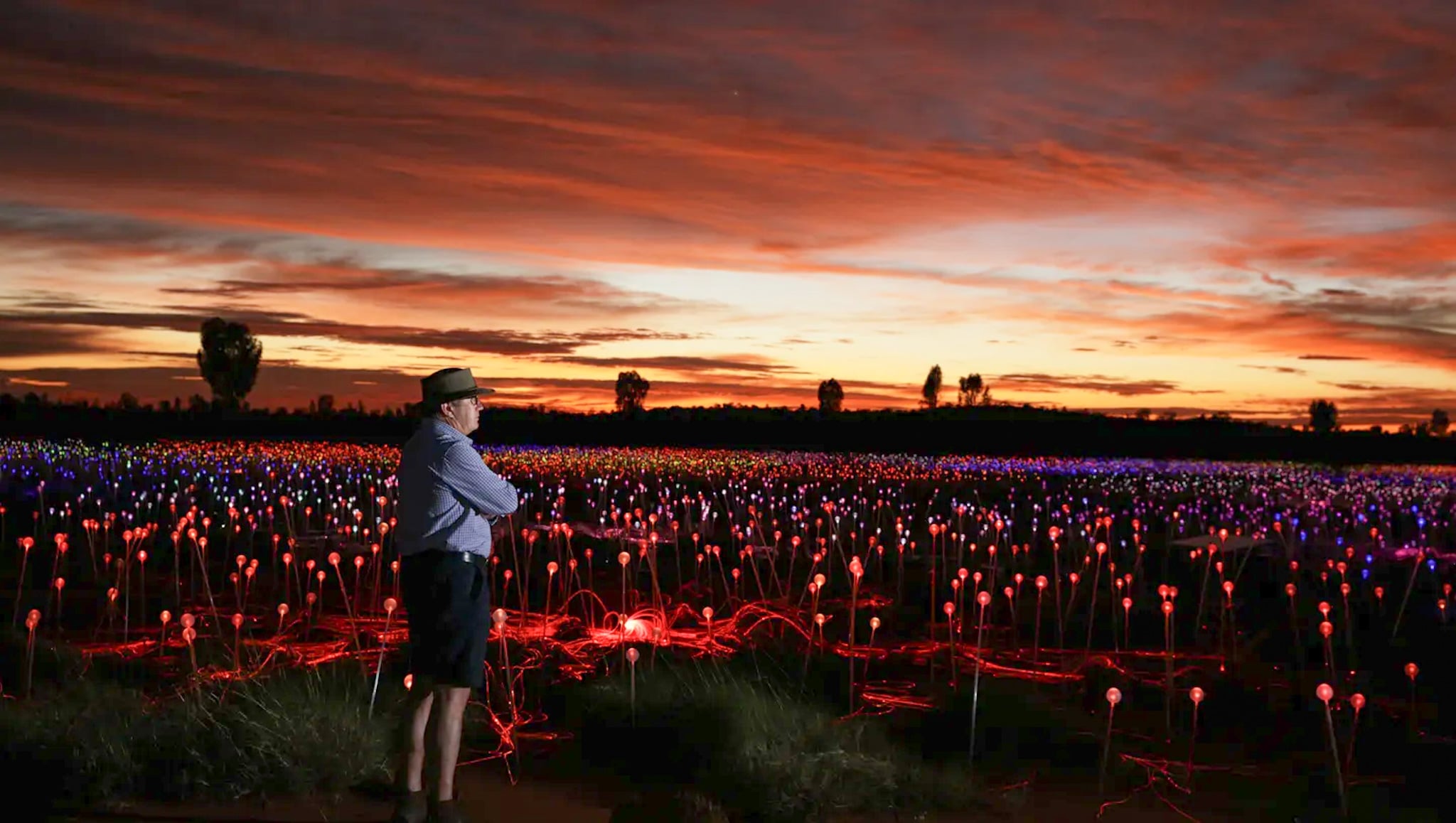
Bruce Munro’s Field of Light Photo: Nicholas Kontis
Field of Light
Tourism plays a vital role in the region’s economy, but it is carefully regulated. Visitors are encouraged to stay on marked paths, to avoid photographing sacred sites, and to engage with Anangu-led experiences. This balance between access and preservation ensures that Uluru remains protected for future generations while still allowing people to connect with its power. Keeping their culture thriving, the Anangu, working with park services, have drawn cultural renditions at 80 rock sites, many threatened by weather, wasp nests, animals, and the number of visitors entering the sacred site.
One of the most striking modern additions to the landscape is British artist Bruce Munro’s Field of Light installation. “Uluru had a profound effect on me, and I wanted to create a very gentle installation on this fragile land,” said the artist Munro. His vast display of 50,000 solar-powered lights spreading across the desert floor is worth arriving before dawn to see. I watched as the darkness slowly lifted and waves of color — crimson, cobalt, tangerine and silver-green — bloomed like desert flowers. As the sun rose, Uluru emerged behind the installation, glowing in earthy reds, revealing the natural beauty of Australia’s Outback. The artwork felt temporary and gentle, enhancing rather than competing with the land.
Travel is not about collecting destinations. At its best, it reshapes how we see the world. Uluru, an enormous sandstone monolith in the Australian desert, leaves a mark that is difficult to explain but impossible to forget. Standing there, you begin to understand why this place is sacred — not only because of its age or beauty, but because of the stories, laws and relationships embedded within it. Uluru is not just a landmark. It remains a living reminder that land, culture and spirit are deeply intertwined.
Click Here for Discounted Accommodations in Australia
Join the community!
Join our community to receive special updates (we keep your private info locked.)

