

Your Vacation Shouldn’t Feel Like Work: 7 Ways to Travel With Less Stress

Relaxing on the beach in a hammock.
Posted July 9, 2026
A vacation is supposed to offer a break from everyday pressures, yet travel can create its own form of stress. There are flights to catch, bags to pack, reservations to manage and expectations about how much you should see once you arrive. By the time some travelers return home, they need another vacation to recover.
Having a less stressful vacation does not require planning every minute or spending more money. It usually comes down to giving yourself enough time, preparing for the things that matter and leaving room for the unexpected.
Use the Vacation Time You Have Earned
Many people treat vacation days as something they should save indefinitely. They worry that taking time away will make them appear less committed or that work will pile up while they are gone. But vacation time is part of your compensation, not a favor granted by your employer.
Request your time off as early as possible, particularly if you want to travel during school breaks, holidays or your company’s busiest vacation periods. Check important deadlines, speak with colleagues whose responsibilities overlap with yours and create a plan for anything that must be handled during your absence.
Then give yourself permission to be away. Sending one last email from the airport can easily turn into monitoring your inbox throughout the trip. Unless your job genuinely requires you to remain available, establish who should be contacted while you are gone and turn off work notifications.
When possible, avoid returning home late on Sunday night and heading straight to work Monday morning. An extra day at home gives you time to unpack, restock the refrigerator, wash clothes and settle back into your normal routine.
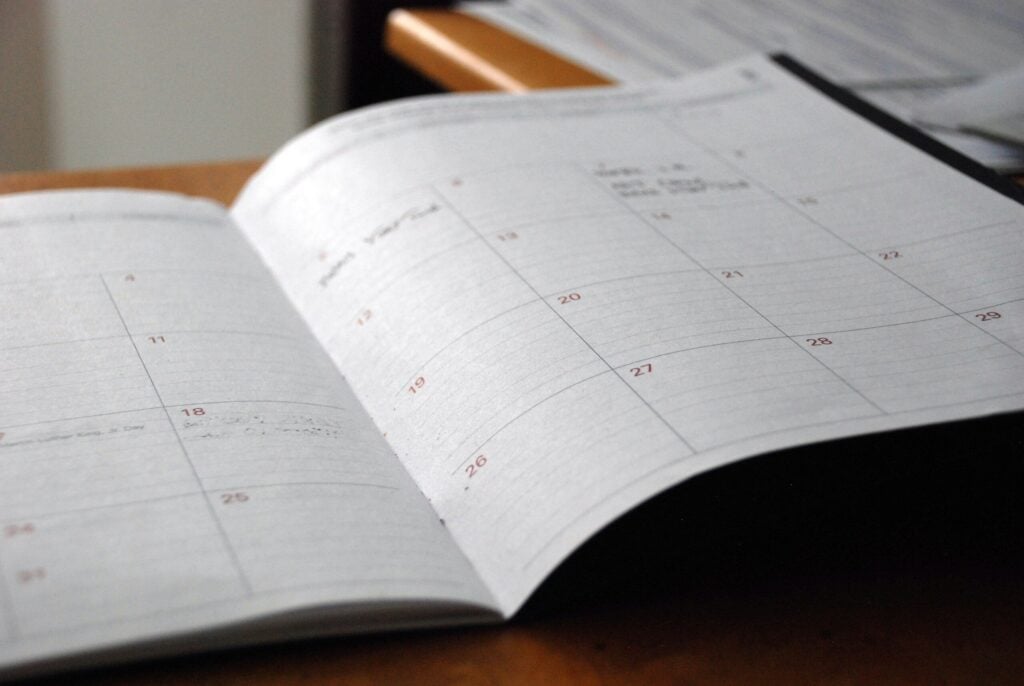
Photo by Eric Rothermel
Plan the Important Details, Not Every Hour
Some parts of a trip should be organized in advance. Confirm your transportation, lodging, airport transfers and any attraction or restaurant that requires a timed reservation. Keep the confirmation numbers and addresses in one place that you can access even without internet service.
International travelers should also review the U.S. Department of State travel advisories for their destination. The department’s free Smart Traveler Enrollment Program, known as STEP, sends security and emergency updates from the nearest U.S. embassy or consulate.
Once the essentials are covered, resist the urge to schedule every hour. A long list of must-see attractions can turn a vacation into a race across town. It can also leave little time to recover from jet lag, adjust to the weather or simply enjoy where you are.
Choose one or two priorities for each day. Everything else can remain optional. You may discover a neighborhood market, hear about a local festival or find a café where you would rather linger than hurry to the next attraction.
Those unplanned moments are often the experiences people remember most.
Give Yourself an Easier First Day
The first day of a trip is rarely the best time for an ambitious schedule. Flights are delayed, hotel rooms may not be ready and unfamiliar public transportation can take longer to navigate than expected. Even when everything runs smoothly, travel is tiring.
Instead of booking a major excursion shortly after arrival, allow time to check in, eat, walk around the neighborhood and become familiar with your surroundings. Locate a grocery store or pharmacy, learn how to get back to your hotel and confirm transportation for the following day.
For international travel, check the CDC Travelers’ Health website before departure. It provides destination-specific health information and current travel health notices.
A quiet first evening may not look exciting on an itinerary, but it can make the rest of the trip far more enjoyable.

Wine glass at sunset
Stop Trying to Pack the Perfect Suitcase
Packing becomes stressful when travelers prepare for every possible situation. A suitcase quickly fills with extra outfits, multiple pairs of shoes and items that can easily be purchased at the destination.
Start with what you will genuinely need: identification, medication, chargers, comfortable shoes, basic toiletries and clothing that can be worn more than once. Check the weather shortly before leaving rather than relying on seasonal assumptions.
For air travel, review the Transportation Security Administration’s What Can I Bring? search tool. TSA’s current carry-on rules generally limit liquids, gels and aerosols to containers of 3.4 ounces or less, although medically necessary liquids can be carried in larger quantities when declared for screening.
You do not have to avoid checking a bag at all costs. A carry-on can make short trips easier, but forcing everything into a small suitcase can create its own problems. Choose the option that works for your itinerary, mobility and comfort level.
For a few less conventional ideas, see 6 Weird Things I Always Travel With on World Footprints.
Prepare for Problems Before They Become Emergencies
You cannot prevent every delay, cancellation or lost bag, but a small amount of preparation can keep a disruption from taking over the entire vacation.
Save digital copies of your passport, identification, insurance information and reservations. Keep essential medication, valuables, a change of clothes and basic toiletries in your carry-on rather than your checked luggage.
Before purchasing travel insurance, read the policy rather than assuming every problem will be covered. Cancellation, interruption, medical treatment, evacuation and baggage protection may have different limits and exclusions. Credit cards sometimes include certain travel protections, but the benefits vary.
It is also helpful to keep a small financial cushion for unexpected transportation, meals or an additional hotel night. Travel disruptions are irritating enough without having to make every decision based on the last few dollars in your budget.
Do Not Let Your Phone Run the Vacation
Phones make travel easier. They hold boarding passes, maps, reservations, translation tools and cameras. They can also keep you connected to every demand you hoped to leave behind.
Decide before the trip how available you intend to be. Turn off unnecessary notifications and avoid checking work email out of habit. Download maps, tickets and entertainment before leaving so that you are not constantly searching for a signal.
Photographs are part of travel, but every meal, street and sunset does not have to become content. Take the picture, put the phone away and look at the place in front of you.

Photo by Andrew M
Allow the Destination to Set the Pace
A less stressful vacation is not measured by how many attractions you complete. It is shaped by how you experience the destination.
Pay attention to local rhythms. Eat at a neighborhood restaurant rather than rushing through every meal. Visit a museum that helps you understand the place. Take public transportation when it makes sense. Speak with local residents and learn a few words in the local language.
Travel becomes more meaningful when a destination is treated as a living community rather than a collection of photo opportunities. Slowing down can also reduce the pressure to see everything in one visit.
You will probably miss something. That is not a failed vacation. It may simply be a reason to return.
Book Your Travel To ANY Destination
Use the interactive map below to search, compare and book hotels & rentals at the best prices that are sourced from a variety of platforms including Booking.com, Hotels.com, Expedia, Vrbo and more. Search for ANY destination by clicking in the upper left corner of this map.
Join the community!

Join our community to receive special updates (we keep your private info locked.)
