

Rio 2016 Paralympics: First Impressions from Brazil
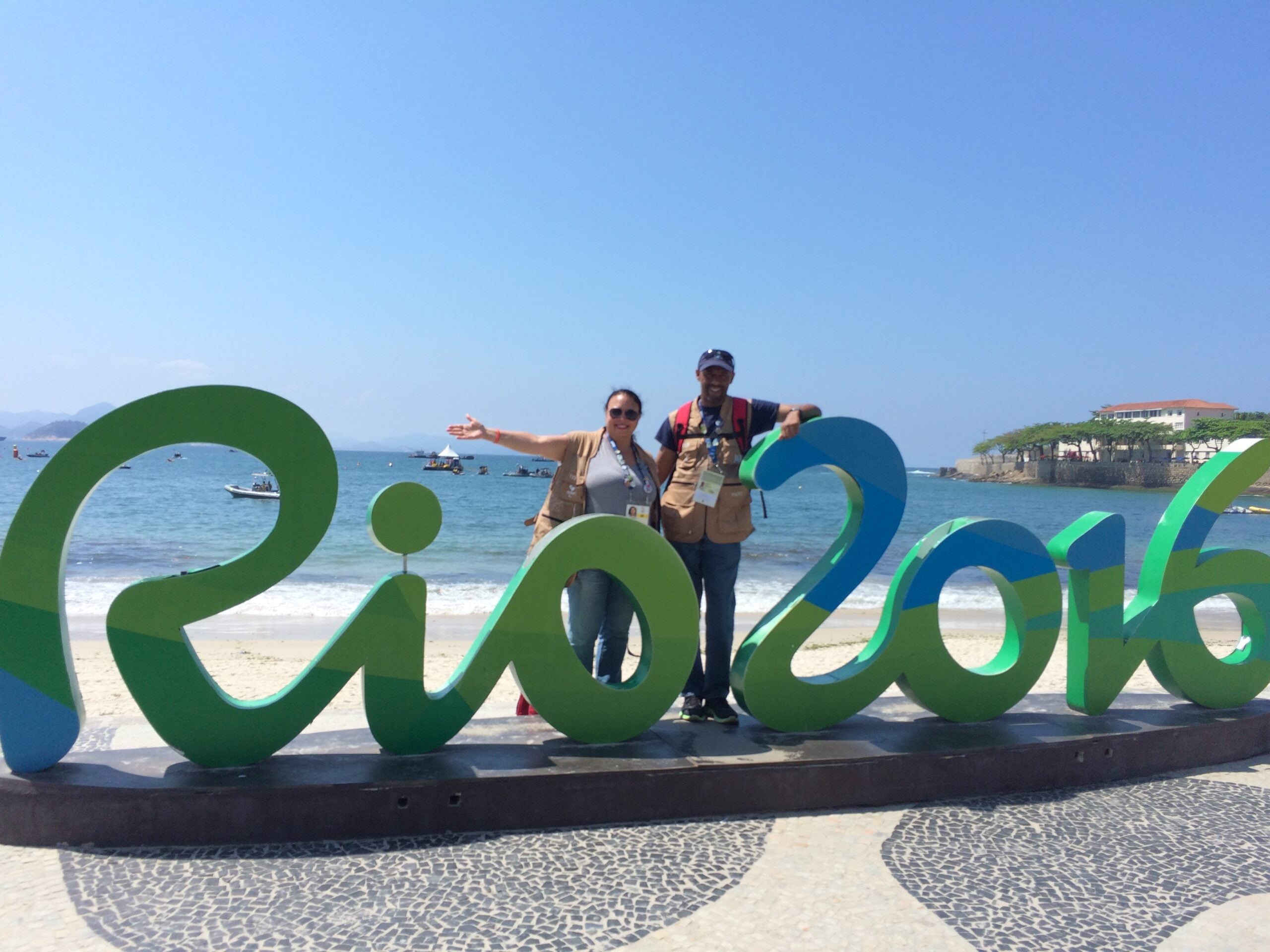
World Footprints co-founders Tonya and Ian Fitzpatrick in Rio de Janeiro during their coverage of the 2016 Paralympic Games. Photo: World Footprints archive.
Aired on September 10, 2016
We arrived in Brazil for the Rio 2016 Paralympics with plenty of questions. In the months leading up to our trip, international headlines had raised concerns about the Zika virus, public safety, economic uncertainty and the challenges of hosting two major sporting events.
Those concerns were real, and we had no intention of ignoring them. But we also knew there was more to Rio de Janeiro than the troubling reports dominating the news.
As travel journalists, we wanted to experience the city firsthand, form our own impressions and discover what the headlines might have overlooked.
In this World Footprints podcast episode, co-hosts Tonya and Ian Fitzpatrick share their initial reflections on Brazil and the historic opening of the 2016 Paralympic Games.
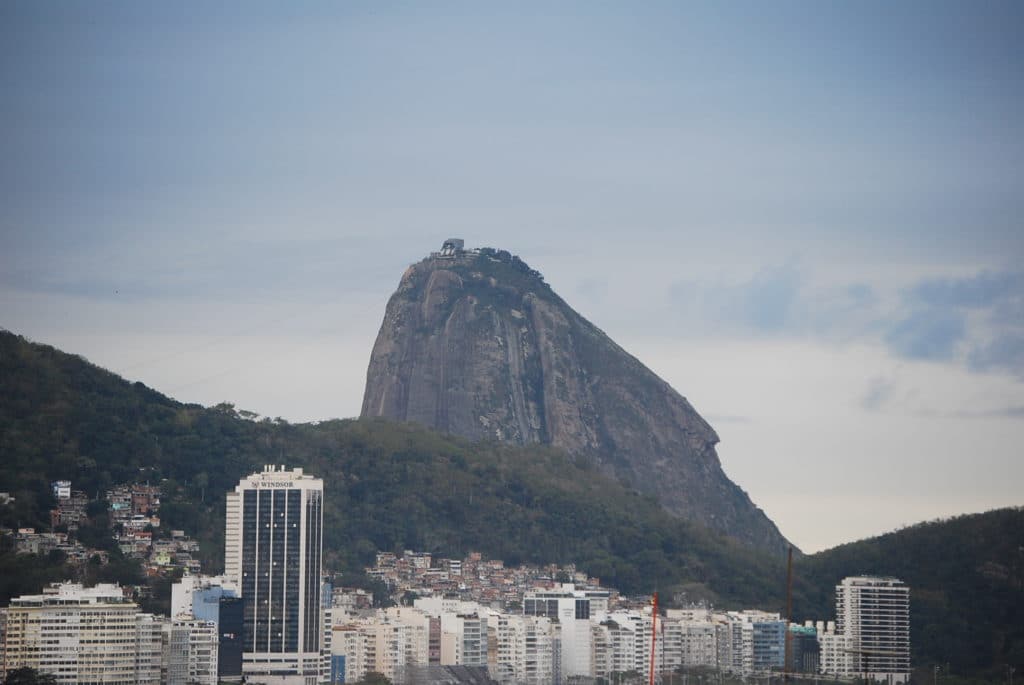
Sugarloaf Mountain (Pão de Açúcar) overlooks Rio de Janeiro’s densely populated neighborhoods and urban landscape. The city’s dramatic geography forms part of the cultural landscape recognized by UNESCO as a World Heritage Site in 2012. Photo © Tonya Fitzpatrick / World Footprints.
Rio 2016: A Historic Moment for the Paralympic Games
The Summer Olympics concluded on August 21, but Rio’s international sporting spotlight has not faded. On September 7, the Paralympic Games officially opened at Maracanã Stadium, marking the first time the Games have been held in Latin America.
The distinction carries particular significance for a region where access to sports, recreation and public infrastructure remains an important conversation.
For the athletes, the Paralympics represent years of training and the opportunity to compete on one of the world’s largest sporting stages. Their achievements deserve recognition for their athletic excellence, not simply as inspirational stories about overcoming disability.
Yet Rio’s preparations have been anything but straightforward.
In August, the International Paralympic Committee acknowledged a serious financial shortfall that threatened essential services. Organizers announced reductions affecting transportation, staffing and some venue media centers. Funding challenges also raised concerns about whether smaller national delegations could afford to travel to Brazil.
These were substantial problems, not simply unfavorable headlines. The Games are unfolding against a complicated political and economic backdrop, making their successful delivery especially significant.
The Paralympic Opening Ceremony: Athletes Take Center Stage
The September 7 opening ceremony brought Brazilian music, dance, art and sporting achievement together under the theme “The Heart Has No Limits.”
Several remarkable athletes helped define the evening.
American Paralympic snowboarder Amy Purdy, a double amputee, performed a samba-inspired dance with an industrial robot named KUKA. The unusual partnership explored the relationship between human movement and technology while challenging conventional ideas about physical ability.
Extreme wheelchair athlete Aaron “Wheelz” Fotheringham made a spectacular entrance, racing down a 17-meter-high ramp and jumping through a giant zero to complete the countdown to the ceremony.
One of the evening’s most moving moments involved former Brazilian Paralympic track and field athlete Márcia Malsar. Carrying the Paralympic torch through heavy rain, she fell to the ground. She quickly regained her footing, continued the relay and received an extended ovation from the crowd.
The ceremony culminated with Brazilian swimmer Clodoaldo Silva, a six-time Paralympic champion, lighting the cauldron. As he approached, the stadium steps transformed into an accessible ramp, allowing him to reach the flame.
Together, these moments brought disability, accessibility and sporting excellence into the international spotlight. They also offered an important reminder that accessibility is not merely about accommodation. It is about ensuring that everyone has the opportunity to participate fully.
Discovering Rio Beyond the International Headlines
The Paralympic Games brought us to Brazil, but Rio de Janeiro is a city whose stories extend well beyond the stadiums.
Its geography alone is remarkable. Mountains rise above densely populated neighborhoods, while the Atlantic coastline shapes the city’s character. Sugarloaf Mountain, Copacabana Beach and Christ the Redeemer are familiar landmarks, but they belong to a larger cultural landscape that UNESCO recognized as a World Heritage Site in 2012.
Rio’s identity is equally connected to its history and people. Indigenous heritage, Portuguese colonization, the lasting consequences of slavery and the contributions of Afro-Brazilian communities have all influenced the city’s cultural traditions.
Visitors may know Rio for Carnival, samba and its beaches, but those celebrated attractions tell only part of its story.
The contrast between Rio’s natural beauty and its social and economic challenges also deserves attention. Hosting the Olympics and Paralympics creates opportunities for investment and international exposure, but those benefits do not automatically resolve the issues residents face.
That is one reason we believe firsthand reporting matters. A destination should not be reduced to either its postcard image or its most troubling news coverage.
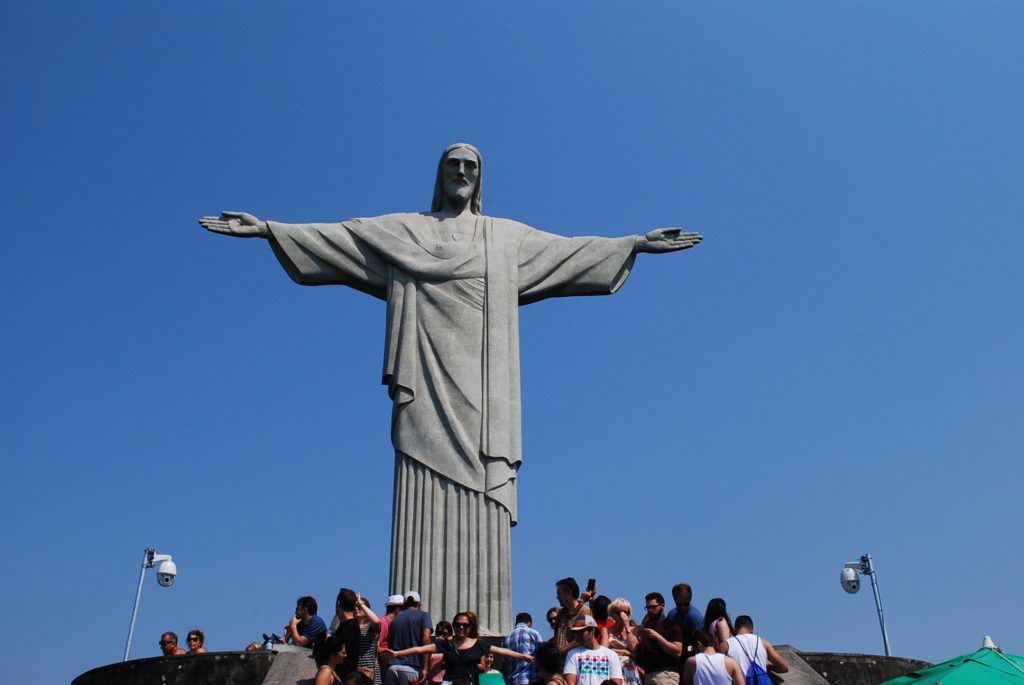
Visitors gather beneath Christ the Redeemer (Cristo Redentor), the iconic Art Deco monument atop Corcovado Mountain in Rio de Janeiro. Completed in 1931, the statue has become one of Brazil’s most recognizable landmarks. Photo © Tonya Fitzpatrick / World Footprints.
What the Rio Paralympics Mean Beyond Sport
The 2016 Paralympic Games offer an opportunity to examine how international sporting events influence public attitudes toward disability and accessibility.
Their impact should not be measured only in medals or stadium attendance. Accessible transportation, public spaces and equal opportunities for participation matter just as much, especially after the athletes and international media have returned home.
These are issues that connect directly with our work at World Footprints. We believe travel should be accessible to people of all abilities and that destinations benefit when inclusion becomes a lasting priority rather than a temporary accommodation for a major event.
The Paralympics have placed that conversation before a global audience.
For now, our initial impressions of Rio are still taking shape. We came to cover a historic sporting event, but we also came to better understand the city and the people whose lives continue long after the competitions end.
Book Your Stay Now in Rio de Janeiro
Use the interactive map below to search, compare and book hotels & rentals at the best prices that are sourced from a variety of platforms including Booking.com, Hotels.com, Expedia, Vrbo and more. You can move the map to search for accommodations in other areas.
Join the community!
Join our community to receive special updates (we keep your private info locked.)
