

How We All Must Travel Differently Now

Kuang Si Falls near Luang Prabang, Laos, illustrates why visitors must respect natural areas, remain on designated paths and follow local conservation rules.
By Audrey Lim
Posted August 30, 2026
Editor’s Note: This article was originally published in June 2020, during the early months of the COVID-19 pandemic. It has been substantially revised and fact-checked to reflect current conversations about responsible travel, destination stewardship and tourism’s impact on communities. The author’s original perspective on environmental responsibility, cultural respect and equity has been retained.
When this article first appeared in 2020, travellers were facing a situation few of us had ever imagined. We were staying at home when all we wanted to do was explore the world.
COVID-19 brought much of global travel and tourism to a halt. It disrupted the lives of guides, drivers, hotel employees, restaurant workers and millions of others who depended on visitors.
The shutdown also gave us time to consider how our journeys affected the world around us.
Air pollution briefly declined in parts of India. In Venice, reduced boat traffic allowed sediment to settle, making the canals appear clearer. The water had not suddenly become cleaner, but the visible change showed how human activity can affect a place.
Many of us hoped travel would return in a more ethical, sustainable and responsible form.
The world has reopened. Travel has returned. Now we must decide whether we are prepared to follow through on the promises we made.
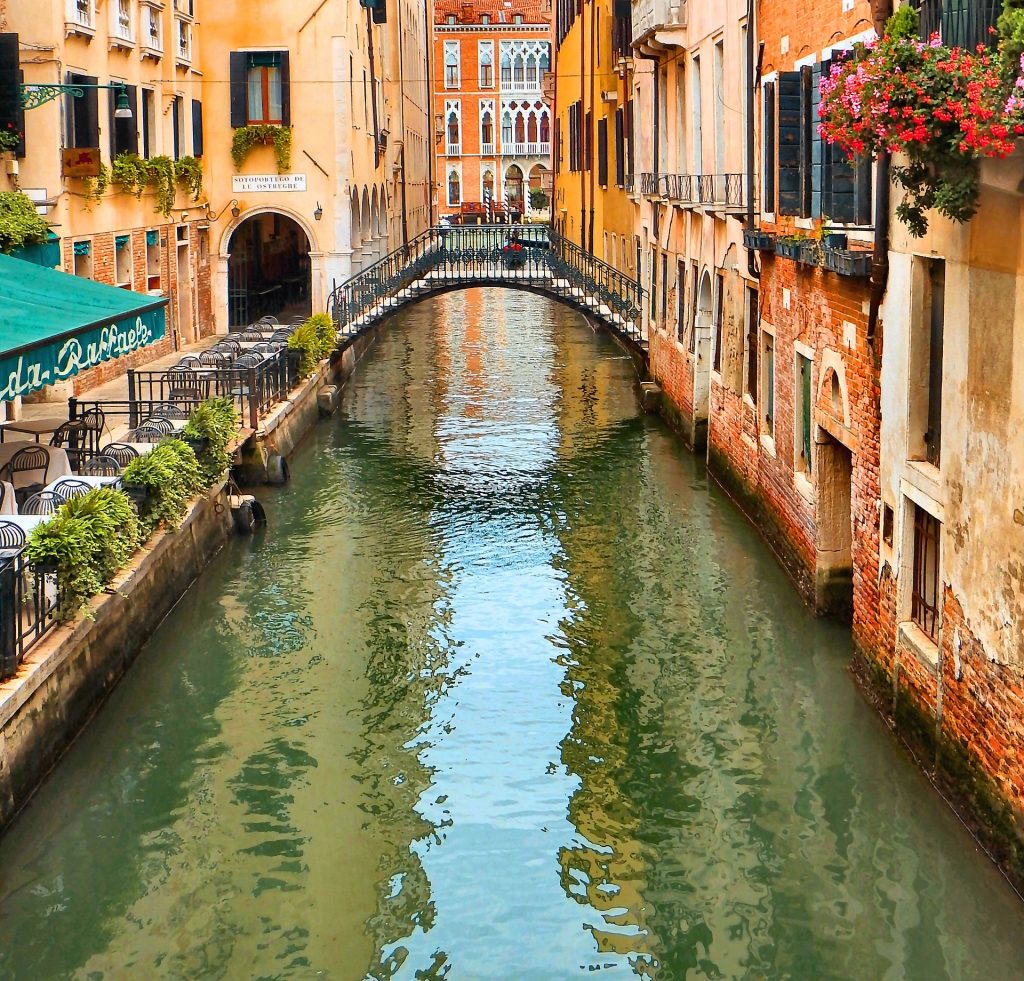
Reduced boat traffic made Venice’s canals appear clearer during the 2020 shutdown, largely because less sediment was being disturbed.
Respect Our Planet
Together, we need to focus on sustainable travel.
As travellers, we have a responsibility to protect the places we visit. Future generations should also have the chance to experience the world’s natural and cultural treasures.
That responsibility can begin with simple choices. Carry a reusable bottle or bag when local conditions allow. Avoid unnecessary single-use plastics. Recycle where suitable facilities exist. Conserve water and energy, especially in places where those resources are limited.
We should also look carefully at where we stay. A property may describe itself as eco-friendly, but that label can mean many things. Look for clear information about its environmental practices rather than relying on vague claims.
The way we move around a destination matters too. Walking, cycling and public transportation may reduce our impact when they are safe and practical.
Even the timing of a trip can make a difference. Visiting popular places outside the busiest season may reduce some of the pressure on attractions and public services. It can also support local businesses during quieter months.
Travelling to lesser-known places can spread tourism income. However, we should not treat another community as the next “hidden gem” to expose online. Smaller destinations can also suffer when visitor numbers grow faster than local services can handle.
Wherever we travel, we should remain on marked paths, follow conservation rules and take our rubbish with us. No photograph is worth trampling plants, disturbing wildlife or damaging a fragile landscape.

Wooden stairs lead through Bärenschützklamm in Austria.
Support Local Communities
Travel should benefit the people who make our experiences possible.
Locally owned restaurants, guesthouses, shops and tour companies often depend on visitor spending. Choosing them can help more money remain within the community.
However, the word “local” does not always tell the entire story. Ask who owns the company, who leads the experience and where the products being sold were made.
Buying directly from an artisan can support someone’s work. Hiring a local guide can also give us a richer understanding of a place.
We should also consider how we bargain. Negotiation may be expected in some cultures. Even so, there is a difference between taking part in a custom and arguing aggressively over a small amount of money.
That amount may mean little to a traveller. It may mean much more to the person trying to earn a living.
Supporting a community also means remembering that it is someone’s home. Streets, markets, places of worship and residential neighbourhoods do not exist only for our entertainment.
Respect Each Other
Everyone carries assumptions about other people and cultures.
Our upbringing shapes how we see the world, whether we recognise it or not. Travel may challenge those ideas, but simply crossing a border does not automatically make us more understanding.
We must be willing to listen.
Learning a few words in the local language can show respect. So can reading about local customs before arriving. Dress requirements, religious practices and social expectations may differ from those at home.
Ask before taking someone’s photograph. This is especially important when photographing children, religious ceremonies or people working in markets and public spaces.
A person should not become part of our travel collection simply because we find their clothing or surroundings interesting.
We should also avoid treating cultural traditions as costumes or social media props. Being invited to participate in a tradition is different from borrowing sacred clothing, symbols or practices without understanding them.
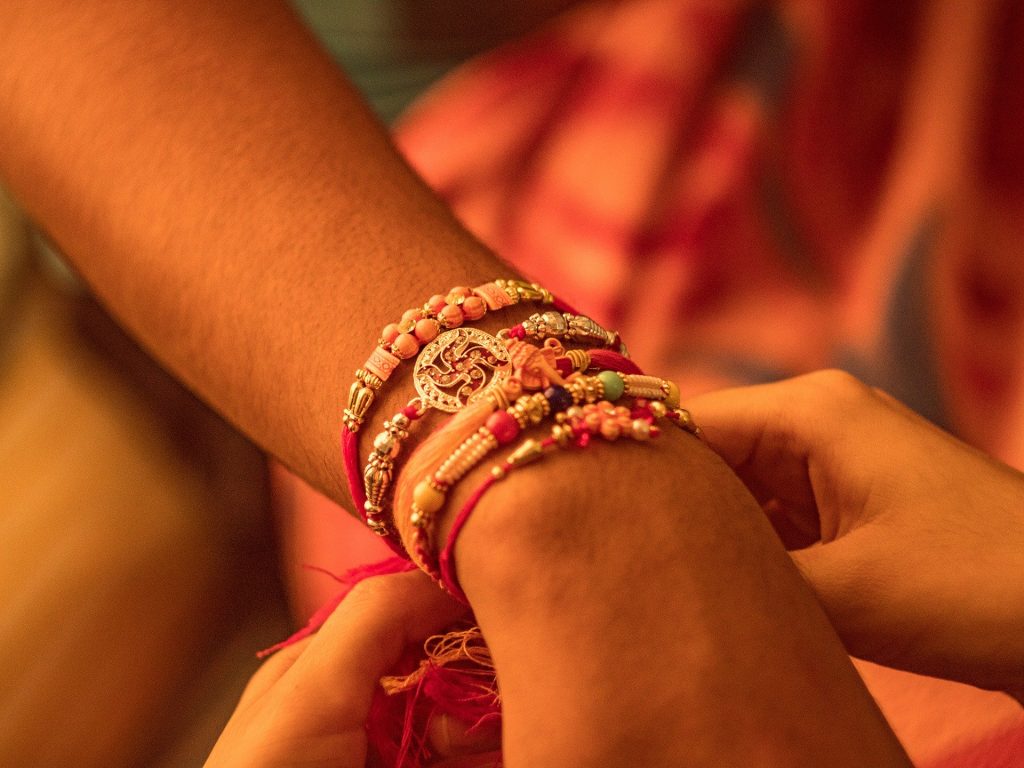
Raksha Bandhan traditions include tying a rakhi around the wrist as a symbol of affection and protection. Travellers should approach cultural and religious traditions with understanding rather than treating them as costumes or props.
Knowing how to be respectful begins with accepting that we are the visitors. Local people should not have to change their customs to make us more comfortable.
Recognise Bias and Privilege
The murder of George Floyd in 2020 and the protests that followed forced people around the world to confront racism and inequality more openly.
Those conversations also have a place in travel.
Race, nationality, gender, disability, religion, age, sexual orientation and passport access can affect how someone experiences a destination.
One traveller may move through immigration without being questioned. Another may face greater scrutiny. One person may feel comfortable walking alone, while someone else must consider harassment, discrimination or physical accessibility.
Our own experience does not represent everyone else’s.
While I love to travel, I also recognise that parts of my identity may allow me to move through some places with fewer difficulties than another traveller.
Recognising privilege is not about feeling guilty for travelling. It means listening to people whose experiences differ from ours. It also means resisting the urge to dismiss something simply because it has never happened to us.
Travel can broaden our minds and break down barriers. But that only happens when we approach people with humility and allow them to be more than the stereotypes we may have carried with us.
Travel With Greater Awareness
Responsible travel does not require perfection.
It requires us to pay attention to the choices we make. We can consider where our money goes, how much waste we create and whether our behaviour respects the people around us.
We can also stop treating every place as a backdrop created for our enjoyment.
The people who live in a destination remain after we leave. They live with the positive and negative effects that tourism brings.
We may not change the travel industry through one holiday. However, each of us can make choices that protect the planet, support local people and show greater respect for the world we are fortunate enough to explore.
The world has reopened. It is now up to us to travel differently.
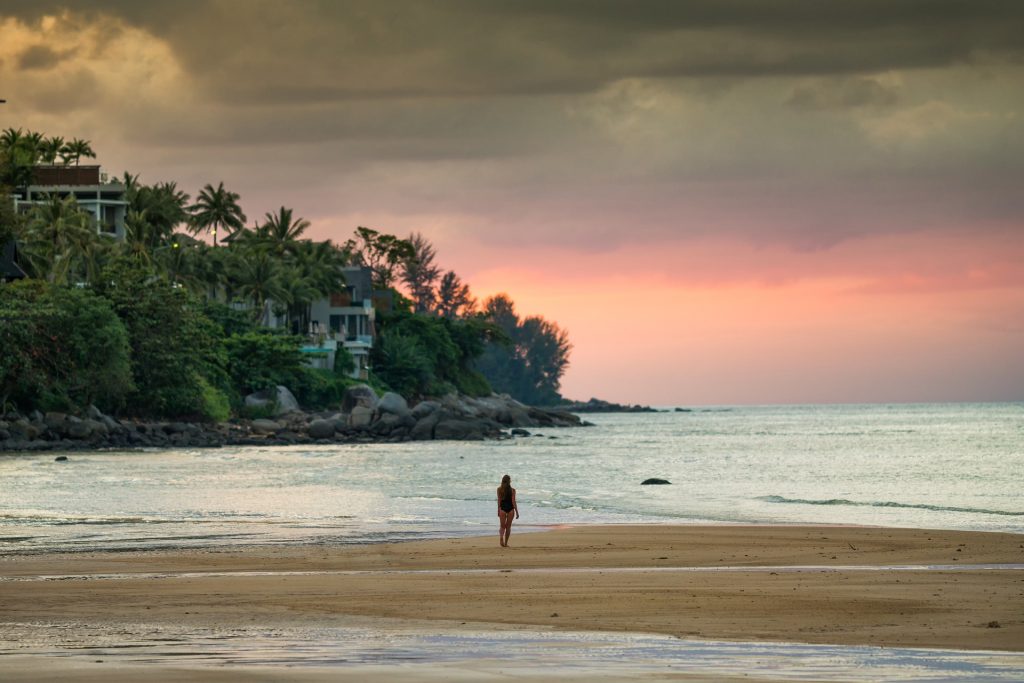
Travelling with greater awareness begins with considering the effect our choices may have on the places and people we encounter.
Book Your Travel to ANY Destination
Use the interactive map below to search, compare and book hotels and rentals at the best available prices from several platforms, including Booking.com, Hotels.com, Expedia, Vrbo and more.
Join the community!
Join our community to receive special updates (we keep your private info locked.)