
Articles

Budapest's thermal baths reveal centuries of Roman, Ottoman and Hungarian history. Explore Széchenyi, Rudas and Lukács, Gellért's restoration, spa etiquette and what to know before visiting.

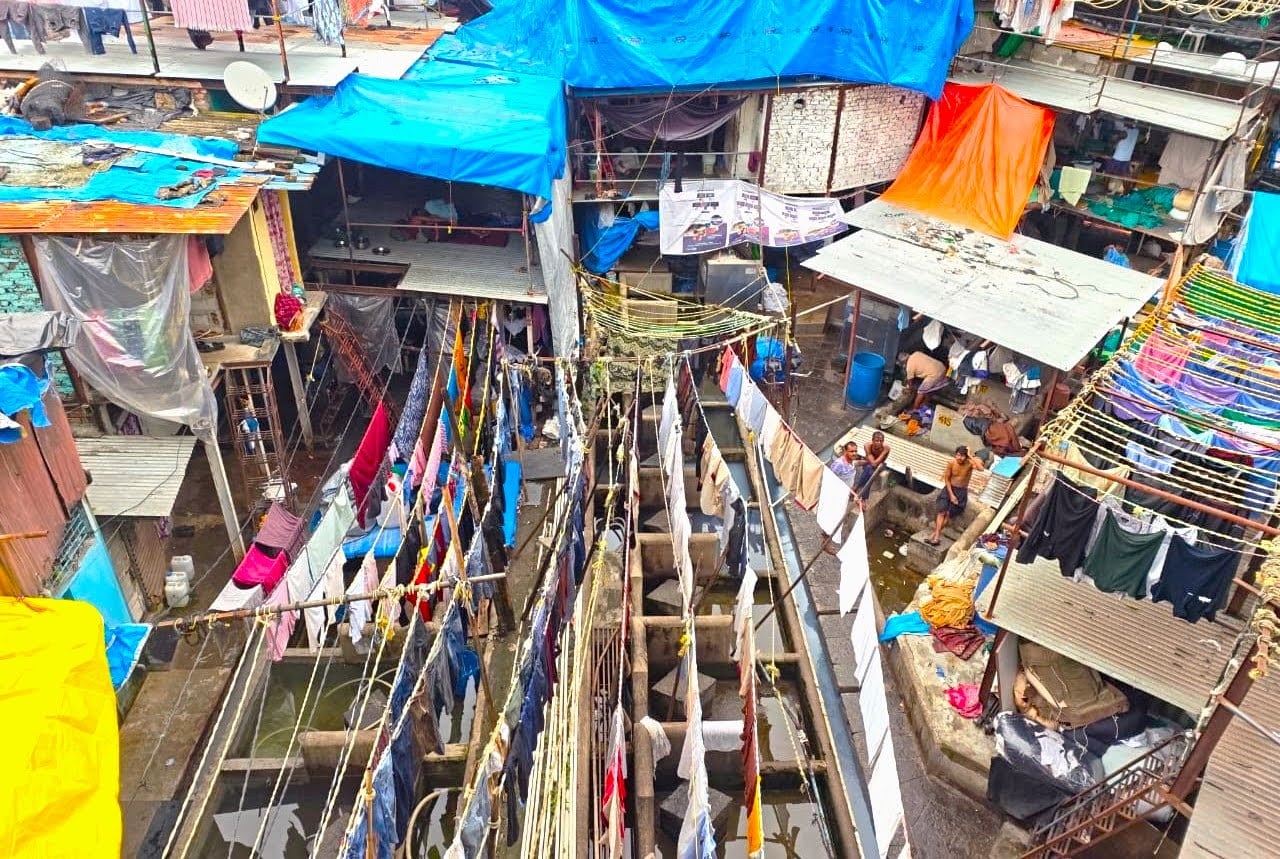
Mahalaxmi Station in Mumbai has always been a hubbub of horns, the metallic screech of trains on the rails, and the buzz of commuters and announcements crackling over the speakers. But outside the station, one sound cuts through the noise, and it doesn’t belong to the railway station.

From Salem and New Orleans to London, Dublin and Transylvania, these Halloween travel experiences combine spooky fun, history and culture with practical health and safety considerations.

In southern Chile, tourism and the Mapuche struggle for ancestral land rights intersect. Leijia Hanrahan examines cultural tourism in Araucanía and Biobío, the risks of treating Indigenous identity as an attraction, and how travelers can make more thoughtful choices about where their money goes.

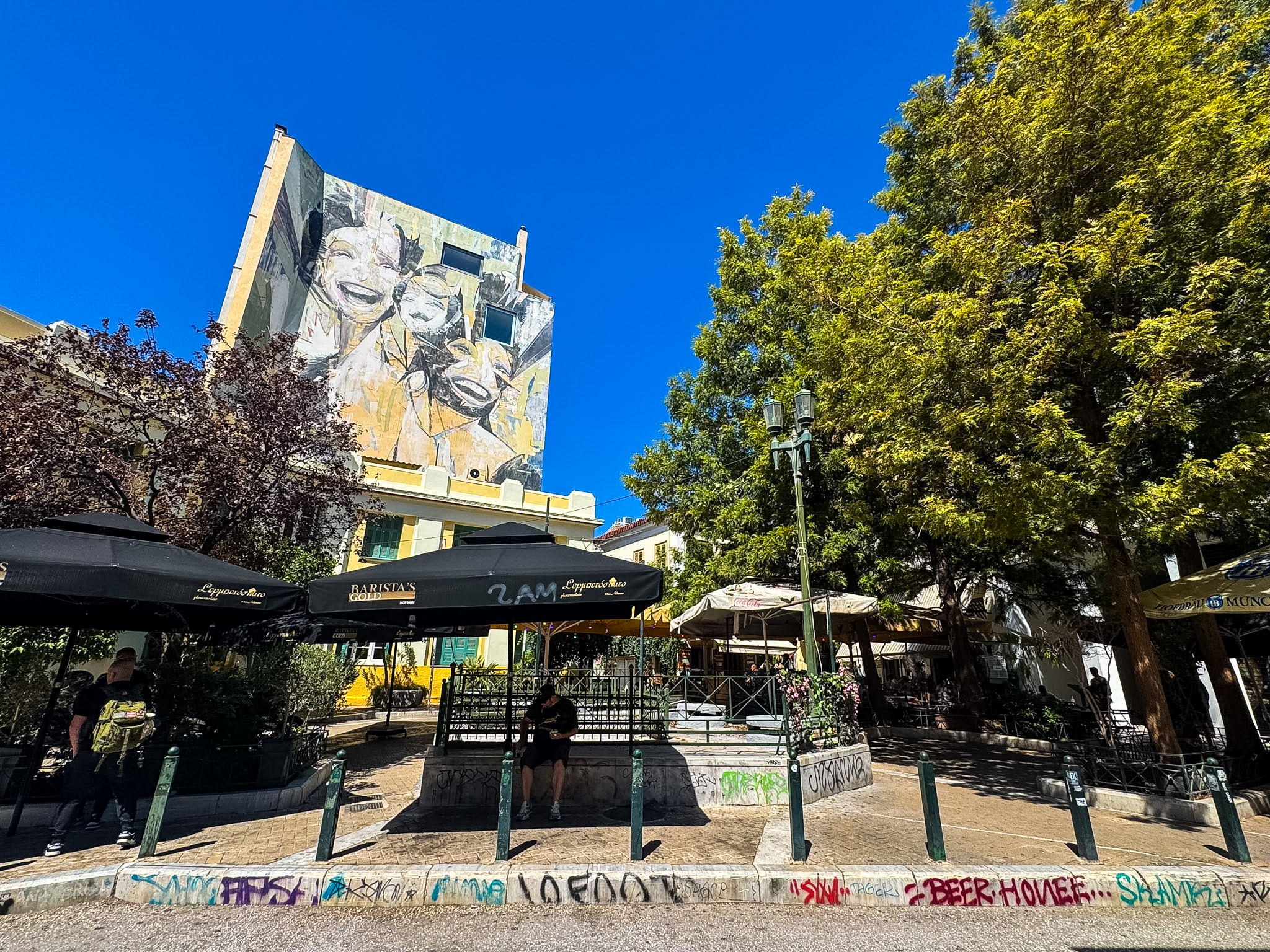
If you visit Athens, you’ll more than likely stroll through Psirri, one of the oldest districts of this City of Antiquities. The once-edgy neighborhood took its name from the Psirri family, who purchased many plots of land after moving there during the Turkish occupation from Psara, a small island in the northern Aegean Sea.

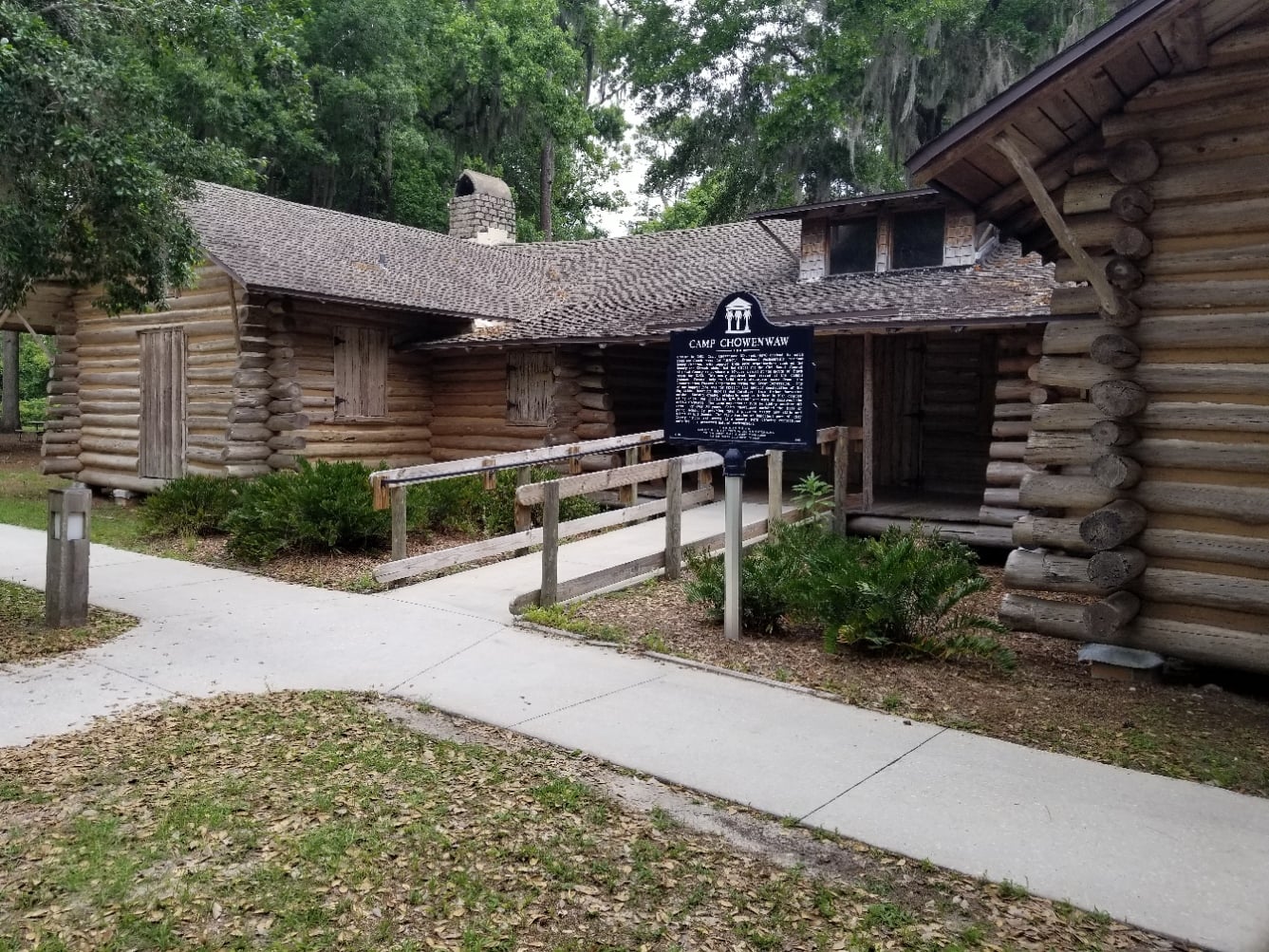
Ever wish you could return to your teen years when you discovered nature at a scout camp? Well, you can at Camp Chowenwaw County Park in Green Cove Springs, Florida. Camp Chowenwaw County Park was Florida’s first Girl Scout Camp.

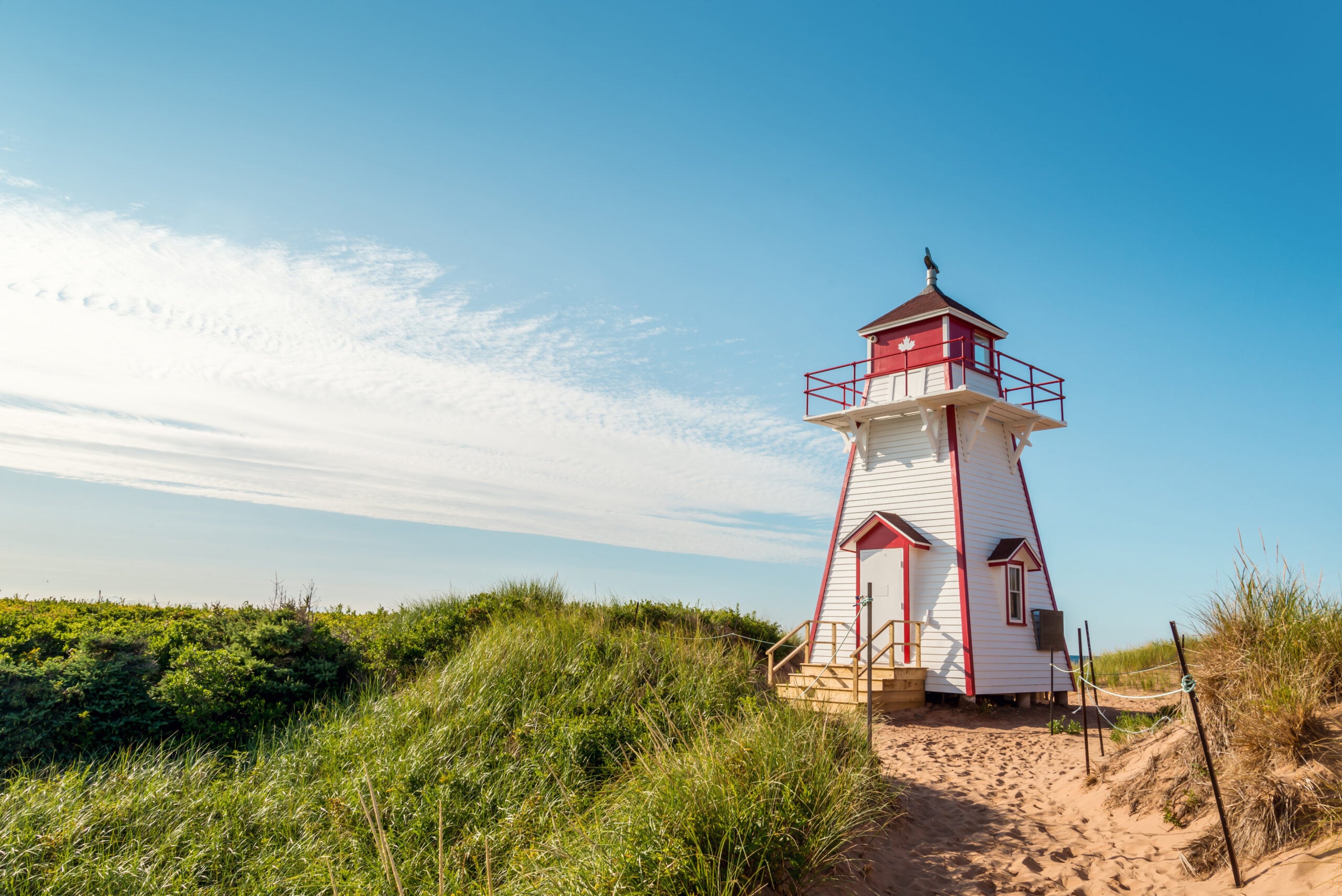
If you enjoyed reading as a child, you’ll recognize Prince Edward Island as the backdrop of Lucy Maud Montgomery’s beloved Anne of Green Gables. If you gravitate toward romances as an adult, however, you may also know the island as the dreamy setting of Carley Fortune’s This Summer Will Be Different.

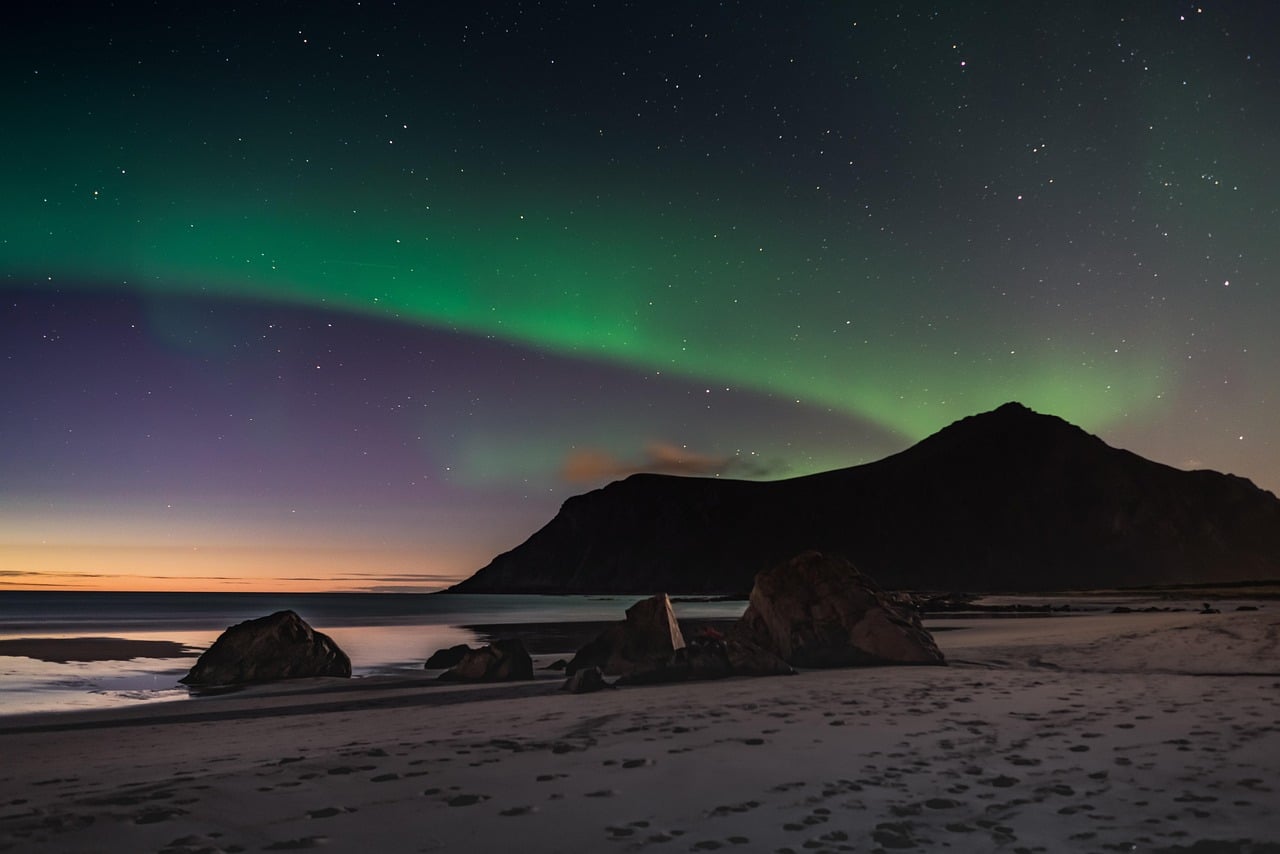
Seeing the Northern Lights in Tromsø is about far more than getting the perfect photograph. Discover the science, Sámi culture and personal experiences that make an aurora chase unforgettable.

Walk in the footsteps of Elizabeth I at the Tower of London, Westminster Abbey, Hatfield’s Old Palace, Kenilworth Castle and Bath Abbey.

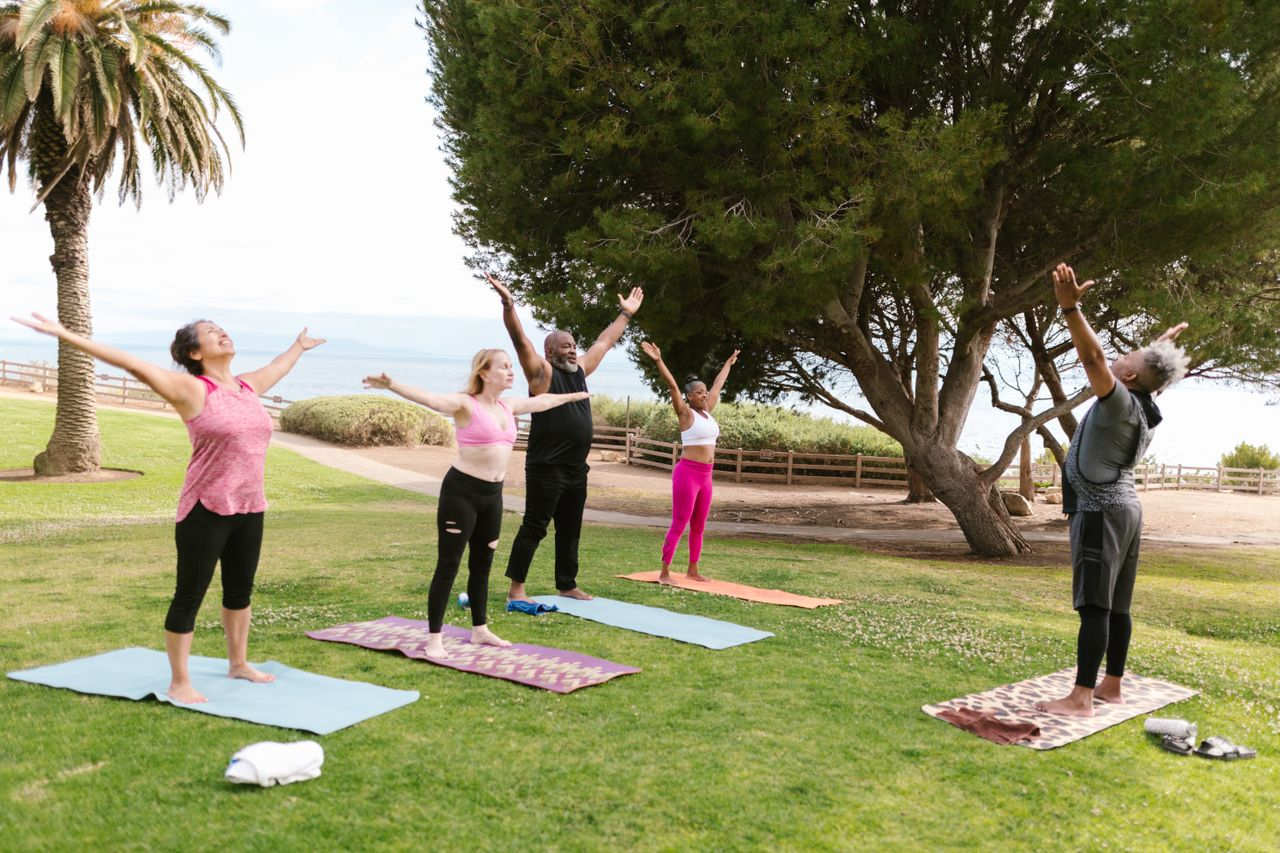
Wellness travel is no longer just about luxury spas and rigid retreats. Explore five destinations where yoga, traditional massage, hammams, hot springs, nature and slower travel offer very different ways to recharge.