

Tokyo’s Yoyogi Village Is Closed—but Its Urban Sustainability Experiment Still Matters
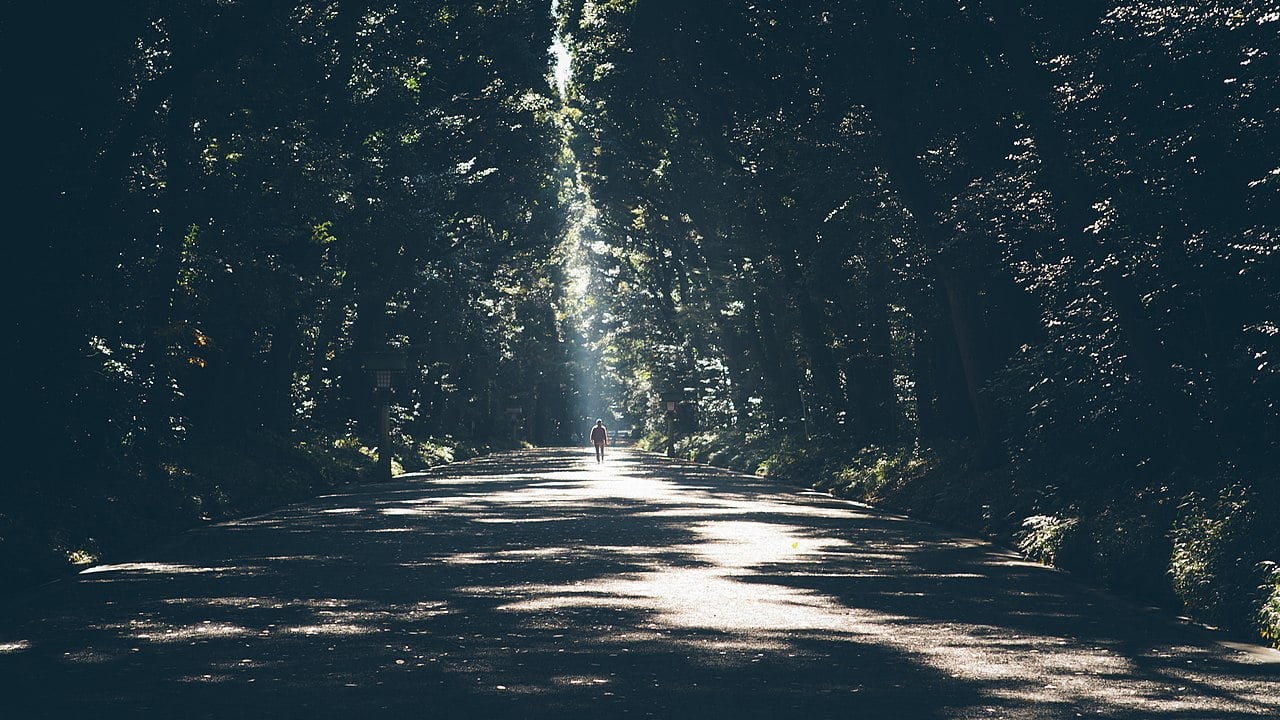
Yoyogi Park remains open to the public and should not be confused with the former Yoyogi Village, which closed in December 2020. Photo: Freddie Marriage/Wikimedia Commons, CC0
Posted August 15, 2026
Tokyo changes quickly, but travel articles do not always keep up.
Yoyogi Village still appears in online recommendations for Tokyo. Some stories describe its restaurants, shops and gardens as places travelers can visit today. They cannot. The complex closed permanently on December 29, 2020.
That does not mean its story no longer matters.
For nine years, Yoyogi Village tested a different way to use a small piece of urban land. It combined temporary buildings, restaurants, music and an unusual garden near one of Tokyo’s busiest areas.
The project was often called eco-friendly. Some travel stories went further and described it as ecotourism. That was never quite accurate. Still, Yoyogi Village offers a useful look at urban sustainability, green marketing and temporary land use.
It also needs to be separated from Yoyogi Park. The names are similar, but they were never the same place. Yoyogi Park remains open. Yoyogi Village does not.
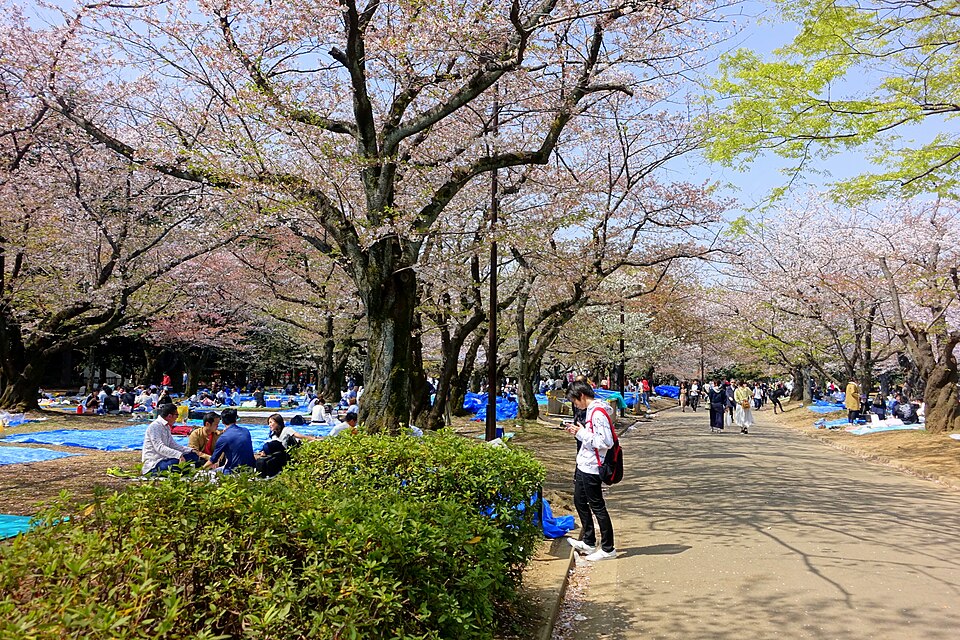
Cherry-blossom season draws large gatherings to Yoyogi Park, a public park separate from the former Yoyogi Village. Photo: Daderot/Wikimedia Commons, CC0
How Yoyogi Village Used a Temporary Site
Yoyogi Village opened near JR Yoyogi Station in November 2011. Music producer Takeshi Kobayashi served as general producer. Japanese design and development company UDS helped shape the project.
The site had a defined land-use period from the beginning. Instead of constructing a large permanent building, the developers used adaptable, container-style structures around a landscaped courtyard.
That decision made practical sense. A temporary property did not need a building designed to last for generations. Smaller structures also gave the operators more flexibility.
Restaurants, shops and music spaces shared the compact site. Code Kurkku anchored the dining area. Visitors could eat, browse small stores or spend time in the garden without leaving the complex.
The garden became the feature people remembered most. Plant specialist Seijun Nishihata selected trees and plants from different climates. They filled the courtyards, walkways and spaces between the buildings.
The result stood apart from the surrounding streets. Yoyogi Village felt calmer and more intimate than a standard shopping center. It showed how landscape design could change the experience of a small commercial site.
Yet greenery alone does not make a development sustainable.
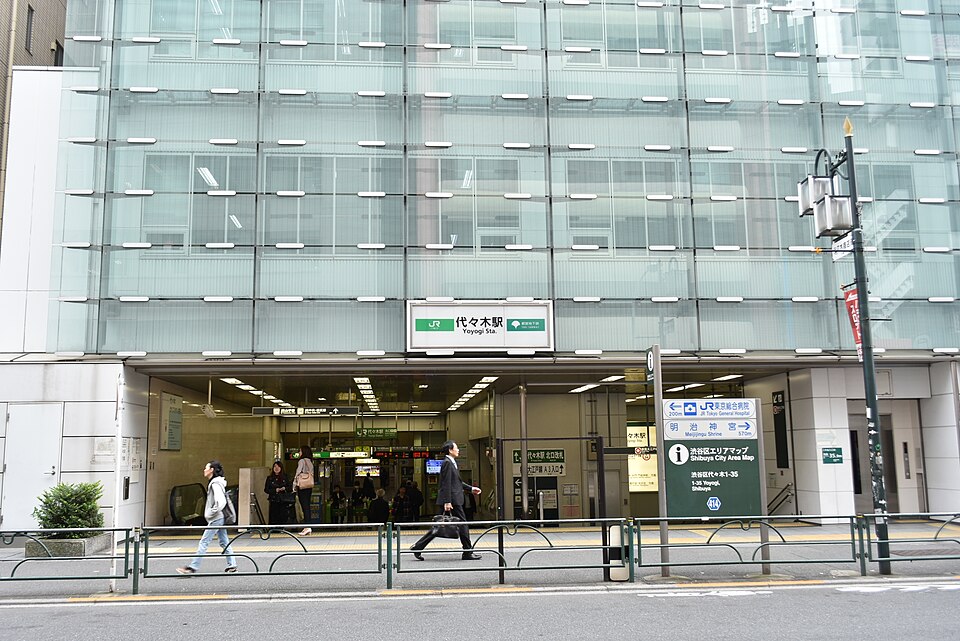
Yoyogi Village operated near JR Yoyogi Station from 2011 until its planned closure in 2020. Wikimedia Commons, CC BY-SA 4.0
Why Yoyogi Village Closed
Yoyogi Village did not close because Tokyo suddenly lost interest in it. The project reached the end of its planned land-use period.
The operators closed the complex on December 29, 2020, after about nine years. UDS still describes it as a temporary land-use project that ended when that period expired.
That detail changes the story. Yoyogi Village was not a permanent attraction that failed. It was a limited-term project that completed its run.
Temporary development can sound disposable. Yoyogi Village tried to create something more useful.
It gave an underused parcel an identity. It supported businesses and created a place where people could gather. It also avoided pretending that the site would remain unchanged forever.
That model has limits. Temporary projects can still generate waste. They can serve visitors more than residents or use sustainability language without proving much.
Still, cities need better ways to handle land that may sit vacant for years. Yoyogi Village offered one approach.
Green Design Was Not Ecotourism
Yoyogi Village was originally described as an ecotourism attraction. That label was incorrect.
Ecotourism centers on nature-based travel. It should also encourage learning, limit environmental harm and support conservation and local communities. A landscaped restaurant and shopping complex in central Tokyo does not meet that standard.
Yoyogi Village used plants, flexible buildings and environmental themes. Those choices may have improved the site. They did not turn it into nature-based tourism.
This distinction matters because “eco-friendly” has become one of the easiest labels to apply and one of the hardest to measure.
A restaurant may serve organic food but still produce large amounts of waste. A hotel may ask guests to reuse towels while consuming enormous amounts of energy. A developer may cover a building with plants without addressing who benefits.
The greenest-looking place is not always the most responsible one.
Where Destination Stewardship Fits
In my book, Destination Stewardship, I argue that sustainability cannot be judged by appearance or marketing language. We have to look at what a project contributes, who benefits and what it leaves behind.
In Destination Stewardship, Tonya Fitzpatrick examines how tourism and development can support communities, cultural integrity and long-term environmental goals.
Yoyogi Village gave a temporary property a purpose. It created jobs, supported businesses and added a social space to the neighborhood. Its garden also changed how people experienced that small part of Tokyo.
Those contributions count.
At the same time, we should not confuse attractive design with stewardship. We still need to ask whether residents helped shape the project. We should know how it reduced environmental harm and whether its benefits reached beyond the businesses operating there.
Yoyogi Village does not provide complete answers. Its value comes from the questions it leaves behind.
Can a temporary development strengthen a neighborhood? Can flexible buildings reduce construction waste? Can commercial space also serve a public purpose? When does a green theme become greenwashing?
Those questions matter far beyond Tokyo.
Yoyogi Village and Yoyogi Park Are Different Places
Travelers searching for Yoyogi Village often find information about Yoyogi Park. The two places had no direct connection.
Yoyogi Village stood near Yoyogi Station. Yoyogi Park covers more than 540,000 square meters near Harajuku, Shibuya and Meiji Shrine.
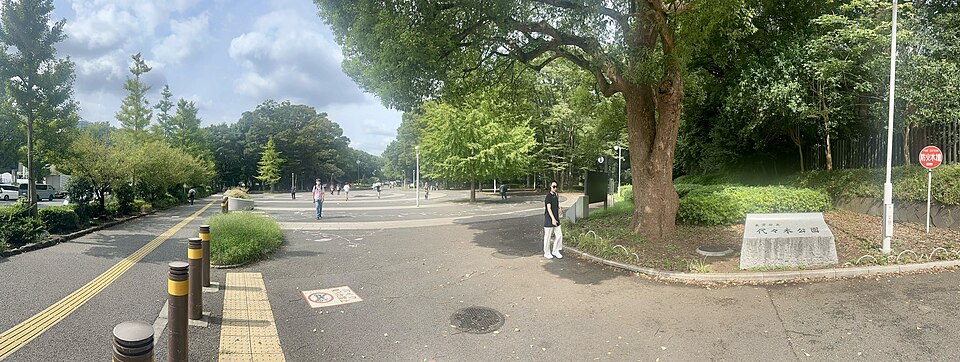
The Harajuku entrance leads into Yoyogi Park, one of central Tokyo’s largest public green spaces. Photo: Nesnad/Wikimedia Commons, CC BY 4.0
The public park has lawns, wooded areas, paths, sports facilities and an outdoor stage. It attracts runners, musicians, families and people who simply want room to breathe.
Its history is also more complicated than many visitors realize.
The area once served as an Imperial Japanese Army parade ground. After World War II, Washington Heights housed American military personnel and their families there.
The site later became part of the athletes’ village for the 1964 Tokyo Olympics. Yoyogi Park opened in 1967.
Today, the park remains one of central Tokyo’s largest public green spaces. It should not be presented as the surviving version of Yoyogi Village.
What Travelers Can Visit Now
Yoyogi Park remains the practical choice for travelers seeking green space in this part of Tokyo.
A newer development, Yoyogi Park BE STAGE, now combines dining, events and urban sports near the park’s Jinnan area. It includes restaurants, shops and facilities connected to running, skateboarding and other activities.
BE STAGE did not replace Yoyogi Village. It occupies a different site and follows a different public-private model.
Still, it raises familiar questions. How much commercial activity belongs beside a public park? Does it make the area more useful to residents? Does it welcome a wide range of people?
Those are stewardship questions, too.
Kobayashi’s environmental work also continued at KURKKU FIELDS in Kisarazu, Chiba Prefecture. The much larger rural site combines farming, food, art, energy projects and overnight stays.
KURKKU FIELDS is not another Yoyogi Village. It does, however, show how some of the earlier project’s ideas expanded beyond a landscaped commercial courtyard.
What Travelers Need to Know
Yoyogi Village is permanently closed. It should no longer appear on a current Tokyo itinerary.
Yoyogi Park remains open, but it is a separate public park. Travelers can also visit Yoyogi Park BE STAGE for dining, events and urban sports. Individual hours may change, so check official sources before visiting.
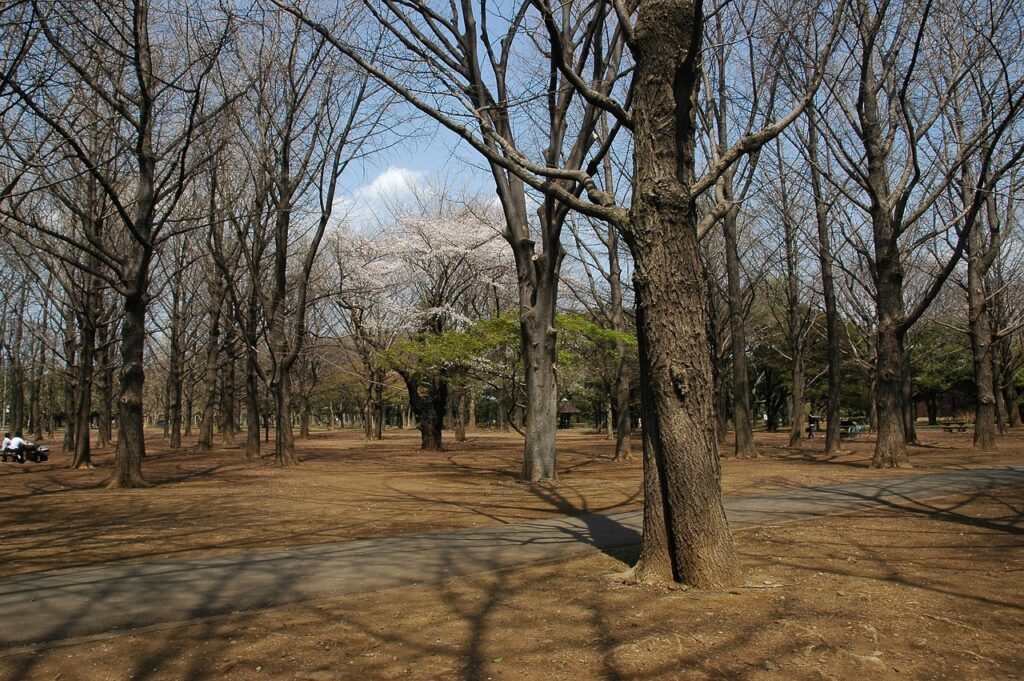
Yoyogi Park remains open as one of central Tokyo’s largest public green spaces. It is separate from Yoyogi Village, the nearby commercial complex that closed in 2020.
Yoyogi Village still deserves attention as a short chapter in Tokyo’s design history. It showed how a temporary project could make an overlooked property useful and memorable.
It also reminds us to look past the plants.
Urban sustainability depends on more than greenery. It depends on land use, community benefit, environmental impact and what a place contributes while it exists.
Find a Place to Stay in Tokyo, Japan
Search and compare hotels and rentals in Yoyogi, Harajuku, Shibuya and other Tokyo neighborhoods.
Move the map to explore different areas. You can also use the filters to compare prices, locations and amenities before choosing the stay that best fits your trip.
Join the community!
Join our community to receive special updates (we keep your private info locked.)