

Moving to Costa Rica: Visas, Costs and Places to Live

Costa Rica’s “pura vida” philosophy reflects a slower, more relaxed approach to daily life, but prospective residents should also research local safety, health care and infrastructure.
By Ryan Hichens
Posted November 15, 2022
Editor’s Note: This article was substantially updated by World Footprints editors on August 3, 2026. Immigration, income, insurance, healthcare and residency requirements can change. Confirm current rules with Costa Rica’s General Directorate of Immigration and Foreigners before making relocation decisions.
Costa Rica has long attracted Americans looking for warm weather, extraordinary natural beauty and a less hurried way of life. Yet moving there involves more than finding a beach town and embracing pura vida.
Daily life can vary considerably between the Central Valley, the Pacific coast and the Caribbean province of Limón. Housing costs, healthcare, road conditions, water service and internet reliability may change from one community to the next.
Before committing to a move, spend enough time in the country to experience ordinary life rather than a resort vacation. Our guide to moving abroad as an American also examines taxes, housing, healthcare and other questions that extend beyond Costa Rica.

Costa Rica attracts Americans interested in living abroad, but natural beauty is only one consideration. Residency rules, healthcare, housing, climate and daily costs should also shape the decision.
Start With Your Legal Status
Americans visiting Costa Rica generally enter under visa-free tourist status. Travelers in the first nationality group may receive up to 180 calendar days, but the immigration officer determines the actual authorized stay. Visitors may also be asked for an onward or return ticket and evidence that they can support themselves during the visit.
That stay is nonextendable. Leaving the country and returning does not guarantee another 180 days because each arrival is a new immigration decision. Tourist status should not be treated as a long-term residence plan, and it does not provide general authorization to work in Costa Rica. The U.S. State Department warns that Americans who misuse tourist status to live in the country may be deported and barred from returning.
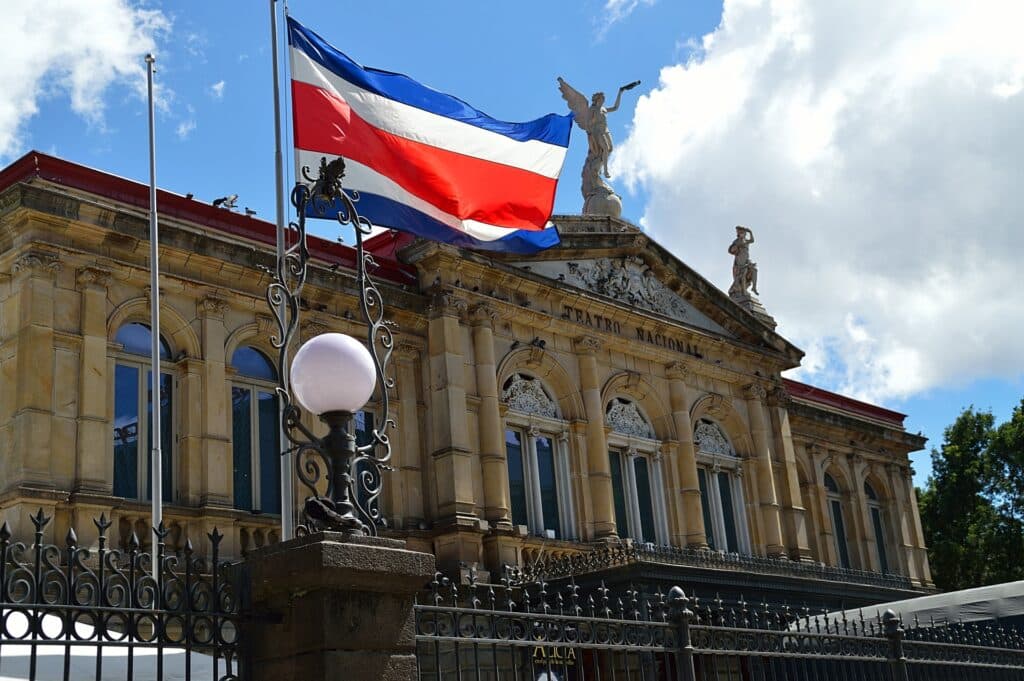
Tourist entry, digital-nomad status and temporary residence carry different income, insurance and employment rules in Costa Rica.
Costa Rica’s Digital-Nomad Program
Costa Rica’s digital-nomad program is intended for people who work remotely for employers, clients or businesses located outside the country.
Applicants must document average monthly income from abroad of at least:
- $3,000 for an individual
- $4,000 when applying with dependents
The applicant and accompanying family members must also carry medical insurance for the entire authorized stay. Costa Rica’s detailed requirements call for at least $50,000 in coverage.
The program is a nonresident stay category rather than legal residency. It may be granted for up to one year and renewed once for an additional year. Renewal requires the applicant to have spent at least 180 days in Costa Rica during the first authorization period. Participants may work remotely for foreign sources but may not take unrelated paid work within Costa Rica.
Longer-Term Residence
People planning a permanent move should investigate residence categories rather than relying on repeated tourist entries.
Costa Rica’s pensionado category generally requires a permanent monthly pension of at least $1,000 from abroad. The rentista category requires stable monthly income of at least $2,500. These are temporary-residence categories, not tourist extensions. Approved residents generally must enroll in Costa Rica’s social-security system and maintain the required coverage when renewing their status.
Owning property does not automatically provide residency. Anyone considering a purchase should use an independent Costa Rican attorney and verify title, zoning and coastal restrictions before transferring money. The U.S. State Department notes that some coastal property is subject to Maritime Zone rules and cannot be owned outright by foreign nationals.
Where to Live in Costa Rica
There is no universally “best” place to live. The choice depends on whether someone values medical care, cooler temperatures, access to an airport, international schools, beaches or a quieter rural setting.
The Central Valley
The Central Valley includes San José and communities such as Heredia, Escazú, Santa Ana, Grecia and Atenas. The region provides comparatively convenient access to major hospitals, government offices, shopping and Juan Santamaría International Airport.
Higher elevations can also offer cooler temperatures than the coast. Traffic is the tradeoff. Heredia should not be described as simply “15 minutes from San José,” because congestion can make even a relatively short journey unpredictable. The State Department specifically advises travelers to expect traffic jams in and around San José.
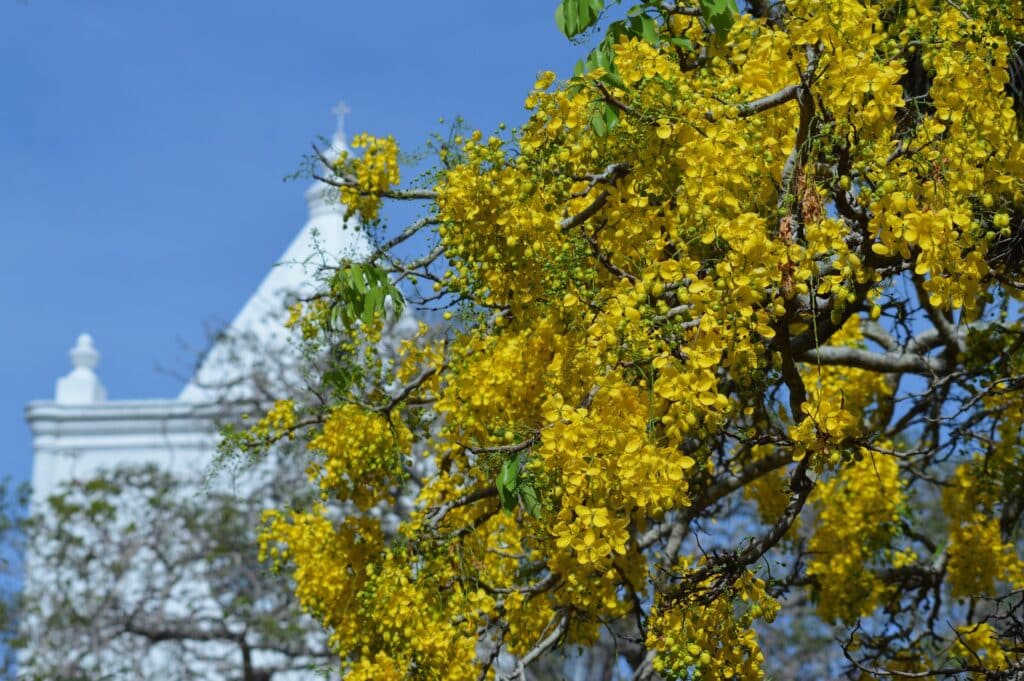
Heredia and other Central Valley communities provide access to urban services and cooler elevations, although traffic can make short journeys unpredictable.
The Pacific Coast
Tamarindo and Sámara in Guanacaste, Santa Teresa on the Nicoya Peninsula and Uvita farther south attract surfers, remote workers, retirees and other foreign residents.
These communities should not automatically be presented as inexpensive. Housing in established coastal and expatriate enclaves may carry a substantial premium. Air-conditioning costs, water availability, road conditions and distance from specialized medical care should also be considered.
Some beach and rural roads remain unpaved, while landslides and flooding can disrupt travel during the rainy season. Certain locations may require a four-wheel-drive vehicle.
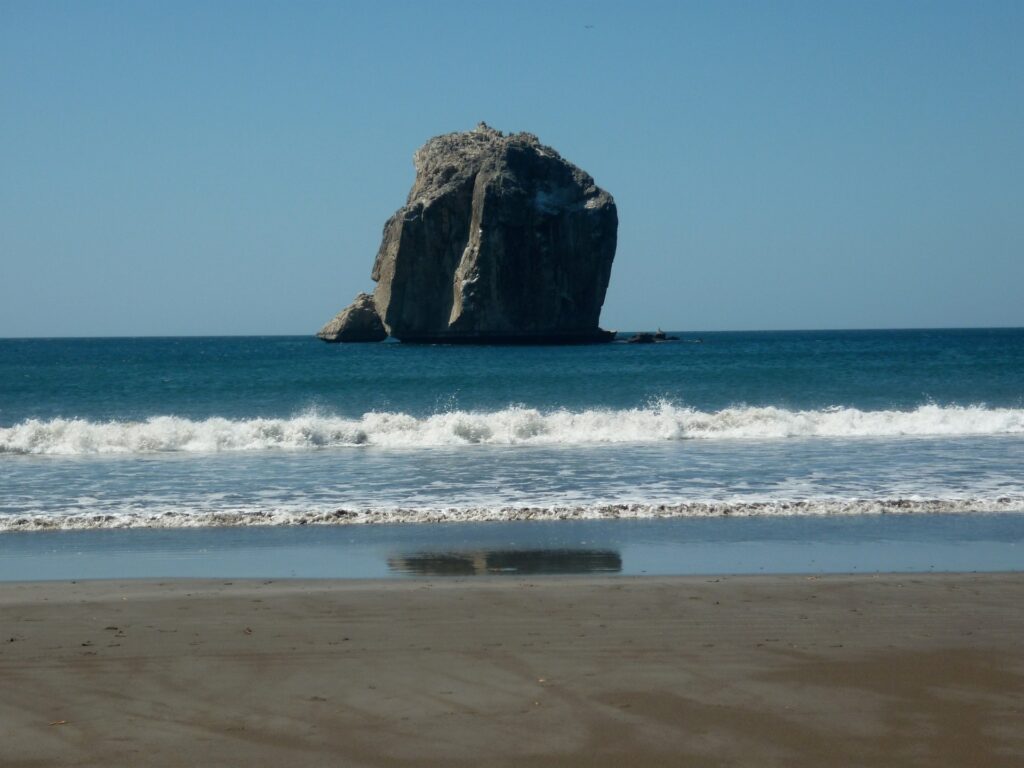
Guanacaste’s Pacific coast attracts surfers and foreign residents, but housing costs, water access, roads and medical services differ by community.
The Caribbean Coast
Puerto Viejo de Talamanca provides a markedly different setting from the Pacific coast. The broader Limón province has a strong Afro-Caribbean heritage shaped partly by Jamaican workers recruited to build the railroad between the Caribbean coast and Costa Rica’s interior beginning in 1872.
Their descendants helped shape Costa Rican calypso, food, language, religion and national identity. That history may be especially meaningful to Black Americans researching Costa Rica as a relocation destination, as discussed in our article on countries for Black Americans moving abroad.
Puerto Viejo also has a humid climate and considerable rainfall. Prospective residents should consider road access, flooding and the distance to major hospitals before deciding that a vacation experience reflects year-round life.
Costa Rica Is Not Automatically Cheap
Costa Rica may be less expensive than some high-cost American cities, but it is no longer responsible to promise that someone can live comfortably on $1,000 a month.
Local markets, traditional sodas and Costa Rican products can help control expenses. Imported groceries, vehicles, air conditioning, private healthcare and rent in popular coastal areas can push a budget much higher.
Instead of publishing one national monthly figure, prospective residents should calculate costs in the specific town they are considering. A realistic budget should include:
- Rent and security deposits
- Electricity, water and internet
- Transportation or vehicle expenses
- Health insurance and medical care
- Immigration fees and document costs
- Trips back to the United States
- An emergency and relocation fund
Renting before buying provides time to learn whether a neighborhood floods, experiences water shortages, loses power or becomes difficult to reach during heavy rain. That approach is consistent with the broader advice in the World Footprints moving-abroad guide.

Housing, transportation, imported goods, utilities and healthcare can make Costa Rica more expensive than newcomers expect.
Healthcare Requires Advance Planning
Costa Rica has public and private healthcare systems. Temporary residents may become eligible for the public system through the Caja Costarricense de Seguro Social, commonly called the CCSS or Caja. Some foreign residents also maintain private insurance or pay privately for faster access and additional provider choices.
Medical care is generally strongest in San José. Services may be more limited elsewhere, and hospitals or physicians may require payment before treatment. Ambulances may not carry all the emergency equipment an American patient expects. U.S. Medicare and Medicaid generally do not cover treatment overseas.
Before moving, confirm the availability of prescription medications, specialists and emergency care. People considering coastal or rural communities should also investigate medical-evacuation coverage.
Spanish Matters
English is common in many hotels, tour companies and communities with large foreign populations. That is not the same as being able to conduct every part of daily life in English.
Leases, utility problems, immigration appointments, medical visits and conversations with local contractors may take place entirely in Spanish. Learning the language also makes it easier to build relationships beyond an expatriate circle and participate more fully in the community.
Looking Beyond Pura Vida
Pura vida translates literally as “pure life,” although Costa Ricans use the expression as a greeting, a response and a way of saying that things are going well. One widely cited explanation links its popularity to the 1956 Mexican film ¡Pura Vida!, after which the phrase gradually became closely associated with Costa Rican culture.
The expression captures something genuine about the country’s warmth and outlook. It should not be read as a promise that immigration, housing, transportation or government bureaucracy will always be easy.
Costa Rica currently carries a Level 2 U.S. travel advisory because of crime. Petty theft is common, while violent crime also affects residents and visitors. Conditions vary by neighborhood, making local research more useful than broad claims that the entire country is either perfectly safe or unsafe.
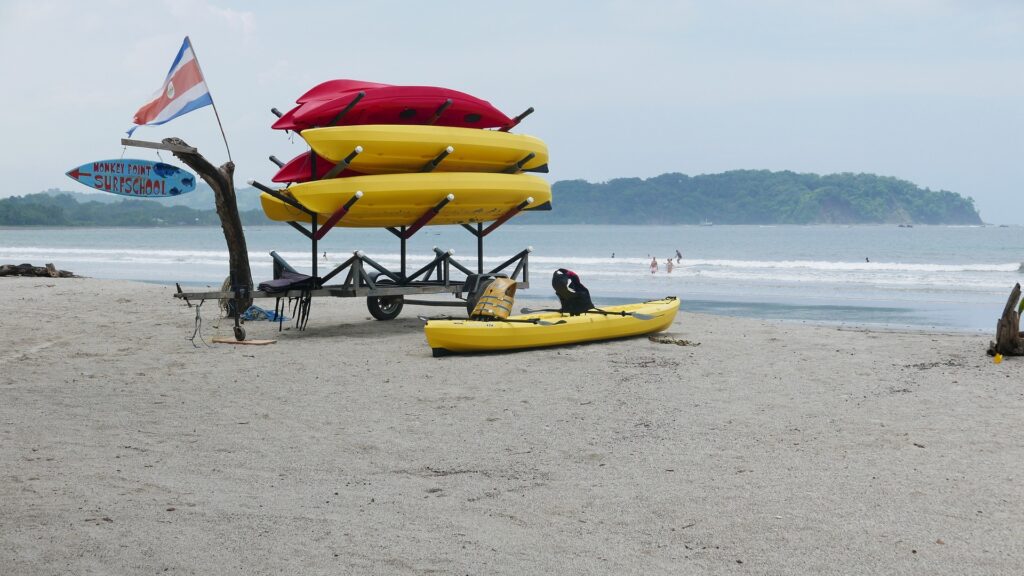
Costa Rica’s relaxed coastal image attracts prospective residents, but a relocation visit should also test transportation, utilities, healthcare access and everyday expenses.
Make a Relocation Visit Before Moving
A scouting trip should resemble the life you could realistically afford.
Rent an apartment rather than staying only at a resort. Shop for groceries, test the internet, travel during rush hour and visit the nearest hospital. Spend time in the community during the rainy season or hottest months, not only when conditions are most appealing.
Speak with Costa Rican residents as well as foreign newcomers. Ask how housing demand, foreign investment and short-term rentals are affecting the community. Moving responsibly means considering not only what Costa Rica can offer you, but also how your arrival will affect the place you hope to call home.
Find Hotels for Your Costa Rica Scouting Trip
Use the interactive map below to compare hotels and short-term rentals in different parts of Costa Rica. A longer stay can help you compare neighborhoods and experience the practical realities of daily life before signing a lease or purchasing property.
Join the community!
Join our community to receive special updates (we keep your private info locked.)