
Editors’ Picks
Selections of inspiring stories from around the world.

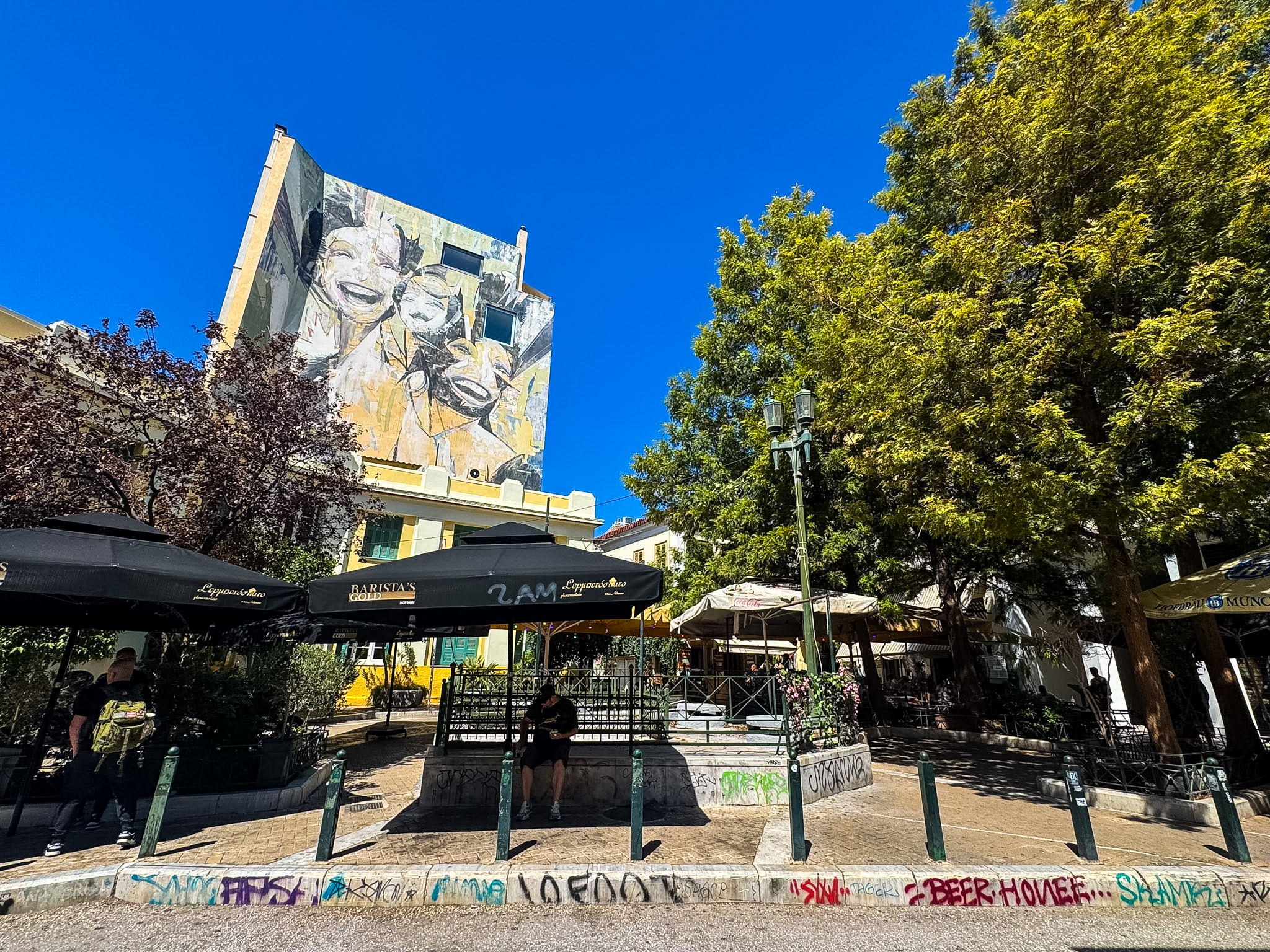
If you visit Athens, you’ll more than likely stroll through Psirri, one of the oldest districts of this City of Antiquities. The once-edgy neighborhood took its name from the Psirri family, who purchased many plots of land after moving there during the Turkish occupation from Psara, a small island in the northern Aegean Sea.

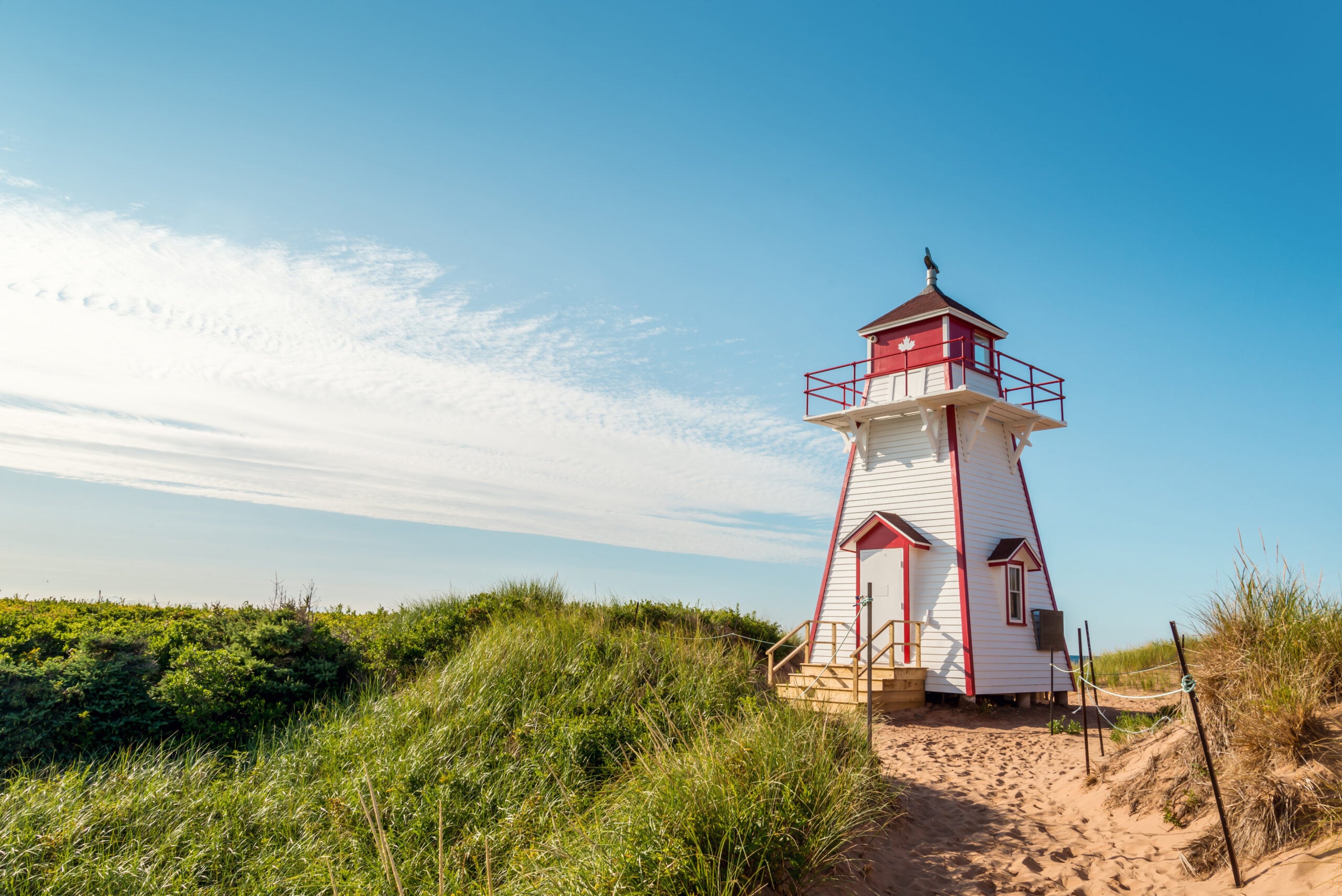
If you enjoyed reading as a child, you’ll recognize Prince Edward Island as the backdrop of Lucy Maud Montgomery’s beloved Anne of Green Gables. If you gravitate toward romances as an adult, however, you may also know the island as the dreamy setting of Carley Fortune’s This Summer Will Be Different.

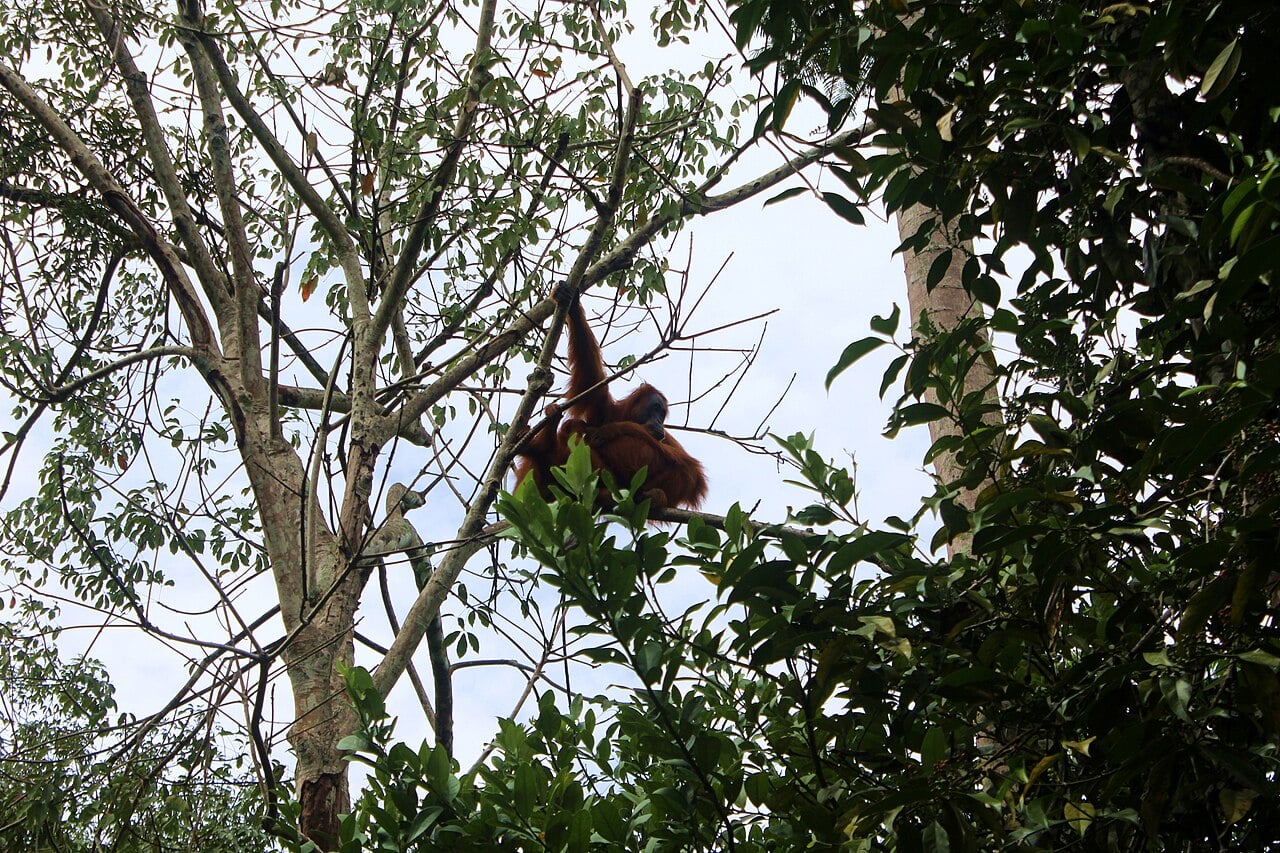
Orangutan trekking supports livelihoods in Bukit Lawang, but feeding, crowding and close-contact photographs can harm the animals travelers come to see. This updated guide explains how to choose an ethical trek, follow wildlife-viewing rules and protect critically endangered Sumatran orangutans.

Exploring Washington, D.C., without a rental car reveals how walking can turn famous landmarks, neighborhood meals and unexpected discoveries into a richer city experience.

Gamcheon Culture Village grew from a Korean War refugee settlement into one of Busan’s most recognisable attractions. Its transformation through art created economic opportunities while raising important questions about tourism, privacy and community life.
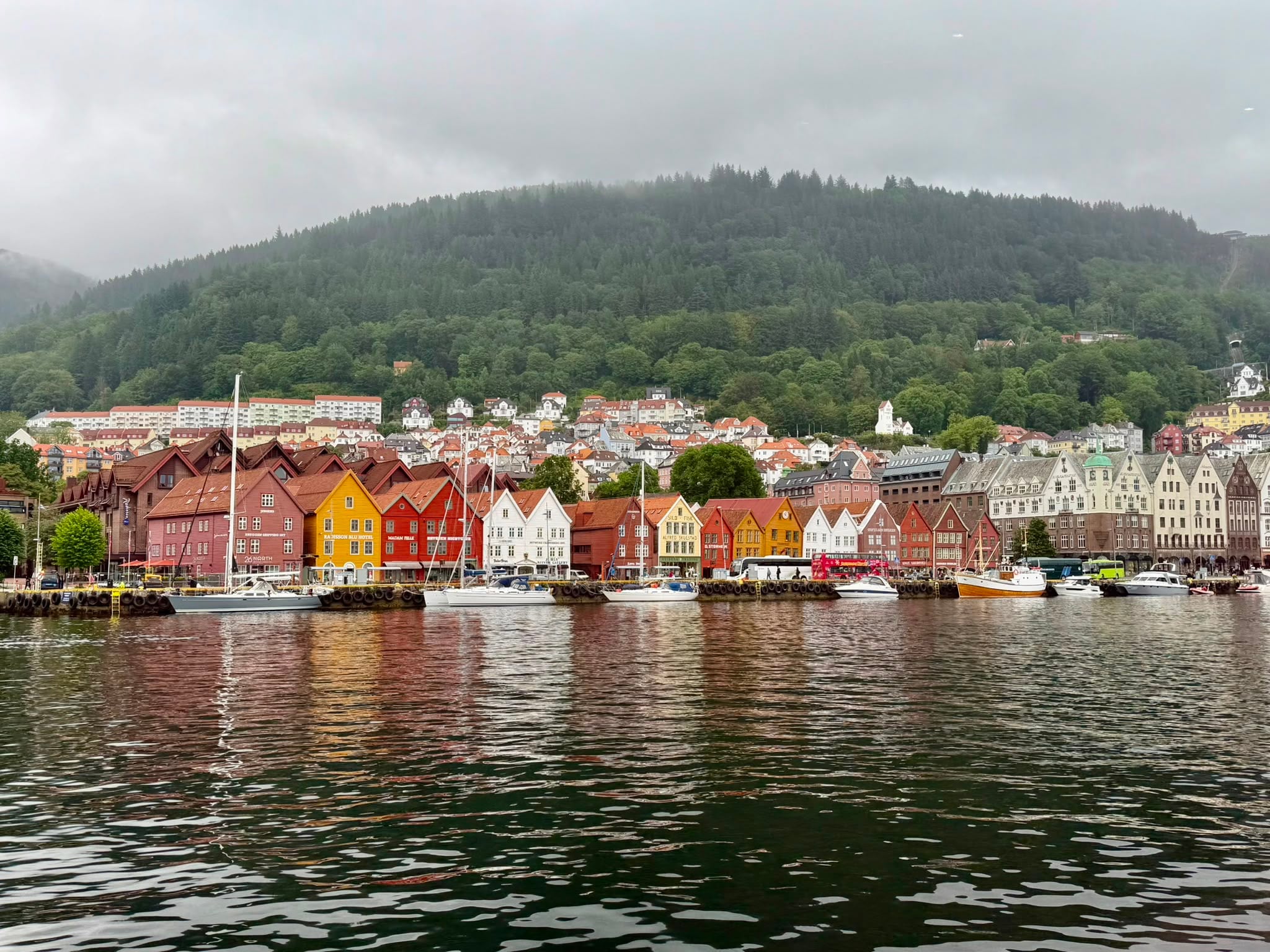
With visitor numbers continuing to rise, Bergen, Norway, continues efforts to spread tourism across seasons and neighborhoods while protecting its heritage, environment, and residents’ quality of life.

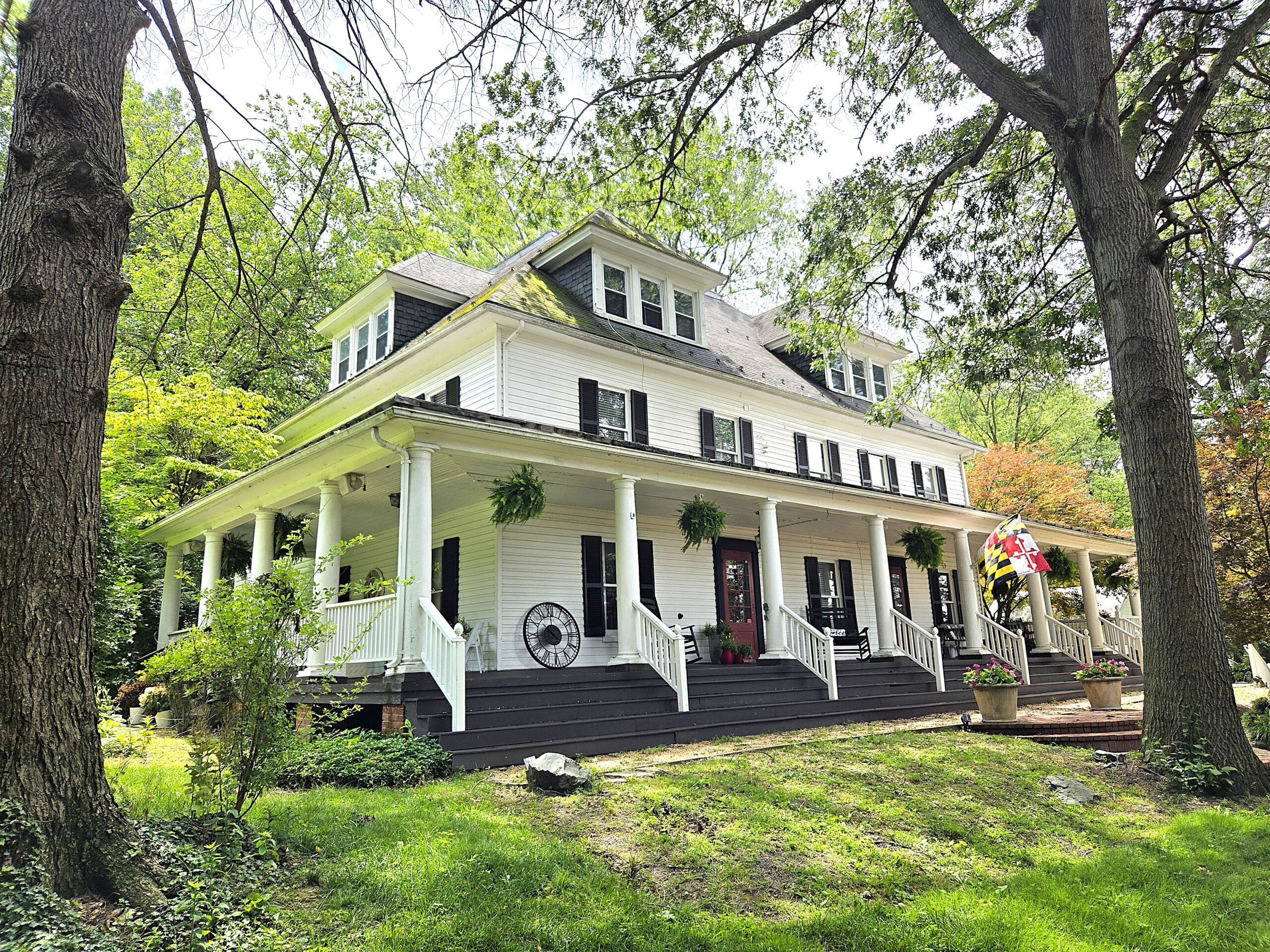
New Windsor, Maryland, may not be a trendy tourist destination. But that’s the entire point for travelers like me who seek solace and quiet connection.

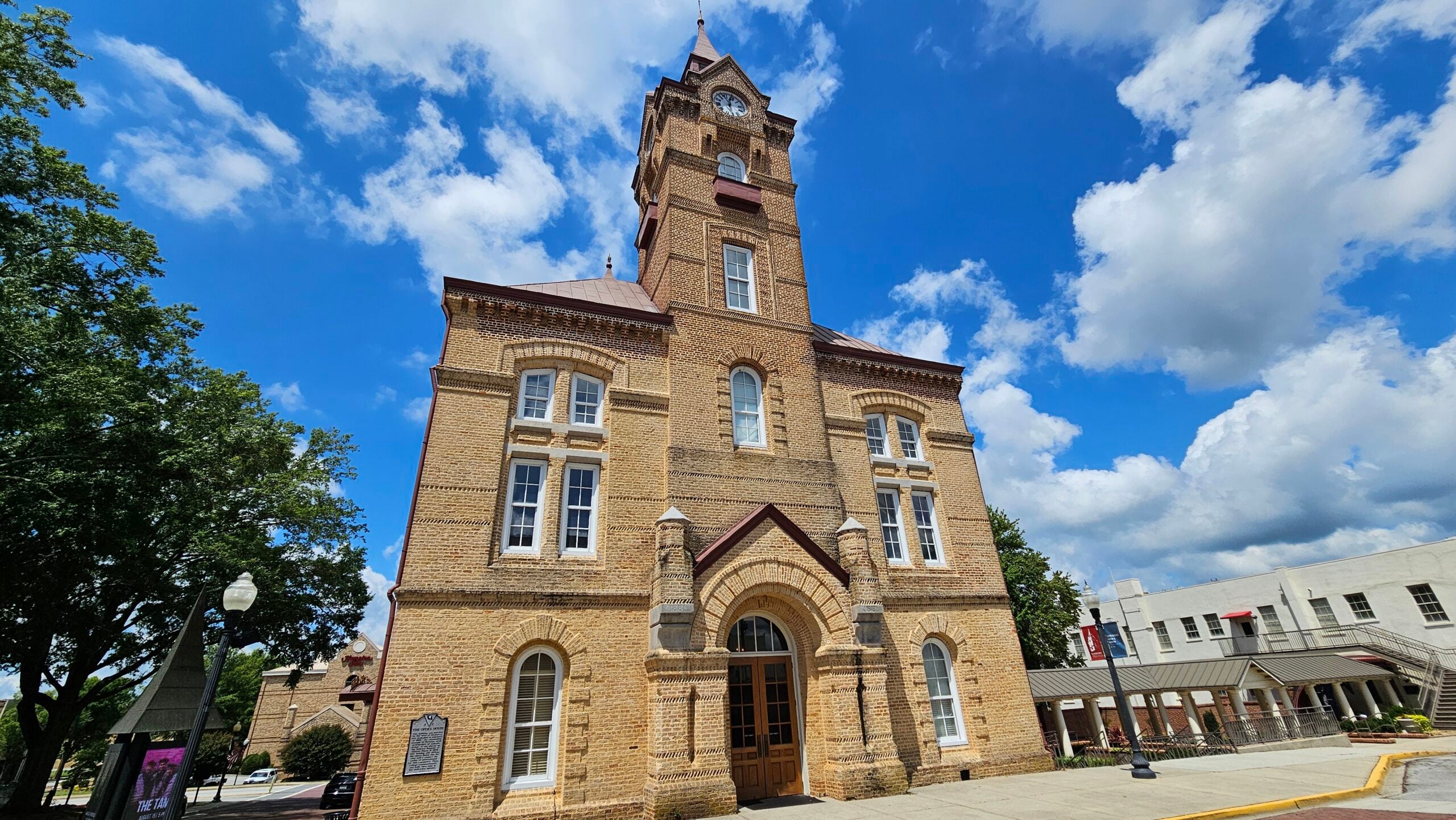
If walls could talk, some very famous voices would be echoing throughout the Newberry Opera House, where legendary entertainers like Tex Ritter, Loretta Lynn, Willie Nelson, Wynonna Judd, and Jefferson Airplane performed.

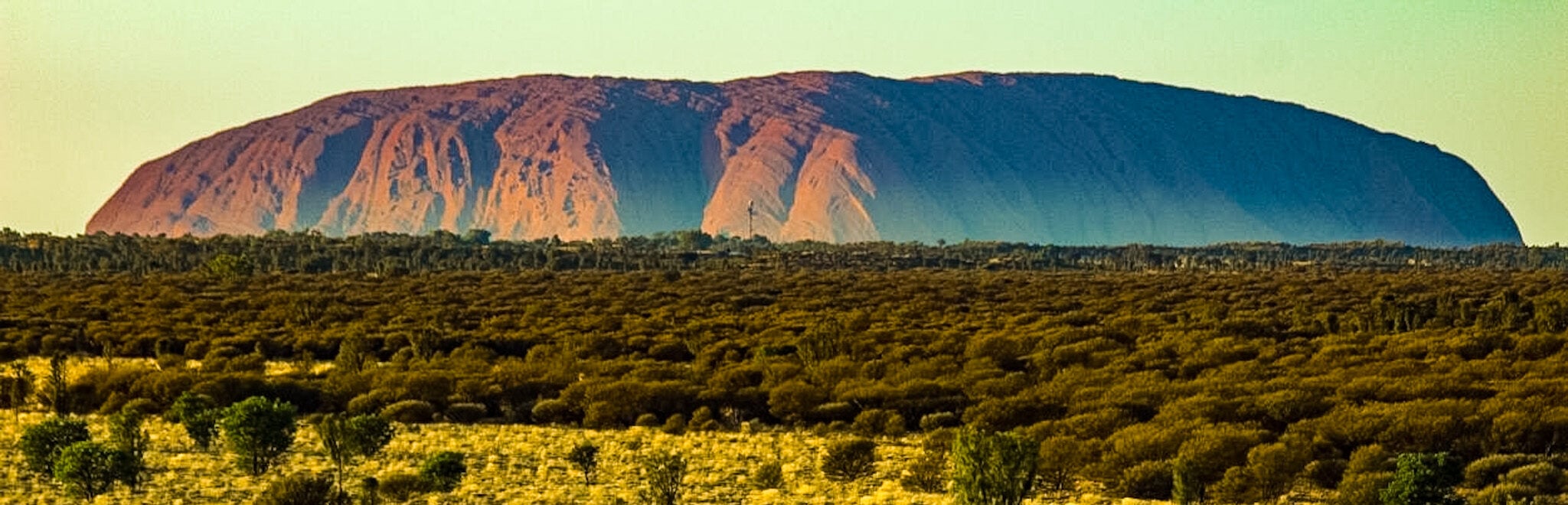
From the outside, the idea of journeying thousands of miles to stand before a solitary sandstone monolith seems puzzling. Yet for those drawn to places imbued with history, belief and meaning, Uluru, once known as Ayers Rock, is far more than just a rock. It is a living cultural landscape.

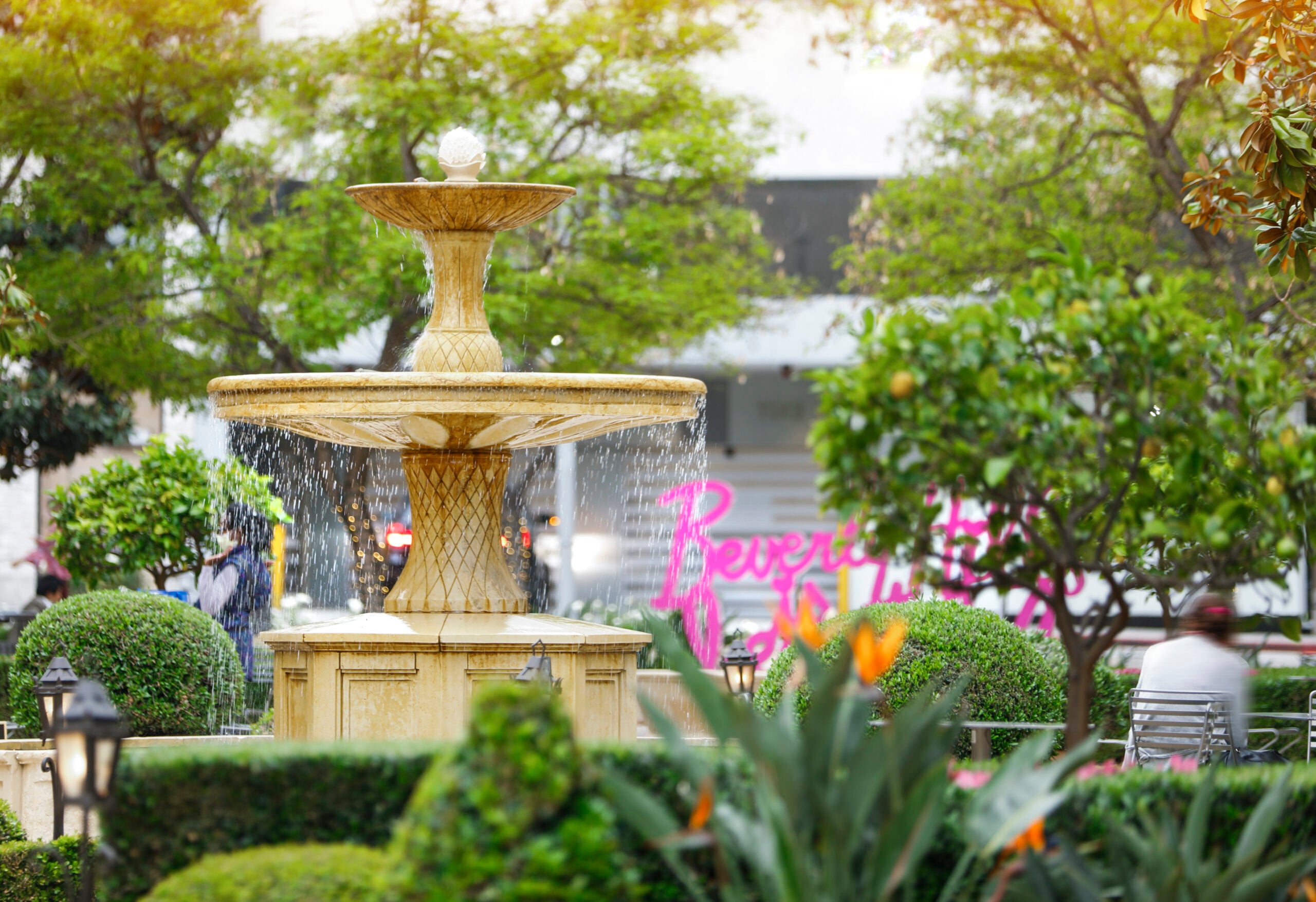
Beverly Hills needs no introduction. The small but swanky city in the greater Los Angeles area boasts one of the country’s most recognizable zip codes, with equally identifiable landmarks in Rodeo Drive and the Hollywood Sign — often visible from the 90210’s sleekest, chicest rooftop bars.

Australian blind traveler and accessibility advocate Dale Reardon shares the realities of traveling with a guide dog, encountering inaccessible technology and navigating an industry that does not always understand the diverse needs of travelers with disabilities.

Following her appearance on The Marissa Mitchell Show, Tonya Fitzpatrick reflects on completing a 38-mile trek through Morocco’s High Atlas Mountains just eight months after total knee replacement and explores how travel, purpose and intention can shape a new chapter.
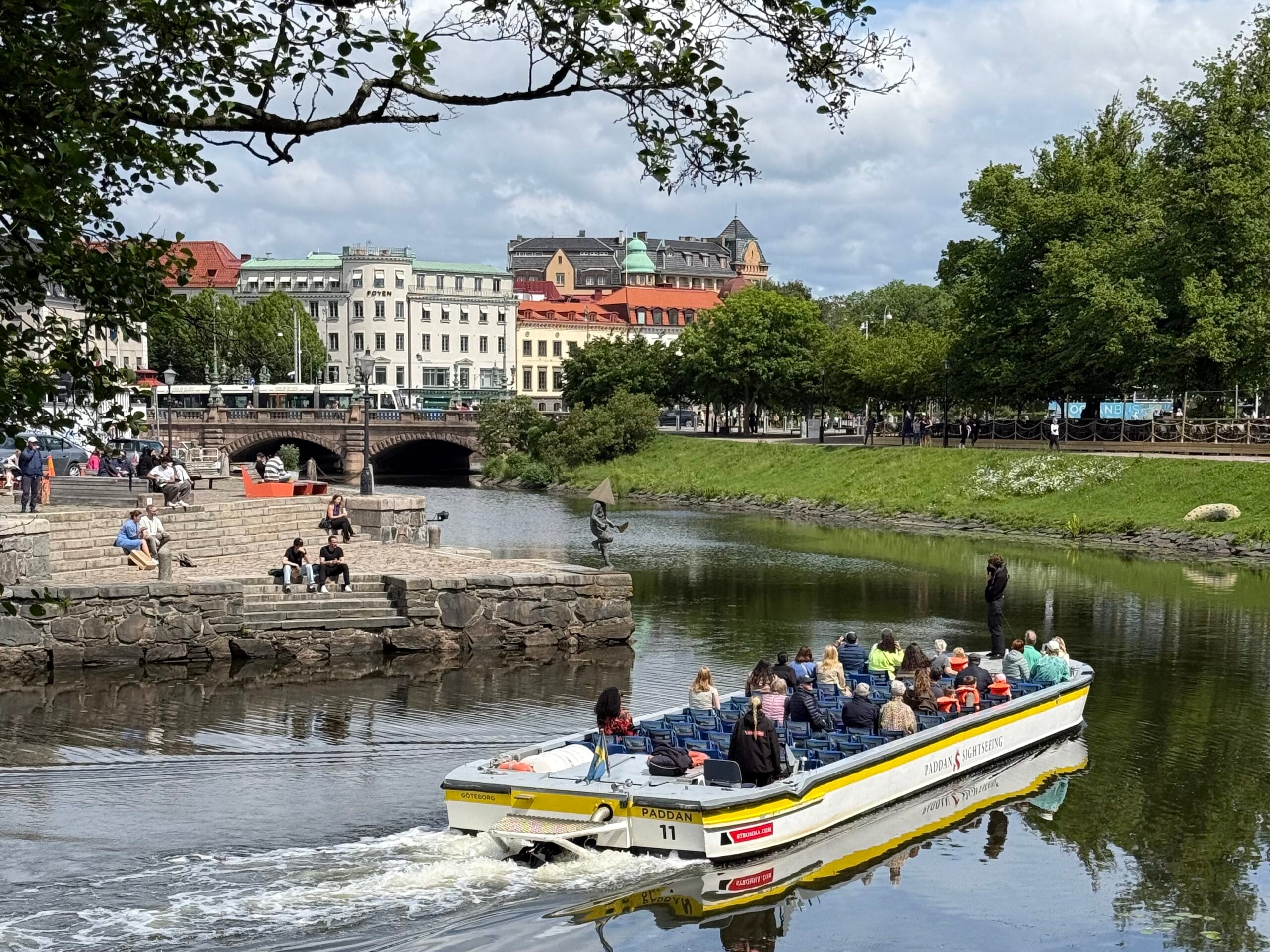
Gothenburg offers a different vision of sustainable travel—one that feels less like a checklist and more like everyday life. From public transit and bike-friendly streets to car-free islands, secondhand shopping and thoughtful local experiences, Sweden’s second-largest city shows how traveling more responsibly can still feel rich, easy and rewarding.

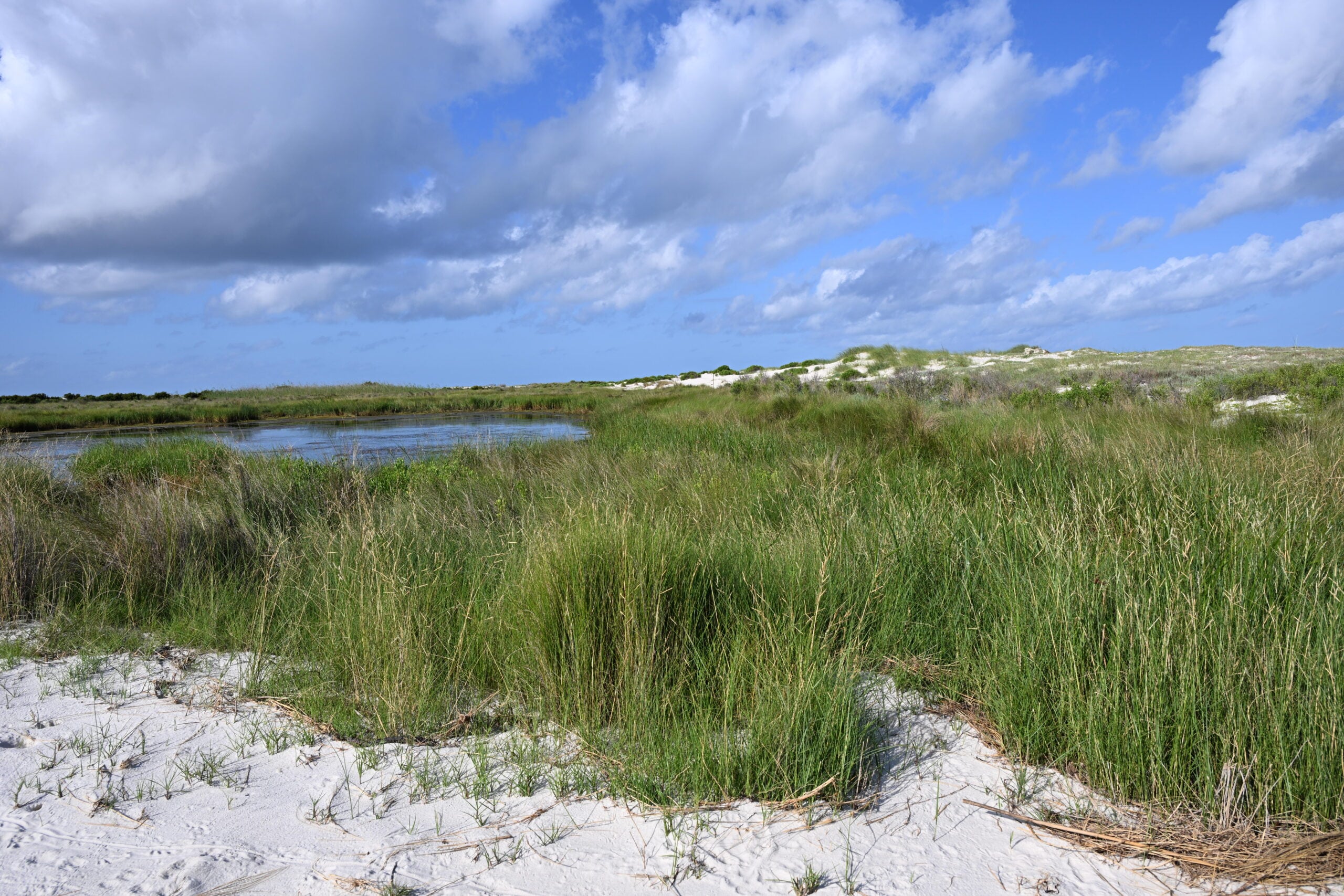
Stepping foot onto Horn Island, we pulled the pirogue onto the sand and squinted into the horizon. Behind us gently rocked THE LILY FAITH, our transportation from Ocean Springs, Mississippi, now anchored in deeper water.

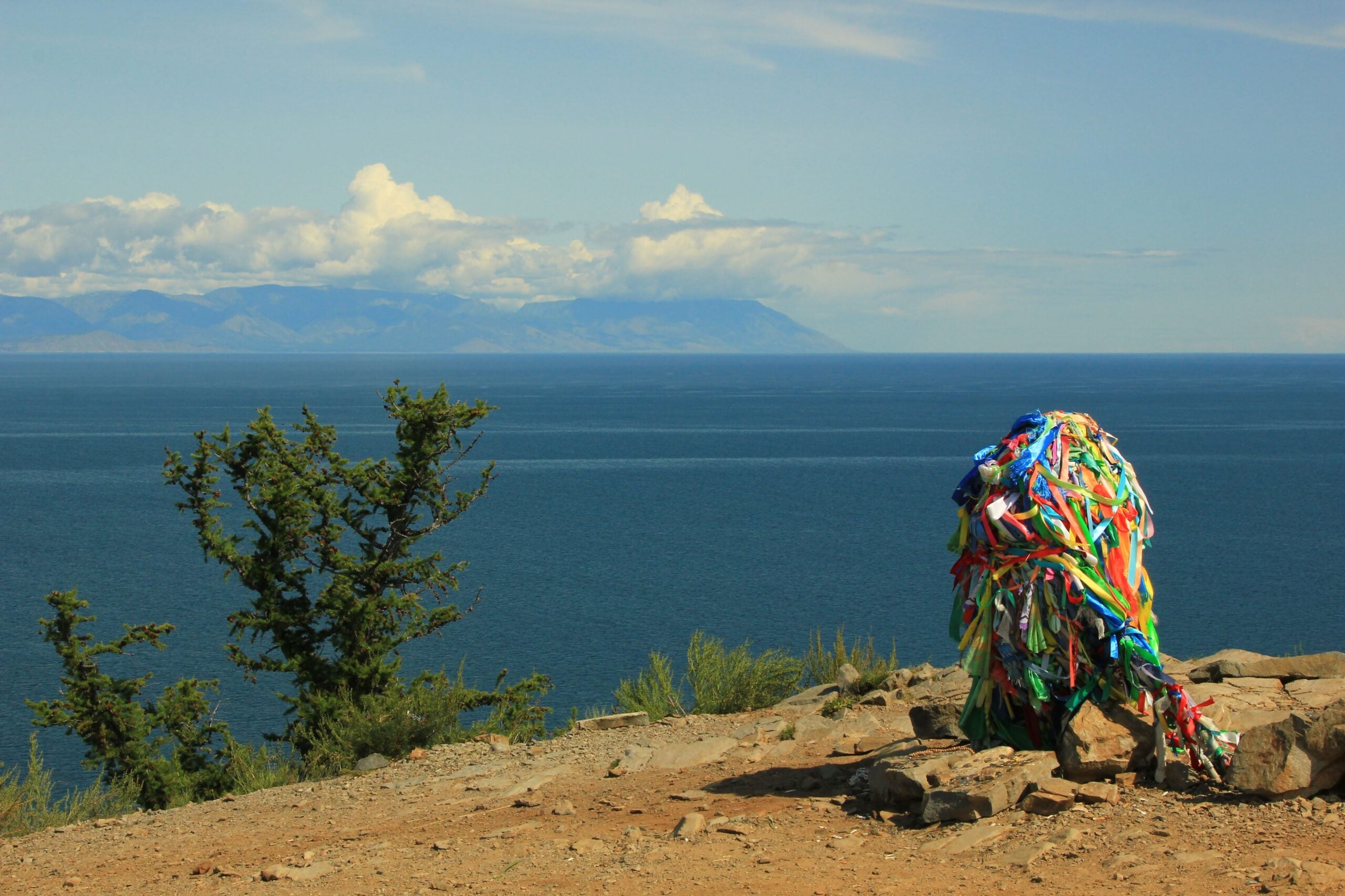
In Lake Baikal in southern Siberia, Olkhon Island dwarfs the other rocky islets with its elongated spine. From the map, it looks like a small, narrow peninsula extends off the mainland. At Cape Khoboy on the northern tip of Olkhon. Maxim Oksyutik stands atop a rock. Before him, an endless ripple of water opens up in an indefinite spectacle.
By the time the morning fog begins lifting over Port Frederick, the outline of a massive cruise ship is already visible beyond the trees. It moves slowly through the gray water, dwarfing the fishing boats and wooden houses along the shoreline of Hoonah, a small Alaska Native community on Chichagof Island with fewer than 900 residents.

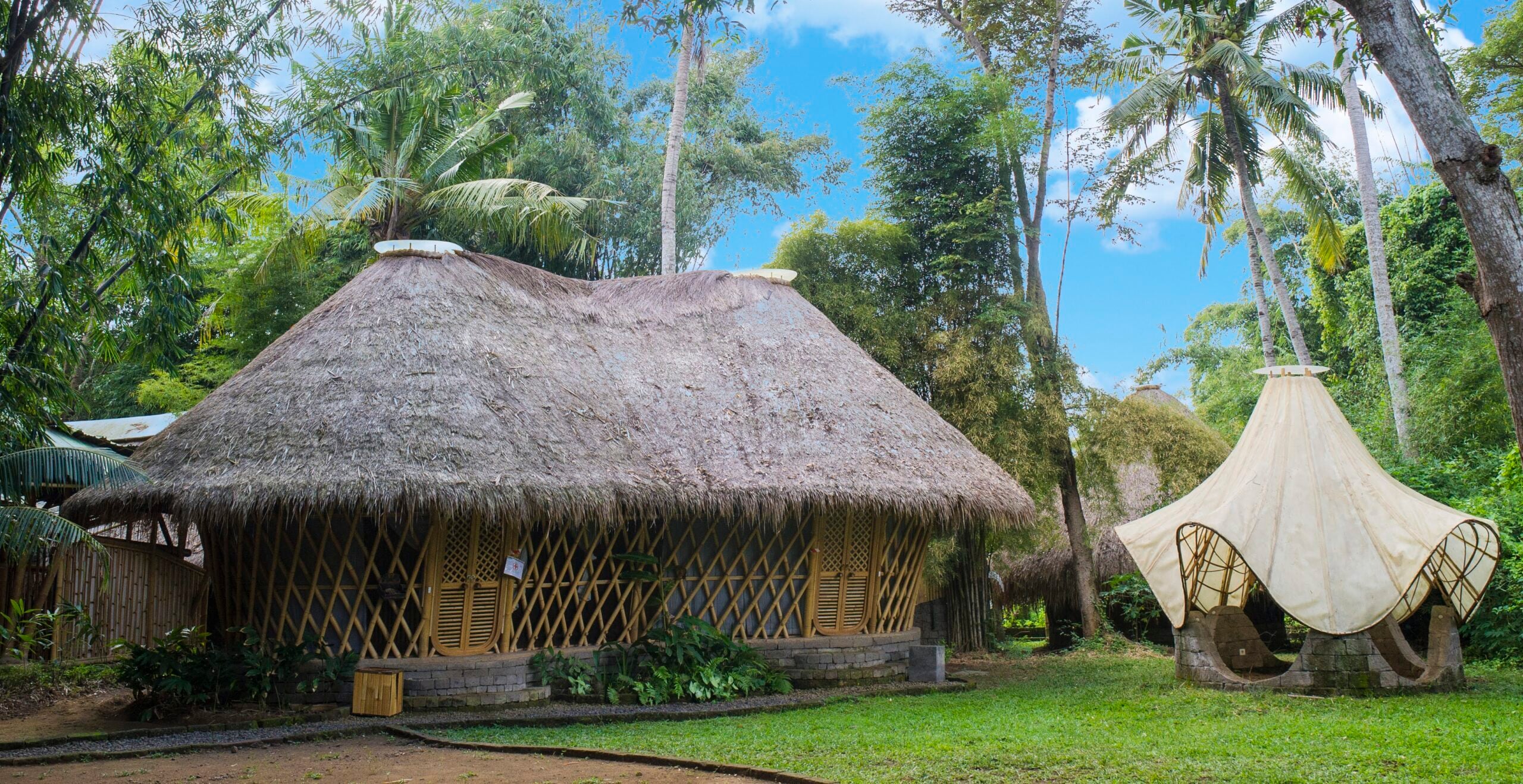
In Abiansemal, a rural district north of Denpasar and west of Ubud in Bali, the Ayung River cuts through rocky gorges, winding past rice fields and jungle. Down by the river, a spread of bamboo pavilions rises in a hug of palm trees and thick bushes, their wide thatched roofs fanning out like giant conical hats. From above, the complex gives off the vibe of an eco-retreat in the middle of the jungle. But beneath the thatched roofs are open-air classrooms, designed to nurture young minds through an unconventional curriculum that could reimagine education as we know it.

As wanderlust for small-group expeditions to remote lands continues to grow, island destinations like Iceland, the Galapagos, and the Seychelles are fixed on travelers' radars. Yet travelers seek even more extraordinary experiences in search of epic adventures.