
Editors’ Picks
Selections of inspiring stories from around the world.

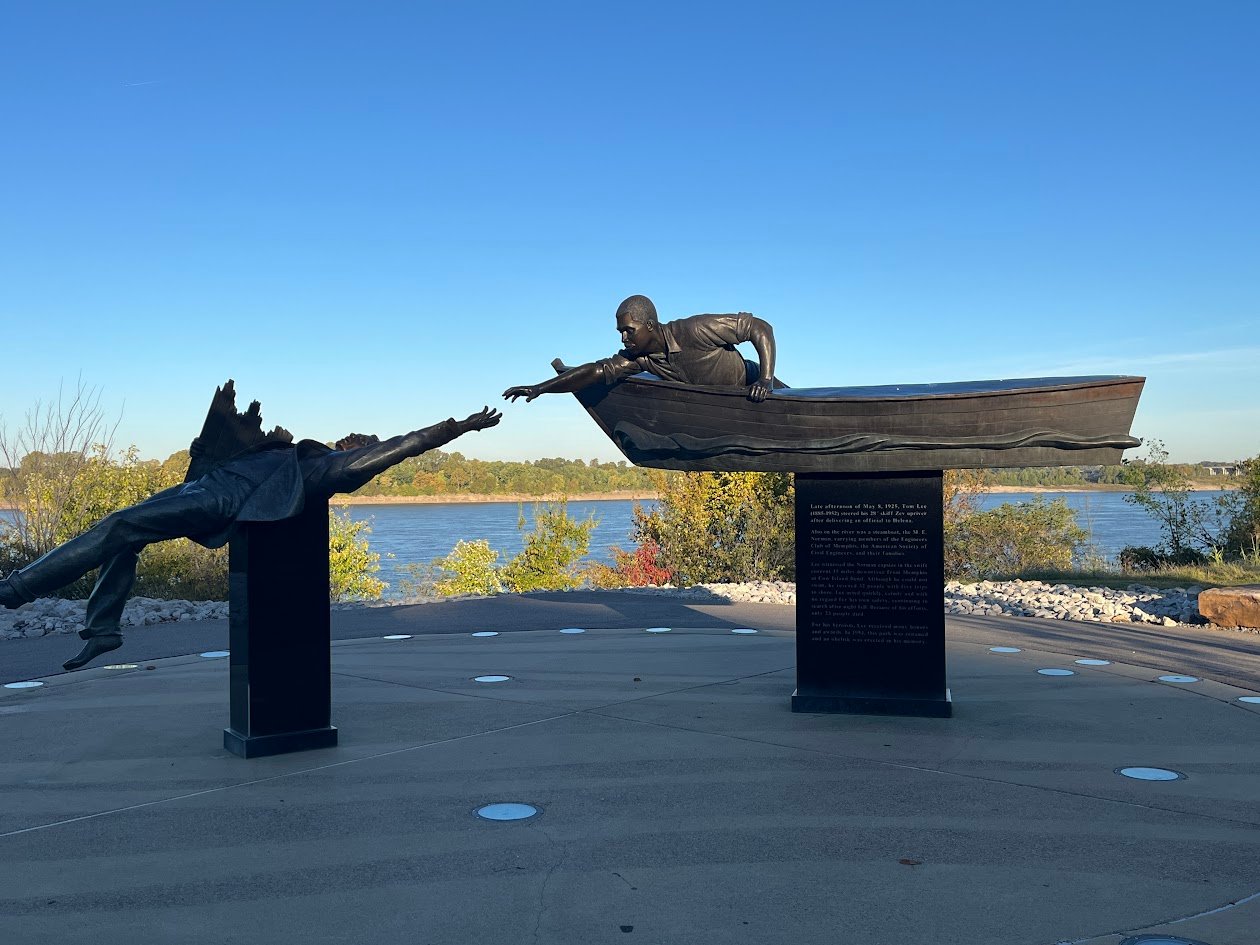
So many places in Tom Lee Park beckon me to linger. Adirondack chairs overlook the river, hammocks are nestled in the trees, and native plants are arranged in inviting gardens. Reopened in 2023 after a $61 million redesign, this large urban park in Memphis pays tribute to local Black hero Tom Lee, who rescued 32 white passengers from the Mississippi River in 1925 when their steamship capsized.

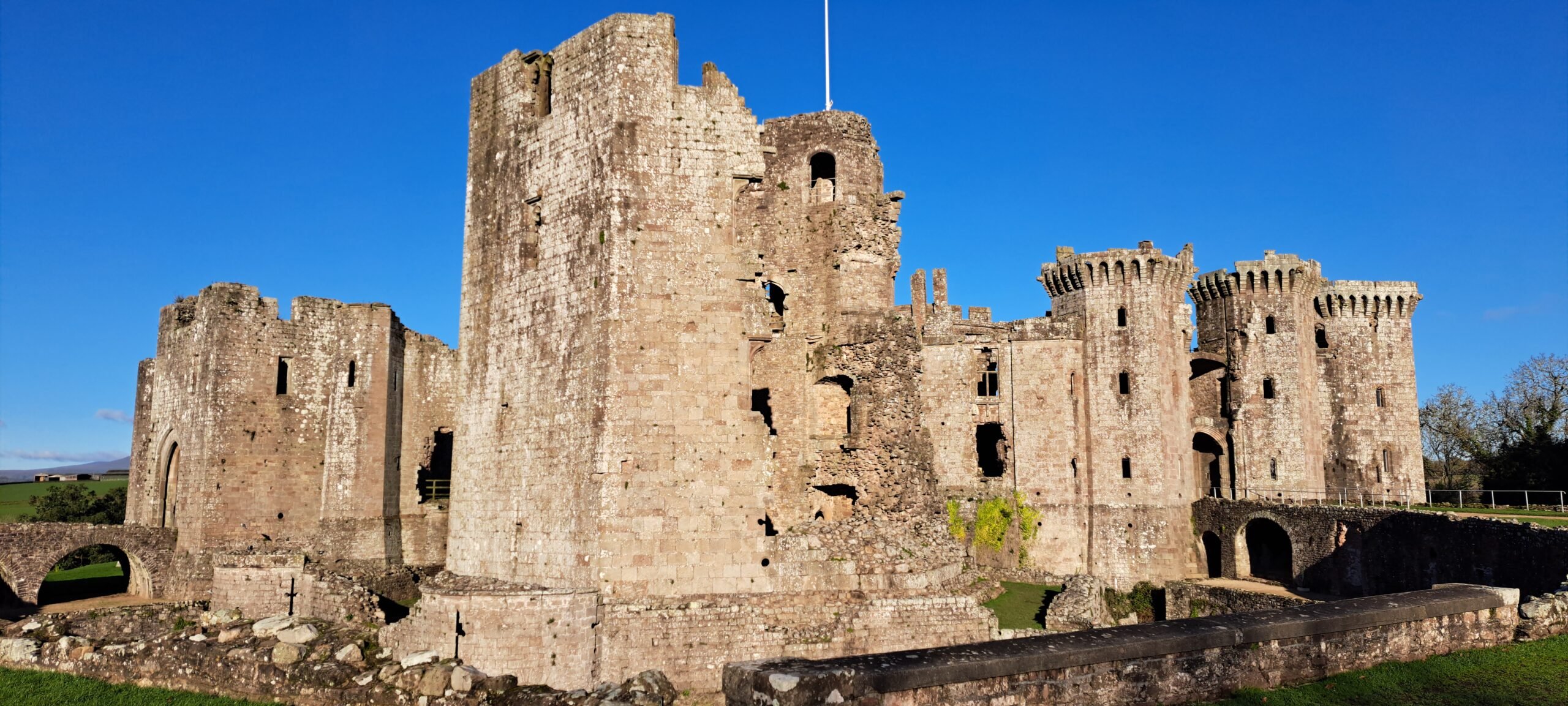
Wales reminds you to unfold your days–and life–like a map, understanding we can’t always refold them the same way. In this corner of the UK, the ever-present ancient structures and modern culinary delights are a vacation in themselves. Bilingual Wales (Welsh and English) has the most castles per square mile in the world, excluding the ubiquitous castle-like churches. Its population of three million people thrives in a vastly diverse landscape the size of New Jersey. Nearly everything fun you can do here is accessible by public footpaths that explore spectacular stretches of coastline, forests, intimate villages, and the world-class city of Cardiff. This place isn’t just a feast for the eyes; it’s a land of feasts.

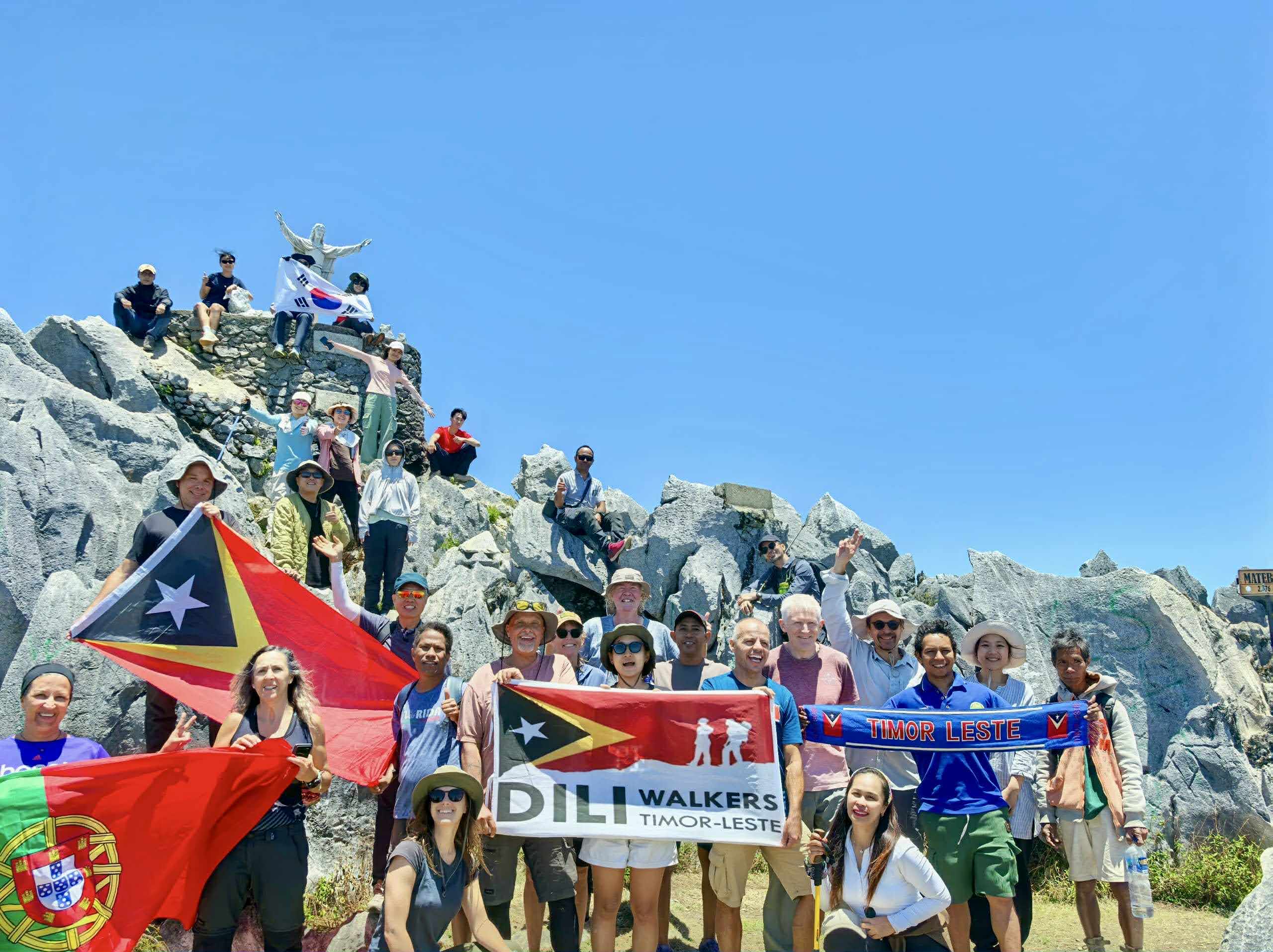
It is 5:30 in the morning. Shawn leaves his home on a bike, pedaling toward a horizon painted in dusky orange, just minutes before sunrise. The only sound that awakens the silence comes from the soft clinking of the bike chain. He steers the handlebars toward a trailhead where his group of fellow walkers awaits. Every Saturday, the group meets to explore Dili, the capital of Timor-Leste, on foot. A group made up of foreigners and locals, they share one thing in common: the love of being outdoors and building community. They call themselves “Dili Saturday Walkers.”

The days between Christmas and New Year’s offer a peaceful pause after the busy days of the holiday season. During this calm interlude, festive decorations still glow, emails slow down, and everything moves at a gentler pace. This is an ideal time for reflection, expressing gratitude for the past and looking forward to the new year with hope. It’s also a frequently overlooked opportunity to support our communities, as many needs persist even as the holiday excitement fades.

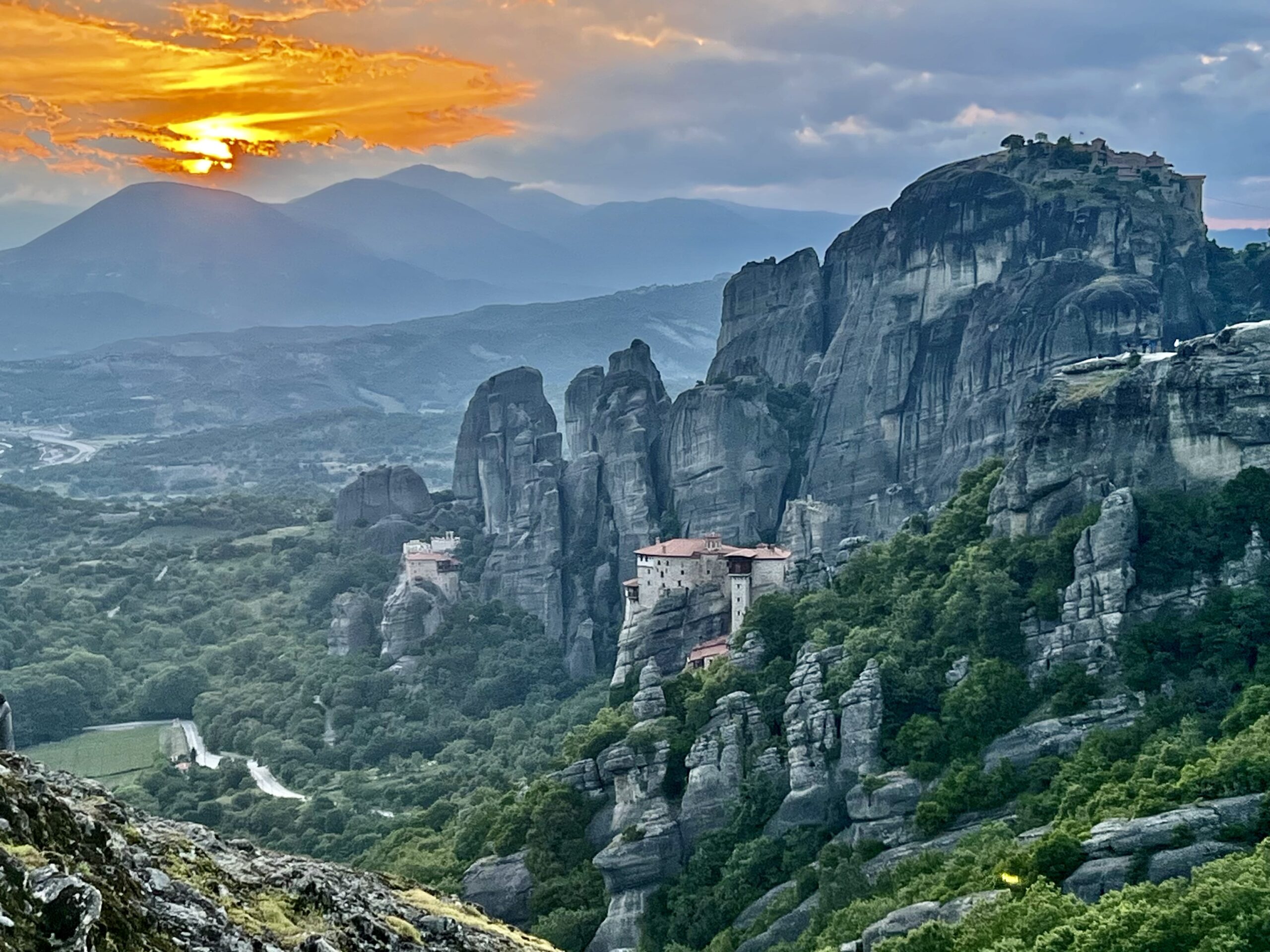
The rainbow provided cause enough for our guide to detour from the itinerary. He made a quick left-hand turn and came to a sudden stop overlooking the towering rock pillars. The doors flew open, and 20 or so passengers tumbled out to capture this magical moment. It almost felt disrespectful to take a photo without asking Mother Nature for permission.
I love under-the-radar destinations. Schenectady, a sweet balance of history and modern multicultural flair, is a prime example of why. Upstate New York’s original “Electric City” sits only 15 miles from Albany, the state’s capital, but a world away. Settled by the Dutch in 1661, it played a crucial role in the development of early American industry and innovation, primarily in electronics and locomotion. Thomas Edison founded General Electric at Mohawk River-hugging Schenectady. It’s also where I found a surprising urban-pastoral balance of early-U.S. architecture, inviting parks, scenic bike paths, welcoming restaurants, and engaging locals.

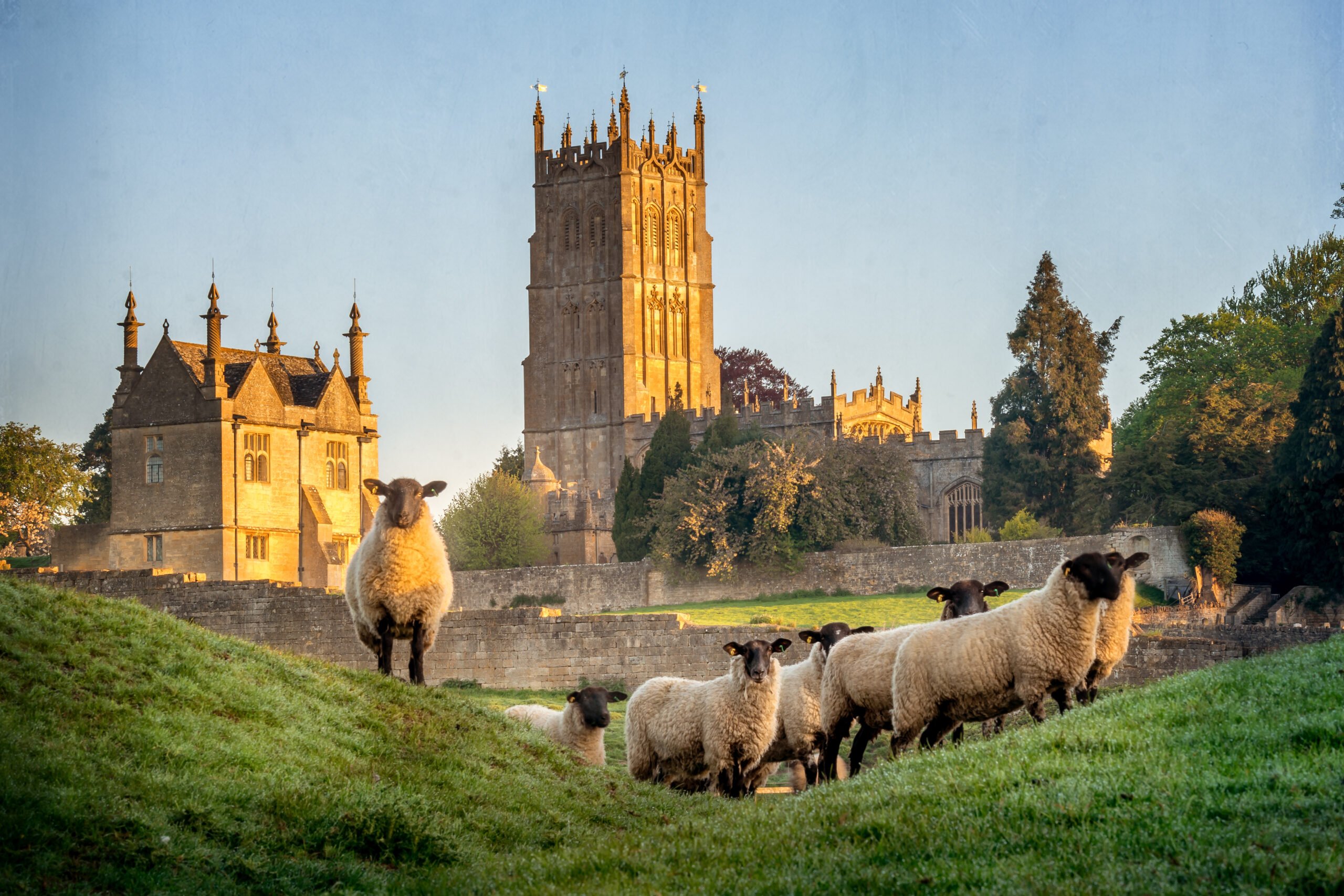
On a breezy summer morning, I embarked on a tour of the villages of the Cotswolds. Famed for its quaint half-timbered buildings, overhanging upper storeys, and narrow alleyways, the villages of the Cotswolds possess undeniable charm. Small group tour leader Ian McKenzie led us from the university town of Oxford into the inner recesses of the Cotswolds. Designated as an Area of Outstanding Natural Beauty, the Cotswolds spread across five English counties—Wiltshire, Gloucestershire, Oxfordshire, Warwickshire, and Worcestershire.

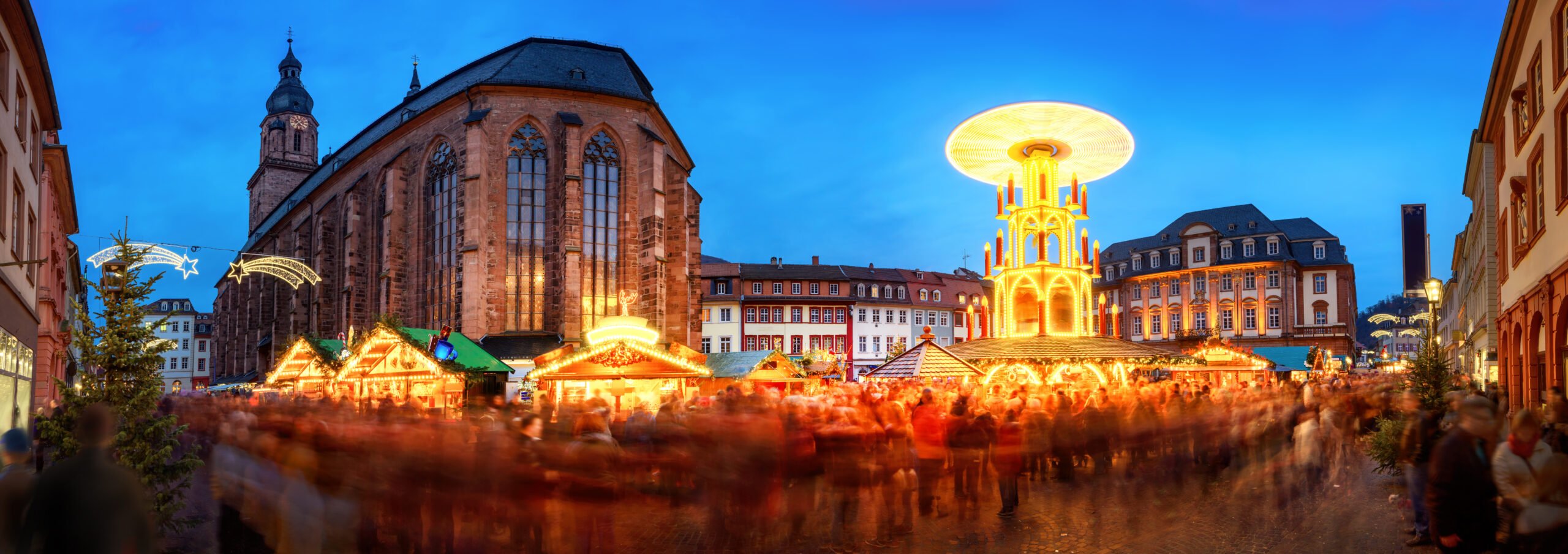
Germany's Christmas markets date back to the Middle Ages. Then, the markets were practical. People gathered to trade food and goods as they stocked up on essentials necessary to survive the long, cold winters. Eventually, the markets evolved into festive celebrations dating back to the 14th century. Today, those festive celebrations continue across Germany and around the world. But let's face it, no one does Christmas markets like Germany. Having recently returned from exploring the markets in southern Germany, I'm excited to share what makes them special and help you plan your own unforgettable trip.

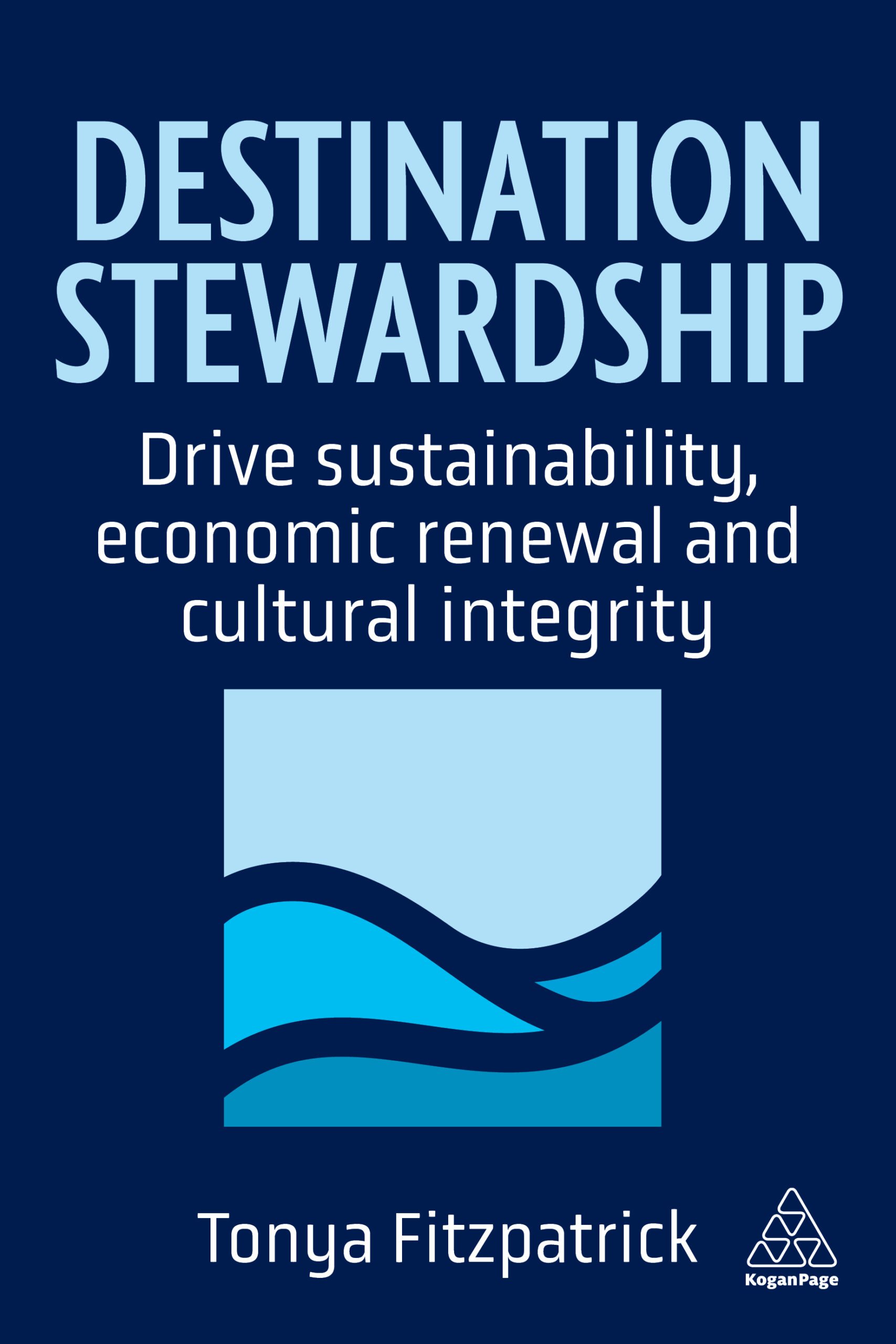
My new book, Destination Stewardship, is now available for presale! Get 25% off with code KOGANPAGE25 and enjoy free shipping in the UK and US. The book features insights from 30 global experts and includes a section for travelers on how to support stewardship wherever we roam.

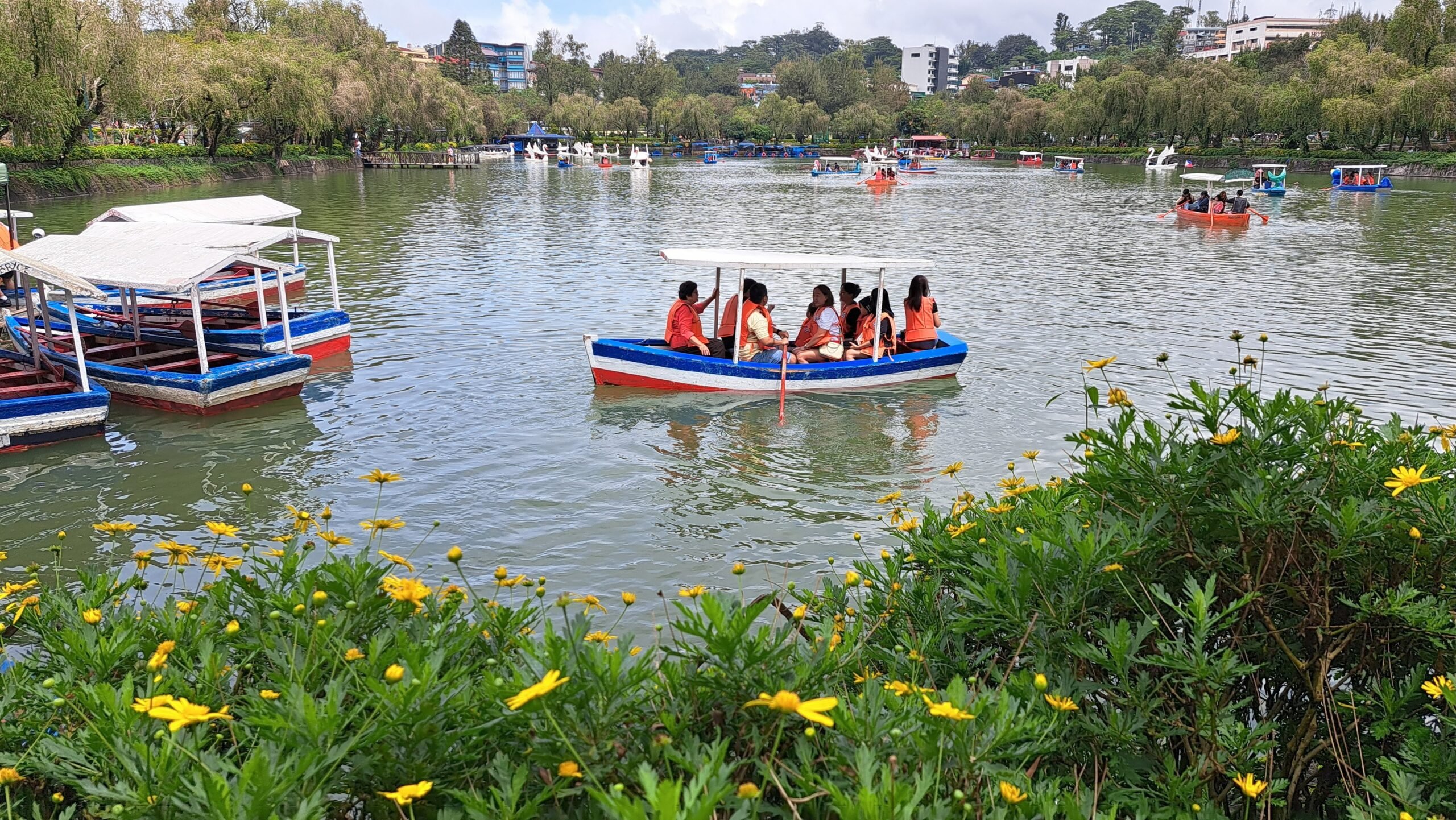
Baguio is a mountain town located on the pine-dotted plateau of the Cordillera Administrative Region in northern Luzon, Philippines. I took a weekend jaunt to Baguio from Manila. After nearly six hours northbound, the bus started ascending through the mountain loops. Outside my bus window, the sun-drenched plains reeled away into ranks of tapering pines, and the sweltering heat dissipated into cooler mountain air.

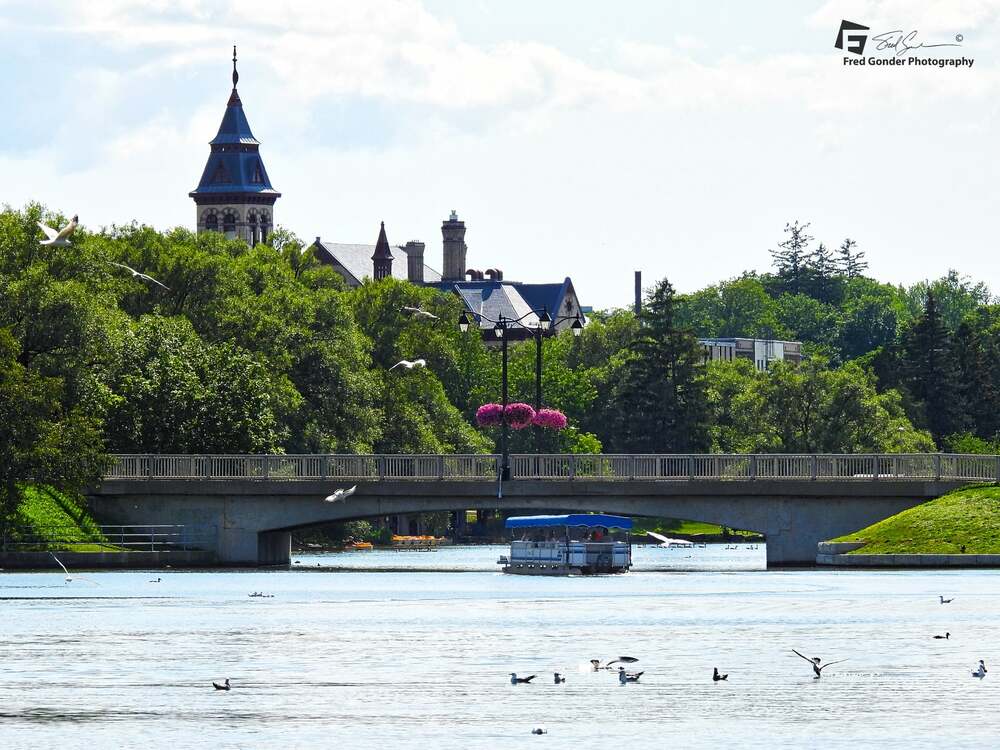
Small-town charm with an internationally-acclaimed theatre scene — you've got it all in Stratford, Ontario. This historic town is the birthplace of many Canadian greats (from pop icon Justin Bieber to actress Sheila McCarthy and musician Ron Sexsmith, to name a few) and the host of the beloved Shakespeare Festival, which has been attracting audiences to the town for over 70 years.

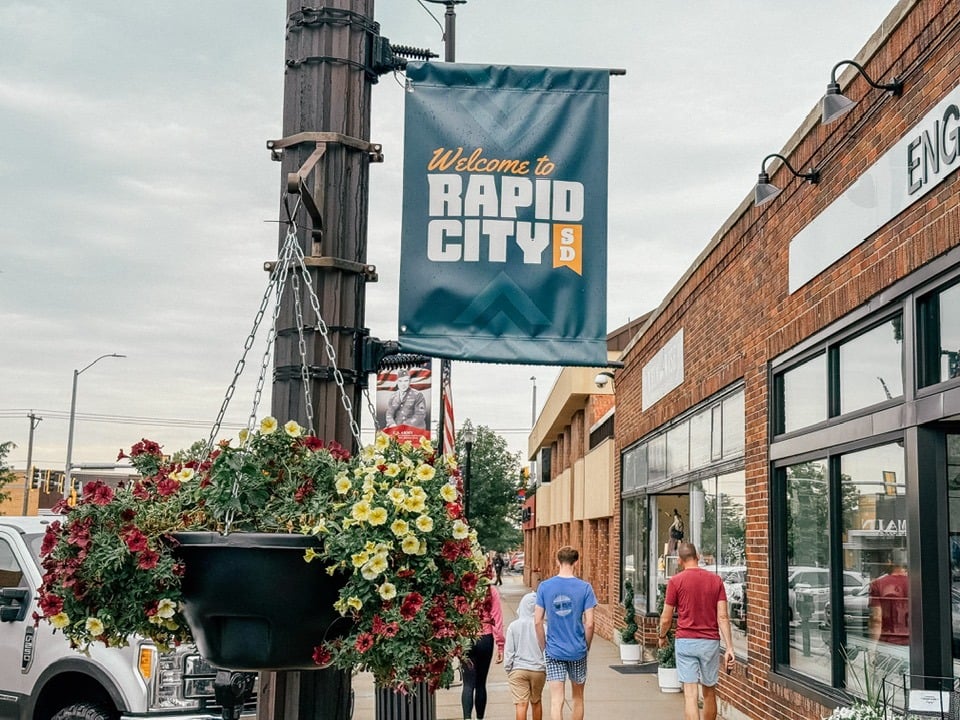
As a chaser of the “I’ve been to all 50 states” status, South Dakota has long been on my bucket list. When the chance to visit Rapid City popped up, I was thrilled to check off another state—number 43—and finally see Mount Rushmore, that classic slice of Americana. I typically road-trip with my teenagers during their summer break, so I dove into planning mode: spreadsheets, snacks, playlists. Then came the bombshell: one kid’s tennis camp overlapped, and the other declared my idea “lame.” (Teenagers, right?)

Explore the hidden risks of voluntourism and the complex history shaping conservation in the Galápagos Islands. Intercultural educator Lena Papadopoulos and researcher Dr. Elizabeth Hennessy reveal why responsible travel requires deeper awareness, community-led action, and a clear understanding of the islands’ past.

In the past few years, the term "immersive art experience" has been applied a bit too liberally, to abandoned convention centers and malls with famous artists' work projected onto blank walls. Van Gogh, Picasso, and Monet all got this special treatment, where visitors could walk amongst the moving images, popularized after appearing in a 2020 Netflix series. You couldn’t open Instagram without seeing people you knew posing in front of one of the works around the United States. But art isn’t just meant to be seen. It is also meant to be experienced, felt, and participated in. One gallery in particular has inspired a wave of others.
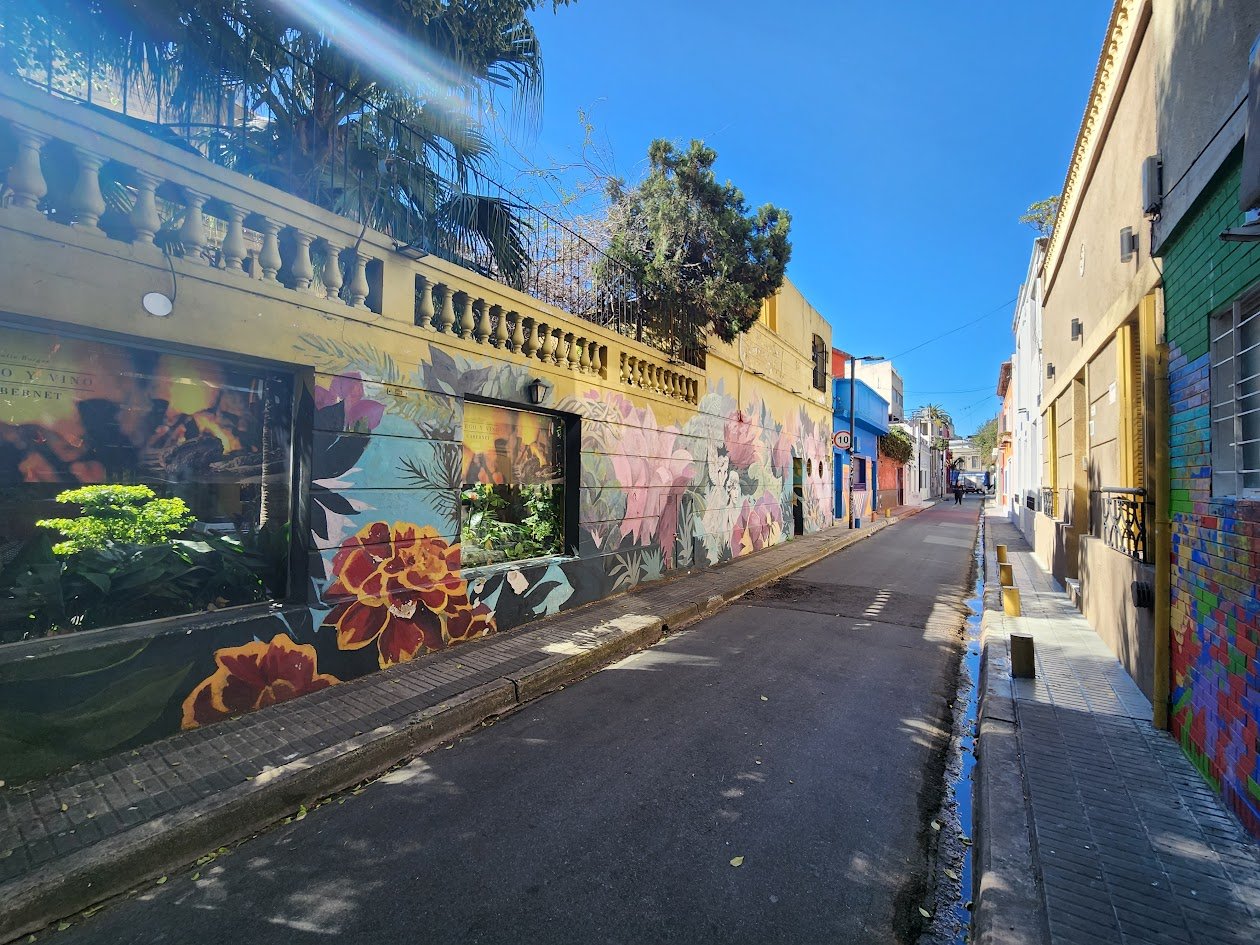
Acclaimed Argentine author and poet Jorge Luis Borges once wrote, “Hard to believe Buenos Aires had any beginning. I feel it to be as eternal as air and water.” Buenos Aires has a rich history and architectural heritage for a relatively young capital with an ancient soul. And the best way to discover the soul of the city is to take long, leisurely walks.

Every inch of Australia is written in song. Songs track lines along the continent, with every jutting rock or bowing tree being represented by a line or a verse. The cadence, the rhythm, and the musical patterns that define the song are a mimicry of the feet of Australia’s ancestors, of the first feet to walk along the land.

In honor of our veterans, World Footprints shares an intimate conversation with Dr. Betty Moseley Brown — one of the first women of color to join the U.S. Marine Corps. She reflects on breaking barriers, lessons in leadership, and how travel remains her path to transformation. 🎖️✈️

Welcome to South Africa, the country with too many names! The list is long, but some of the most notable options include the Republic of South Africa, my absolute favourite country, Mzansi, and the rainbow nation.