
Global Citizenship

In southern Chile, tourism and the Mapuche struggle for ancestral land rights intersect. Leijia Hanrahan examines cultural tourism in Araucanía and Biobío, the risks of treating Indigenous identity as an attraction, and how travelers can make more thoughtful choices about where their money goes.

As The Amazing Race celebrates 25 years, revisit our conversation with host Phil Keoghan about travel, taking chances and his No Opportunity Wasted philosophy. This World Footprints episode also features Raw Travel host Robert Rose, Dominica tourism leader Colin Piper and The Great Human Race co-host Cat Bigney.
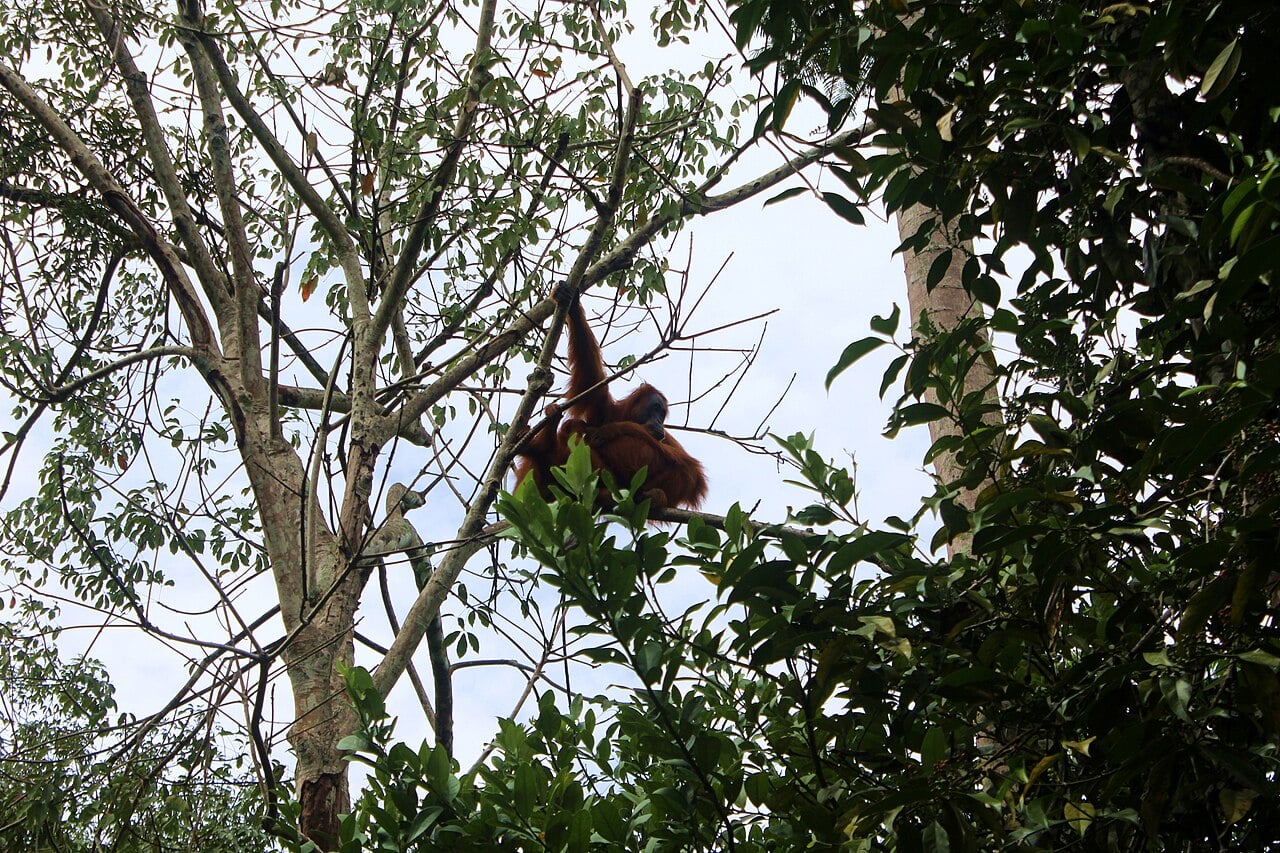
Orangutan trekking supports livelihoods in Bukit Lawang, but feeding, crowding and close-contact photographs can harm the animals travelers come to see. This updated guide explains how to choose an ethical trek, follow wildlife-viewing rules and protect critically endangered Sumatran orangutans.

Japan’s samurai castles reveal far more than military history. Their original keeps, reconstructions and ongoing restorations tell a larger story about power, architecture and preservation.
Survivors of the World Trade Center and Pentagon, military responders, journalists and others recall where they were, what they experienced and how September 11, 2001 changed their lives.
Responsible travel extends far beyond reusable water bottles. These practical choices can help travelers support communities, respect cultures and reduce the harm tourism can cause.

Wildlife attractions may use words such as sanctuary and conservation while continuing to exploit animals. Learn how to recognize harmful encounters and support more ethical wildlife tourism.
Tokyo’s Yoyogi Village closed permanently in 2020, but outdated travel stories still recommend it. Its temporary buildings, landscaped courtyard and commercial spaces also raise larger questions about urban sustainability, green marketing and responsible land use.

Kenya’s tourism industry is moving beyond environmental promises toward a broader destination stewardship model rooted in community voice, local ownership, cultural integrity, conservation and measurable results.

Agritourism connects travelers with working farms, food traditions and rural communities. Explore responsible farm experiences in Tuscany, New Zealand, Japan, Vermont and Peru.

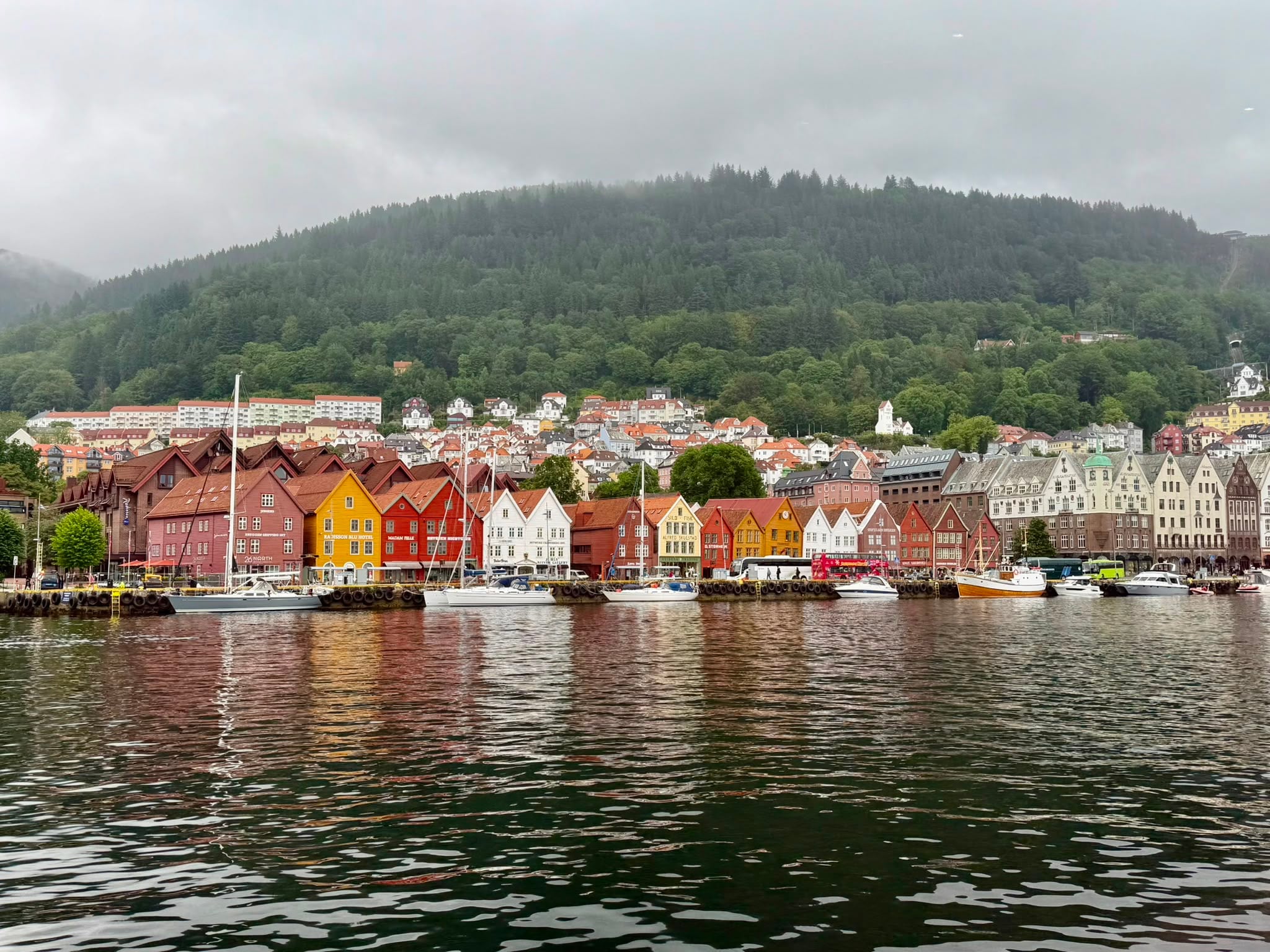
With visitor numbers continuing to rise, Bergen, Norway, continues efforts to spread tourism across seasons and neighborhoods while protecting its heritage, environment, and residents’ quality of life.

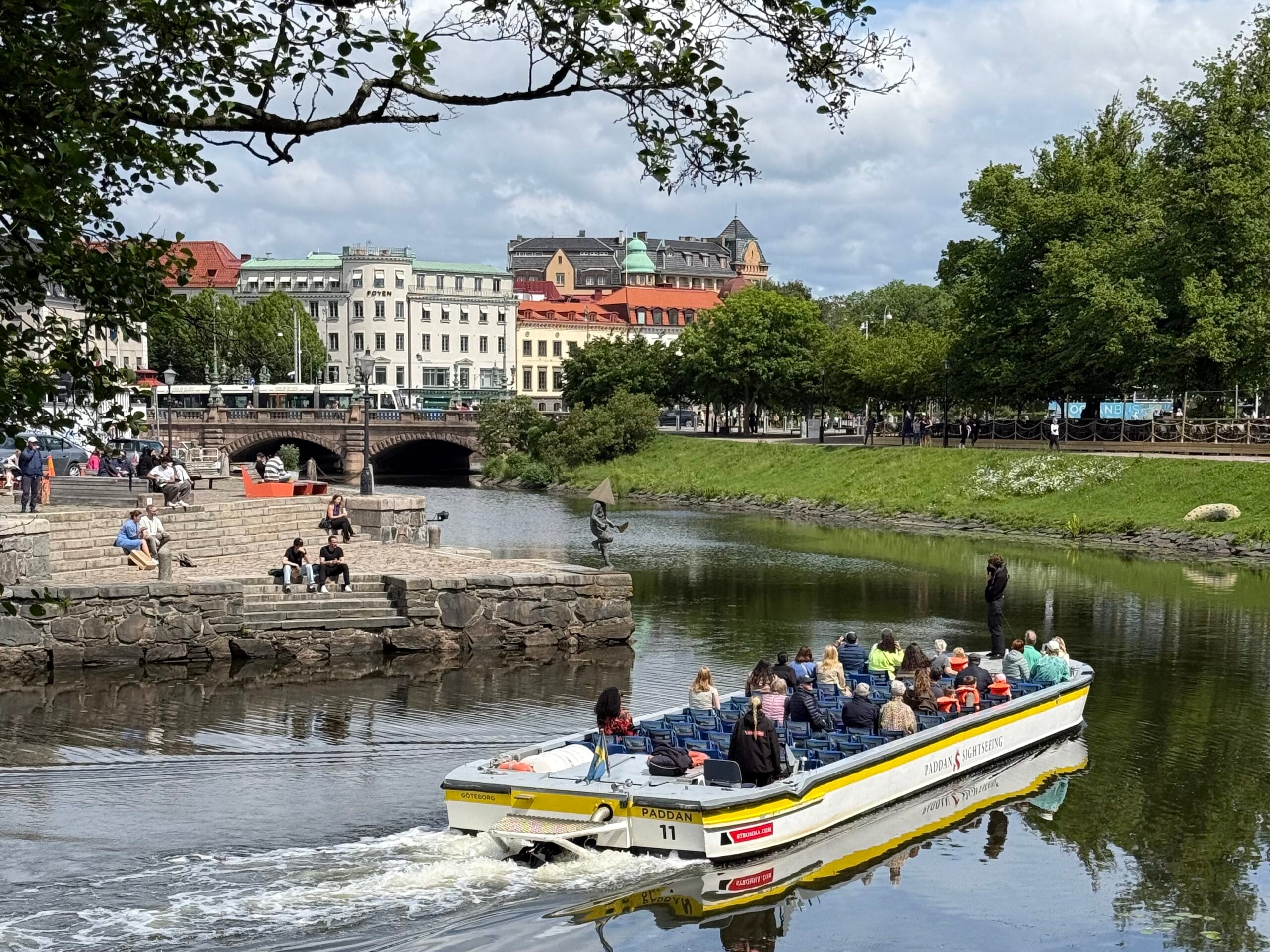
Gothenburg offers a different vision of sustainable travel—one that feels less like a checklist and more like everyday life. From public transit and bike-friendly streets to car-free islands, secondhand shopping and thoughtful local experiences, Sweden’s second-largest city shows how traveling more responsibly can still feel rich, easy and rewarding.